Introduction to 2kW laser cutting in the Mexican Industrial Sector
The industrial landscape of Mexico City (CDMX) has undergone a significant transformation over the last decade, transitioning from traditional mechanical fabrication to high-precision automated systems. At the heart of this evolution is the 2kW fiber laser cutting system. For sheet metal fabricators in the metropolitan area—from the industrial hubs of Vallejo to the manufacturing clusters in Iztapalapa—the 2kW power rating represents a “sweet spot” in terms of capital investment and operational capability. This guide explores the technical nuances of utilizing 2kW fiber technology specifically for brass, a material that is as demanding as it is aesthetically and functionally valuable in the Mexican market.
The Strategic Importance of Brass in Mexico City
Brass fabrication serves a diverse range of industries in central Mexico. From high-end architectural accents in Polanco’s luxury developments to precision electrical components for the automotive supply chains in the surrounding State of Mexico, the demand for clean, precise brass cuts is at an all-time high. Unlike mild steel or stainless steel, brass presents unique metallurgical challenges during laser cutting. Its high thermal conductivity and significant reflectivity require a sophisticated approach to beam management and parameter optimization, especially when operating at the 2kW power level.
Technical Challenges of Brass: Reflectivity and Absorption
Brass is a non-ferrous alloy primarily composed of copper and zinc. In the context of laser cutting, it is classified as a highly reflective material. This means that at room temperature, a significant portion of the laser’s infrared energy is reflected off the surface rather than absorbed. For older CO2 laser systems, brass was nearly impossible to cut without risking catastrophic damage to the resonator due to back-reflection. However, the 1.06-micron wavelength of a 2kW fiber laser is much more readily absorbed by yellow metals.
Managing Back-Reflection with Fiber Technology
Even with the improved absorption of fiber lasers, back-reflection remains a critical engineering concern. When the laser beam hits the shiny surface of a brass sheet, the reflected light can travel back through the delivery fiber and damage the laser source. Modern 2kW systems are equipped with optical isolators and “back-reflection protection” sensors. In Mexico City’s high-production environments, ensuring these sensors are calibrated is vital. Engineers must also employ “piercing” strategies that involve angled approaches or specialized pulse parameters to ensure the initial hole is created quickly, reducing the window of time where reflection is at its peak.
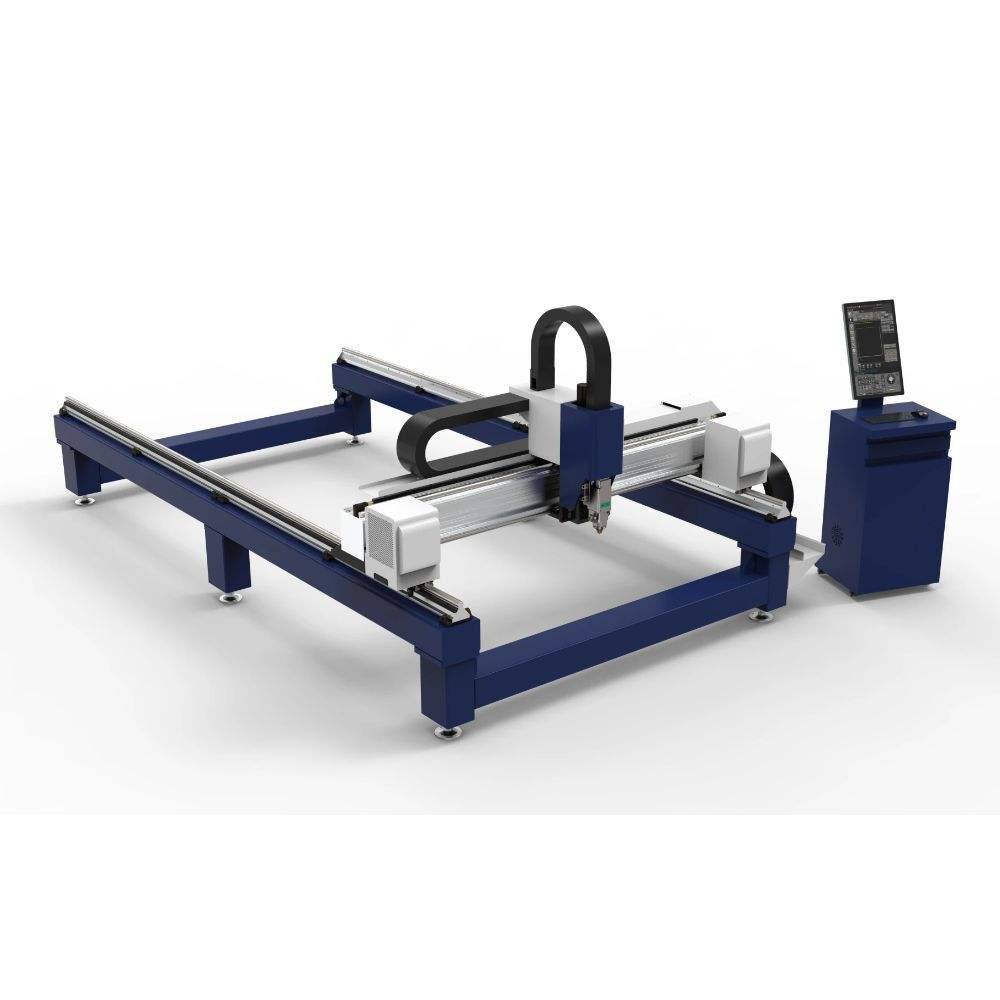 laser cutting machine” style=”width: 100%; max-width: 800px; height: auto; margin: 20px 0;”>
Impact of Mexico City’s Altitude on Laser Cutting Parameters
One of the most overlooked factors in laser cutting engineering within the CDMX region is the altitude. Situated at approximately 2,240 meters above sea level, Mexico City has a lower atmospheric pressure and lower oxygen density than coastal manufacturing sites. This physical reality changes the dynamics of the assist gas as it exits the nozzle and interacts with the molten brass pool.
Atmospheric Pressure and Assist Gas Dynamics
At high altitudes, the Reynolds number of the gas flow changes. When cutting brass with a 2kW system, Nitrogen is typically the assist gas of choice to prevent oxidation. Because the ambient air is thinner in CDMX, the pressure differential between the nozzle and the atmosphere is greater. Fabricators often find that they need to increase their Nitrogen pressure by 5-10% compared to manufacturer specifications derived at sea level to maintain the same “flushing” force. This ensures that the molten brass is efficiently ejected from the kerf, preventing the formation of dross on the underside of the sheet.
Optimizing the 2kW Fiber Laser for Brass Fabrication
Achieving a burr-free finish on brass requires a precise balance of power, speed, and focal position. For a 2kW source, the maximum efficient thickness for brass is generally around 5mm to 6mm, though the “production speed” sweet spot lies in the 1mm to 3mm range. In this thickness bracket, the 2kW laser can achieve speeds that make it highly competitive against waterjet or mechanical punching methods.
Nitrogen vs. Oxygen: Selecting the Assist Gas
While Oxygen can be used to speed up the cutting process in carbon steel through an exothermic reaction, it is rarely recommended for brass. Oxygen causes heavy oxidation on the cut edge, resulting in a dark, brittle finish that requires secondary cleaning. For the high-quality architectural work common in Mexico City, Nitrogen is the standard. It acts as a cooling agent and a mechanical force to clear the melt, leaving a bright, clean edge that is ready for welding or polishing immediately after laser cutting.
Nozzle Selection and Focal Position
Nozzle geometry plays a pivotal role in gas consumption and cut quality. For brass, a double-layer nozzle is often preferred to stabilize the gas flow. The focal position for brass is typically “negative”—meaning the focus point is set slightly below the surface of the material or even near the bottom of the sheet. This allows the laser energy to create a wider kerf at the bottom, facilitating the easy exit of the molten metal. Given the 2kW power limit, the focus must be monitored closely; even a 0.5mm deviation can result in “slag” or a failed cut when working with 3mm brass.

Maintenance Protocols for High-Altitude Operations
Operating a 2kW laser in Mexico City requires a rigorous maintenance schedule tailored to the local environment. The combination of altitude and the city’s unique particulate matter (smog and dust) can affect the longevity of optical components and the efficiency of the cooling system.
Cooling Systems and Thermal Management
Laser chillers rely on heat exchange with the ambient air. In the thinner air of CDMX, the heat exchange efficiency is reduced. It is imperative that the chiller units for a 2kW fiber laser are slightly oversized or equipped with high-efficiency compressors to compensate for the altitude. Furthermore, brass cutting generates a very fine, heavy dust. If the extraction system is not optimized, this dust can settle on the protective windows of the cutting head. Engineers should implement a daily “clean-room” check for the optics to prevent the “thermal lens” effect, where dust absorbs laser energy, heats up, and shifts the focal point during a long production run.
Economic and Industrial Outlook for CDMX Fabricators
The decision to utilize a 2kW sheet metal laser for brass is often driven by the “Nearshoring” trend currently sweeping through Mexico. As North American companies move their supply chains closer to home, the demand for local Mexican shops capable of high-precision non-ferrous cutting has skyrocketed. The 2kW system offers a lower entry cost than 6kW or 10kW monsters, while still providing the precision required for aerospace and medical components.
Cost-Efficiency of 2kW Systems
In terms of “pesos per meter,” the 2kW laser is exceptionally efficient for thin-gauge brass. The power consumption is significantly lower than higher-wattage systems, which is a major consideration given the fluctuating energy costs in Mexico’s industrial zones. By mastering the specific parameters for brass—such as frequency modulation and duty cycle—operators can maximize their throughput without the need for the massive electrical infrastructure required by higher-power machines.
Troubleshooting Common Issues in Brass Laser Cutting
Even with a perfectly calibrated 2kW system, issues can arise. The most common problem is “dross” or “beard” formation on the bottom edge. In the context of Mexico City’s fabrication shops, this is often traced back to either contaminated assist gas or a slight misalignment in the nozzle centering. Because brass is soft, secondary grinding to remove dross can easily damage the part’s dimensions. Therefore, the goal must always be a “first-time-right” cut. If dross occurs, the first step should be to check the nozzle for copper splatter and then verify that the Nitrogen pressure is reaching the cutting head without drops in the line.
Conclusion
Mastering laser cutting of brass with a 2kW system in Mexico City requires a blend of metallurgical knowledge, atmospheric awareness, and disciplined maintenance. By accounting for the unique challenges of reflectivity and the physical constraints of high-altitude operation, fabricators can produce world-class components that meet the rigorous standards of today’s global market. As the industrial heart of Mexico continues to beat faster, the 2kW fiber laser stands as a vital tool for those looking to turn raw brass sheets into precision-engineered reality.