
Introduction to 2kW laser cutting in Guadalajara
The industrial landscape of Guadalajara, often referred to as Mexico’s “Silicon Valley,” is undergoing a significant transformation driven by advanced manufacturing technologies. Among these, fiber laser technology has emerged as a cornerstone for precision engineering. Specifically, the 2kW sheet metal laser has become the standard for small to medium-sized enterprises (SMEs) and large-scale manufacturing plants alike. While steel and aluminum remain common, the processing of yellow metals—specifically brass—presents unique engineering challenges and opportunities.
In the context of Guadalajara’s diverse industrial base, which ranges from high-end jewelry and decorative hardware to electronics and automotive components, the ability to perform high-quality laser cutting on brass is a competitive necessity. A 2kW fiber laser offers the ideal balance of power, precision, and operational cost, making it the preferred choice for local fabricators looking to optimize their production lines for non-ferrous materials.
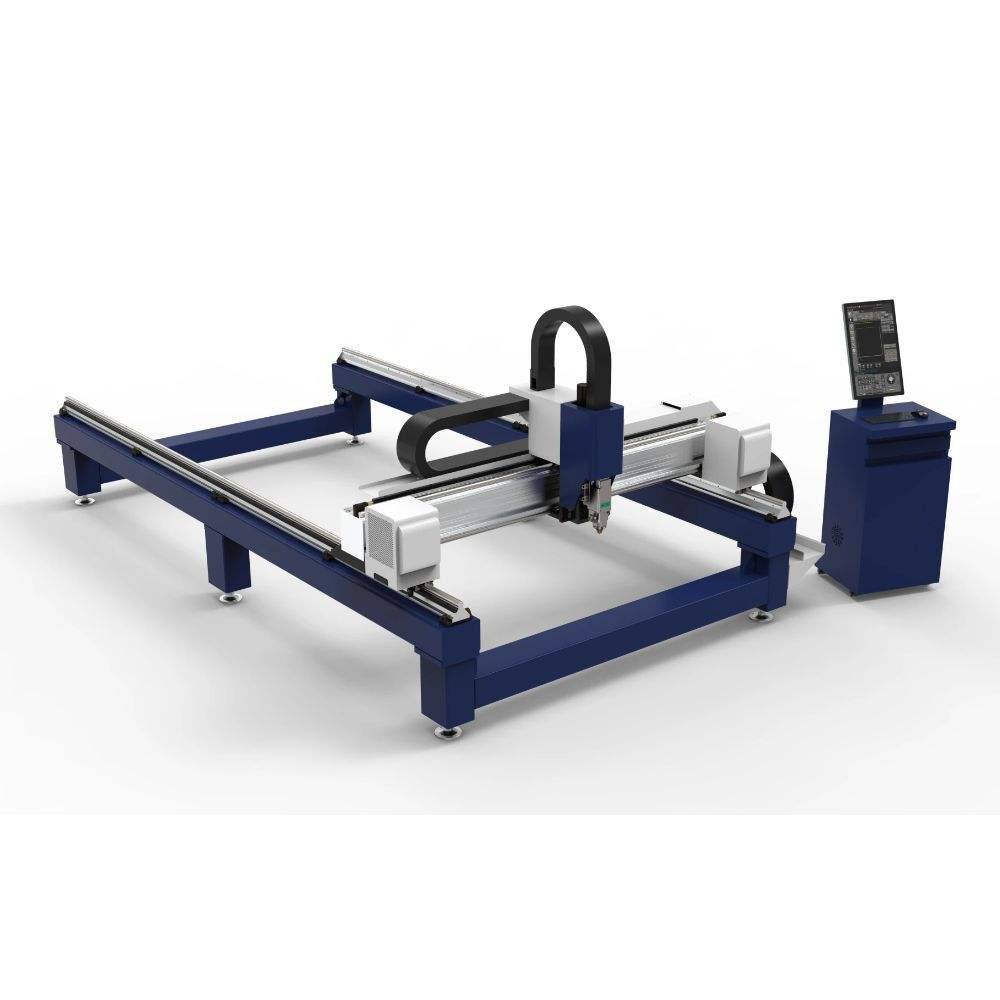
 laser cutting machine for Sheet Metal” style=”width: 100%; max-width: 800px; margin: 20px 0; display: block;”>
The Material Challenge: Cutting Brass
Brass, an alloy primarily composed of copper and zinc, is classified as a “highly reflective” material in the world of laser physics. For many years, CO2 lasers struggled with brass because the material would reflect the laser’s infrared wavelength back into the optics, causing catastrophic damage to the machine. However, the advent of fiber laser technology, which operates at a wavelength of approximately 1.06 microns, has revolutionized this process.
At 1.06 microns, the energy is absorbed much more efficiently by brass than the 10.6 microns of a CO2 laser. Despite this improvement, brass remains thermally conductive. Heat dissipates quickly across the sheet, which can lead to dross formation on the underside of the cut if the parameters are not perfectly tuned. A 2kW system provides sufficient power density to overcome the initial reflectivity and maintain a stable “keyhole” during the laser cutting process, ensuring a clean edge and minimal heat-affected zone (HAZ).
Engineering Specifications for 2kW Systems
A 2kW fiber laser system is not merely defined by its power output but by the integration of its components. To successfully process brass in an industrial environment like Guadalajara, the machine must feature a robust motion control system and a specialized cutting head.
Power Density and Beam Quality
The effectiveness of a 2kW laser is largely determined by its beam quality, often measured by the M2 factor. For brass, a high-quality beam with a small focal spot is essential. This concentrates the 2000 watts of energy into a microscopic area, creating enough intensity to vaporize the metal instantly. In sheet metal fabrication, this allows for cutting brass up to 5mm or 6mm in thickness with high precision. While 2kW can technically pierce thicker sections, the “sweet spot” for production-grade laser cutting of brass remains in the 1mm to 4mm range, where speed and edge quality are maximized.
Assist Gas Dynamics
The choice of assist gas is critical when working with brass. Typically, high-pressure nitrogen is used. Nitrogen acts as a mechanical force to blow the molten brass out of the kerf without allowing oxidation to occur. This results in a bright, clean edge that often requires no post-processing—a major advantage for Guadalajara’s decorative hardware manufacturers. Oxygen can be used for thicker sections, but it results in an oxidized, darker edge that may require cleaning if the part is intended for aesthetic use.
Strategic Implementation in Guadalajara’s Industry
Guadalajara’s economic profile is uniquely suited for the 2kW laser niche. The city’s history as a center for jewelry and metalcraft has evolved into a sophisticated industrial hub.
The Jewelry and Decorative Sector
In the jewelry district of Jalisco, brass is frequently used as a base metal for high-quality costume jewelry or as a component in luxury furniture. Traditional stamping methods involve high tooling costs and long lead times. Laser cutting allows these designers to move from a CAD drawing to a finished brass part in minutes. The 2kW laser’s ability to handle intricate geometries—such as filigree patterns or complex brand logos—without deforming the thin sheet metal is a significant technological leap for the local industry.
Electronics and Electrical Components
As a major hub for electronics manufacturing (home to companies like Flex, Jabil, and Foxconn), Guadalajara requires a steady supply of busbars, connectors, and shielding components. Brass is often the material of choice due to its electrical conductivity and corrosion resistance. A 2kW fiber laser provides the throughput necessary to meet the just-in-time (JIT) delivery requirements of these global electronics giants. The precision of the laser cutting process ensures that tolerances are kept within microns, which is vital for components that must fit into dense circuit assemblies.
Operational Best Practices for Brass
Operating a 2kW laser in a high-humidity or high-temperature environment like Guadalajara requires specific attention to machine maintenance and parameter settings to ensure longevity and consistency.
Managing Back-Reflection
Even with fiber technology, back-reflection remains a concern when laser cutting brass. Modern 2kW systems are equipped with “back-reflection isolators” or sensors that detect if the laser light is being bounced back into the delivery fiber. Engineers must ensure that the piercing process is optimized. Using a “ramped” pierce, where power increases gradually, or a “circular” pierce can prevent the initial flash of reflected light from damaging the sensitive laser diodes.
Maintenance and Cooling Requirements
The 2kW laser source generates significant heat, necessitating a high-performance industrial chiller. In Guadalajara, where ambient temperatures can rise significantly during the dry season, the chiller must be rated to maintain the laser source and the cutting head at a constant temperature (usually around 22-25°C). Furthermore, the optical path must be kept pristine. Even a single speck of dust on the protective window can absorb the 2kW beam, heat up, and crack the lens, leading to downtime.
Economic Impact and ROI
For a fabrication shop in Guadalajara, investing in a 2kW fiber laser for brass processing offers a compelling Return on Investment (ROI). Compared to waterjet cutting, laser cutting is significantly faster and does not require expensive abrasives or water treatment. Compared to CNC milling, the laser reduces material waste, as the kerf width is typically less than 0.2mm.
The ability to offer “laser-cut brass” services allows local shops to move up the value chain. Instead of competing on low-margin mild steel work, they can cater to specialized industries that require the aesthetic and functional properties of brass. With the current trend of “nearshoring,” where North American companies are moving production from Asia to Mexico, Guadalajara-based shops equipped with 2kW lasers are perfectly positioned to capture this high-spec demand.
Conclusion
The 2kW sheet metal laser represents a vital tool in the modern engineer’s arsenal, particularly when navigating the complexities of brass fabrication. In the vibrant industrial ecosystem of Guadalajara, this technology provides the precision, speed, and reliability needed to meet international standards. By understanding the physics of the laser cutting process, optimizing assist gas parameters, and maintaining rigorous safety protocols against back-reflection, manufacturers can unlock the full potential of brass, driving innovation across the jewelry, electronics, and automotive sectors in Jalisco.
As fiber laser technology continues to evolve, the 2kW threshold remains the most versatile entry point for high-quality non-ferrous metal processing. For the Guadalajara market, it is not just a machine; it is a gateway to advanced manufacturing excellence and a key driver of the region’s continued economic growth.
















