
Precision Engineering: The 2kW Sheet Metal laser cutting Guide for Aluminum Alloys in Monterrey
Monterrey, Nuevo León, has long been established as the industrial heart of Mexico. As global manufacturing trends shift toward “nearshoring,” the demand for high-precision metal fabrication has surged. Among the various technologies driving this industrial evolution, the 2kW fiber laser cutting system stands out as a versatile and efficient solution, particularly for the region’s robust automotive, aerospace, and appliance sectors. This guide explores the technical nuances of utilizing a 2kW fiber laser for aluminum alloy fabrication within the specific industrial context of Monterrey.
The transition from traditional CO2 lasers to fiber technology has revolutionized how non-ferrous metals are processed. Aluminum, known for its high thermal conductivity and reflectivity, was historically difficult to manage. However, the 1.06-micron wavelength of a fiber laser is absorbed much more efficiently by aluminum alloys, allowing for faster speeds and cleaner edges even at a moderate power level of 2000 watts (2kW).
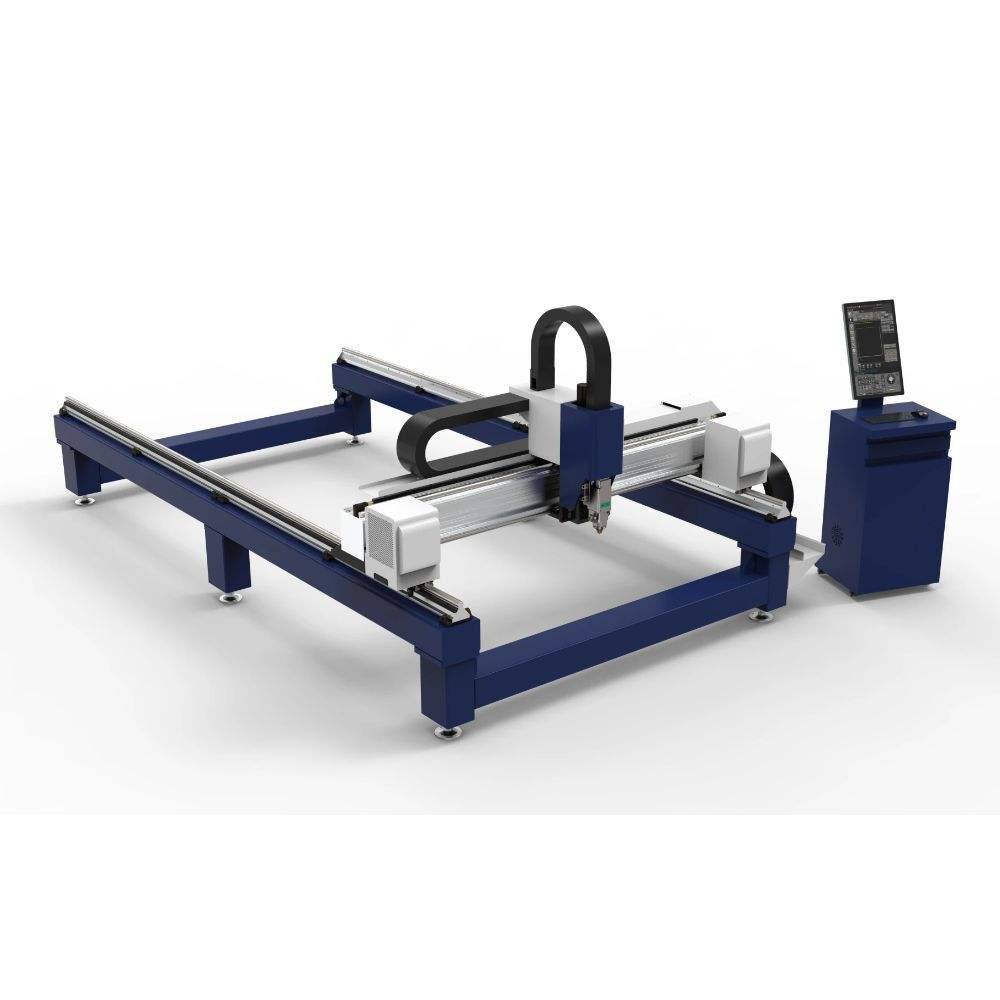
 laser cutting machine for Plate and Tube” style=”width: 100%; max-width: 800px; height: auto; margin: 20px 0;”>
The Technical Advantage of 2kW Power for Aluminum
In the hierarchy of laser power, 2kW is often considered the “sweet spot” for small to medium-sized fabrication shops in Monterrey. While higher wattage machines (6kW to 12kW) offer extreme speeds for thick plates, the 2kW system provides an optimal balance of capital investment and operational capability for sheet metal ranging from 0.5mm to 8mm in thickness.
When performing laser cutting on aluminum, the 2kW source delivers enough energy density to overcome the material’s initial reflectivity. Aluminum alloys like 5052 and 6061 are staples in the local manufacturing scene. The 5052 alloy, favored for its corrosion resistance in Monterrey’s diverse industrial environments, responds exceptionally well to the fiber laser’s beam profile, resulting in a narrow kerf and minimal dross. For the structural 6061 alloy, the 2kW laser ensures that the heat-affected zone (HAZ) remains localized, preserving the mechanical integrity of the component.
Material Specifics: Processing Aluminum Alloys
Aluminum presents unique challenges compared to carbon steel. Its high thermal conductivity means that heat dissipates rapidly away from the cut zone, which can lead to inconsistencies if the laser parameters are not finely tuned. In Monterrey’s high-production environments, consistency is paramount.
Reflectivity Management: One of the primary concerns with aluminum is “back-reflection.” If the laser beam is not absorbed, it can reflect back into the cutting head, potentially damaging the optical fiber or the laser source. Modern 2kW fiber lasers are equipped with back-reflection isolators and sensors that automatically shut down the beam if a dangerous reflection is detected. This safety feature is critical for maintaining uptime in 24/7 Monterrey factory operations.
Gas Selection: The choice of assist gas is a defining factor in the quality of the laser cutting process. For aluminum, high-pressure Nitrogen (N2) is the industry standard. Nitrogen acts as a mechanical force to eject molten material from the kerf while preventing oxidation. This results in a bright, weld-ready edge that requires no secondary finishing—a significant cost-saving measure for Monterrey-based exporters who must meet stringent international quality standards.
Optimizing Parameters for the Monterrey Climate
Environmental factors in Monterrey, such as high ambient temperatures during summer and varying humidity levels, can impact the performance of laser machinery. A 2kW fiber laser requires a stable chilling system to maintain the laser source and the cutting head at precise temperatures. Engineering teams must ensure that the dual-circuit water chiller is rated for the local climate to prevent condensation on the optics, which can lead to beam distortion and reduced cutting quality.
Operational Best Practices for 2kW Systems
To maximize the efficiency of laser cutting in aluminum alloys, operators should focus on three primary variables: focal position, nozzle selection, and feed rate.
1. Focal Position Management
Unlike cutting steel, where the focus is often at or above the surface, aluminum usually requires a “negative focus.” By positioning the focal point inside the material, the laser creates a wider kerf at the bottom, which facilitates the easy ejection of the viscous aluminum melt. For a 3mm aluminum sheet on a 2kW machine, a focal depth of -2.0mm to -3.0mm is often ideal.
2. Nozzle Geometry and Alignment
For aluminum, a double-layer nozzle or a high-flow conical nozzle is recommended. The alignment must be perfect; even a slight deviation can cause “burring” on one side of the cut. In the competitive Monterrey market, where parts are often destined for the US automotive supply chain, burr-free edges are a non-negotiable requirement.
3. Feed Rate Synchronization
Cutting too slowly leads to excessive heat buildup, causing the aluminum to melt rather than cut, resulting in “rounding” of sharp corners. Conversely, cutting too fast will result in an incomplete cut or heavy dross at the bottom. A 2kW laser typically processes 2mm aluminum at approximately 8 to 10 meters per minute, depending on the specific alloy and gas pressure.
The Economic Landscape of Laser Cutting in Monterrey
The investment in a 2kW fiber laser is a strategic move for Monterrey’s “Talleres” (workshops) looking to upgrade from plasma or waterjet cutting. The fiber laser offers a significantly lower cost-per-part due to its high speed and low maintenance requirements. There are no mirrors to align and no laser gas to refill, unlike older CO2 technology.
Furthermore, the integration of CNC software allows for advanced nesting. In an era where raw material prices for aluminum fluctuate globally, Monterrey fabricators can minimize waste by nesting complex shapes tightly together. The precision of the 2kW beam (often with a kerf width as small as 0.1mm) ensures that material utilization is maximized.
Maintenance and Longevity of the Fiber Source
For a 2kW machine to survive the rigors of an industrial park in Santa Catarina or Apodaca, a strict maintenance schedule is essential. The primary enemy of laser cutting optics is dust. Given the industrial nature of Monterrey, high-quality air filtration for the electrical cabinets and a pressurized cutting head are necessary to keep the protective windows clean.
The fiber source itself is a solid-state component with a lifespan often exceeding 100,000 hours. However, the external optics—the protective lens and the focus lens—are consumables. Operators should be trained to inspect these components daily. A tiny speck of dust on a lens under 2kW of power can cause a “thermal lens” effect, where the lens deforms slightly, shifting the focus and ruining the cut quality.
Conclusion: The Future of Fabrication in Nuevo León
As Monterrey continues to grow as a global manufacturing hub, the adoption of 2kW fiber laser cutting technology represents a critical step for local companies. The ability to process aluminum alloys with high precision, speed, and repeatability allows Mexican fabricators to compete on a global scale. By mastering the technical parameters of gas pressure, focal positioning, and material handling, engineers in Monterrey can ensure their operations remain at the forefront of the “Industry 4.0” revolution.
Whether producing lightweight components for electric vehicles or intricate panels for architectural projects, the 2kW sheet metal laser remains the workhorse of the modern aluminum fabrication industry. Its reliability, coupled with the skilled labor force of Nuevo León, ensures that Monterrey will remain a powerhouse of metal transformation for decades to come.
















