Introduction to 2kW Laser Systems in Toluca’s Industrial Sector
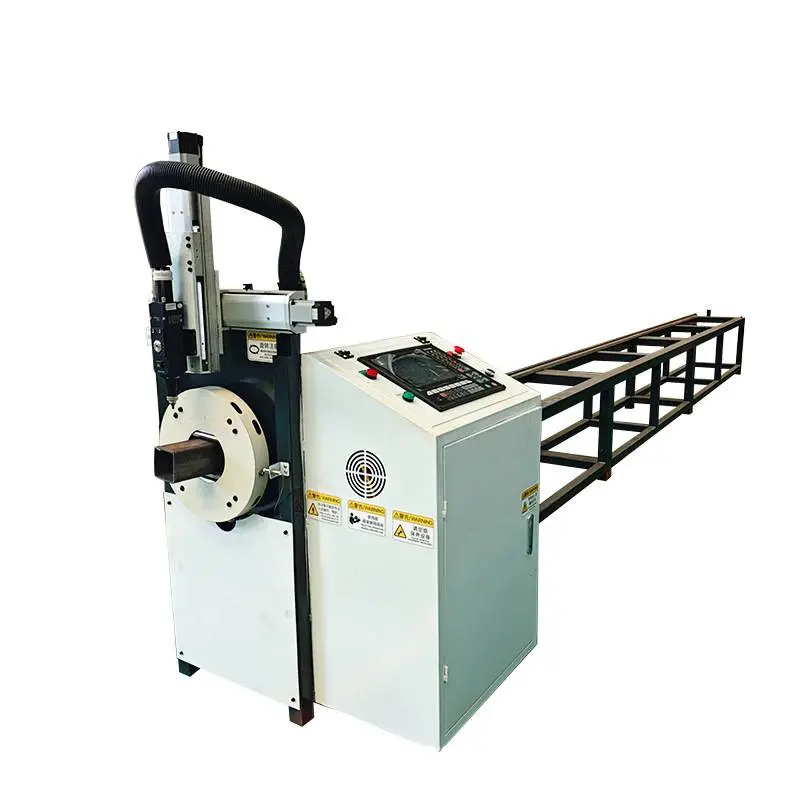
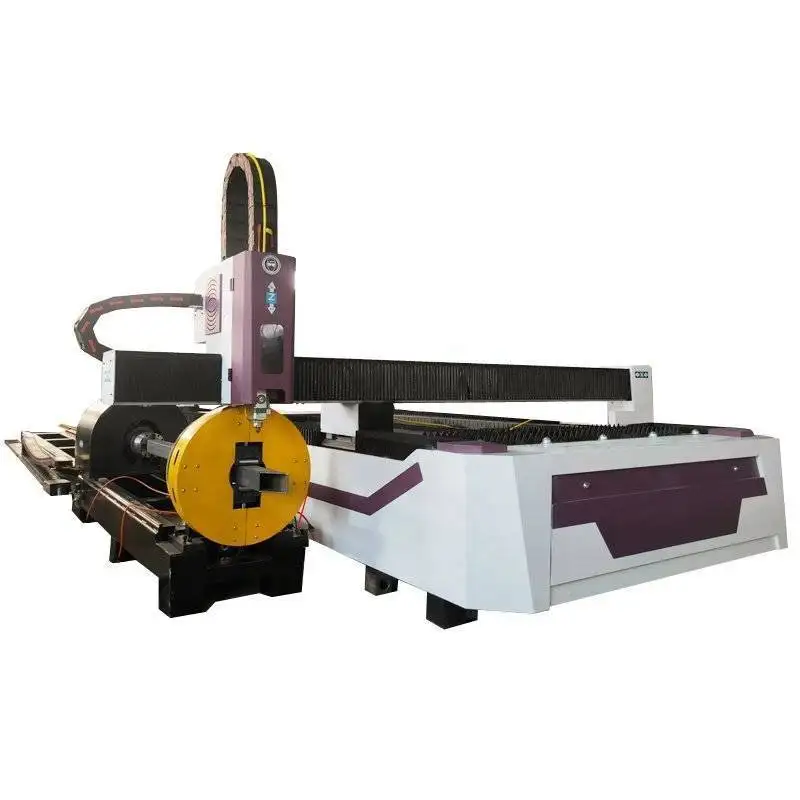
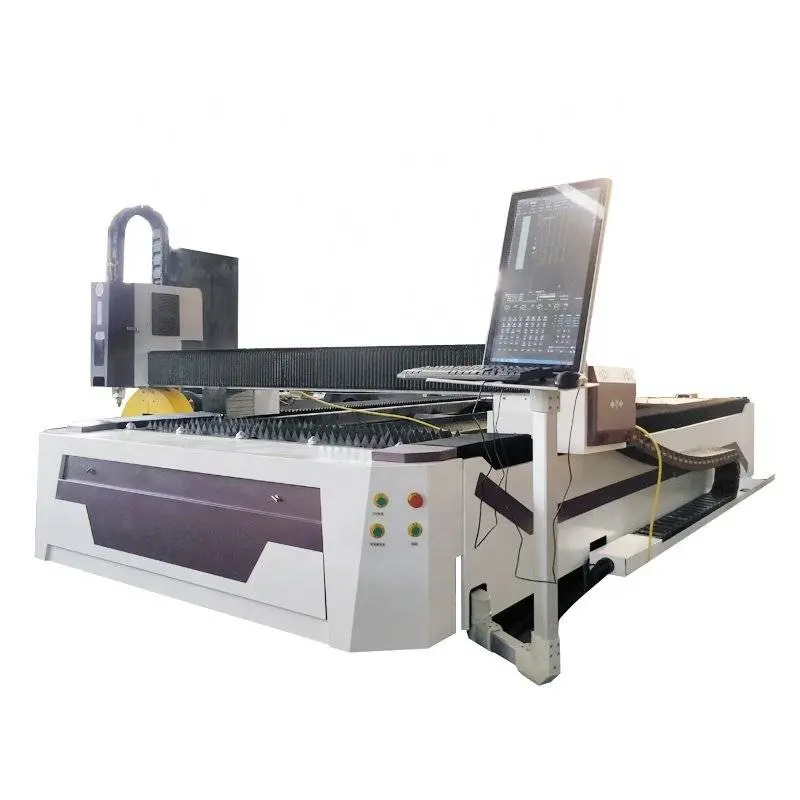
The industrial corridor of Toluca, State of Mexico, stands as one of the most significant manufacturing hubs in North America. As the region continues to evolve from traditional fabrication methods to advanced automation, the integration of the 2kW precision laser system has become a cornerstone for local enterprises. This specific power rating—2,000 watts—represents a critical “sweet spot” in fiber laser technology, offering a balance between capital investment and high-performance output for thin to medium-gauge materials. In the context of Toluca’s heavy presence in the automotive and appliance sectors, the ability to process galvanized steel with high repeatability is not just an advantage; it is a necessity for maintaining competitive margins and meeting international quality standards.
The Strategic Importance of Toluca
Toluca’s geographic and economic position makes it a prime candidate for high-precision laser cutting technology. With its proximity to major automotive OEMs and a robust network of Tier 1 and Tier 2 suppliers, the demand for components made from galvanized steel is constant. Galvanized steel is favored for its corrosion resistance, but it presents unique challenges during thermal processing. A 2kW system provides the necessary power density to overcome the reflective properties of the zinc coating while maintaining the speed required for high-volume production runs characteristic of the Lerma and Toluca industrial parks.
Technical Overview of the 2kW Fiber Laser
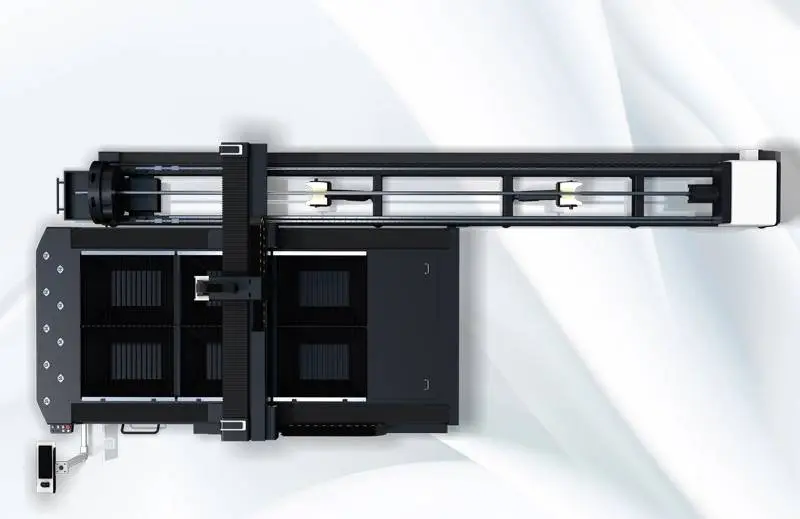
At the heart of the 2kW precision system is the fiber laser source. Unlike traditional CO2 lasers, fiber lasers utilize a solid-state gain medium, typically an optical fiber doped with rare-earth elements like ytterbium. This configuration allows for a wavelength of approximately 1.06 microns, which is significantly more readily absorbed by metals compared to the 10.6 microns of CO2 lasers. This increased absorption rate is what enables a 2kW fiber laser to outperform much higher-powered CO2 systems in terms of cutting speed and edge quality on galvanized substrates.
Beam Quality and Power Density
Precision in laser cutting is largely defined by the Beam Parameter Product (BPP). A 2kW system is engineered to maintain a low BPP, resulting in a small, concentrated focal spot. This high power density allows the laser to vaporize the metal almost instantaneously. When working with galvanized steel, this speed is crucial because it minimizes the time the zinc coating has to melt and interfere with the molten iron pool, thereby reducing the likelihood of weld-contaminating residues or unsightly edge burrs. The precision of the 2kW system ensures that the kerf width remains narrow, allowing for complex geometries and tight nesting of parts to maximize material utilization.
Challenges of Laser Cutting Galvanized Steel
Processing galvanized steel is notoriously difficult for standard thermal cutting methods. The primary issue lies in the difference between the melting and vaporization temperatures of the zinc coating versus the base steel. Zinc vaporizes at approximately 907°C, while steel melts at around 1,538°C. This disparity means that as the laser heats the material, the zinc coating begins to boil and vaporize before the steel even reaches its melting point. This can lead to “micro-explosions” of zinc vapor that can destabilize the cutting process and splash onto the laser optics.
The Role of the Zinc Coating
The zinc layer acts as a reflective barrier. In the early days of laser technology, this reflection could be catastrophic, potentially traveling back up the beam path and damaging the laser source. Modern 2kW systems are equipped with back-reflection protection, allowing them to handle highly reflective materials safely. Furthermore, the vaporized zinc can interfere with the assist gas flow. If not managed correctly, this vapor can become trapped in the cut, leading to porosity or “dross” (hardened slag) on the underside of the workpiece. Precision systems address this through sophisticated nozzle designs and high-pressure gas delivery.
Managing Dross and Burrs
To achieve a “burr-free” finish on galvanized steel, the 2kW laser must be tuned to specific frequency and pulse settings. In Toluca’s manufacturing environment, where parts often move directly from the cutting table to assembly or painting, eliminating secondary finishing processes like grinding is a major cost-saver. By optimizing the feed rate and the focal position, operators can ensure that the molten material is cleanly ejected from the kerf before it has a chance to bond with the zinc-rich slag at the bottom of the cut.
Optimizing Parameters for Precision Results
For a 2kW system operating in the Toluca region, parameter optimization must account for both material thickness and local environmental conditions. Galvanized steel typically ranges from 0.5mm to 4.0mm in these applications. Within this range, the 2kW laser excels, providing speeds that can exceed 20 meters per minute on thinner gauges.
Assist Gas Selection: Nitrogen vs. Oxygen
The choice of assist gas is the most critical factor in laser cutting galvanized steel. Nitrogen is generally the preferred choice for precision work. Because it is an inert gas, it does not react with the metal; instead, it uses high pressure to mechanically blow the molten metal out of the cut. This results in a clean, oxide-free edge that is ready for welding or painting. Oxygen, while sometimes used to increase cutting speeds on thicker carbon steels, is often avoided with galvanized material because it can cause an exothermic reaction that exacerbates the boiling of the zinc, leading to a poorer edge quality.
Nozzle Configuration and Standoff Distance
The nozzle is the final point of contact for the assist gas before it enters the cut. For 2kW systems, a double-nozzle configuration is often employed when cutting galvanized steel. This helps to stabilize the gas flow and shield the laser optics from the zinc vapors. The standoff distance—the gap between the nozzle and the workpiece—must be kept extremely consistent, usually within a range of 0.5mm to 1.0mm. Precision height sensors are used to maintain this distance even if the galvanized sheet has slight warping, which is common in thin-gauge materials.
Environmental Considerations at High Altitude
Toluca sits at an elevation of approximately 2,660 meters (8,730 feet) above sea level. This high-altitude environment introduces unique variables for laser cutting operations. The lower atmospheric pressure affects the density of the air and the behavior of the assist gases. Engineers must calibrate the gas delivery systems to compensate for these changes to ensure that the pressure at the nozzle remains consistent with sea-level specifications.
Atmospheric Pressure and Cooling Efficiency
The thinner air in Toluca also impacts the cooling efficiency of the laser system’s chiller. 2kW fiber lasers are highly efficient, but they still generate heat that must be dissipated. At high altitudes, air-cooled components may not perform as effectively as they would at sea level. It is essential for facilities in Toluca to utilize high-capacity, closed-loop water chillers and to maintain a climate-controlled environment for the laser resonator and the cutting head to prevent thermal drift, which can compromise the precision of the cut over long production shifts.
Maintenance Protocols for 2kW Systems
To maintain the precision required for galvanized steel fabrication, a rigorous maintenance schedule is mandatory. The presence of zinc vapor makes the environment particularly harsh for optical components. Even with high-pressure assist gas, microscopic particles can eventually find their way toward the protective window of the cutting head.
Optical Protection and Cleanliness
The protective window is a sacrificial optical element that shields the focus lens from splatter and dust. In a 2kW system, even a tiny speck of dust can absorb enough laser energy to crack the window or cause “thermal lensing,” where the beam deforms and loses focus. Operators in Toluca are trained to inspect and clean these optics in “clean-room” conditions. Furthermore, the fume extraction system must be high-powered and well-maintained. Vaporized zinc is not only a process contaminant but also a health hazard; therefore, specialized filtration is required to capture these fine metallic particles before they circulate in the shop floor air.
Conclusion: The Future of Precision Fabrication in State of Mexico
The adoption of 2kW precision laser systems for cutting galvanized steel represents a significant technological leap for the Toluca industrial sector. By mastering the complexities of zinc vaporization, assist gas dynamics, and high-altitude operational adjustments, local manufacturers are positioning themselves at the forefront of the global supply chain. This technology does more than just cut metal; it provides the consistency, speed, and quality necessary to drive innovation in the next generation of automotive and industrial products. As fiber laser technology continues to advance, the 2kW system remains a foundational tool for precision engineering in one of Mexico’s most vital manufacturing heartlands.