
Optimizing Industrial Production: The 2kW Precision Laser System for Galvanized Steel in Puebla
The industrial landscape of Puebla, Mexico, has undergone a radical transformation over the last decade. As a primary hub for the automotive and construction sectors—anchored by global giants like Volkswagen and Audi—the demand for high-precision metal fabrication has never been higher. Among the various technologies driving this evolution, the 2kW precision laser system stands out as a cornerstone for local manufacturers. Specifically, when dealing with galvanized steel, a material prized for its corrosion resistance but notorious for its difficulty in processing, the 2kW fiber laser offers a balance of power, accuracy, and cost-efficiency that is unmatched by traditional methods.
In the context of laser cutting, galvanized steel presents unique metallurgical challenges. The protective zinc coating, which prevents oxidation, has a significantly lower melting point than the underlying carbon steel. This discrepancy can lead to “zinc-pop” or excessive dross if the laser parameters are not meticulously calibrated. This guide explores the technical intricacies of utilizing a 2kW system to master galvanized steel fabrication within the specific industrial environment of Puebla.
 laser cutting machine“>
The Technical Architecture of a 2kW Fiber Laser System
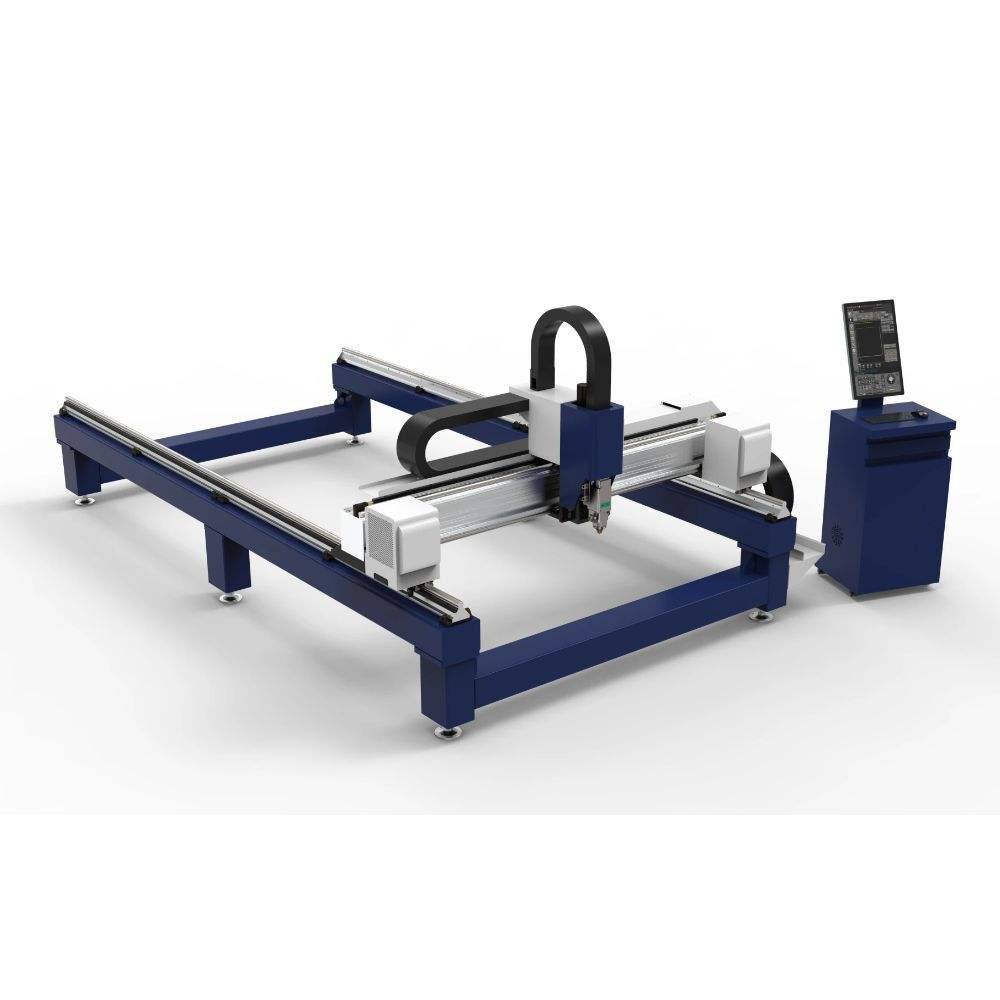
A 2kW fiber laser system is engineered to deliver a concentrated beam of light through a transport fiber to the cutting head. At this power level, the system is optimized for thin to medium-gauge materials, typically ranging from 0.5mm to 8mm for carbon steels and up to 5mm for galvanized variants. The “precision” aspect of these systems refers to the beam quality (M² factor), which allows for a smaller focal spot size. This results in a higher power density, enabling faster cutting speeds and a narrower kerf width.
For shops in Puebla’s industrial parks, such as those in Cuautlancingo or the Chachapa area, the 2kW system represents the ideal “workhorse.” It provides enough energy to penetrate the reflective zinc layer of galvanized steel without the massive electrical overhead of 6kW or 10kW systems. The integration of CNC (Computer Numerical Control) allows for complex geometries required in automotive brackets, HVAC ducting, and structural components used in the region’s booming residential developments.
The Mechanics of Laser Cutting Galvanized Steel
When laser cutting galvanized steel, the primary obstacle is the vaporization of the zinc layer. Zinc vaporizes at approximately 907°C, while steel melts at around 1,370°C. As the laser heats the material, the zinc coating often vaporizes before the steel melts, creating a high-pressure gas that can interfere with the stability of the laser beam and the flow of the assist gas. This often results in “dross”—re-solidified metal clinging to the bottom of the cut—and potential damage to the laser optics if back-reflections are not managed.
The 2kW system addresses this through high-speed modulation and precise focal point adjustment. By slightly defocusing the beam or using specific nozzle geometries, operators can create a wider kerf that allows the zinc vapor to escape more freely. In Puebla’s high-altitude environment (approximately 2,135 meters above sea level), atmospheric pressure is lower, which can subtly affect gas dynamics. Engineers must compensate by increasing the assist gas pressure to ensure a clean evacuation of the molten pool.
Assist Gas Selection: Nitrogen vs. Oxygen
The choice of assist gas is critical when processing galvanized steel in a 2kW system. Traditionally, oxygen was used to facilitate an exothermic reaction, increasing cutting speed. However, oxygen reacts with the zinc to produce a heavy oxide layer, which can be aesthetically unpleasing and difficult to paint or weld later. For the high-quality standards required by Puebla’s automotive tier-1 and tier-2 suppliers, nitrogen is the preferred choice.
Nitrogen laser cutting acts as a shielding gas. It uses pure mechanical force to blow the molten metal out of the kerf, preventing oxidation. This results in a “silver” or clean edge that is ready for subsequent assembly without secondary cleaning processes. While nitrogen requires higher pressures—often exceeding 15-20 bar—the 2kW system is robust enough to handle these pressures, providing a finish that meets the rigorous ISO standards prevalent in the local industry.
Precision Standards in the Puebla Automotive Supply Chain
Puebla’s economy is deeply intertwined with the automotive sector. Components such as seat frames, chassis reinforcements, and internal brackets are frequently made from galvanized steel to ensure longevity. The 2kW laser provides the dimensional tolerance necessary—often within +/- 0.05mm—to ensure these parts fit perfectly within automated assembly lines.
The precision of the 2kW system also minimizes the Heat Affected Zone (HAZ). Excessive heat can strip the zinc coating away from the cut edge for several millimeters, leaving the steel vulnerable to rust. By utilizing the high power density of a 2kW fiber source, the cutting speed is fast enough that the heat does not have time to dissipate laterally, preserving the integrity of the galvanized protection as close to the edge as possible. This is a vital requirement for parts that will be exposed to the humidity and varied climate of the Central Mexican Highlands.
Maintenance and Optical Integrity in Zinc Processing
Operating a 2kW laser in an environment where galvanized steel is the primary substrate requires a strict maintenance regimen. The vaporization of zinc creates a fine, white powder (zinc oxide) that can coat the internal components of the machine. If this dust settles on the protective window of the laser head, it can absorb laser energy, leading to thermal distortion or “lens burn.”
Operators in Puebla are encouraged to implement high-efficiency dust extraction systems. Given the local environmental regulations in the state of Puebla (enforced by SMADSOT), capturing these fumes is not just a maintenance requirement but a legal one. Regular cleaning of the optics with high-purity isopropyl alcohol and ensuring the integrity of the bellows and pressurized cabinets will extend the life of the 2kW system significantly, ensuring consistent laser cutting performance over years of multi-shift operation.
Economic Impact and ROI for Local Manufacturers
For a medium-sized workshop in Puebla, the transition from plasma cutting or mechanical shearing to a 2kW precision laser system represents a significant capital investment, but one with a rapid Return on Investment (ROI). The reduction in scrap material alone, facilitated by the narrow kerf and advanced nesting software, can save 10-15% in material costs annually. Furthermore, the speed of laser cutting galvanized steel with a 2kW fiber laser is roughly 3 to 4 times faster than CO2 lasers of equivalent power, with significantly lower electricity consumption.
In a competitive market like Puebla, where lead times can make or break a contract with an OEM (Original Equipment Manufacturer), the reliability of the 2kW system is its greatest asset. The solid-state nature of fiber technology means there are no mirrors to align or gas tubes to refill, resulting in higher “up-time.” When combined with the local availability of technical support and spare parts in the Puebla-Tlaxcala corridor, the 2kW laser becomes the most viable solution for sustainable growth.
Future-Proofing Fabrication with Fiber Technology
As industry 4.0 takes hold in Mexico, the 2kW laser systems being deployed in Puebla are increasingly integrated with IoT sensors and cloud-based monitoring. This allows shop managers to track gas consumption, cutting hours, and maintenance needs in real-time. For galvanized steel processing, this data is invaluable for fine-tuning parameters to account for variations in coating thickness between different batches of steel.
The 2kW precision laser system is more than just a tool; it is a catalyst for industrial sophistication. By mastering the nuances of laser cutting galvanized steel—managing the zinc vapors, optimizing assist gases, and maintaining optical purity—manufacturers in Puebla are positioning themselves at the forefront of the global supply chain. The precision, speed, and reliability of these systems ensure that “Made in Puebla” remains a hallmark of engineering excellence in the years to come.
Conclusion
The marriage of 2kW fiber laser technology and galvanized steel fabrication is a cornerstone of Puebla’s modern industrial identity. While the material presents challenges, the precision of the laser system provides the solutions. Through careful parameter management and a commitment to maintenance, local fabricators can produce world-class components that drive the automotive, construction, and appliance industries forward. As the technology continues to evolve, the 2kW system will remain the benchmark for efficiency and quality in the heart of Mexico’s manufacturing belt.
















