
Optimizing 2kW Precision Laser Systems for Galvanized Steel in Monterrey’s Industrial Sector
Monterrey, often referred to as the industrial capital of Mexico, has seen a massive surge in advanced manufacturing. As the automotive, HVAC, and construction industries continue to expand in Nuevo León, the demand for high-precision metal fabrication has never been higher. Among the various technologies driving this growth, the 2kW fiber laser system stands out as a versatile and efficient solution. Specifically, when dealing with galvanized steel—a material ubiquitous in Monterrey’s fabrication shops—precision and parameter control are paramount. This guide explores the technical nuances of utilizing a 2kW system for laser cutting galvanized sheets, ensuring maximum throughput and edge quality.
The Technical Advantage of 2kW Fiber Laser Power
In the hierarchy of fiber laser power levels, 2kW is frequently considered the “sweet spot” for light to medium-gauge fabrication. While higher wattage systems exist for heavy plate processing, a 2kW precision system offers a refined balance between capital investment and operational capability. For galvanized steel, which typically ranges from 0.5mm to 4.0mm in most industrial applications in Monterrey, 2kW provides sufficient power density to maintain high feed rates without the excessive heat-affected zone (HAZ) often seen in lower-powered units.
The fiber laser source produces a beam with a wavelength of approximately 1.06 microns. This wavelength is highly absorbed by metallic materials, allowing for a concentrated energy spot. When applied to laser cutting, this results in a narrower kerf width and the ability to execute intricate geometries that traditional mechanical shearing or plasma cutting cannot achieve. For Monterrey’s aerospace and electronics suppliers, this level of precision is non-negotiable.
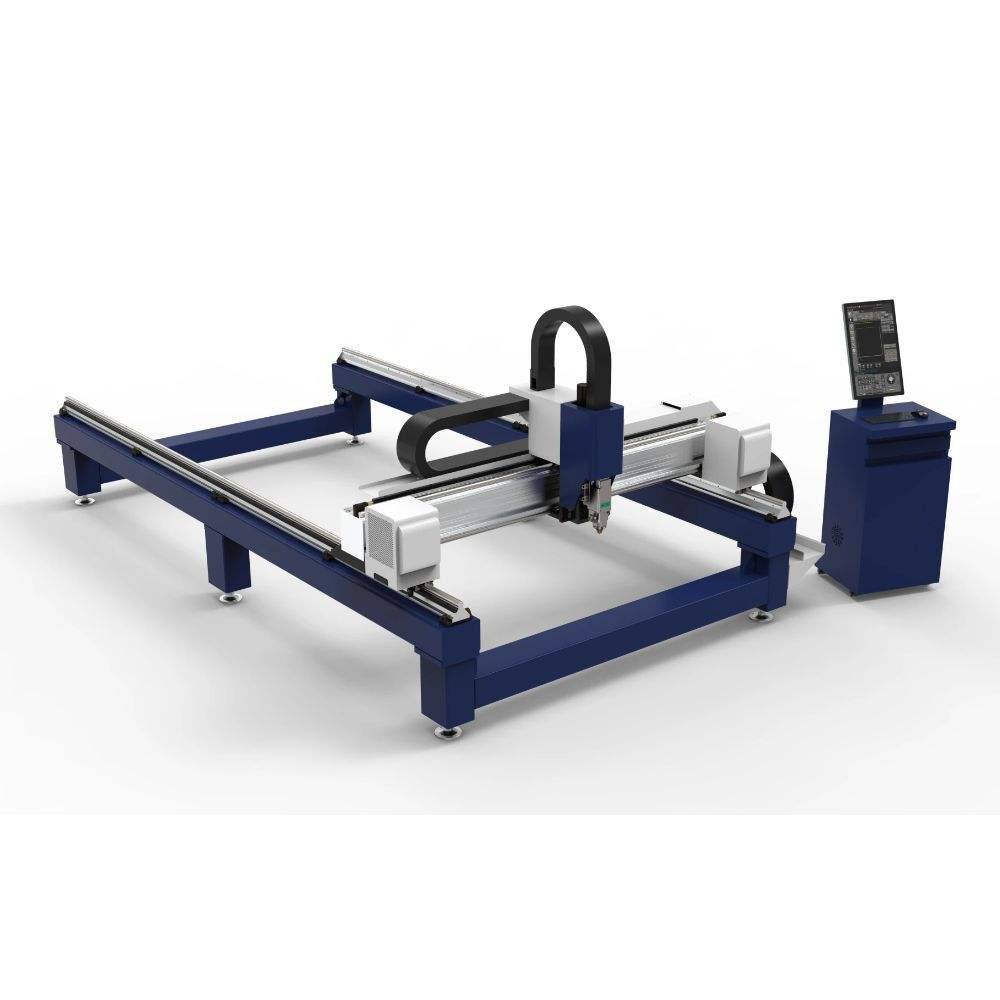
 laser cutting machine“>
Challenges Specific to Galvanized Steel
Galvanized steel presents unique challenges compared to standard carbon steel or stainless steel. The material consists of a steel core coated with a layer of zinc to prevent corrosion. However, zinc has a much lower melting point (approx. 419°C) and boiling point (approx. 907°C) than the underlying steel (approx. 1500°C). During the laser cutting process, the zinc coating tends to vaporize before the steel melts.
This vaporization can create high-pressure gas pockets that interfere with the stability of the laser beam and the assist gas flow. If not managed correctly, this leads to “spatter” or “dross” on the underside of the cut, as well as potential damage to the laser optics due to back-reflection. In Monterrey’s high-volume production environments, these defects can lead to significant secondary processing costs, such as manual deburring or grinding, which undermines the efficiency of the laser system.
Optimizing Assist Gas Strategies
The choice of assist gas is critical when laser cutting galvanized steel with a 2kW system. There are three primary options used in the Monterrey industrial corridor: Oxygen, Nitrogen, and High-Pressure Compressed Air.
- Oxygen (O2): Historically used for carbon steel, oxygen reacts exothermically with the metal, adding heat to the process. While this allows for faster speeds on thicker plates, it often results in an oxidized edge and can exacerbate the vaporization of the zinc coating, leading to a charred appearance.
- Nitrogen (N2): For precision applications, Nitrogen is the preferred choice. It acts as a cooling agent and flushes the molten material out of the kerf without an exothermic reaction. This results in a clean, “shiny” edge that is ready for welding or painting. When using a 2kW system, Nitrogen requires higher pressures (typically 12-18 bar) to ensure the zinc vapor does not contaminate the cut path.
- Compressed Air: As a cost-effective alternative, many Monterrey shops are moving toward high-pressure dry air. It contains enough nitrogen to maintain a decent edge quality while being significantly cheaper than bottled gas. For 2kW systems cutting galvanized sheets up to 3mm, compressed air offers an excellent balance of speed and economy.
Monterrey’s Environmental Impact on Laser Performance
Operating a precision 2kW laser in Monterrey requires consideration of the local climate. The region experiences extreme temperature fluctuations and periods of high humidity. For a fiber laser, the chiller system is the heart of operational stability. The 2kW resonator and the cutting head must be maintained at constant temperatures to prevent thermal expansion of the internal optics, which can shift the focal point.
Furthermore, dust management is a significant factor in Monterrey’s industrial zones like Santa Catarina or Apodaca. Fine particulate matter can settle on the protective windows of the laser cutting head. Even a microscopic speck of dust can absorb laser energy, heat up, and shatter the lens. Implementing a pressurized, filtered air system for the optical cabin is essential for maintaining the “precision” aspect of the 2kW system.
Parameter Tuning for 2kW Systems
Achieving a perfect cut in galvanized steel requires meticulous tuning of the following parameters:
1. Focal Position
Unlike standard steel where the focus is often on the surface, laser cutting galvanized steel usually requires a slightly negative focus (inside the material). This helps in spreading the energy to vaporize the zinc more cleanly and ensures the melt pool is wide enough for the assist gas to clear the dross.
2. Nozzle Selection
A double-layer nozzle is often recommended for galvanized materials. This design helps in stabilizing the gas flow and protecting the lens from the volatile zinc vapors. For a 2kW system, nozzle diameters between 1.5mm and 2.5mm are standard, depending on the material thickness.
3. Frequency and Duty Cycle
When cutting intricate details or sharp corners in Monterrey’s automotive components, pulsing the laser (adjusting frequency) can prevent overheating of the material. By reducing the duty cycle in corners, the 2kW system prevents the “rounding” of sharp edges that occurs when the heat accumulates in a small area.
Maintenance Protocols for Precision Longevity
To maintain the precision of a 2kW system, a rigorous maintenance schedule must be followed. In the context of Monterrey’s 24/7 manufacturing cycles, downtime is costly. Maintenance should focus on three areas:
Optical Path Integrity: Daily inspection of the protective window is mandatory. Any sign of pitting or “burn spots” from zinc spatter requires immediate replacement. Using high-quality consumables ensures the beam profile remains Gaussian, which is vital for consistent laser cutting.
Motion System Calibration: The gantry and drive systems (usually linear motors or rack-and-pinion in precision systems) must be lubricated and checked for backlash. Monterrey’s industrial dust can act as an abrasive if it enters the guide rails, leading to micro-vibrations that manifest as “striations” on the cut edge.
Fume Extraction: Cutting galvanized steel produces zinc oxide fumes, which are toxic and can coat the machine’s internal components. A high-efficiency particulate air (HEPA) filtration system is not just a safety requirement; it is a machine preservation strategy. Ensuring the extraction bed has high CFM (cubic feet per minute) ratings will keep the workspace clean and the laser beam unobstructed.
Economic Impact and ROI in Monterrey
The investment in a 2kW precision laser system is often justified by the reduction in “cost per part.” In Monterrey’s competitive market, the ability to offer laser cutting services for galvanized steel with zero secondary processing is a major differentiator. While a 12kW or 20kW machine might cut faster, the 2kW system has lower power consumption, cheaper consumable costs, and lower maintenance requirements.
For a typical HVAC ductwork manufacturer in Monterrey, switching from mechanical punching to a 2kW fiber laser can increase material utilization by 15% through tighter nesting. Furthermore, the precision of the fiber laser allows for “tab and slot” assembly designs, which reduces the need for complex welding fixtures and speeds up the final assembly line.
Conclusion: The Future of Fabrication in Nuevo León
The 2kW precision laser system represents the backbone of modern fabrication for galvanized steel in Monterrey. By understanding the interaction between the fiber laser beam and the zinc coating, and by adapting to the local environmental conditions, manufacturers can achieve world-class results. As Monterrey continues to attract global investment, those who master the technical nuances of laser cutting will be best positioned to lead the market. Precision, after all, is not just about the machine—it is about the synergy between technology, environment, and expert operation.
















