
Optimizing 2kW Precision Laser Systems for Carbon Steel in Mexico City
The industrial landscape of Mexico City (CDMX) and its surrounding metropolitan areas, such as Naucalpan and Tlalnepantla, has undergone a significant technological transformation. At the center of this evolution is the implementation of fiber laser technology. Specifically, the 2kW precision laser system has emerged as the industry standard for small to medium-sized enterprises (SMEs) specializing in metal fabrication. This power level provides an ideal balance between capital investment and operational capability, particularly when processing carbon steel—the backbone of Mexico’s construction and automotive sectors.
Operating high-precision machinery at the altitude of Mexico City (approximately 2,240 meters above sea level) presents unique engineering challenges. From atmospheric pressure variations affecting gas dynamics to the specific thermal properties of carbon steel, achieving peak performance requires a deep understanding of both the equipment and the environment. This guide explores the technical nuances of utilizing a 2kW laser system for carbon steel applications in the high-altitude industrial hubs of Mexico.
The Technical Advantage of 2kW Fiber Laser Sources
A 2kW fiber laser system is engineered to deliver a highly concentrated beam of light with a wavelength of approximately 1.06 microns. This wavelength is exceptionally well-absorbed by carbon steel, allowing for high-speed processing with minimal energy waste. Unlike CO2 lasers, fiber systems use a solid-state gain medium, which eliminates the need for internal mirrors and complex gas mixtures within the resonator.
For precision laser cutting, the 2kW threshold is a “sweet spot.” It offers enough power to pierce 16mm carbon steel while maintaining a small enough spot size to execute intricate geometries in thinner gauges (1mm to 6mm). The beam quality, often measured by the M2 factor, is superior in these systems, ensuring that the kerf width remains narrow and the heat-affected zone (HAZ) is kept to a minimum. This is critical for parts that require subsequent welding or high-tolerance assembly.

Carbon Steel Processing: Metallurgy and Laser Interaction
Carbon steel, primarily composed of iron and carbon, is the most common material processed by laser cutting systems in Mexico. Its high absorption rate of fiber laser wavelengths makes it highly efficient to cut, but the process is heavily dependent on the exothermic reaction between the metal and the assist gas.
When cutting carbon steel with a 2kW system, Oxygen (O2) is typically used as the assist gas. The oxygen reacts with the molten metal, creating additional thermal energy that aids the cutting process. This allows for faster speeds on thicker plates compared to using inert gases. However, this reaction must be carefully controlled. Excessive heat can lead to “self-burning” at sharp corners, where the material continues to melt beyond the intended path. Advanced CNC controllers in modern 2kW systems utilize “power ramping” to automatically reduce laser output and gas pressure when navigating tight radii, ensuring consistent edge quality across the entire workpiece.
The Impact of Mexico City’s Altitude on Laser Operations
One of the most overlooked factors in industrial laser cutting is the geographic location of the facility. Mexico City’s high altitude results in lower atmospheric pressure and lower air density. This environmental reality affects the 2kW laser system in three primary areas: cooling efficiency, assist gas dynamics, and electrical component longevity.
1. Cooling System Efficiency: Laser chillers rely on heat exchangers to dissipate thermal energy from the laser source and the cutting head. At 2,240 meters, the air is thinner, which reduces the efficiency of air-cooled chillers. Engineers in CDMX must often specify “oversized” cooling units or ensure high-volume airflow within the facility to prevent thermal instability. A 2kW system operating at 100% duty cycle in a poorly ventilated shop in Iztapalapa will reach its thermal limit much faster than the same system at sea level.
2. Gas Density and Flow: The lower ambient pressure affects how the assist gas (Oxygen or Nitrogen) exits the nozzle. To achieve the same mass flow rate required for a clean cut at sea level, operators in Mexico City may need to slightly increase their gas pressure settings. This compensates for the reduced density, ensuring that the molten slag is effectively “blown” out of the kerf to prevent dross formation on the bottom of the carbon steel plate.
3. Electrical Insulation: Lower air density also reduces the dielectric strength of air. While less of a concern for the fiber source itself, high-voltage components within the power supply must be rated for high-altitude use to prevent arcing. Standard 2kW systems destined for the Mexican market should ideally be verified for these environmental conditions.
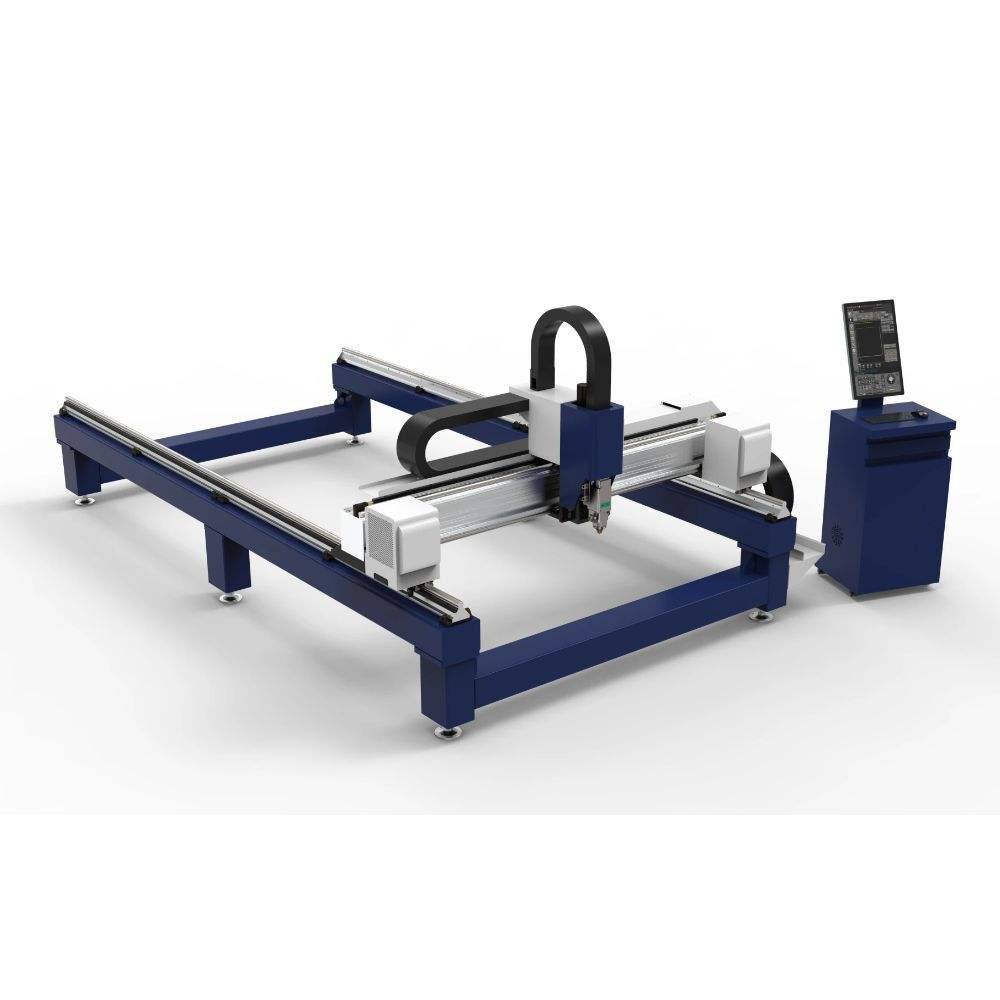
Optimizing Cutting Parameters for Carbon Steel
To achieve precision results with a 2kW system on carbon steel, operators must master the relationship between focal position, nozzle diameter, and cutting speed. For carbon steel, the focal point is usually set at or slightly above the material surface when using Oxygen. This facilitates a wider kerf that allows the assist gas to penetrate deeper into the cut.
In Mexico’s competitive manufacturing sector, throughput is key. For 3mm carbon steel, a 2kW laser can achieve cutting speeds exceeding 4.5 meters per minute with exceptional edge smoothness. As the thickness increases to 12mm, the speed drops significantly, and the focus shifts toward maintaining a stable “burning” process. The use of high-quality nozzles—specifically double-layer nozzles for Oxygen cutting—is essential to maintain a laminar flow of gas, which prevents turbulence and ensures a square cut edge.
Maintenance and Longevity in the Mexican Industrial Environment
The air quality in industrial zones of Mexico City can be challenging due to high levels of particulate matter and humidity fluctuations. For a 2kW precision laser system, the integrity of the optical path is paramount. Even though fiber lasers have a “sealed” beam path, the external protective window (cover glass) in the cutting head is exposed to the environment.
Fabricators must implement a strict maintenance protocol. This includes daily inspections of the cover glass and ensuring the compressed air used for the pneumatic systems is ultra-dry and oil-free. In the high-altitude environment of CDMX, moisture can condense more easily in air lines during the rainy season, which can lead to premature failure of the cutting head optics or the internal sensors. Installing high-grade refrigerated air dryers is a non-negotiable requirement for any serious laser cutting operation in the region.
Economic Impact and ROI for Fabricators in CDMX
Investing in a 2kW precision laser system offers a rapid Return on Investment (ROI) for Mexican workshops currently relying on plasma cutting or mechanical shearing. The precision of the laser eliminates the need for secondary finishing processes like grinding or deburring. In the context of the “Nearshoring” trend, where North American companies are moving production to Mexico, having the capability to produce high-tolerance carbon steel components is a significant competitive advantage.
Furthermore, the energy efficiency of a 2kW fiber laser is roughly 30-40% higher than older CO2 technology. With the rising costs of electricity in industrial sectors, this efficiency directly impacts the bottom line. By optimizing nesting software to reduce material waste and utilizing the high-speed capabilities of the 2kW source, fabricators can maximize their “tonnage per hour” metrics, which is a standard KPI in the Mexico City metalworking industry.
Conclusion: The Future of Precision Fabrication
The 2kW precision laser system represents a perfect synergy of power, accuracy, and cost-effectiveness for processing carbon steel. For manufacturers in Mexico City, mastering this technology requires more than just pushing a button; it requires an engineering-first approach that accounts for material properties and the specific atmospheric conditions of the Valley of Mexico.
As the demand for high-quality infrastructure and automotive parts continues to grow, those who leverage the full potential of laser cutting will lead the market. By focusing on proper gas dynamics, altitude-compensated cooling, and rigorous maintenance, Mexican fabricators can ensure their 2kW systems deliver world-class precision for decades to come. The transition to fiber laser technology is not just an upgrade in machinery; it is a commitment to the future of Mexican industrial excellence.
















