
Engineering Excellence: The 2kW Precision Fiber Laser for the Mexico City Elevator Industry
The manufacturing landscape in Mexico City (CDMX) is currently undergoing a significant technological transformation. As the vertical skyline of the metropolitan area continues to expand—driven by both commercial development in Polanco and Santa Fe and residential growth in the surrounding boroughs—the demand for high-end elevator components has never been higher. For elevator factory owners and lead engineers, the challenge lies in producing intricate, aesthetic, and structurally sound components from non-ferrous materials, particularly brass.
The 2kW Precision Fiber Laser System, equipped with a tube-welded standard bed, represents the pinnacle of efficiency for this niche. This guide explores the technical specifications, structural advantages, and material-specific strategies required to dominate the local market using advanced laser technology.
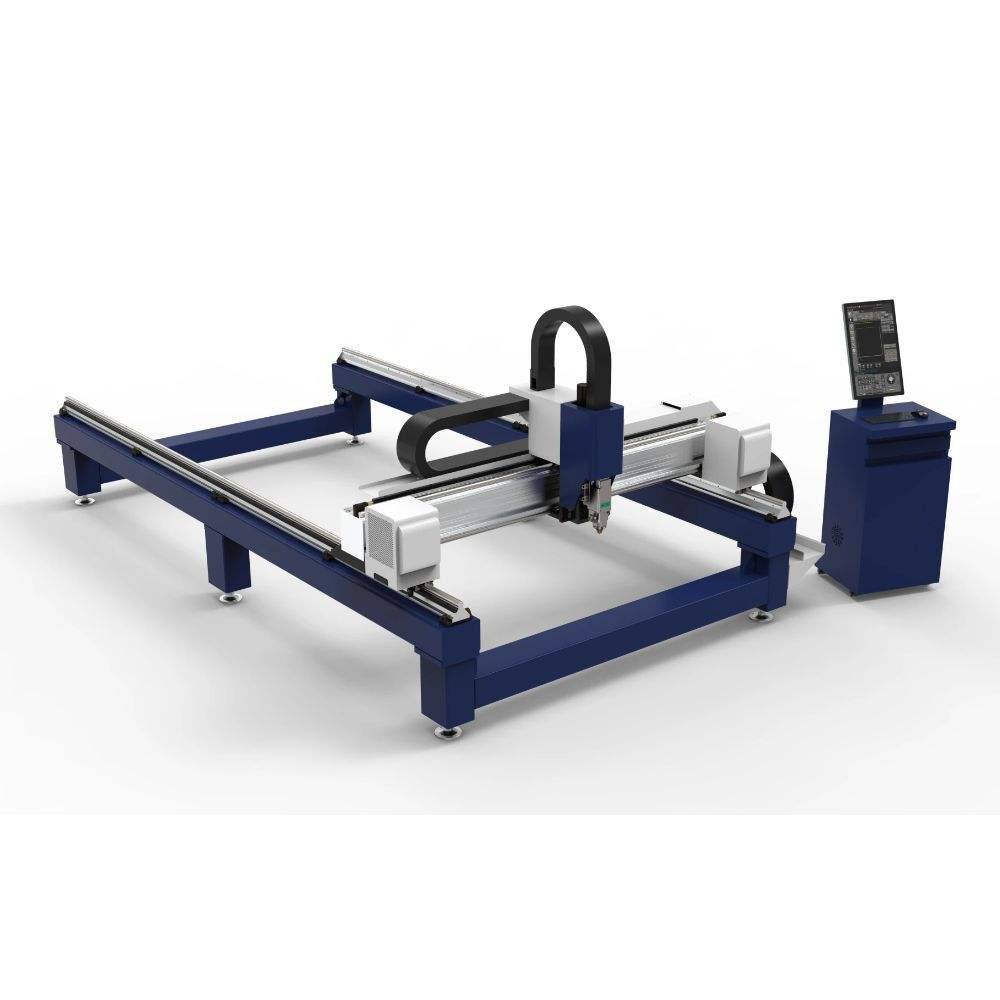
Technical Advantage: The Science of the Tube-Welded Standard Bed
In the realm of high-precision laser cutting, the machine’s foundation—the bed—is the primary determinant of long-term accuracy and repeatability. For a 2kW system operating in an industrial environment like Vallejo or Naucalpan, the structural integrity of the bed must withstand both high-speed acceleration and the environmental variables of the region.
The tube-welded standard bed is engineered using high-quality structural steel tubes. Unlike lighter aluminum frames or overly brittle cast iron alternatives in the mid-range segment, the tube-welded structure offers a superior strength-to-weight ratio. The engineering process involves:
1. Stress Relief Annealing: After welding, the bed undergoes a high-temperature tempering process. This eliminates internal stresses within the steel, ensuring that the frame will not deform or “creep” over years of operation. For elevator engineers, this translates to a machine that maintains 0.02mm positioning accuracy throughout its lifecycle.
2. Triangular Reinforcement: The internal architecture of the tube-welded bed utilizes triangular bracing. In physics, the triangle is the only polygon that is inherently rigid. This design minimizes vibration during the high-speed direction changes of the laser head, which is critical when cutting decorative brass lattices or fine-lettering for elevator control panels.
3. Vibration Damping: The hollow sections of the structural tubes can be strategically filled or left as-is to manage harmonic frequencies. This damping effect prevents the “chatter” marks often seen on the edges of laser-cut parts, significantly reducing the need for secondary polishing or deburring.
Optimizing 2kW Power for High-Reflectivity Brass
Brass is a staple of the elevator industry, used for handrails, cabin trim, and signal fixtures. However, from an engineering perspective, brass is a “yellow metal” characterized by high thermal conductivity and high reflectivity. A standard CO2 laser or an underpowered fiber laser will struggle with back-reflection, which can damage the optical resonator.
The 2kW precision system is specifically calibrated to handle these challenges. At 2000 watts, the laser density is sufficient to overcome the initial reflectivity of brass at the piercing stage.
Data-Driven Cutting Parameters for Brass (C26000/C36000):
– 1mm Brass: Cutting speeds can reach up to 25-30 m/min using Nitrogen as an auxiliary gas.
– 3mm Brass: Optimal speeds range between 6-8 m/min.
– 5mm Brass: The 2kW threshold allows for clean cuts at 1.5-2.2 m/min.
For Mexico City manufacturers, the use of Nitrogen (N2) as the cutting gas is highly recommended for brass. Nitrogen prevents oxidation at the cut site, resulting in a bright, clean edge that requires no chemical cleaning before the final lacquer or PVD coating. This is a critical cost-saving measure in elevator aesthetic manufacturing.

Elevator Component Precision: Beyond the Flat Sheet
Elevator manufacturing requires a mix of flat sheet cutting and tubular structural support. The 2kW system’s versatility allows engineers to produce a wide array of components with a single machine investment.
1. Decorative Inlays and COP (Car Operating Panels): Precision is paramount when cutting holes for buttons, displays, and emergency intercoms. The 2kW fiber laser ensures that the kerf width (the width of the cut) remains consistent at approximately 0.1mm, allowing for press-fit assembly of components.
2. Braille and Signage: Using the laser’s marking and etching capabilities, manufacturers can create permanent, ADA-compliant Braille signage directly on the brass faceplates. This eliminates the need for third-party engraving services.
3. Structural Brackets: While the focus is often on aesthetics, the 2kW system easily handles the 6mm-10mm carbon steel plates used for mounting brackets and rail clips, providing a multi-functional tool for the entire factory floor.
Environmental and Operational Considerations in Mexico City
Operating precision machinery in Mexico City presents unique engineering challenges, specifically regarding altitude and power stability. CDMX sits at approximately 2,240 meters above sea level.
– Air Density and Cooling: At higher altitudes, air is less dense, which reduces the efficiency of traditional air-cooling systems. Our 2kW systems utilize high-efficiency dual-circuit water chillers. These chillers are oversized to ensure that both the fiber laser source and the cutting head remain at a constant 22°C, regardless of the ambient temperature fluctuations in a typical industrial warehouse.
– Power Grid Integration: The industrial power grid in central Mexico can experience voltage “noise.” The 2kW precision system is equipped with a dedicated voltage stabilizer and isolation transformer. This protects the sensitive CNC electronics and the laser source from spikes that could lead to costly downtime or component failure.
– Dust Mitigation: The volcanic soil and urban dust of the Valley of Mexico can be abrasive. The tube-welded bed is designed with fully enclosed bellows and a high-volume dust extraction system. This keeps the linear guides and rack-and-pinion drive systems clean, extending the maintenance interval by up to 40% compared to open-frame models.
ROI Analysis for Local Manufacturers
For the owner of an elevator factory, the transition to a 2kW precision laser system is justified through three primary metrics:
1. Material Utilization: The nesting software integrated with our laser systems allows for “common line cutting.” In the production of brass trim, this can reduce material waste by 15-20%. Given the high price of brass per kilogram in the Mexican market, the software pays for the machine’s electrical consumption within the first year.
2. Labor Reduction: Traditional methods of shaping brass—such as mechanical shearing or CNC milling—require significant post-processing. The fiber laser produces a “burr-free” edge. By eliminating the manual sanding stage, a factory can reallocate 2-3 skilled workers to higher-value assembly tasks.
3. Speed to Market: In the construction industry, delays are expensive. The ability to prototype a custom elevator interior in the morning and begin full production in the afternoon gives CDMX manufacturers a massive competitive edge over importers who must wait weeks for maritime shipping.
Conclusion: The Future of Mexican Elevator Fabrication
The 2kW Precision Laser System with a tube-welded standard bed is more than just a cutting tool; it is a strategic asset for the modern Mexican engineer. By combining the structural stability of an annealed steel frame with the high-frequency precision of a fiber source, manufacturers can meet the exacting standards of the international elevator market.
As Mexico City continues to reach for the clouds, the components that move people safely and beautifully must be crafted with the highest level of technological integrity. Investing in a 2kW system ensures that your facility remains at the forefront of this industrial evolution, providing the precision that brass demands and the reliability that engineering excellence requires.
















