
Mastering Aluminum Fabrication: A Comprehensive Guide to 2kW Precision Laser Systems in Puebla
The industrial landscape of Puebla, Mexico, has undergone a radical transformation over the last decade. As a primary hub for automotive and aerospace manufacturing—anchored by giants such as Volkswagen and Audi—the demand for high-precision components has never been higher. Central to this evolution is the adoption of 2kW precision fiber laser systems. Specifically designed to handle the complexities of aluminum alloy fabrication, these systems offer a balance of power, accuracy, and cost-effectiveness that is essential for Tier 1 and Tier 2 suppliers in the region.
Aluminum alloys, known for their high strength-to-weight ratio and corrosion resistance, are notoriously difficult to process using traditional thermal methods. However, the integration of 2kW fiber laser technology has revolutionized how local workshops and large-scale factories approach laser cutting. This guide explores the technical parameters, material challenges, and economic advantages of deploying these systems within the unique industrial ecosystem of Puebla.
The Technical Superiority of 2kW Fiber Lasers
In the realm of laser cutting, the 2kW power rating represents a “sweet spot” for precision engineering. Unlike lower-wattage systems that struggle with thickness or higher-wattage systems that may introduce excessive heat into thin-gauge materials, the 2kW fiber laser provides the ideal energy density for aluminum alloys ranging from 1mm to 8mm in thickness.
Wavelength and Absorption Dynamics
The core advantage of a 2kW fiber laser lies in its wavelength, typically around 1.06 microns. Aluminum is a highly reflective material; in its solid state, it reflects a significant portion of infrared light. Traditional CO2 lasers, with wavelengths around 10.6 microns, suffer from poor absorption rates when processing aluminum. The shorter wavelength of the fiber laser is absorbed much more efficiently by aluminum alloys, allowing for faster piercing and cleaner edges with significantly less power waste.
Beam Quality and Focus
Precision is defined by the laser’s “Beam Parameter Product” (BPP). A 2kW system is engineered to maintain a stable, high-quality beam even at peak output. For Puebla’s automotive manufacturers, this translates to a narrower kerf width and a minimized heat-affected zone (HAZ). Maintaining the structural integrity of the alloy is paramount, especially when producing safety-critical components like heat shields or structural brackets.

Processing Aluminum Alloys: The Puebla Context
Puebla’s manufacturing sector primarily utilizes 5000-series (magnesium-alloyed) and 6000-series (silicon and magnesium-alloyed) aluminum. Each presents specific challenges during the laser cutting process. The 2kW system must be calibrated to account for the thermal conductivity of these specific alloys.
Overcoming Reflectivity and Back-Reflection
One of the greatest risks when laser cutting aluminum is back-reflection. Because aluminum is a mirror-like substrate for certain light frequencies, reflected laser energy can travel back through the delivery fiber and damage the laser source. Modern 2kW systems used in Puebla are equipped with advanced optical isolators and back-reflection sensors. These safety mechanisms automatically shut down the beam or shift the phase if a dangerous level of reflected light is detected, protecting the capital investment of the fabrication shop.
Managing Thermal Conductivity
Aluminum dissipates heat rapidly. While this is a benefit for the end-use of the part, it complicates the cutting process. A 2kW laser must provide enough concentrated energy to melt the metal faster than the surrounding material can conduct the heat away. If the cutting speed is too slow, the heat builds up, leading to “dross” or “slag” on the underside of the cut. Precision systems in the 2kW range utilize high-speed linear motors to maintain the necessary feed rates to stay ahead of the thermal gradient.
Optimizing Assist Gas Strategies
The choice of assist gas is perhaps the most critical variable in achieving a burr-free finish on aluminum. In the high-altitude environment of Puebla (approximately 2,135 meters above sea level), atmospheric pressure and oxygen concentration can subtly affect gas dynamics, requiring precise regulation.
Nitrogen: The Standard for Precision
For most 2kW applications involving aluminum alloys, high-pressure nitrogen is the preferred assist gas. Nitrogen acts as a mechanical agent, blowing the molten aluminum out of the kerf before it can re-solidify. Because nitrogen is inert, it prevents oxidation on the cut edge. This is vital for Puebla-based companies that perform secondary welding or painting operations, as an oxidized edge would require costly manual cleaning or lead to coating failure.
Oxygen and Compressed Air Alternatives
While oxygen can increase cutting speeds in thicker aluminum by introducing exothermic energy, it often results in a rougher, heavily oxidized surface. Some shops in Puebla are moving toward ultra-dry compressed air for laser cutting thinner gauges (under 3mm). This provides a middle ground between the cost of nitrogen and the speed of oxygen, though it requires a 2kW system with a robust filtration and desiccant system to ensure no moisture or oil contaminates the laser optics.
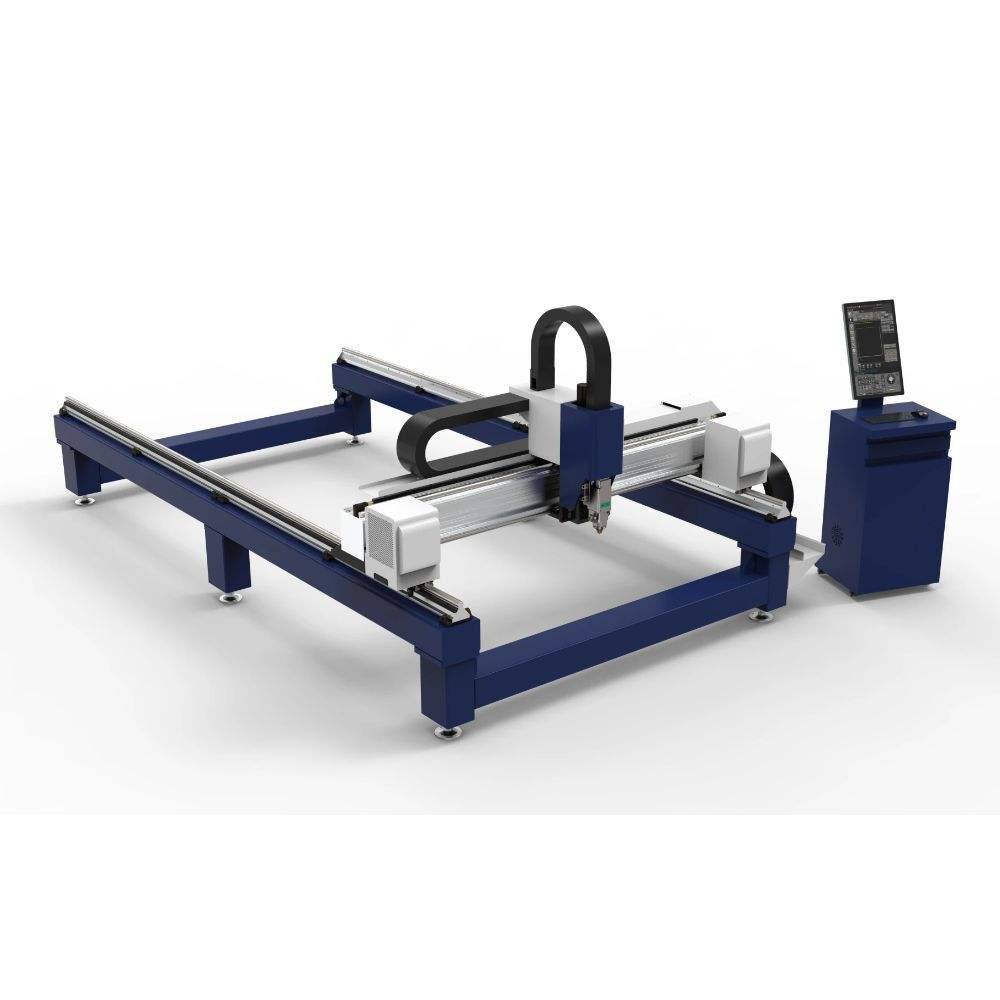
Operational Excellence in Puebla’s Industrial Parks
Implementing a 2kW precision laser system in regions like the Chachapa or Huejotzingo industrial parks requires more than just high-end hardware. It requires an integrated approach to workflow and maintenance.
The Importance of Localized Technical Support
In a high-output environment like the Puebla-Tlaxcala corridor, downtime is catastrophic. Precision 2kW systems must be backed by local technical support that understands the specific power grid fluctuations and environmental factors of the region. Voltage stabilizers and industrial chillers are mandatory additions to any laser cutting setup in this area to ensure the 2kW resonator remains at a constant temperature, regardless of the external climate.
Nesting and Material Utilization
With aluminum prices fluctuating on the global market, material waste reduction is a key driver of profitability. Modern 2kW systems are paired with advanced nesting software that allows for tight part spacing. The precision of the 2kW beam allows for “common line cutting,” where two parts share a single cut path. This not only saves time but maximizes the number of parts per sheet, a critical factor for high-volume automotive contracts.
Maintenance Protocols for High-Precision Systems
To maintain the “precision” aspect of a 2kW system, a rigorous maintenance schedule is non-negotiable. Aluminum laser cutting produces a fine, conductive dust that can be hazardous to both the machine’s electronics and the operators.
Optical Path Integrity
Even a microscopic speck of aluminum dust on the protective window of the laser head can absorb enough energy to shatter the lens. Operators in Puebla’s fabrication shops must be trained in “clean room” protocols when inspecting or replacing consumables. The use of pressurized, filtered air within the cutting head (lens shielding) is essential to prevent contamination during the piercing process.
Fume Extraction and Safety
Aluminum dust is explosive under certain conditions. A 2kW system must be integrated with a high-capacity dust collector featuring anti-static filters and explosion relief panels. In the enclosed environments of many Puebla factories, proper ventilation ensures that the laser cutting process meets both Mexican NOM (Normas Oficiales Mexicanas) safety standards and international environmental regulations.
The Future of 2kW Laser Systems in the Region
As the automotive industry shifts toward Electric Vehicles (EVs), the use of aluminum is expected to double. EVs rely heavily on aluminum for battery enclosures and lightweight chassis components to offset the weight of the batteries. For the manufacturing sector in Puebla, investing in 2kW precision laser cutting technology is not just an upgrade—it is a strategic necessity to remain competitive in the North American supply chain.
Conclusion
The 2kW precision laser system stands as a cornerstone of modern aluminum fabrication. For engineers and business owners in Puebla, mastering this technology involves a deep understanding of fiber laser physics, material science, and the specific logistical challenges of the Mexican industrial landscape. By optimizing gas pressures, maintaining optical purity, and leveraging the high absorption rates of the 1.06-micron wavelength, manufacturers can achieve tolerances and finishes that were once thought impossible for aluminum. As Puebla continues to grow as a global manufacturing powerhouse, the 2kW laser will undoubtedly be the tool that shapes its future.




























