
The Definitive Guide to 2kW Fiber laser cutting Machines for Stainless Steel in Toluca
The industrial landscape of Toluca, State of Mexico, has undergone a significant transformation over the last decade. As one of Mexico’s primary manufacturing hubs, the region demands high-precision technology to support its robust automotive, aerospace, and food processing sectors. Central to this technological evolution is the 2kW fiber laser cutting machine. This specific power rating—2000 watts—represents a critical equilibrium between capital investment and operational capability, particularly when processing stainless steel, a material ubiquitous in Toluca’s industrial output.
Fiber laser technology utilizes an optical fiber doped with rare-earth elements as the gain medium. Unlike traditional CO2 lasers, fiber lasers deliver the beam through a flexible fiber optic cable, resulting in superior beam quality, higher energy density, and significantly lower maintenance requirements. For manufacturers in Toluca looking to upgrade their fabrication capabilities, understanding the nuances of 2kW laser cutting is essential for maintaining a competitive edge in a globalized market.

Technical Architecture of the 2kW Fiber Laser
A 2kW fiber laser cutting machine is engineered to deliver a concentrated beam of light with a wavelength of approximately 1.064 micrometers. This short wavelength is highly absorbed by metallic surfaces, especially stainless steel, compared to the 10.6 micrometers of CO2 lasers. The high absorption rate translates directly into faster cutting speeds and cleaner edges.
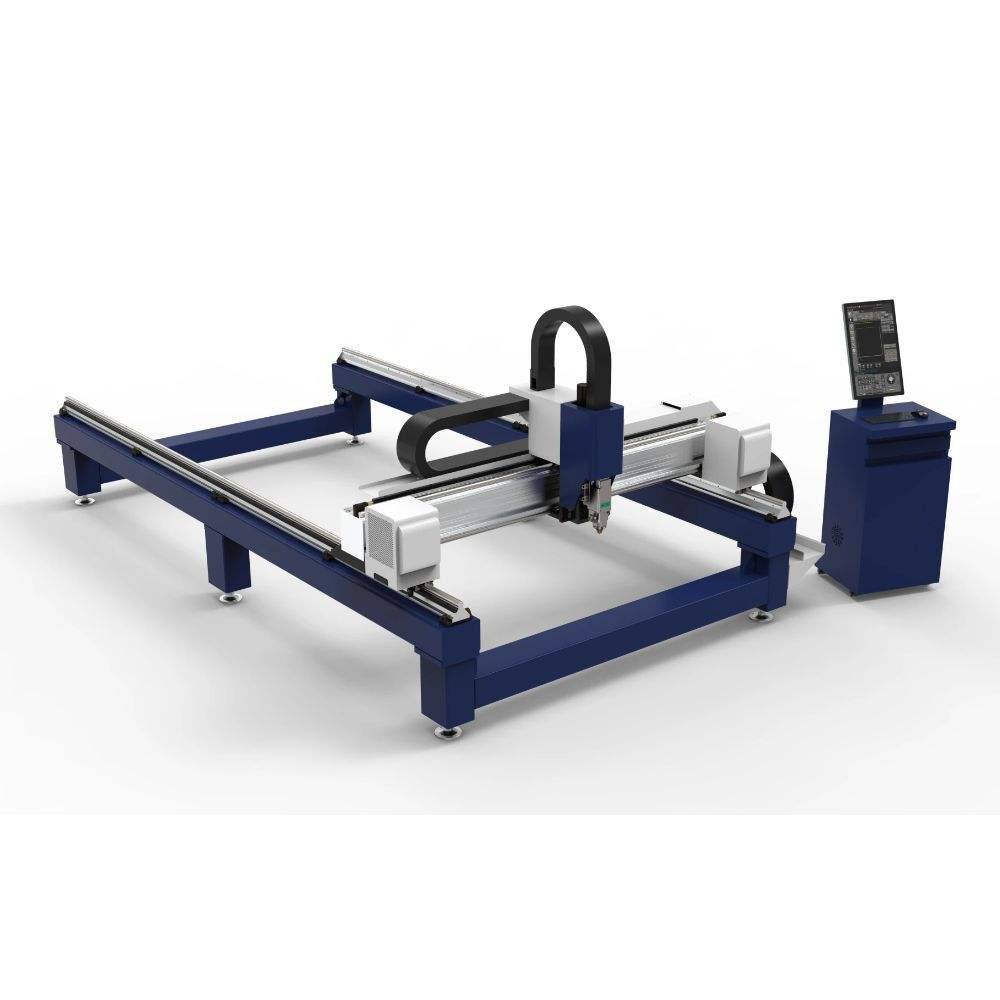
The system comprises several critical components: the laser source (often from Tier-1 manufacturers like IPG, Raycus, or nLIGHT), the cutting head (incorporating autofocus sensors), the CNC controller, and the motion system (typically high-precision rack and pinion or linear motors). In the context of Toluca’s high-altitude environment, the cooling system—or chiller—must be robustly rated to ensure the laser source maintains a stable operating temperature, preventing thermal drift and ensuring consistency during long production shifts.
Optimizing for Stainless Steel Fabrication
Stainless steel is prized for its corrosion resistance and aesthetic appeal, making it a staple in Toluca’s food-grade machinery and automotive trim industries. However, cutting it requires precise control over thermal input. A 2kW laser cutting system is optimized for stainless steel thicknesses ranging from 0.5mm to 8mm, with the “sweet spot” for high-speed production falling between 1mm and 5mm.
One of the primary challenges with stainless steel is its reflectivity and its tendency to retain heat. The 2kW fiber laser overcomes these challenges through high power density. By concentrating 2000 watts into a focal spot as small as 0.1mm, the machine vaporizes the metal almost instantaneously, minimizing the Heat Affected Zone (HAZ). This ensures that the material’s structural integrity and corrosion-resistant properties are preserved at the cut edge.
The Role of Assist Gases in Toluca’s Workshops
In laser cutting, the choice of assist gas is as critical as the laser power itself. For stainless steel, Nitrogen is the industry standard. When using a 2kW fiber laser, Nitrogen acts as a shielding gas that prevents oxidation. This results in a “bright” or “silver” edge that requires no secondary finishing, which is vital for Toluca-based suppliers delivering parts to the pharmaceutical or food industries where hygiene and aesthetics are paramount.
While Oxygen can be used to cut thicker sections of stainless steel by initiating an exothermic reaction, it leaves a dark oxide layer on the edge. For most high-end applications in the Toluca industrial corridor, the speed and quality offered by Nitrogen-assisted fiber laser cutting make it the preferred methodology. High-pressure Nitrogen (typically 15-20 bar) is required to effectively eject the molten material from the kerf, necessitating a reliable gas delivery system or an on-site Nitrogen generator.
Toluca’s Industrial Ecosystem and Laser Integration
Toluca hosts a high concentration of Tier 1 and Tier 2 automotive suppliers. These facilities require components with extremely tight tolerances, often within +/- 0.05mm. The 2kW fiber laser cutting machine meets these requirements with ease. Whether it is cutting brackets, exhaust components, or interior structural elements, the precision of the fiber laser reduces waste and increases throughput.
Furthermore, the local labor market in Toluca is increasingly skilled in CNC operations. Modern laser cutting software (such as CypCut or Lantek) allows for seamless integration with CAD/CAM systems. This digital workflow enables local manufacturers to rapidly prototype parts and transition to full-scale production, responding quickly to the “just-in-time” delivery requirements of the nearby automotive assembly plants in the State of Mexico and the Bajio region.
Economic Advantages and ROI
From an engineering management perspective, the Return on Investment (ROI) of a 2kW fiber laser cutting machine is driven by two factors: energy efficiency and processing speed. Fiber lasers are roughly 30% to 40% more energy-efficient than CO2 lasers. In an era of rising energy costs, this provides a significant operational advantage for Toluca’s manufacturing plants.
The processing speed of a 2kW fiber laser on thin-to-medium stainless steel is up to three times faster than a CO2 laser of equivalent power. For a job shop in Toluca, this means the ability to process more sheets per shift, effectively lowering the cost-per-part. Additionally, the lack of mirrors and bellows—components that require frequent alignment and replacement in CO2 systems—reduces downtime and maintenance costs, ensuring that the machine remains a productive asset for years.
Maintenance Best Practices for Local Operators
To ensure the longevity of a 2kW laser cutting system in Toluca’s environment, a strict maintenance protocol is necessary. The high altitude and occasional dust in industrial zones can affect sensitive optical components. Operators should perform daily checks on the protective window (cover glass) of the cutting head. Even a microscopic speck of dust can absorb laser energy, heat up, and shatter the lens.
The water chiller must be maintained with deionized water and the correct additives to prevent algae growth and corrosion within the laser source’s cooling channels. Furthermore, the mechanical rails and racks should be lubricated according to the manufacturer’s schedule to maintain the positioning accuracy required for high-precision laser cutting. Regular calibration of the capacitive height sensor is also vital to ensure the nozzle maintains a consistent standoff distance from the stainless steel sheet, especially if the material has slight warpage.
Safety Considerations in the Laser Environment
Safety is a non-negotiable aspect of modern engineering. A 2kW fiber laser operates at a wavelength that is extremely dangerous to the human eye. Unlike CO2 laser light, which is absorbed by the cornea, fiber laser light can pass through the eye and focus on the retina, causing permanent blindness instantly. Therefore, all fiber laser cutting machines in Toluca should be operated within a fully light-tight enclosure (Class 1 safety rating).
The enclosure must feature certified laser-safety glass viewing windows. Additionally, the cutting process for stainless steel generates fine metallic dust and fumes, particularly when using Nitrogen. High-efficiency dust extraction and filtration systems are mandatory to protect the health of the operators and to comply with Mexican environmental and workplace safety regulations (STPS).
Future Outlook: Fiber Lasers in the State of Mexico
As Industry 4.0 continues to permeate the Mexican manufacturing sector, the role of the 2kW fiber laser cutting machine will only expand. We are seeing increased integration of these machines with robotic loading and unloading systems, creating “lights-out” manufacturing environments. For the metalworking shops of Toluca, adopting fiber laser technology is no longer an option but a necessity for survival in a market that demands higher precision, faster turnaround, and lower prices.
The versatility of the 2kW platform also allows for the cutting of other materials such as aluminum, brass, and copper—metals that were traditionally difficult for CO2 lasers to handle due to back-reflections. This allows Toluca’s fabricators to diversify their service offerings, moving beyond stainless steel into specialized electrical and decorative components.
Conclusion
The 2kW fiber laser cutting machine stands as a cornerstone of modern industrial fabrication. For the engineers and business owners in Toluca, it offers a powerful tool to transform raw stainless steel into high-precision components with unmatched efficiency. By understanding the technical requirements, optimizing gas selection, and adhering to rigorous maintenance and safety standards, local manufacturers can leverage this technology to drive growth and innovation in one of Mexico’s most vital industrial corridors. The transition to fiber laser cutting is a clear path toward a more productive, sustainable, and competitive manufacturing future.
















