
Introduction to 2kW Fiber laser cutting in the Toluca Industrial Sector
The industrial landscape of Toluca, State of Mexico, has undergone a significant transformation over the last decade. As one of Mexico’s primary manufacturing hubs, particularly for the automotive and HVAC industries, the demand for high-precision metal fabrication has skyrocketed. Central to this evolution is the 2kW fiber laser cutting machine. This specific power rating—2,000 watts—represents a “sweet spot” for many medium-sized enterprises in the Lerma-Toluca corridor, offering a perfect balance between capital investment and processing capability, especially when dealing with challenging materials like galvanized steel.
Fiber laser technology utilizes a solid-state gain medium, as opposed to the gas or liquid mediums found in traditional CO2 lasers. The beam is generated within an optical fiber and delivered via a flexible cable to the cutting head. For fabricators in Toluca, this means higher electrical efficiency, lower maintenance requirements, and, most importantly, a beam quality that allows for the high-speed laser cutting of reflective and coated materials. Galvanized steel, which features a protective zinc coating, presents unique challenges that the 2kW fiber laser is uniquely equipped to handle.
Technical Specifications of the 2kW Fiber Laser Cutting Machine
A 2kW fiber laser cutting system is engineered for precision. At this power level, the machine is capable of processing carbon steel up to 16mm, stainless steel up to 8mm, and galvanized steel—the focus of our discussion—up to 6mm with high edge quality. The wavelength of a fiber laser is approximately 1.06 microns, which is ten times shorter than that of a CO2 laser. This shorter wavelength results in a much higher absorption rate in metals, which is critical when attempting to penetrate the zinc layer of galvanized sheets.
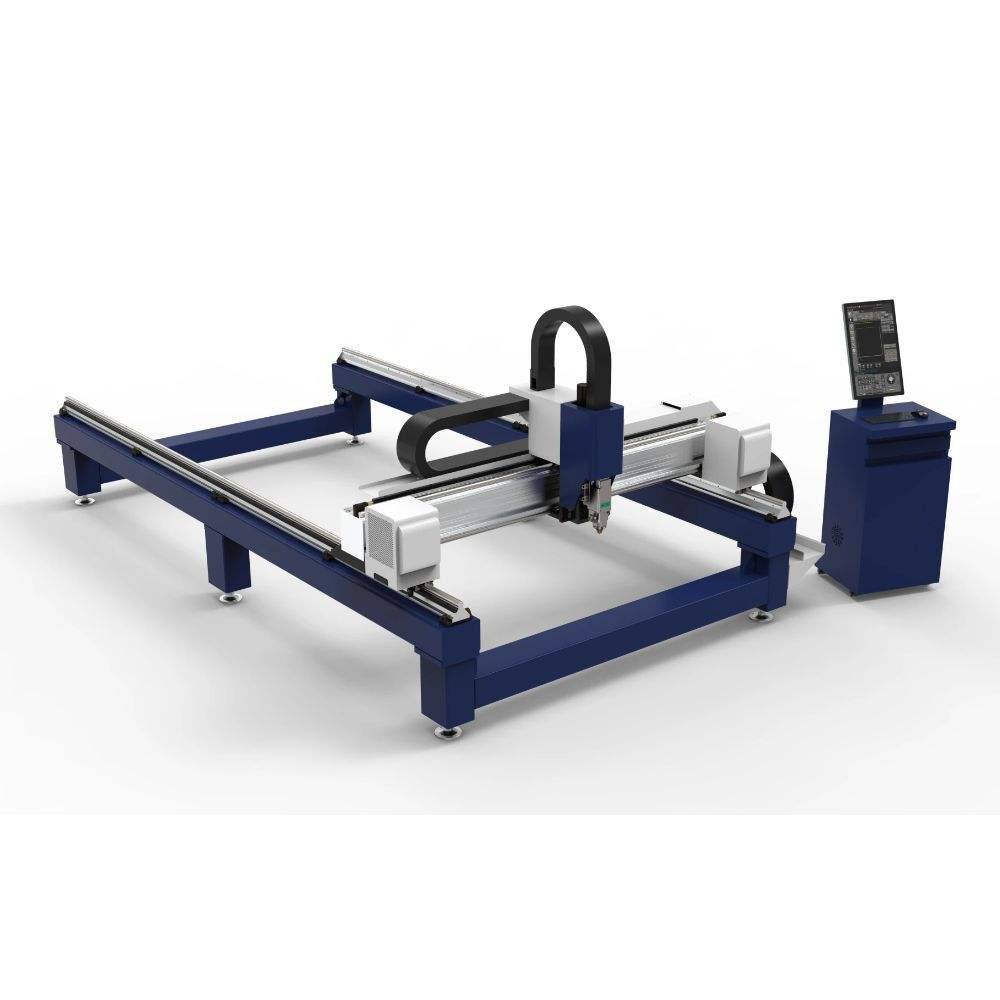
Key components of these machines include the laser source (often brands like IPG, Raycus, or nLIGHT), the cutting head with autofocus capabilities, and the CNC control system. In the high-altitude environment of Toluca, cooling systems must be robust. The 2kW systems typically employ a dual-circuit water chiller to maintain the temperature of both the laser source and the optics, ensuring consistent beam stability during long production shifts.

The Metallurgy of Galvanized Steel in Laser Processing
Galvanized steel is essentially carbon steel coated with a layer of zinc to prevent corrosion. While this coating is excellent for the longevity of the final product, it introduces variables into the laser cutting process. Zinc has a much lower melting point (approx. 419°C) and boiling point (907°C) than the underlying steel (approx. 1500°C). When the laser beam hits the surface, the zinc vaporizes before the steel melts.
This vaporization can create high-pressure gas pockets that interfere with the stability of the laser beam and the assist gas flow. If not managed correctly, this leads to “spatter”—molten metal being ejected back toward the nozzle—and “dross,” which is the solidified slag that clings to the bottom of the cut. A 2kW fiber laser provides sufficient power density to overcome these thermal discrepancies, provided the parameters are optimized for the specific gauge of the material.
Optimizing Laser Cutting Parameters for Galvanized Steel
To achieve a clean, burr-free finish on galvanized steel in a Toluca-based workshop, engineers must focus on three primary variables: assist gas selection, nozzle geometry, and focal position.
Assist Gas Dynamics: Nitrogen vs. Oxygen
For galvanized steel, the choice of assist gas is paramount. Nitrogen is the preferred choice for high-quality finishes. Because nitrogen is an inert gas, it acts as a mechanical force to blow away the molten steel and vaporized zinc without causing an exothermic reaction. This results in a “clean cut” where the edges remain silver and free of oxidation, making them ready for immediate welding or painting. However, cutting with nitrogen requires higher pressures (often 14-18 bar), which increases operating costs.
Oxygen, on the other hand, triggers an exothermic reaction with the steel, providing additional heat that allows the 2kW laser to cut thicker sections or at faster speeds. The downside is that oxygen promotes the formation of zinc oxide, which can leave a darkened, brittle edge. For many automotive suppliers in Toluca, the nitrogen “high-pressure” method is the standard to meet stringent quality requirements.
Focal Position and Nozzle Selection
In 2kW fiber laser cutting, the focal point for galvanized steel is usually set slightly below the surface of the material. This ensures that the kerf (the width of the cut) is wide enough for the vaporized zinc to escape without disrupting the beam. Double-layer nozzles are typically employed to provide a more stable gas shield, protecting the protective window of the cutting head from the volatile zinc fumes.
Challenges Unique to the Toluca Industrial Environment
Operating a 2kW fiber laser in Toluca presents environmental factors that differ from coastal regions. Toluca sits at an elevation of approximately 2,660 meters above sea level. The lower atmospheric pressure at this altitude can affect the behavior of assist gases and the cooling efficiency of air-cooled components. Engineers must often calibrate their gas flow meters and pressure regulators to account for these local conditions to ensure the laser cutting process remains consistent.
Furthermore, Toluca’s status as a manufacturing powerhouse means that the local power grid can experience fluctuations. For a fiber laser, which relies on sensitive electronics and high-speed CNC controllers, a stabilized power supply or UPS (Uninterruptible Power Supply) is not just an option—it is a necessity to prevent damage to the laser diodes and to avoid scrapped parts during a power dip.
Addressing Zinc Fume Accumulation
One of the most critical health and safety aspects of laser cutting galvanized steel is the management of zinc oxide fumes. When zinc is vaporized by the laser, it oxidizes instantly in the air. Inhaling these fumes can lead to “metal fume fever.” Facilities in Toluca must implement high-capacity dust extraction and filtration systems. A 2kW machine, while not as “dirty” as a plasma cutter, still generates significant particulate matter that can coat the machine’s linear guides and mirrors if not properly evacuated, leading to premature wear and decreased accuracy.
Industrial Applications for 2kW Lasers in Toluca
The versatility of the 2kW fiber laser makes it indispensable for several sectors in the region:
- Automotive Stamping and Brackets: Many Tier 2 and Tier 3 suppliers in Toluca use galvanized steel for internal structural components. The laser’s ability to cut complex geometries with high repeatability is vital for just-in-time (JIT) manufacturing.
- HVAC Ductwork: Galvanized steel is the industry standard for air handling units and ducting. A 2kW laser can rapidly process large sheets of thin-gauge galvanized material, significantly outperforming mechanical shears or older CO2 systems.
- Electrical Enclosures: Outdoor electrical cabinets require the corrosion resistance of galvanized steel. Laser cutting allows for the precise placement of knockouts, hinges, and ventilation slots without damaging the surrounding zinc coating.
Maintenance Protocols for Fiber Laser Systems
To maintain peak performance in a high-output environment like Toluca, a rigorous maintenance schedule is required. For 2kW systems, the most sensitive component is the optical path. Even though the laser is delivered via fiber, the cutting head contains several lenses and a protective “cover glass.”
When laser cutting galvanized steel, the cover glass must be inspected daily. Zinc spatter can microscopicly pit the glass, causing the beam to scatter and reducing cut quality. Additionally, the slats of the cutting bed should be cleaned regularly. Accumulated slag can cause “back-reflection,” where the laser beam bounces off the slag and damages the underside of the workpiece or even the cutting head itself.
Strategic ROI for Toluca Fabricators
Investing in a 2kW fiber laser cutting machine offers a rapid return on investment (ROI) for Toluca shops currently relying on outsourcing or older technology. The high cutting speeds—often exceeding 20 meters per minute on thin galvanized sheets—allow for higher throughput. When combined with the low energy consumption of fiber technology (which uses about 30% of the power required by CO2 lasers), the cost-per-part drops dramatically. In a competitive market like Central Mexico, this efficiency is the difference between winning and losing major contracts.
Conclusion: The Future of Metal Fabrication in Toluca
The 2kW fiber laser cutting machine has become a cornerstone of modern manufacturing in Toluca. Its ability to precisely and efficiently process galvanized steel has empowered local fabricators to meet the high standards of international supply chains. By understanding the metallurgical challenges of zinc coatings and optimizing parameters for the local environment, Toluca’s industrial sector is well-positioned to remain a leader in metal fabrication. As technology continues to advance, the integration of automation and smarter CNC controls will only further enhance the capabilities of these essential machines.
















