
Advanced Processing of Galvanized Steel: The 2kW Fiber laser cutting Machine
The industrial landscape of Queretaro has undergone a radical transformation over the last decade, evolving into one of Mexico’s most sophisticated manufacturing hubs. At the heart of this evolution is the adoption of high-precision thermal processing technologies. For local manufacturers specializing in automotive components, HVAC systems, and structural metalwork, the 2kW fiber laser cutting machine has emerged as the definitive standard for processing galvanized steel. This power level offers an optimal balance between capital investment, operational cost, and the specific metallurgical requirements of zinc-coated materials.
Laser cutting technology, specifically fiber-based systems, utilizes an optical fiber doped with rare-earth elements as the gain medium. The resulting beam quality is significantly superior to legacy CO2 systems, allowing for a smaller focal spot and higher energy density. When applied to galvanized steel—a material notorious for its volatility during thermal processing—the 2kW threshold provides the necessary intensity to pierce and vaporize the substrate while maintaining a narrow heat-affected zone (HAZ).

The Industrial Context of Queretaro
Queretaro’s strategic location within the “Bajío” region places it at the center of the North American supply chain. The state’s industrial parks, such as Parque Industrial Querétaro and Aerotech, demand high-throughput solutions that comply with international quality standards like ISO 9001 and IATF 16949. In these environments, laser cutting is not merely a fabrication method; it is a critical link in a lean manufacturing workflow. The 2kW fiber laser is particularly favored here because it handles the common gauges of galvanized sheet (0.8mm to 4.0mm) with exceptional speed, aligning perfectly with the just-in-time (JIT) delivery requirements of the aerospace and automotive sectors.
Technical Challenges of Cutting Galvanized Steel
Galvanized steel presents unique challenges compared to standard carbon steel. The zinc coating, applied via hot-dip or electro-galvanization, has a significantly lower melting point (approximately 419°C) than the underlying steel (approximately 1370°C). During the laser cutting process, the zinc layer tends to vaporize before the steel melts, creating high-pressure gas that can interfere with the stability of the laser beam and the assist gas flow.
A 2kW fiber laser addresses these challenges through high beam stability and advanced pulse modulation. If the power is too low, the cutting speed drops, allowing more time for the zinc to boil and contaminate the cut edge, leading to dross formation and potential welding of the slag to the underside of the sheet. At 2kW, the machine maintains sufficient velocity to “outrun” the thermal conduction of the zinc, resulting in a cleaner, more consistent edge that often requires no secondary finishing.
Assist Gas Selection: Nitrogen vs. Oxygen
For engineers in Queretaro’s manufacturing sector, the choice of assist gas is critical when utilizing a 2kW system. When laser cutting galvanized steel, Nitrogen is generally the preferred medium. Nitrogen acts as a shielding gas, preventing oxidation and blowing the molten material out of the kerf without reacting with the zinc. This results in a “bright” cut edge that retains the corrosion-resistant properties of the material as much as possible.
Oxygen can be used for thicker sections of galvanized steel to increase cutting speed through an exothermic reaction. However, this often leads to heavy oxidation of the edge and can cause the zinc coating to flake off near the cut line. For the precision components typical of Queretaro’s electronics and appliance industries, Nitrogen-assisted laser cutting at 2kW provides the edge quality necessary for subsequent powder coating or assembly without further treatment.
Optimization of 2kW Laser Parameters
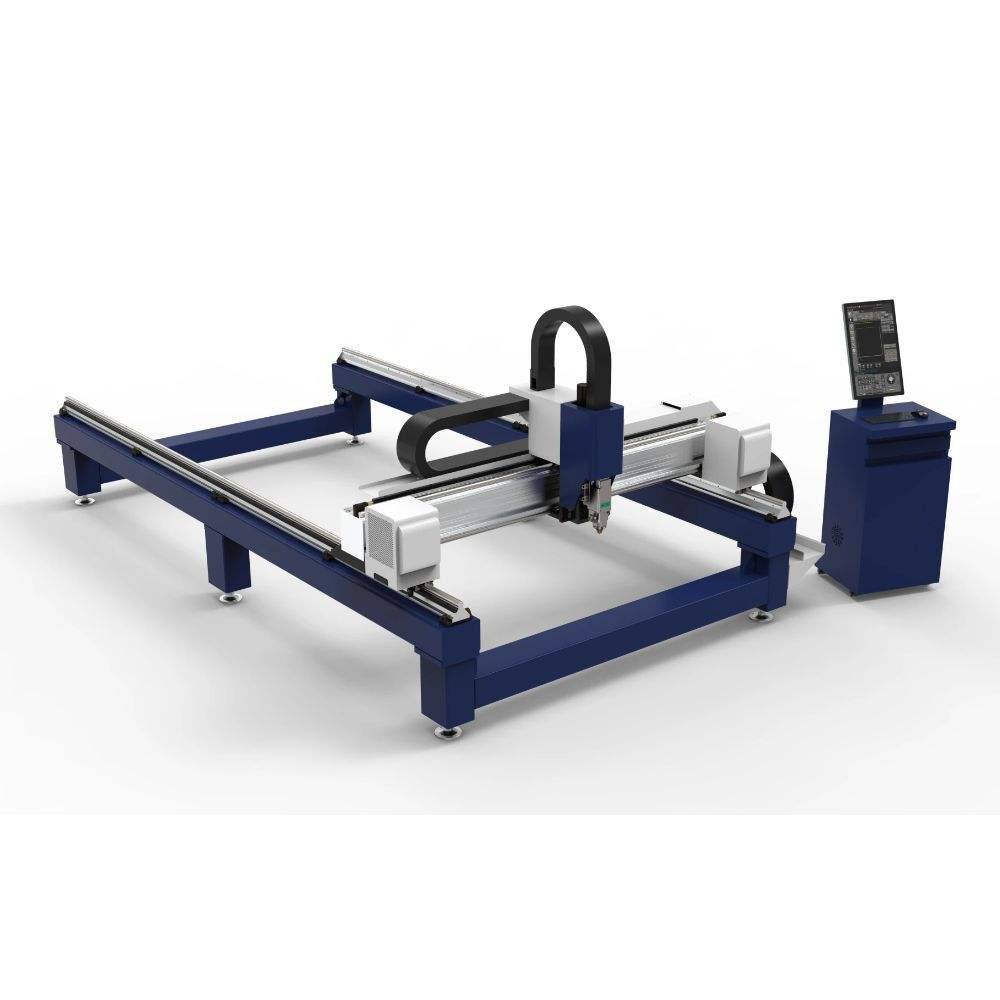
Achieving peak performance with a 2kW fiber laser cutting machine requires a deep understanding of parameter synchronization. This involves the delicate calibration of power output, feed rate, gas pressure, and nozzle height. In the context of galvanized steel, the “focus position” is perhaps the most critical variable. Typically, a slightly negative focus—where the beam’s narrowest point is just below the surface of the material—is used to ensure the energy is concentrated where the melt pool forms, helping to eject the vaporized zinc efficiently.
Nozzle Selection and Maintenance
The nozzle plays a dual role: it directs the assist gas and acts as a sensor for the height control system. When processing galvanized materials, zinc vapor can accumulate on the nozzle tip, causing turbulence in the gas flow and potentially triggering “capacitive sensing” errors. Professional shops in Queretaro emphasize the use of double-layer nozzles and frequent calibration to maintain the sub-millimeter tolerances required for complex geometries. Regular cleaning and the use of anti-spatter coatings on the nozzle can significantly extend the life of the consumables.
Environmental and Safety Considerations
One of the most overlooked aspects of laser cutting galvanized steel is the health and safety implication of zinc oxide fumes. When the laser vaporizes the zinc coating, it produces a fine, white smoke. If inhaled, these fumes can cause “metal fume fever,” a temporary but debilitating condition. Engineering standards in modern Queretaro facilities dictate the use of high-capacity dust extraction systems with HEPA filtration.
A 2kW system, while highly efficient, generates a concentrated stream of these particulates. It is imperative that the machine is equipped with a localized extraction unit that moves with the cutting head or a zoned extraction bed that pulls air only from the area currently being cut. This not only protects the operator but also prevents the fine dust from settling on the machine’s linear guides and optical components, which could lead to premature wear or beam scattering.
Software Integration and Nesting
To maximize the ROI of a 2kW fiber laser, Queretaro-based firms utilize advanced CAD/CAM software. These programs offer sophisticated nesting algorithms that minimize material waste—a vital factor given the fluctuating price of galvanized coil. Furthermore, modern software allows for “lead-in” and “lead-out” optimization, which is crucial for galvanized steel to prevent “blowouts” at the start of a cut where the zinc vapor pressure is highest. Common features like “fly-cutting” (where the laser remains on while moving between holes) can be used effectively on thinner galvanized gauges to drastically reduce cycle times.
The Economic Impact for Queretaro Manufacturers
Investing in a 2kW fiber laser cutting machine represents a strategic shift from labor-intensive traditional machining to automated precision. For a workshop in the Jurica or El Marqués industrial zones, the transition to fiber laser technology means the ability to take on contracts that were previously impossible due to tolerance or edge-quality requirements. The 2kW power level is particularly attractive because it offers a lower entry price than 6kW or 12kW systems while still being capable of handling 90% of the material thicknesses used in the local construction and appliance industries.
Maintenance and Longevity
From an engineering perspective, the fiber laser’s solid-state design is its greatest asset. Unlike CO2 lasers, there are no internal mirrors to align or gas mixtures to replenish within the resonator. The laser source in a 2kW machine typically has a lifespan exceeding 100,000 hours. In Queretaro’s high-duty-cycle environments, this reliability translates to minimal downtime. Routine maintenance focuses on the external optics (the protective window), the chiller system (to ensure the diode banks remain at a constant temperature), and the mechanical drive system (racks, pinions, and motors).
Conclusion: The Future of Metal Fabrication in the Bajío
As Queretaro continues to solidify its position as a global manufacturing powerhouse, the reliance on high-efficiency tools like the 2kW fiber laser cutting machine will only grow. The ability to process galvanized steel with speed, precision, and repeatability is a prerequisite for competing in the modern market. By understanding the metallurgical interactions between the laser beam and the zinc coating, and by implementing rigorous operational standards, local manufacturers can ensure they remain at the forefront of industrial innovation.
Whether it is for the production of intricate brackets for the aerospace sector or durable ductwork for large-scale infrastructure projects, the 2kW fiber laser remains the workhorse of the modern fabrication shop. Its integration into the Queretaro industrial ecosystem signifies a commitment to quality, efficiency, and the continued technological advancement of the Mexican manufacturing landscape.
















