
Introduction to 2kW Fiber laser cutting Technology
In the rapidly evolving landscape of industrial manufacturing, the 2kW fiber laser cutting machine has emerged as a cornerstone for precision metal fabrication. This specific power rating—2000 watts—represents a critical “sweet spot” in the industry, offering a balance between capital investment and high-performance output. For manufacturers in Tijuana, a city that serves as a global hub for the Maquiladora industry, adopting advanced laser cutting technology is no longer an option but a necessity to remain competitive in the North American supply chain.
Fiber laser technology utilizes a solid-state gain medium, as opposed to the gas-filled chambers found in traditional CO2 lasers. The 2kW beam is generated through a series of laser diodes and delivered via a flexible fiber optic cable directly to the cutting head. This delivery method eliminates the need for complex mirrors and bellows, resulting in a more stable, efficient, and low-maintenance system. When applied to carbon steel, the 1.06-micron wavelength of the fiber laser is absorbed much more efficiently than the 10.6-micron wavelength of CO2, allowing for faster processing speeds and cleaner edges.
The Strategic Importance of Laser Cutting in Tijuana
Tijuana has positioned itself as a premier destination for aerospace, medical device, and automotive manufacturing. These sectors demand rigorous tolerances and repeatable accuracy. The integration of a 2kW fiber laser cutting machine into a Tijuana-based facility allows for the rapid prototyping and mass production of carbon steel components that meet international quality standards such as ISO 9001 and AS9100. Given the proximity to the San Diego border, local shops must provide “just-in-time” delivery to U.S.-based partners, making the speed of fiber laser cutting an invaluable asset.
Furthermore, the industrial parks in Otay Mesa and El Florido are increasingly transitioning toward automation. A CNC-controlled 2kW laser system fits perfectly into this ecosystem, allowing operators to transition from CAD designs to finished parts with minimal manual intervention. This reduces labor costs and minimizes human error, ensuring that the carbon steel brackets, frames, and enclosures produced in the region are of the highest caliber.
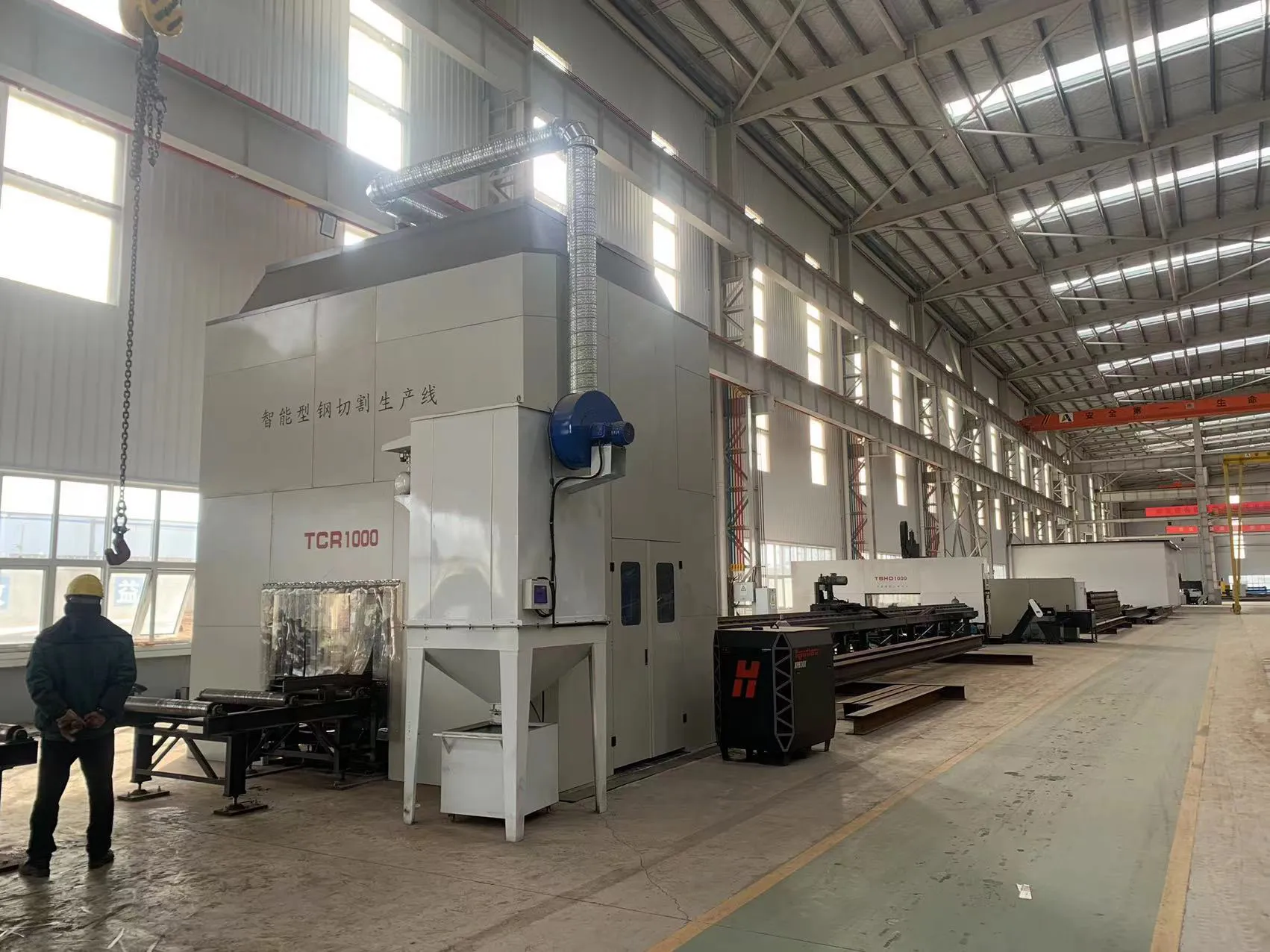
Technical Specifications and Capabilities for Carbon Steel
When processing carbon steel, a 2kW fiber laser offers impressive performance metrics. Carbon steel, often referred to as mild steel, is the most common material processed in the region’s fabrication shops. A 2000W system is typically capable of clean-cutting carbon steel up to 16mm (approx. 5/8 inch) in thickness, although its optimal “high-speed” range lies between 1mm and 12mm.
In the 1mm to 6mm range, the 2kW laser cutting machine can achieve speeds that significantly outperform plasma or waterjet alternatives. For instance, 3mm carbon steel can be processed at speeds exceeding 8 meters per minute, depending on the assist gas used. The precision of the fiber beam allows for a kerf width (the width of the cut) as narrow as 0.1mm, enabling the creation of intricate geometries and tight radii that would be impossible with mechanical punching or traditional sawing.
Optimizing the Cutting Process: Assist Gases
The choice of assist gas is a critical engineering decision when laser cutting carbon steel. In Tijuana’s industrial environment, the two primary choices are Oxygen (O2) and Nitrogen (N2). For 2kW systems, Oxygen is the standard choice for thicker carbon steel plates. The Oxygen reacts with the heated metal in an exothermic process, adding thermal energy to the cut and allowing the laser to penetrate thicker sections. This results in a slightly oxidized edge, which may require post-processing if the part is to be painted or coated.
Conversely, Nitrogen is used for high-pressure “fusion cutting” on thinner carbon steel gauges. Nitrogen acts as a shielding gas, blowing away the molten metal without reacting with it. This results in a bright, oxide-free edge that is ready for immediate welding or painting. While Nitrogen requires higher pressures and thus higher operational costs, the elimination of secondary cleaning processes often makes it the more economical choice for high-volume production runs in the automotive and electronics sectors.
Engineering Advantages of Fiber Over CO2
From an engineering perspective, the 2kW fiber laser offers several advantages over legacy CO2 systems. First is the Wall Plug Efficiency (WPE). A fiber laser typically operates at 30-35% efficiency, whereas a CO2 laser struggles to reach 10%. This translates to significantly lower electricity consumption—a major factor in Tijuana where energy costs are a significant overhead for manufacturing plants.
Second is the lack of moving parts within the laser source. There are no turbines for gas circulation and no mirrors to align. This increases the “Up-Time” of the machine. In a 24/7 Maquiladora operation, machine reliability is paramount. The fiber laser’s modular design allows for easier troubleshooting and longer intervals between scheduled maintenance, ensuring that production deadlines are consistently met.

Material Considerations: Carbon Steel Grades in Mexico
In the Mexican market, particularly in the border regions, several grades of carbon steel are frequently encountered. A36 is the most common structural steel, known for its weldability and strength. The 2kW fiber laser handles A36 with ease, providing clean edges for base plates and gussets. Other grades, such as 1018 (cold rolled) or 1045 (medium carbon), are also common in the production of machine components and gears.
The laser cutting process must be tuned to the specific carbon content and surface finish of the steel. For example, hot-rolled steel with a thick scale layer may require a “pre-pierce” routine or a lower cutting speed to prevent dross (re-solidified metal) from adhering to the bottom of the cut. Engineering teams in Tijuana often utilize specialized software to nest parts efficiently, minimizing scrap and maximizing the utilization of standard 4×8 or 5×10 foot steel sheets.
Maintenance Protocols for Optimal Performance
To maintain the precision of a 2kW laser cutting machine, a strict maintenance schedule is required. The most critical component is the cutting head optics. Even a microscopic speck of dust on the protective window can absorb laser energy, leading to thermal distortion or catastrophic lens failure. In the dusty environments sometimes found in industrial zones, pressurized, filtered air systems are necessary to keep the cutting area clean.
The chiller system is another vital component. The laser source and the cutting head generate significant heat, which must be dissipated to maintain a stable wavelength and beam profile. Operators must ensure that the coolant is deionized and treated with algaecides to prevent buildup within the narrow cooling channels of the fiber source. Regular inspection of the slats (the bed that supports the steel) is also necessary; slag buildup on the slats can cause “back-reflection,” which can mar the underside of the carbon steel workpiece.
Economic Impact and ROI for Tijuana Fabricators
Investing in a 2kW fiber laser cutting machine represents a significant capital expenditure, but the Return on Investment (ROI) is often realized within 12 to 24 months for high-volume shops. The primary drivers of this ROI are increased throughput and reduced secondary operations. Because the fiber laser produces such high-quality cuts in carbon steel, the need for grinding, deburring, and manual edge cleaning is drastically reduced.
In Tijuana, where the labor market is becoming increasingly skilled, moving from manual plasma cutting to CNC laser cutting allows companies to reallocate their workforce to more complex assembly and value-added tasks. Additionally, the ability to offer precision laser cutting services attracts higher-tier clients from the United States, who are looking for suppliers capable of maintaining tight tolerances (+/- 0.1mm) and providing documented quality control.
Safety Standards in Laser Operations
Safety is a paramount concern when operating a 2kW laser. These machines are classified as Class 4 laser products, meaning the beam is hazardous to both eyes and skin, even as a diffuse reflection. Modern machines used in Tijuana are typically “fully enclosed,” featuring specialized laser-safe glass windows that block the specific wavelength of the fiber laser. Interlocked doors ensure that the laser cannot fire if the enclosure is open.
Furthermore, the laser cutting of carbon steel produces fine particulates and fumes, especially when the metal is coated in oil or mill scale. A high-capacity dust extraction and filtration system is essential to protect the health of the operators and to comply with Mexican environmental regulations (NOMs). Proper ventilation ensures that the workspace remains clean and that the machine’s internal components are not compromised by metallic dust.
Conclusion: The Future of Metal Fabrication in the Region
The 2kW fiber laser cutting machine has revolutionized how carbon steel is processed in Tijuana. By combining high speed, extreme precision, and low operational costs, it provides local manufacturers with the tools necessary to compete on a global scale. As the “Nearshoring” trend continues to bring more manufacturing back to North America, Tijuana’s role as a high-tech fabrication hub will only grow.
For any engineering firm or fabrication shop looking to upgrade their capabilities, the 2kW fiber laser represents the ideal entry point or expansion tool. Its ability to handle the most common carbon steel thicknesses with ease, coupled with the reliability of modern fiber technology, makes it a foundational asset for the future of Mexican industry. By mastering the nuances of gas selection, maintenance, and CNC optimization, Tijuana-based operators can ensure their place at the forefront of the modern manufacturing era.
















