
Introduction to 2kW Fiber laser cutting in Leon’s Industrial Sector
The industrial landscape of Leon has undergone a significant transformation over the last decade, transitioning from traditional manufacturing methods to high-precision, automated solutions. At the forefront of this evolution is the 2kW fiber laser cutting machine. This specific power rating has emerged as the “sweet spot” for small to medium enterprises (SMEs) and large-scale fabrication shops alike, particularly those specializing in carbon steel components for the automotive, agricultural, and construction sectors prevalent in the region.
Fiber laser technology utilizes an optical fiber doped with rare-earth elements as the active gain medium. When compared to legacy CO2 systems, the 2kW fiber laser offers superior energy efficiency, higher cutting speeds for thin-to-medium gauges, and significantly lower maintenance requirements. For engineers in Leon, the adoption of laser cutting technology represents a strategic investment in throughput and edge quality, ensuring that local production remains competitive on a global scale.
The Technical Superiority of 2kW Fiber Sources
A 2000-watt fiber laser operates at a wavelength of approximately 1.06 microns. This wavelength is absorbed more efficiently by metallic surfaces, especially carbon steel, compared to the 10.6-micron wavelength of CO2 lasers. The higher absorption rate translates into a more concentrated energy density at the focal point, allowing for a narrower kerf and a smaller heat-affected zone (HAZ). In the context of carbon steel fabrication, this precision is critical for maintaining the structural integrity and dimensional accuracy of complex geometries.
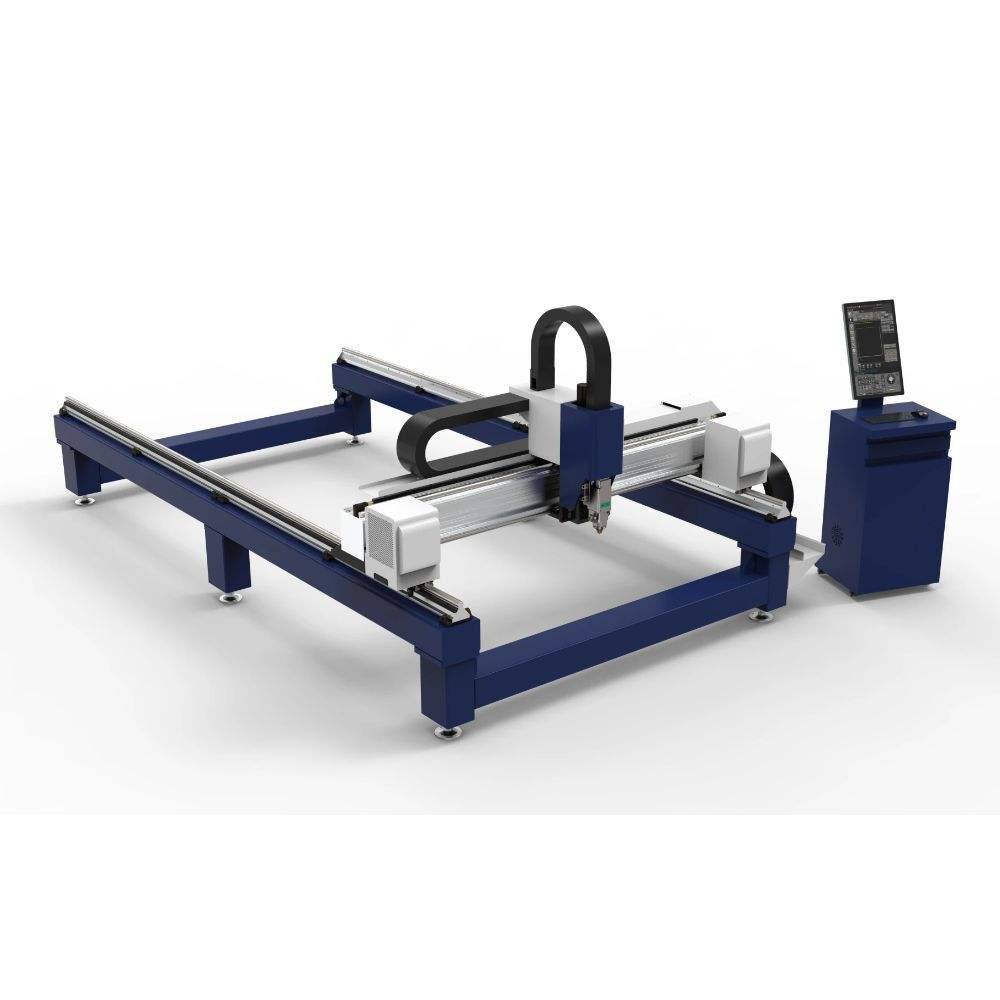
Processing Carbon Steel: The 2kW Advantage
Carbon steel is the backbone of industrial manufacturing in Leon. Whether it is for structural brackets, chassis components, or heavy machinery parts, the ability to process this material with speed and precision is paramount. A 2kW fiber laser cutting machine is optimized for carbon steel thicknesses ranging from 0.5mm to 16mm, with peak performance and high-quality finishes typically achieved in the 1mm to 12mm range.
Material Thickness and Cutting Speeds
In a production environment, speed is a primary KPI. For 1mm carbon steel, a 2kW system can achieve cutting speeds exceeding 20-30 meters per minute depending on the assist gas used. As the thickness increases to 6mm, the speed remains impressively efficient, often hovering around 2.5 to 3.5 meters per minute. While 2kW machines can pierce and cut up to 16mm or even 20mm carbon steel using oxygen as an assist gas, the process becomes slower, and the thermal management of the plate becomes a critical factor for the operator.
Edge Quality and Heat Affected Zone (HAZ)
One of the primary concerns for engineers in Leon is the secondary processing of parts. If a laser cutting process leaves significant dross or a hardened edge, it can complicate subsequent welding or painting operations. The 2kW fiber laser, through precise CNC control and optimized beam parameters, produces a remarkably clean edge on carbon steel. By minimizing the HAZ, the machine ensures that the mechanical properties of the steel—such as ductility and tensile strength—remain consistent near the cut line, which is vital for safety-critical automotive components.
Optimizing Assist Gases for Carbon Steel
The choice of assist gas is a defining factor in the cost and quality of laser cutting carbon steel. In Leon’s competitive market, balancing gas consumption with edge requirements is a daily task for shop managers. The 2kW system typically employs two main strategies: Oxygen (O2) cutting and Nitrogen (N2) or Compressed Air cutting.
Oxygen Cutting for Thick Sections
When cutting thicker carbon steel (above 3mm), oxygen is the standard assist gas. The oxygen reacts exothermically with the iron in the steel, adding thermal energy to the process and allowing the laser to melt through thicker sections than it could with light energy alone. This results in a smooth, slightly oxidized edge. For many structural applications in Leon’s construction sector, this oxide layer is acceptable, though it may require removal if high-performance powder coating is required.
Nitrogen and High-Pressure Air Cutting
For thinner gauges, many facilities are moving toward nitrogen or high-pressure compressed air. Nitrogen acts as an inert shield, preventing oxidation and leaving a “bright” edge that is immediately ready for welding or painting. While nitrogen requires higher pressures and thus higher costs, the 2kW laser cutting machine’s efficiency often offsets these expenses by eliminating secondary cleaning stages. Compressed air is also gaining traction as a cost-effective alternative for 1mm to 3mm carbon steel, providing a middle ground between speed and edge quality.

Machine Architecture and Stability
To achieve the precision required for 2kW laser cutting, the machine’s physical architecture must be exceptionally rigid. Most high-end machines used in Leon feature a heavy-duty gantry design and a stress-relieved welded frame. This stability is essential to counteract the high accelerations and decelerations (often up to 1.2G or higher) that the machine undergoes during high-speed cutting cycles.
The Role of the CNC Control System
The “brain” of the 2kW fiber laser is the CNC system. Modern machines utilize sophisticated software that manages laser power modulation, gas pressure, and focal position in real-time. For carbon steel, “fly cutting” and “frog-jump” maneuvers are programmed to minimize non-productive time. In Leon, where labor costs are rising, the ability of a machine to run autonomously with minimal operator intervention is a significant competitive advantage.
Cooling and Environmental Considerations
Leon’s climate requires robust thermal management for industrial equipment. A 2kW fiber laser generates heat at the source and the cutting head. A dual-circuit industrial chiller is mandatory to maintain the laser source and the optical components at a constant temperature. This prevents “thermal drift,” which can cause the focal point to shift during long production runs, leading to inconsistent cut quality in carbon steel plates.
Economic Impact for Leon Manufacturers
The ROI (Return on Investment) for a 2kW fiber laser cutting machine in Leon is typically realized through three channels: energy savings, reduced consumables, and increased throughput. Fiber lasers convert approximately 30-35% of electrical energy into laser light, compared to less than 10% for CO2 systems. Furthermore, the absence of internal mirrors and the long lifespan of the laser diodes (often rated for 100,000 hours) drastically reduce the total cost of ownership.
Market Competitiveness
Local job shops in Leon that upgrade to 2kW fiber technology can offer faster turnaround times for carbon steel parts. This speed allows them to take on more projects and handle “just-in-time” delivery requirements from major automotive assembly plants. The ability to nest parts tightly using advanced software also reduces material waste, which is a significant cost factor when dealing with high-tonnage carbon steel orders.
Integration with Industry 4.0
Modern 2kW systems are increasingly equipped with IoT capabilities. Manufacturers in Leon can monitor machine uptime, gas consumption, and maintenance schedules from remote locations. This data-driven approach allows for predictive maintenance, ensuring that the laser cutting process is rarely interrupted by unexpected component failure.
Maintenance Protocols for Peak Performance
While fiber lasers are “low maintenance,” they are not “no maintenance.” To ensure consistent performance on carbon steel, operators in Leon must adhere to strict protocols. This includes daily cleaning of the protective windows in the cutting head, monitoring the water quality in the chiller, and ensuring the assist gas supply is free of contaminants. For carbon steel, ensuring the nozzle is centered and the “stand-off” distance is calibrated is the difference between a perfect cut and a scrapped sheet.
The Importance of Nozzle Selection
Nozzle geometry plays a vital role in the aerodynamics of the assist gas. When cutting carbon steel with oxygen, a single-layer nozzle is typically used, whereas nitrogen cutting often requires a double-layer nozzle to stabilize the gas flow. Regular inspection of the nozzle for copper splatter or deformation is essential for maintaining the high-speed capabilities of the 2kW laser.
Conclusion: The Future of Fabrication in Leon
The 2kW fiber laser cutting machine has proven itself to be an indispensable tool for the modern fabricator in Leon. Its specific capability in processing carbon steel with high efficiency and precision makes it the ideal choice for a wide range of industrial applications. As the region continues to grow as a manufacturing hub, the reliance on advanced laser cutting technology will only increase. By understanding the technical nuances of beam dynamics, gas optimization, and machine stability, Leon-based engineers can maximize their production potential and lead the way in industrial excellence.
Investing in a 2kW system is not just about purchasing a machine; it is about adopting a philosophy of precision and efficiency. For the carbon steel industry, this technology represents the pinnacle of current fabrication capabilities, offering a path toward sustainable growth and technological leadership in the heart of Mexico’s industrial corridor.





























