
Precision Engineering: The 2kW Fiber laser cutting Machine for Brass in Toluca’s Industrial Sector
The industrial landscape of Toluca, State of Mexico, has undergone a significant transformation over the last decade. As one of Mexico’s primary hubs for automotive, aerospace, and electrical manufacturing, the demand for high-precision component fabrication has never been higher. Among the various technologies driving this evolution, the 2kW fiber laser cutting machine stands out as a pivotal tool, particularly when processing non-ferrous metals such as brass. This guide explores the technical intricacies, operational advantages, and localized industrial applications of 2kW fiber laser technology within the Toluca manufacturing corridor.
Technical Specifications of the 2kW Fiber Laser
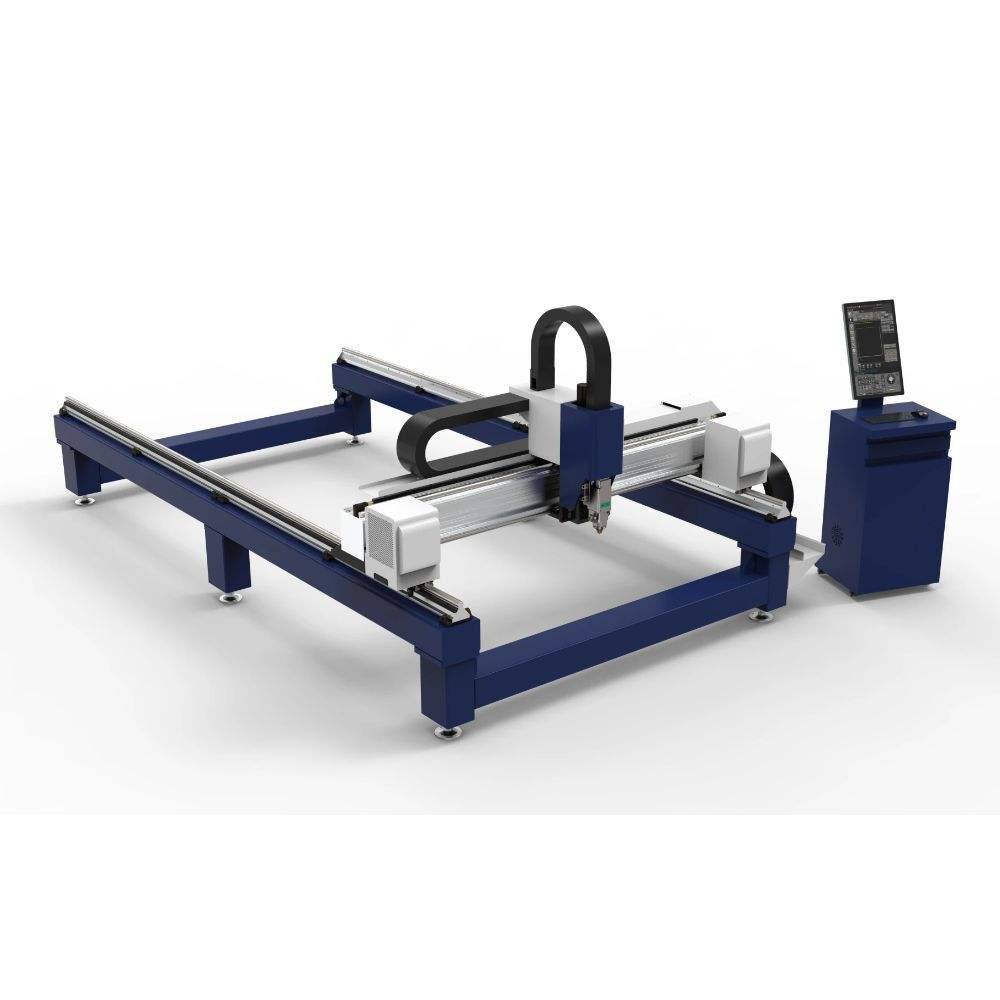
A 2kW fiber laser cutting machine represents the “sweet spot” for many medium-scale fabrication shops. It offers a balance between capital investment and high-performance output. Unlike CO2 lasers, fiber lasers utilize an optical fiber doped with rare-earth elements (such as ytterbium) as the active gain medium. This allows for a beam with a wavelength of approximately 1.06 microns, which is significantly more efficient for metal absorption than the 10.6 microns of a CO2 laser.
Power Output and Beam Quality
The 2kW power rating refers to the continuous wave (CW) output delivered to the cutting head. For brass, this power level is sufficient to cut thicknesses ranging from 0.5mm up to 6mm or 8mm with high edge quality. The beam quality, often measured by the M2 factor, is exceptionally high in fiber systems, resulting in a smaller focal spot size. This high energy density is critical for overcoming the initial reflectivity of brass during the piercing phase of the laser cutting process.
Drive Systems and Bed Stability
In the context of Toluca’s heavy industrial requirements, these machines are typically built on a stress-relieved, heavy-duty welded frame. High-precision rack and pinion systems, often paired with Yaskawa or Delta servo motors, ensure that the 2kW laser source can translate its power into accurate geometries. For brass components used in electrical switchgear—a common product in the Toluca region—tolerances often need to be within ±0.05mm, a feat easily achieved by these CNC-controlled systems.
The Challenges of Laser Cutting Brass
Brass is an alloy of copper and zinc, and from a metallurgical perspective, it is categorized as a highly reflective and thermally conductive material. These properties present unique challenges for laser cutting that require specific technical solutions found in modern 2kW fiber systems.
Overcoming Reflectivity
The primary hurdle when processing brass is its tendency to reflect infrared light. In older laser systems, “back-reflection” could travel back through the delivery optics and damage the laser source. However, modern 2kW fiber lasers are equipped with optical isolators and advanced sensors that detect back-reflection and adjust the beam parameters or shut down the system to prevent damage. Furthermore, the 1.06-micron wavelength of the fiber laser is absorbed by brass much more readily than the wavelengths produced by gas lasers, making the 2kW fiber laser the superior choice for this material.
Thermal Conductivity Management
Brass dissipates heat rapidly. During the laser cutting process, the heat-affected zone (HAZ) must be minimized to prevent warping or dross (slag) accumulation on the underside of the cut. The 2kW laser provides enough concentrated energy to vaporize the metal instantly, allowing for high feed rates that “outrun” the thermal conductivity of the material, resulting in a cleaner, narrower kerf.
Application in Toluca’s Manufacturing Ecosystem
Toluca is home to several industrial parks, such as Parque Industrial Lerma and Exportec, where the automotive and electronics sectors dominate. The 2kW fiber laser cutting machine has become an essential asset for Tier 1 and Tier 2 suppliers in these zones.
Automotive and Electrical Components
In the automotive sector, brass is frequently used for connectors, terminals, and decorative interior trim. The ability to perform high-speed laser cutting on thin-gauge brass sheets allows manufacturers to meet the high-volume demands of companies like Chrysler or General Motors, which have a significant presence in the region. In the electrical industry, brass busbars and contact plates are essential. A 2kW machine can process these parts with high repeatability, ensuring that every component fits perfectly into complex assemblies.
Custom Fabrication and Prototyping
Beyond mass production, Toluca’s vibrant SME sector utilizes 2kW fiber lasers for custom architectural signage and specialized machinery parts. The flexibility of CNC programming allows for rapid switching between different brass alloys, such as C26000 (Cartridge Brass) or C36000 (Free-Cutting Brass), without the need for physical tool changes required by traditional stamping or milling.
Optimizing Parameters for Brass Cutting
Achieving a “mirror-like” finish on a brass edge requires precise calibration of the 2kW system. Engineers in Toluca must pay close attention to three primary variables: assist gas, focal position, and cutting speed.
Assist Gas Selection
For brass, the choice of assist gas is critical. Nitrogen is the most common choice for high-quality finishes. High-pressure Nitrogen (often exceeding 15 bar) acts as a mechanical force to blow the molten brass out of the kerf while preventing oxidation. This results in a bright, clean edge that requires no post-processing. Alternatively, Oxygen can be used for thicker brass sections to increase cutting speed through an exothermic reaction, although this will result in an oxidized (darkened) edge.
Focal Position and Nozzle Calibration
Due to the way brass melts, the focal point of the laser is typically set slightly below the surface of the material or right at the bottom edge. This ensures that the widest part of the beam cone helps clear the melt. Using a double-layer nozzle is also recommended for brass to stabilize the gas flow and protect the protective window of the laser head from potential spatter.
Maintenance Protocols for High-Reflectivity Materials
Operating a 2kW fiber laser in Toluca’s environment—which can be dusty and has a high altitude—requires a disciplined maintenance schedule. When laser cutting brass, the risk of dust contamination is higher due to the fine particles produced during vaporization.
- Optical Path Protection: The protective lens (cover glass) must be inspected daily. Any brass dust on the lens can absorb laser energy, leading to thermal cracking.
- Chiller Maintenance: The 2kW source and the cutting head require constant cooling. In Toluca, where temperatures can fluctuate, ensuring the water chiller is set to the correct conductivity and temperature is vital to prevent internal condensation.
- Exhaust Systems: Brass fumes contain zinc oxide, which can be hazardous. High-performance dust extractors are mandatory to maintain air quality and keep the machine’s internal components clean.
Economic Viability and ROI in the Mexican Market
For a fabrication business in Toluca, the return on investment (ROI) for a 2kW fiber laser cutting machine is often realized within 18 to 24 months. The efficiency of fiber technology means lower electricity consumption compared to CO2 systems, and the absence of laser gas (like He, CO2, and N2 for the resonator) reduces operating costs. Furthermore, the speed at which a 2kW laser can process brass compared to traditional mechanical methods allows shops to take on more contracts and reduce lead times for their clients.
Conclusion
The 2kW fiber laser cutting machine is more than just a piece of equipment; it is a competitive advantage for manufacturers in Toluca. By mastering the nuances of laser cutting brass—from managing reflectivity to optimizing Nitrogen flow—local industries can produce world-class components that meet the rigorous standards of the global market. As fiber technology continues to advance, the synergy between high-power laser systems and Toluca’s industrial expertise will undoubtedly drive the region’s economic growth for years to come.
















