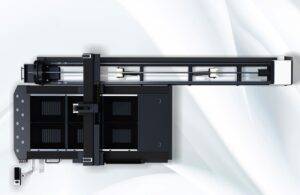
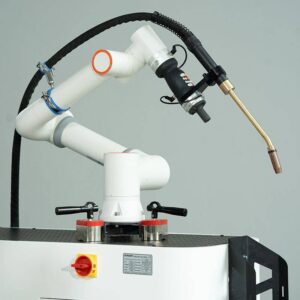
Introduction to 2kW Fiber laser cutting for Brass in Queretaro
The industrial landscape of Queretaro, Mexico, has undergone a massive transformation over the last decade, evolving into a premier hub for aerospace, automotive, and electrical manufacturing. Central to this evolution is the adoption of advanced fabrication technologies, specifically the 2kW fiber laser cutting machine. For local manufacturers working with non-ferrous metals like brass, this technology represents a significant leap forward in precision, speed, and cost-efficiency. Brass, known for its excellent conductivity and aesthetic appeal, has traditionally been a difficult material to process using conventional CO2 lasers due to its high reflectivity. However, the 2kW fiber laser has emerged as the definitive solution for Queretaro’s diverse industrial base.
In the context of Queretaro’s “Bajío” industrial corridor, the demand for intricate brass components—ranging from electrical connectors to decorative architectural elements—requires a machine that offers both power and stability. The 2kW power rating is particularly advantageous; it provides enough energy density to penetrate brass thicknesses typically used in industrial applications (up to 6mm or 8mm) while maintaining a narrow kerf and minimal heat-affected zone (HAZ). This guide explores the technical nuances of utilizing a 2kW fiber laser cutting system for brass fabrication in the unique economic climate of Queretaro.
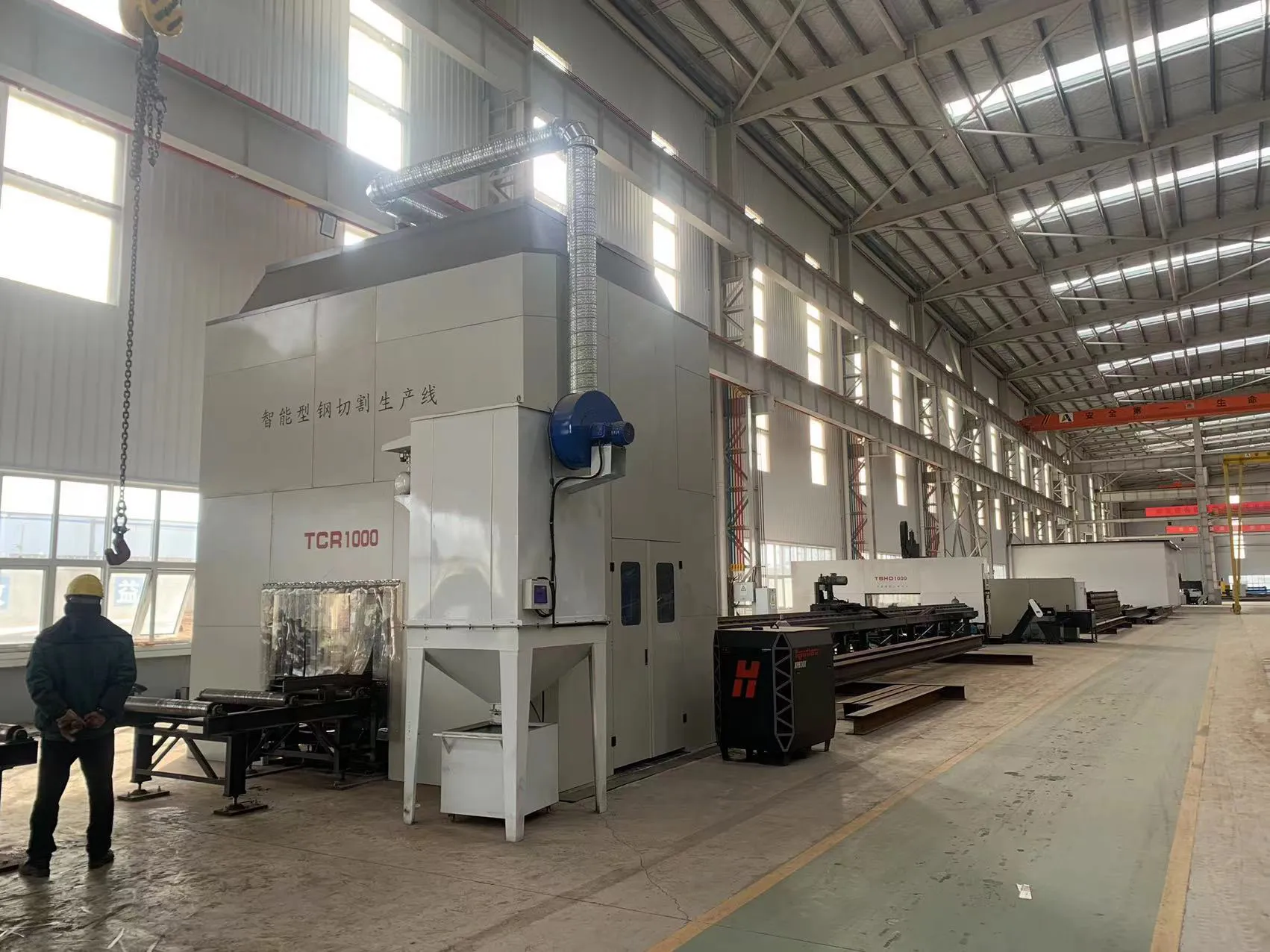
The Technical Advantage of Fiber Laser Technology
The fundamental difference between fiber laser cutting and older technologies lies in the medium used to generate the laser beam. Fiber lasers use a solid-state gain medium, typically an optical fiber doped with rare-earth elements like ytterbium. This results in a laser beam with a wavelength of approximately 1.06 microns. For Queretaro-based engineers, the significance of this wavelength cannot be overstated. Brass is a highly reflective material; at the 10.6-micron wavelength of a CO2 laser, the majority of the energy is reflected off the surface, which can damage the machine’s optics and result in poor cut quality.
At the 1.06-micron wavelength of a fiber laser, brass absorption is significantly higher. This allows the 2kW beam to efficiently melt the material rather than bouncing off it. Furthermore, the beam quality (measured by the M2 factor) of a fiber laser is superior, allowing for a much smaller focal spot. This high power density is what enables the 2kW fiber laser cutting machine to produce clean, burr-free edges on brass plates that were previously considered “un-cuttable” by older laser standards.
Challenges of Laser Cutting Reflective Materials
While fiber lasers are better suited for brass than CO2 lasers, brass remains a “yellow metal” with high thermal conductivity and reflectivity. In Queretaro’s high-output environments, managing back-reflection is a critical engineering challenge. If the laser beam reflects directly back into the cutting head and through the delivery fiber, it can cause catastrophic failure of the laser source. Modern 2kW systems are equipped with optical isolators and back-reflection protection software that shuts down the beam if a dangerous level of reflected light is detected.
To mitigate these risks during the laser cutting process, operators in Queretaro often employ specific techniques. These include “piercing on the fly” or using a specific lead-in geometry that ensures the beam is not perpendicular to the surface at the moment of initial penetration. Once the “pierce” is complete and the beam is moving, the risk of back-reflection drops significantly because the energy is being absorbed by the kerf as it is created.

Optimizing Parameters for Brass Fabrication
Achieving a high-quality finish on brass requires precise control over several variables: power, speed, gas pressure, and focal position. For a 2kW system, the optimal cutting speed for 2mm brass is typically significantly higher than for stainless steel of the same thickness. This is due to the way brass reacts to the concentrated energy of the fiber laser. In Queretaro’s workshops, engineers must balance throughput with edge quality. If the speed is too high, the laser will fail to penetrate; if it is too low, the high thermal conductivity of brass will cause the heat to spread, resulting in a wider kerf and potential dross (slag) on the bottom of the cut.
Assist gas selection is another vital component. For most brass laser cutting applications, high-pressure nitrogen is the gas of choice. Nitrogen acts as a mechanical force to blow the molten brass out of the kerf while preventing oxidation. This results in a bright, clean edge that often requires no secondary finishing. In some specific cases, oxygen can be used to increase cutting speed in thicker brass, but this leads to an oxidized (darkened) edge, which may not be acceptable for the high-precision components required by Queretaro’s aerospace sector.
Queretaro’s Manufacturing Ecosystem and Brass Demand
Queretaro is home to several industrial parks, such as Parque Industrial Querétaro and El Marqués, where the demand for brass components is driven by the automotive and electrical sectors. Brass is prized for its corrosion resistance and electrical conductivity. Components such as busbars, terminals, and specialized valves are frequently produced using laser cutting. The 2kW fiber laser provides the versatility needed to switch between these different types of parts with minimal downtime.
Furthermore, the local supply chain in Queretaro has adapted to support fiber laser technology. Local gas suppliers provide the high-purity nitrogen required for clean cuts, and technical support teams for major CNC brands are increasingly centralized in the region. This infrastructure makes it feasible for small-to-medium enterprises (SMEs) in Queretaro to invest in 2kW machines, knowing that the “uptime” will be supported by a robust local ecosystem.
Technical Maintenance for Longevity
Maintaining a 2kW fiber laser cutting machine in a high-production environment requires a disciplined approach to preventative maintenance. The cutting head is the most sensitive component. Because brass generates a fine metallic dust during the laser cutting process, the protective windows (cover slips) must be inspected daily. Any contamination on the lens can absorb laser energy, leading to thermal deformation or “thermal shift,” where the focal point moves during the cut, ruining the part.
In the climate of Queretaro, which can be dusty and varies in humidity, the chiller system is also paramount. The 2kW resonator and the cutting head must be kept at a constant temperature to ensure beam stability. Operators must ensure that the coolant is treated and the filters are changed according to the manufacturer’s schedule. A failure in the cooling system can lead to wavelength instability, which is particularly detrimental when cutting reflective materials like brass.
Economic Feasibility and ROI
From a financial perspective, the 2kW fiber laser cutting machine offers a compelling Return on Investment (ROI) for Queretaro-based fabricators. While the initial capital expenditure is higher than traditional punching or plasma cutting, the reduction in labor costs and secondary processing is dramatic. Because the fiber laser produces such high-precision cuts, parts can often move directly from the laser bed to the assembly line without the need for grinding or deburring.
Additionally, the energy efficiency of fiber lasers is roughly 3 to 4 times higher than that of CO2 lasers. In Queretaro, where industrial electricity rates are a significant factor in operational overhead, the lower power consumption of a 2kW fiber system provides a direct competitive advantage. When combined with the high cutting speeds—often exceeding 20 meters per minute for thin-gauge brass—the cost-per-part becomes significantly lower than any other fabrication method.
Conclusion: The Future of Brass Fabrication in Queretaro
The integration of 2kW fiber laser cutting technology has redefined what is possible for brass fabrication in Queretaro. By overcoming the historical barriers of reflectivity and thermal conductivity, this technology allows local manufacturers to compete on a global scale, providing high-precision components to demanding industries like aerospace and electronics. As the region continues to grow as a manufacturing powerhouse, the 2kW fiber laser will remain a cornerstone of the modern machine shop.
For engineers and business owners in Queretaro, the transition to fiber laser technology is not merely an upgrade; it is a strategic necessity. The ability to process brass with speed, precision, and repeatability ensures that the local industry can meet the evolving needs of the international market. By mastering the parameters of laser cutting and maintaining the rigorous standards required by the technology, Queretaro’s fabricators are well-positioned to lead the next wave of industrial innovation in Mexico.