
Mastering Brass Fabrication: The 2kW Fiber laser cutting Machine Guide for Mexico City’s Industry
The industrial landscape of Mexico City (CDMX) and its surrounding metropolitan areas, such as Naucalpan and Tlalnepantla, has undergone a significant technological shift over the last decade. As the heart of Mexico’s manufacturing sector, the demand for precision, speed, and cost-efficiency has led to the widespread adoption of advanced laser cutting technology. Among the various power configurations available, the 2kW fiber laser cutting machine has emerged as the “gold standard” for small to medium enterprises (SMEs) and specialized workshops focusing on non-ferrous metals, particularly brass.
Brass, an alloy of copper and zinc, is prized for its aesthetic appeal, corrosion resistance, and electrical conductivity. However, from an engineering perspective, it presents unique challenges due to its high reflectivity and thermal conductivity. This guide explores the technical nuances of utilizing a 2kW fiber laser cutting system to process brass within the specific industrial climate of Mexico City.
The Physics of Fiber Laser Cutting on Reflective Materials
Fiber laser technology utilizes an optical fiber doped with rare-earth elements to amplify light. Unlike traditional CO2 lasers, which operate at a wavelength of approximately 10.6 micrometers, fiber lasers operate at roughly 1.07 micrometers. This shorter wavelength is more readily absorbed by metals, especially reflective ones like brass and aluminum.
When a 2kW beam is focused onto a brass sheet, the energy density is sufficient to overcome the initial reflectance of the material. However, brass remains a “yellow metal,” meaning it reflects a significant portion of the laser energy back into the optical system if not managed correctly. Modern 2kW machines are equipped with back-reflection isolation systems that protect the laser source from damage, a critical feature for any fabrication shop in Mexico City looking to maintain high uptime.

Why 2kW is Ideal for the Mexico City Market
In the context of the Mexican manufacturing sector, versatility is key. A 2kW fiber laser cutting machine offers a balanced performance profile. It is powerful enough to handle brass thicknesses up to 6mm or 8mm (depending on the specific beam quality and gas setup) while remaining energy-efficient compared to high-wattage 6kW or 12kW systems.
For the decorative arts, furniture manufacturing, and electrical component sectors prevalent in the Valle de México, most brass applications fall within the 1mm to 5mm range. At 2kW, the cutting speed for 2mm brass is exceptionally high, often exceeding 15 meters per minute, which allows local manufacturers to meet tight deadlines for both domestic and export markets.
Technical Specifications and Machine Configuration
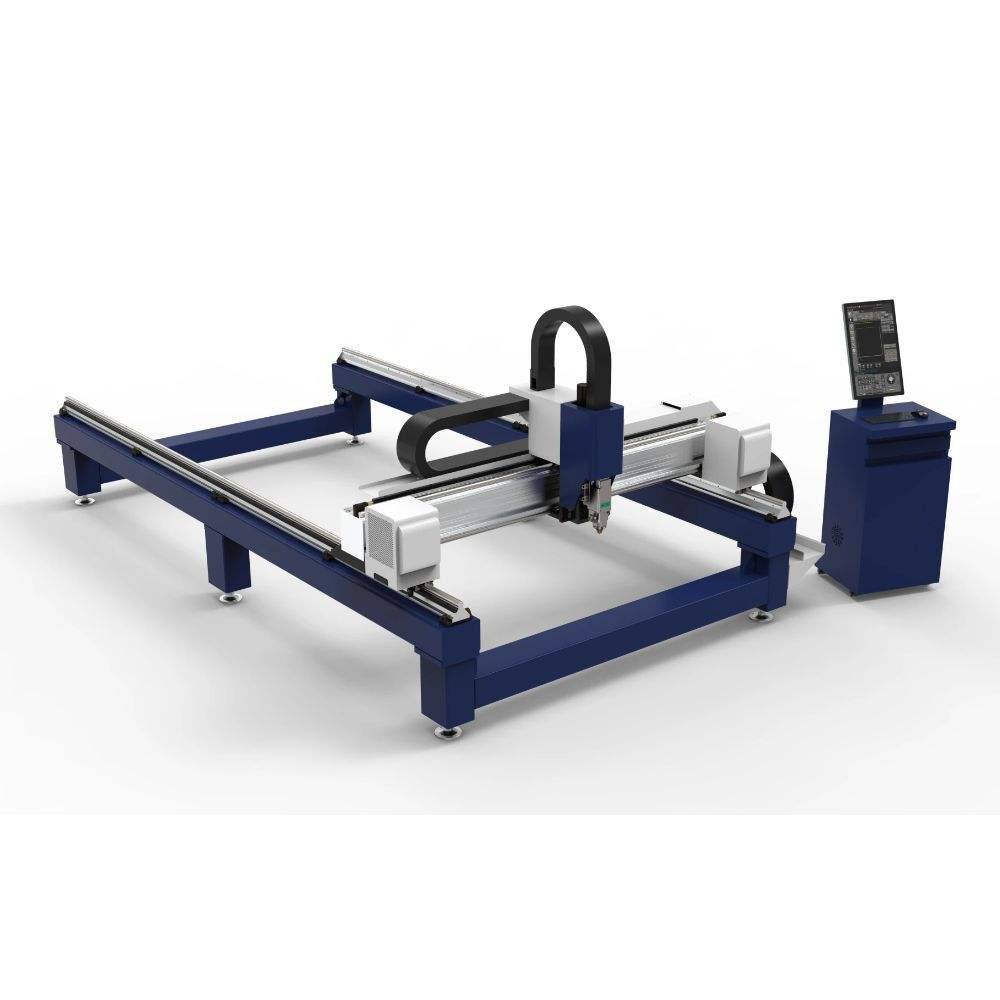
To achieve optimal results when laser cutting brass in Mexico City, the machine configuration must be tailored to the material’s properties. A standard 2kW system usually consists of a laser source (such as Raycus, MaxPhotonics, or IPG), a precision cutting head with autofocus, and a robust CNC controller.
The Importance of the Cutting Head and Autofocus
Brass requires a very stable focal point. Because the material melts and flows differently than carbon steel, even a slight deviation in the focal position can result in excessive dross (slag) or a failed cut. Autofocus cutting heads are essential for 2kW systems because they can adjust the focus in real-time based on the material’s surface variations. This is particularly important for thinner brass sheets which may have slight warping.
Gas Selection: Nitrogen vs. Oxygen
The choice of assist gas is a critical factor in the laser cutting process. For brass, Nitrogen is the preferred choice. Nitrogen acts as a cooling agent and mechanical force to blow the molten metal out of the kerf without causing oxidation. This results in a clean, bright edge that often requires no secondary finishing—a major advantage for Mexico City’s high-end architectural hardware industry.
While Oxygen can be used for thicker brass to take advantage of the exothermic reaction, it often leaves a darkened, oxidized edge that must be cleaned. In a 2kW setup, high-pressure Nitrogen (typically 15-20 bar) is the standard for maintaining the aesthetic integrity of the brass.
Environmental Considerations in Mexico City
Operating high-precision machinery in Mexico City requires attention to environmental variables. The city’s high altitude (approx. 2,240 meters above sea level) results in lower atmospheric pressure. This can affect the cooling efficiency of air-cooled chillers and the dynamics of the assist gas as it exits the nozzle.
Engineers must ensure that the chiller units for the 2kW fiber laser are rated for the local climate. Furthermore, the dust levels in industrial zones like Iztapalapa necessitate rigorous maintenance of the optical windows and bellows to prevent contamination of the laser path. A clean environment is paramount when laser cutting reflective materials, as any dust on the lens can lead to rapid thermal damage when reflecting brass energy is present.
Applications of Laser Cutting Brass in CDMX
The versatility of the 2kW fiber laser has opened new doors for various industries within the capital. Below are the primary sectors benefiting from this technology:
Architectural and Interior Design
Mexico City is a hub for luxury interior design. Brass is frequently used for custom room dividers, decorative wall panels, and high-end furniture inlays. The precision of laser cutting allows for intricate “papel picado” style patterns in brass sheets, which are then polished or patinated for use in Polanco or Santa Fe developments.
Electrical and Electronics Manufacturing
Due to its conductivity, brass is essential for busbars, connectors, and terminals. A 2kW fiber laser provides the accuracy needed for these components, ensuring that bolt holes and contact surfaces meet strict engineering tolerances. The ability to prototype quickly without the need for expensive stamping dies is a significant competitive advantage for local electronics firms.
Jewelry and Fashion Accessories
The historic center of Mexico City has a long tradition of jewelry making. Small-format 2kW laser cutting machines are increasingly used to cut brass “master” shapes that are later plated in gold or silver. The narrow kerf width of the fiber laser minimizes material waste, which is vital even when working with base metals like brass.
Best Practices for Process Optimization
To maximize the ROI of a 2kW fiber laser cutting machine, operators in Mexico City should adhere to the following engineering best practices:
1. Piercing Strategies
Piercing is the most vulnerable moment when laser cutting brass. High-pressure “power piercing” or “staged piercing” should be used to prevent back-reflection from hitting the cutting head before the hole is fully through. Utilizing a “lead-in” that starts away from the actual part geometry ensures that any instability during the initial pierce does not affect the final part quality.
2. Nozzle Selection
For brass, a double-layer nozzle is often recommended when using Nitrogen. The nozzle diameter should be closely matched to the material thickness—typically 1.5mm to 2.5mm for a 2kW system. Keeping the nozzle clean and perfectly centered is non-negotiable; even a tiny burr on the nozzle can disrupt the gas flow and cause “self-reflection” issues.
3. Maintenance of the Optical Path
The protective window (cover glass) is a consumable that must be inspected daily. When laser cutting brass, the risk of “spatter” is higher. Operators should use high-quality consumables and ensure the cutting head’s internal pressure is maintained to prevent dust from entering the upper optical chambers.
4. Software and Nesting
Advanced nesting software can optimize the cutting path to reduce the number of pierces. By using “common line cutting” or “bridge cutting,” the laser stays active for longer periods, reducing the thermal shock of frequent starts and stops. This also helps in managing the heat buildup in the brass sheet, which can lead to thermal expansion and dimensional inaccuracies if not managed.
Conclusion: The Future of Metal Fabrication in Mexico
The 2kW fiber laser cutting machine represents a pivotal investment for any Mexico City-based manufacturer looking to modernize their production line. Its ability to handle the complexities of brass—ranging from industrial electrical components to fine architectural details—makes it an indispensable tool.
As the “Nearshoring” trend continues to bring more manufacturing back to North America, Mexican shops equipped with fiber laser technology will be best positioned to capture this growth. By understanding the specific requirements of laser cutting brass—such as gas dynamics, back-reflection protection, and the impact of CDMX’s unique altitude—engineers can ensure their operations remain productive, precise, and profitable for years to come.
In summary, while brass is a challenging material, the 2kW fiber laser provides the perfect balance of power and control. With the right machine configuration and a commitment to maintenance, the possibilities for brass fabrication in the heart of Mexico are virtually limitless.
















