
Introduction to High-Power laser cutting in Guadalajara’s Industrial Sector
Guadalajara has long been recognized as the “Silicon Valley of Mexico,” but its industrial identity extends far beyond electronics and software. Today, the city is a critical hub for the automotive, aerospace, and heavy construction industries. As these sectors evolve, the demand for high-precision, high-throughput manufacturing technology has skyrocketed. Among these technologies, the 20kW tube laser cutter represents the pinnacle of modern fabrication, offering unparalleled speed and thickness capabilities for complex tube geometries.
For fabricators in the Jalisco region, the transition to ultra-high-power fiber lasers is no longer a luxury—it is a competitive necessity. Utilizing a 20kW source allows for the processing of materials that were previously difficult or slow to cut, specifically galvanized steel. This guide explores the technical nuances of operating a 20kW tube laser cutter, focusing on the specific challenges and advantages of processing galvanized steel within the unique industrial ecosystem of Guadalajara.
 laser cutting machine” style=”max-width: 100%; height: auto; margin: 20px 0;”>
The Engineering Advantage of 20kW Fiber Laser Sources
In the realm of laser cutting, power correlates directly with efficiency and the range of processable wall thicknesses. A 20kW fiber laser provides a power density that allows the beam to vaporize metal almost instantaneously. When compared to the previous industry standards of 6kW or 12kW, the 20kW system offers a significant leap in “pierce time” and “linear cutting speed.”
Increased Throughput and Speed
For tube processing, speed is critical because the machine must often perform complex rotations and movements simultaneously with the laser head’s travel. A 20kW system can process medium-thickness galvanized steel tubes at speeds exceeding 40 meters per minute, depending on the geometry. This high velocity reduces the total heat input into the material, which is essential for maintaining the structural integrity of the tube and preventing warping.
Enhanced Thickness Capabilities
While lower-power lasers struggle with thick-walled structural tubes, a 20kW source can effortlessly handle wall thicknesses up to 20mm or more in carbon steel and significant thicknesses in galvanized alloys. This makes it an ideal tool for Guadalajara’s construction suppliers who produce heavy-duty frames for commercial buildings and infrastructure projects.
Processing Galvanized Steel: Technical Challenges
Galvanized steel is widely used in the Bajío region due to its excellent corrosion resistance, which is vital for the automotive and outdoor furniture industries. However, laser cutting galvanized steel presents unique metallurgical challenges. The material consists of a steel core coated with a layer of zinc. Zinc has a much lower melting and boiling point than steel (boiling at 907°C, while steel melts at approximately 1500°C).
The Zinc Vaporization Problem
During the laser cutting process, the zinc coating vaporizes before the steel melts. This vapor can interfere with the laser beam and the assist gas flow, often leading to “spatter” or “dross” on the underside of the cut. In high-power 20kW applications, the intensity of the beam can exacerbate this vaporization, requiring precise control over the focal position and gas pressure to ensure a clean edge.
Managing Fumes and Safety
One of the most critical aspects of laser cutting galvanized steel in a high-density industrial area like Guadalajara is fume extraction. Zinc oxide fumes are toxic and can cause “metal fume fever” if not properly managed. A 20kW machine generates a high volume of particulate matter. Therefore, a high-capacity, multi-stage filtration system is mandatory to comply with Mexican environmental regulations (NOM) and to protect the health of the machine operators.
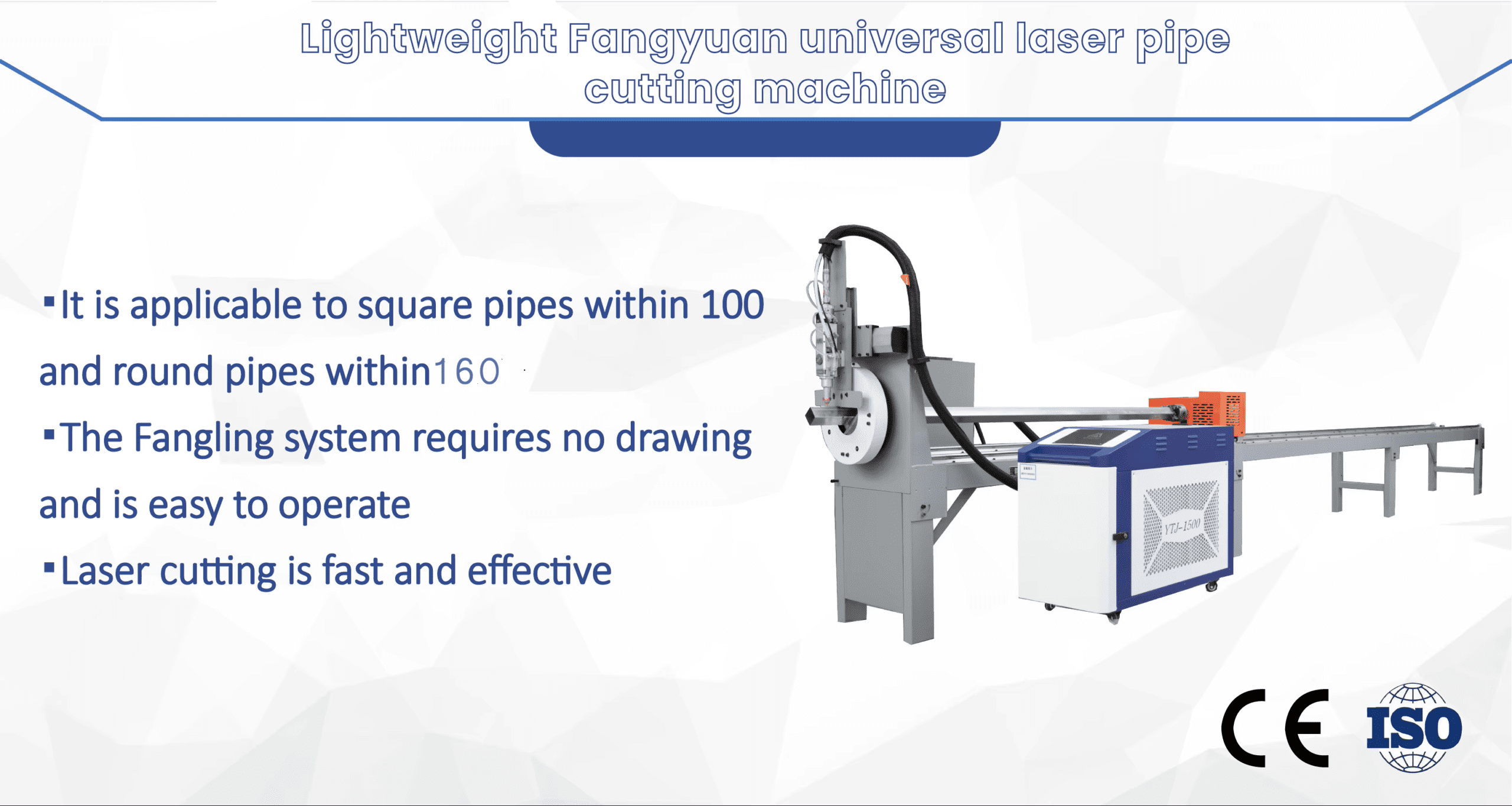
Optimization Strategies for 20kW Laser Cutting in Guadalajara
To maximize the Return on Investment (ROI) of a 20kW tube laser in Guadalajara, engineers must optimize several parameters. The local climate—characterized by moderate temperatures but varying humidity—can affect the performance of the chiller and the purity of the compressed air used in the cutting process.
Assist Gas Selection: Nitrogen vs. Oxygen
For galvanized steel, the choice of assist gas is paramount.
- Nitrogen: This is the preferred gas for 20kW laser cutting of galvanized tubes. Nitrogen acts as a mechanical force to blow away the molten metal without causing an exothermic reaction. This results in a clean, oxide-free edge that is ready for welding or painting without further processing.
- Oxygen: While oxygen can increase cutting speeds in thick carbon steel, it often reacts poorly with the zinc coating on galvanized steel, leading to a charred edge and poor finish. In a 20kW environment, nitrogen is almost always the standard for high-quality galvanized output.
Nozzle Technology and Focal Calibration
Using a 20kW source requires specialized nozzles that can handle high gas flow and resist the heat reflected from the material. For galvanized steel, “cool-touch” or double-layered nozzles are often used to maintain a stable gas curtain. Engineers in Guadalajara must ensure that the focal point is set slightly into the material to ensure that the energy density is sufficient to pierce both the zinc layer and the steel core simultaneously, minimizing the “zinc flare” effect.
Integration into Guadalajara’s Automotive Supply Chain
The automotive industry in Jalisco and neighboring Guanajuato relies heavily on Tier 2 and Tier 3 suppliers who can deliver high volumes of precision-cut tubes for chassis, exhaust systems, and safety cages. The 20kW tube laser cutter is perfectly suited for this demand.
Precision and Repeatability
Automotive components require tolerances within fractions of a millimeter. The advanced CNC controllers found on 20kW machines use real-time feedback loops to adjust for tube “bow” or “twist,” ensuring that every cut is identical. This level of precision is vital for the automated robotic welding cells commonly used in Guadalajara’s assembly plants.
Nesting and Material Savings
Given the rising cost of raw materials, efficient nesting is essential. Modern laser cutting software can optimize the layout of parts on a single tube, reducing scrap rates. With the high speed of a 20kW laser, fabricators can run high-density nests that would be too time-consuming on lower-powered machines, significantly lowering the “cost-per-part.”
Maintenance and Environmental Considerations
Operating a 20kW laser in an industrial environment requires a rigorous maintenance schedule. The high power output puts significant stress on the optical components and the cooling system.
Chiller Performance in the Jalisco Climate
Guadalajara’s altitude and temperature profiles mean that the laser’s chilling unit must be robust. A 20kW fiber laser generates substantial heat. If the chiller fails to maintain a constant temperature (typically within ±0.5°C), the laser wavelength can shift, leading to inconsistent cutting quality. Regular checks of the coolant levels and heat exchanger cleanliness are mandatory.
Optical Path Integrity
The cutting head of a 20kW system is a masterpiece of engineering. It contains sensitive lenses and protective windows that must remain perfectly clean. Even a microscopic speck of dust can absorb enough energy from a 20kW beam to shatter the lens. In the dusty environments typical of some industrial zones in Guadalajara, maintaining a pressurized, clean-air environment for the machine is a best practice.
Conclusion: The Future of Tube Fabrication in Mexico
The adoption of 20kW tube laser cutting technology is transforming the manufacturing landscape in Guadalajara. By mastering the complexities of galvanized steel processing—from gas dynamics to fume management—local fabricators are positioning themselves as global leaders in high-efficiency production.
As the “Nearshoring” trend continues to bring more manufacturing from Asia to Mexico, the ability to provide high-precision, high-volume laser cutting services will be the deciding factor in winning major international contracts. The 20kW tube laser is not just a tool; it is a statement of industrial capability, proving that Guadalajara’s engineering sector is ready for the challenges of the next decade. Investing in this technology, combined with local expertise and specialized training, ensures that the region remains the heart of Mexico’s industrial innovation.
















