
Introduction to 20kW Tube laser cutting in the Mexican Industrial Landscape
The manufacturing sector in Mexico City and the surrounding metropolitan area has undergone a significant technological transformation over the last decade. As the hub for automotive, aerospace, and heavy structural engineering, the demand for precision and throughput has necessitated the adoption of ultra-high-power fiber technology. The 20kW tube laser cutter represents the current pinnacle of this evolution, offering unprecedented speed and thickness capabilities specifically for carbon steel applications. In an environment like Mexico City (CDMX), where industrial space is at a premium and energy efficiency is critical, the transition from traditional plasma or mechanical sawing to high-wattage laser cutting is not merely an upgrade—it is a strategic necessity.
Operating a 20kW system requires a deep understanding of fiber optics, thermodynamics, and material science. This guide explores the technical nuances of utilizing 20kW of fiber power to process carbon steel tubes, focusing on the unique environmental and logistical variables present in the Valley of Mexico.
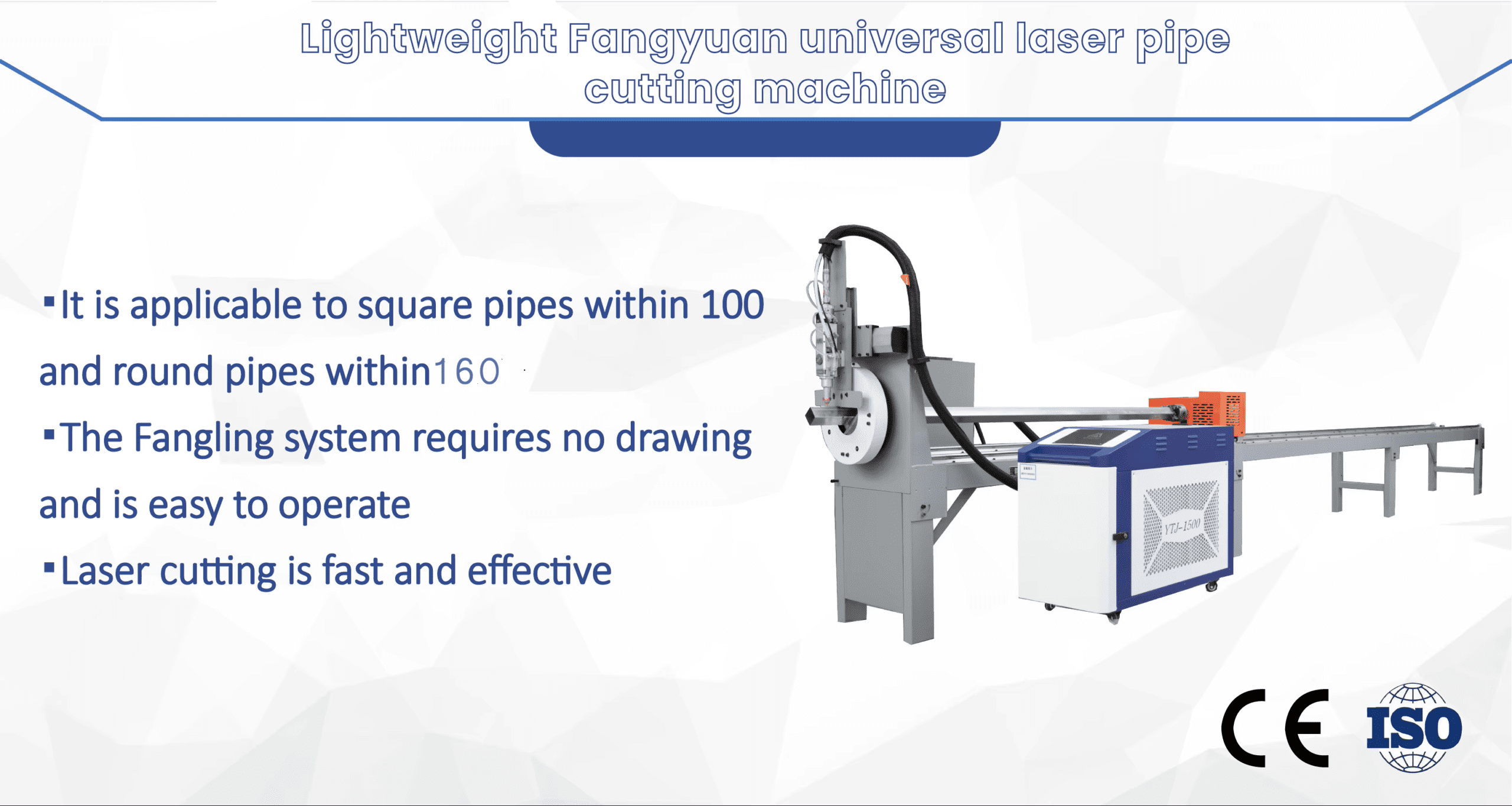
The Physics of 20kW Power: Beyond Speed
While many fabricators associate higher wattage exclusively with linear cutting speed, the true advantage of a 20kW source lies in its power density and the ability to maintain a stable plasma keyhole in thicker sections of carbon steel. For tube laser cutting, this power level allows for the processing of wall thicknesses that were previously the exclusive domain of plasma cutters, but with the finish quality and tolerance of a laser.
Enhanced Piercing Capabilities
In carbon steel processing, the piercing cycle is often the bottleneck. A 20kW fiber laser utilizes high-frequency pulsing and sophisticated gas pressure ramping to “blast” through 16mm to 25mm wall thicknesses in a fraction of the time required by a 6kW or 10kW system. This reduction in piercing time prevents heat buildup in the surrounding material, which is crucial for maintaining the structural integrity of the tube and preventing thermal deformation, especially in rectangular or square profiles where heat dissipation is uneven.
Beam Quality and Kerf Management
At 20,000 watts, the beam quality (M2 factor) must be meticulously managed. Modern 20kW systems employ variable beam parameter products (BPP), allowing the operator to adjust the spot size and energy distribution. For thinner carbon steel tubes, a narrow, concentrated beam maximizes speed. For thicker structural beams, a wider beam profile is used to create a slightly larger kerf, facilitating easier dross removal and ensuring that the internal “slug” drops freely without welding itself to the interior of the tube.
Processing Carbon Steel: Material Considerations
Carbon steel remains the backbone of the Mexican construction and automotive industries. However, the quality of the steel can vary significantly. When laser cutting at 20kW, the chemical composition of the carbon steel—specifically the silicon and phosphorus content—greatly influences the result.
Oxygen vs. Nitrogen/Air Cutting
In Mexico City’s industrial zones, the choice of assist gas is a critical economic and technical decision.
- Oxygen (O2): Traditionally used for carbon steel, oxygen facilitates an exothermic reaction, allowing for lower power consumption but limited speed. At 20kW, oxygen is used primarily for very thick-walled structural tubing where a smooth, oxide-covered edge is acceptable.
- Nitrogen (N2) or High-Pressure Air: This is where the 20kW system shines. By using high-pressure nitrogen or filtered compressed air, the laser relies purely on its own energy to melt the metal. This results in an oxide-free edge, which is essential for components that will move directly to a powder coating or high-precision welding line without secondary cleaning.

Environmental and Logistical Factors in Mexico City
Operating high-precision machinery in Mexico City presents unique challenges that are often overlooked in standard manuals. The altitude, power grid stability, and humidity levels must be integrated into the machine’s operational parameters.
The Altitude Factor
Mexico City sits at approximately 2,240 meters above sea level. The atmospheric pressure is lower than at sea level, which affects the density of the assist gases and the cooling efficiency of the chiller systems. A 20kW laser cutting system generates a massive amount of heat. Operators must ensure that the refrigeration units are rated for high-altitude operation, as thinner air is less efficient at carrying heat away from the heat exchangers. Furthermore, the gas pressure settings may need to be calibrated to compensate for the lower ambient pressure to ensure consistent laminar flow through the nozzle.
Power Grid Stability and Conditioning
The electrical infrastructure in certain industrial sectors of CDMX, such as Vallejo or Iztapalapa, can experience voltage fluctuations and harmonic noise. A 20kW fiber laser is a sensitive electronic instrument. It is mandatory to install a heavy-duty industrial voltage stabilizer and a dedicated grounding system to protect the ytterbium-doped fiber modules. Power surges can not only interrupt the laser cutting process but can also cause permanent damage to the diode banks, which are costly to replace.
Advanced Tube Handling and Kinematics
A 20kW laser is only as productive as the machine’s ability to move the material. For tube laser cutting, this involves complex multi-axis synchronization. When processing heavy carbon steel pipes—often weighing hundreds of kilograms—the chuck system must be robust enough to handle the inertia of rapid starts and stops.
Automatic Loading and Centering
To maximize the ROI of a 20kW system, manual loading is rarely feasible. Integrated bundle loaders that can sort and feed 6-meter or 12-meter tubes are standard. In the context of carbon steel, which can often have slight bows or twists from the mill, the machine’s “touch-probe” or laser-sensing centering system is vital. It detects the actual position of the tube in space and adjusts the cutting path in real-time to ensure that holes and notches are perfectly aligned with the tube’s center of gravity.
Structural Profiles: C-Channels and I-Beams
The 20kW power level allows for the efficient processing of open profiles like C-channels and I-beams, which are common in Mexican infrastructure projects. The 3D cutting head must navigate the flanges and webs of these profiles without collision. The high power ensures that even when the laser is cutting at an angle (beveling), it has enough energy to penetrate the material consistently.
Maintenance Protocols for High-Wattage Systems
Maintenance for a 20kW system is more rigorous than for lower-power units. The intensity of the beam means that even a microscopic speck of dust on the protective window can lead to a “thermal lens” effect or, worse, a catastrophic failure of the cutting head.
Optical Cleanliness
In the industrial environments of Mexico City, airborne particulates can be high. The laser cutting head must be kept in a pressurized, clean environment. Daily inspections of the protective lens are required. At 20kW, any contamination will absorb laser energy, heat up rapidly, and potentially crack the lens, leading to downtime and potential damage to the internal collimating optics.
Chiller Water Chemistry
The chiller is the heart of the 20kW system. It must maintain a precise temperature (usually within +/- 0.5 degrees Celsius). In Mexico City, the mineral content of the local water can be high. It is imperative to use deionized water with appropriate biocide and corrosion inhibitors to prevent scale buildup inside the laser source and the cutting head’s cooling channels. Scale buildup restricts flow and can lead to overheating of the fiber delivery cable.
Economic Impact and ROI in the Mexican Market
Investing in a 20kW tube laser cutter is a significant capital expenditure. However, for a “taller de servicios” (service center) or an OEM in Mexico City, the competitive advantages are clear. The ability to cut thicker carbon steel faster means more “spindle time” available for more jobs.
Furthermore, the reduction in secondary processes—such as grinding, drilling, and deburring—drastically lowers labor costs. In a market where lead times are increasingly compressed, the 20kW machine allows a shop to take on structural projects that were previously outsourced or done with slower, less accurate methods. The efficiency of laser cutting also reduces material waste through advanced nesting software, which is a critical factor given the fluctuating prices of raw carbon steel in the global market.
Conclusion: The Future of Fabrication in CDMX
The 20kW tube laser cutter is more than just a tool; it is a catalyst for industrial growth. For companies in Mexico City looking to compete on a global scale, particularly within the USMCA framework, adopting this technology provides the precision and speed necessary to meet international standards. By understanding the specific requirements of carbon steel, adapting to the local environmental conditions of the Valley of Mexico, and maintaining rigorous operational standards, manufacturers can leverage the full potential of laser cutting to drive innovation and productivity in the heart of Mexico’s industrial zone.




























