
Introduction to 20kW Tube laser cutting in the Toluca Industrial Corridor
The industrial landscape of Toluca, Mexico, has undergone a significant transformation over the last decade. As one of the country’s primary manufacturing hubs, the region has transitioned from traditional mechanical fabrication to high-precision automated systems. At the forefront of this evolution is the 20kW tube laser cutter, a machine that represents the pinnacle of fiber laser technology. For manufacturers in the State of Mexico, particularly those dealing with non-ferrous metals like brass, the introduction of 20kW power levels has redefined what is possible in terms of speed, thickness, and edge quality.
The 20kW fiber laser is not merely an incremental upgrade over 10kW or 12kW systems; it is a fundamental shift in processing capability. In a city like Toluca, where the automotive, aerospace, and electrical sectors converge, the ability to process thick-walled brass tubes with high repeatability is a competitive necessity. This guide explores the technical intricacies of 20kW laser cutting, specifically optimized for brass applications within the unique industrial climate of Toluca.
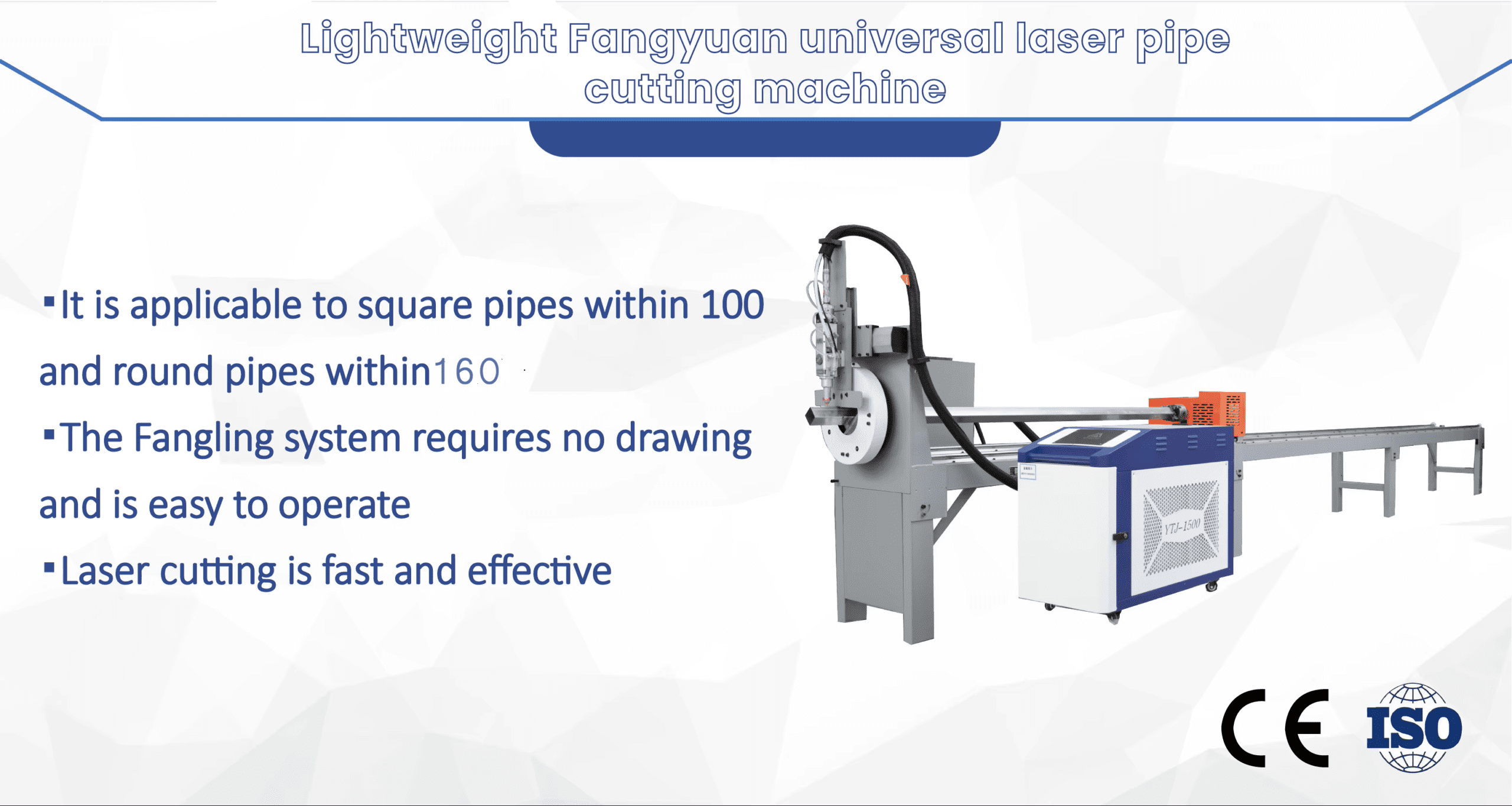 laser cutting machine“>
The Physics of 20kW Fiber Laser Technology
The core of the 20kW system lies in its fiber laser resonator. Unlike CO2 lasers, which rely on a gas mixture and mirrors, fiber lasers generate the beam through a series of pump diodes and an ytterbium-doped fiber. At 20,000 watts, the power density at the focal point is immense. For laser cutting, this means the material reaches its vaporization point almost instantaneously, minimizing the Heat Affected Zone (HAZ).
For engineers in Toluca, the 20kW output offers a specific advantage: the “power reserve.” When cutting highly reflective materials like brass, the initial piercing phase requires a massive burst of energy to overcome the material’s natural tendency to reflect light. A 20kW source provides the necessary overhead to ensure stable beam absorption, preventing back-reflection that could otherwise damage the optical components of lower-powered machines.
Processing Brass: Overcoming Reflectivity and Thermal Conductivity
Brass, an alloy of copper and zinc, is notoriously difficult to process using traditional thermal methods. Its high thermal conductivity means that heat dissipates rapidly away from the cut zone, and its high reflectivity makes it a “mirror” for certain laser wavelengths. However, the 1.06-micron wavelength of a fiber laser is absorbed much more efficiently by brass than the 10.6-micron wavelength of a CO2 laser.
The 20kW Advantage for Brass Tubes
When laser cutting brass tubes—whether they are round, square, or rectangular—the 20kW system allows for high-speed nitrogen-assisted cutting. Nitrogen acts as a shielding gas, preventing oxidation and ensuring that the cut edges remain bright and free of dross. In the Toluca manufacturing sector, where brass is often used for decorative architectural elements or high-end electrical connectors, this “clean cut” eliminates the need for secondary finishing processes, significantly reducing the total cost per part.
Furthermore, the 20kW power allows for the processing of brass walls up to 20mm or more in thickness. Previously, such thicknesses would have required waterjet cutting or mechanical sawing, both of which are slower and less precise. The high-power fiber laser maintains a narrow kerf width even in thick materials, allowing for intricate geometries and tight tolerances that were previously unattainable.
Mitigating Back-Reflection
One of the primary concerns for Toluca-based operators is the safety of the machine’s optics. Brass reflects a significant portion of the laser energy during the initial pierce. Modern 20kW systems are equipped with advanced back-reflection sensors and “isolators.” These components detect any light bouncing back into the delivery fiber and can shut down the beam in microseconds to prevent catastrophic damage. When laser cutting brass, the 20kW system uses a specific pulsing strategy during the pierce to maximize absorption before transitioning to a continuous wave for the cut.

Why Toluca? The Regional Context for High-Power Fabrication
Toluca’s position as a logistics and manufacturing powerhouse makes it the ideal location for 20kW laser technology. The city’s industrial parks, such as Exportec and Toluca 2000, host a variety of Tier 1 and Tier 2 suppliers for the global automotive market. Brass components, ranging from radiator parts to specialized bushings and electrical housings, are in constant demand.
Proximity to Supply Chains
Being located in Toluca provides manufacturers with direct access to Mexico’s primary metal supply chains. The ability to receive raw brass tubing and immediately process it with a 20kW laser cutting system reduces lead times for international clients. Moreover, the local availability of industrial gases—specifically high-purity nitrogen and oxygen—is essential for maintaining the continuous operation of a high-power laser.
Skilled Labor and Engineering Expertise
The presence of prestigious institutions like the Monterrey Institute of Technology (ITESM) and the Autonomous University of the State of Mexico (UAEM) in the region ensures a steady flow of engineering talent. Operating a 20kW tube laser requires more than just a basic operator; it requires a technician who understands CNC programming, nesting optimization, and the metallurgical properties of the alloys being cut. Toluca’s workforce is uniquely positioned to maximize the ROI of these sophisticated machines.
Technical Specifications of the 20kW Tube Laser
Advanced Chuck Systems
A 20kW tube laser is only as good as its workpiece handling. For brass tubes, which can be heavy and prone to surface scratching, advanced pneumatic or hydraulic chucks are used. These chucks provide high clamping force to prevent slippage during high-speed rotations while maintaining the sensitivity required to avoid deforming thin-walled tubes. Many 20kW systems in the Toluca market feature “four-chuck” configurations, which allow for zero-tailing processing, significantly reducing material waste—a critical factor when working with expensive alloys like brass.
3D Cutting Heads
To fully utilize the 20kW power, many machines are equipped with 5-axis or 3D laser cutting heads. This allows for beveled cuts and complex intersections, which are common in the heavy machinery and architectural brass industries. The head must be capable of handling the intense thermal load of a 20kW beam, often utilizing sophisticated water-cooling circuits and high-grade internal optics to maintain focal stability over long production runs.
Economic Impact and ROI for Toluca Manufacturers
Investing in a 20kW tube laser is a significant capital expenditure. However, the ROI is driven by the sheer throughput of the machine. In the context of Toluca’s competitive landscape, the ability to cut brass three to five times faster than a 6kW machine allows a shop to take on more volume without increasing its footprint.
Energy Efficiency and Gas Consumption
While 20kW sounds like a high energy requirement, fiber lasers are remarkably efficient, converting over 30% of electrical input into laser light. When laser cutting brass, the speed of the 20kW system means that the “time per part” is so low that the total energy and gas consumed per piece is often lower than that of a less powerful machine. In Toluca, where energy costs are a major operational factor, this efficiency is a key driver for upgrading to higher power levels.
Expansion into New Markets
With 20kW of power, a job shop in Toluca is no longer limited to thin-gauge materials. They can bid on contracts for heavy-duty brass valves, thick-walled decorative columns, and specialized aerospace components. This versatility diversifies the business, making it more resilient to fluctuations in any single industrial sector.
Maintenance and Operational Best Practices in Toluca
The environment in Toluca can be dusty and subject to temperature fluctuations. For a 20kW laser cutting system, environmental control is paramount. The laser source and the chiller must be housed in a temperature-controlled environment to prevent condensation on the optics. Regular maintenance of the dust extraction system is also vital, as the vaporized zinc in brass can create fine particulate matter that must be efficiently removed from the cutting cabinet.
Operators should perform daily checks on the protective windows (cover slips) of the laser head. Even a tiny speck of dust can be heated by the 20kW beam, leading to a “thermal lens” effect or a cracked lens. By adhering to a strict maintenance schedule, Toluca manufacturers can ensure their 20kW systems operate at peak performance for years.
Conclusion
The 20kW tube laser cutter is more than just a machine; it is a catalyst for industrial growth in Toluca. By mastering the laser cutting of brass at these extreme power levels, local manufacturers can position themselves as leaders in the North American supply chain. The combination of high-speed processing, unmatched precision, and the ability to handle complex geometries ensures that the 20kW fiber laser will remain the gold standard for metal fabrication in the region for the foreseeable decade.
















