Mastering the 20kW Tube laser cutter: A Guide for Brass Fabrication in Tijuana
The industrial landscape of Tijuana, Baja California, has undergone a radical transformation over the last decade. As a primary hub for the “Maquiladora” industry and a strategic neighbor to the Southern California market, Tijuana has transitioned from simple assembly to high-tech precision manufacturing. At the forefront of this evolution is the implementation of ultra-high-power fiber laser technology. Specifically, the 20kW tube laser cutting machine has emerged as a cornerstone for facilities specializing in non-ferrous metals like brass. This guide explores the technical intricacies, operational advantages, and strategic importance of utilizing 20kW laser cutting systems for brass tube fabrication in the Tijuana industrial corridor.
The Physics of 20kW Fiber Laser Technology
A 20kW fiber laser represents the upper echelon of current industrial power levels. Unlike lower-wattage systems, a 20kW source provides a power density that fundamentally changes the interaction between the beam and the material. In the context of laser cutting, the “fiber” refers to the gain medium—an optical fiber doped with rare-earth elements. This configuration results in a beam with exceptional quality (low M2 factor) and a wavelength of approximately 1.06 micrometers.
For brass, this wavelength is critical. Brass is a highly reflective alloy, particularly in its solid state. Traditional CO2 lasers, with a wavelength of 10.6 micrometers, suffer from high reflectance, where the majority of the energy is bounced back into the optics rather than being absorbed by the metal. The shorter wavelength of a 20kW fiber laser is absorbed much more efficiently by brass. When combined with 20,000 watts of power, the system can instantly overcome the material’s reflectivity, initiating a stable “keyhole” melt pool that allows for high-speed processing of even the thickest tube walls.
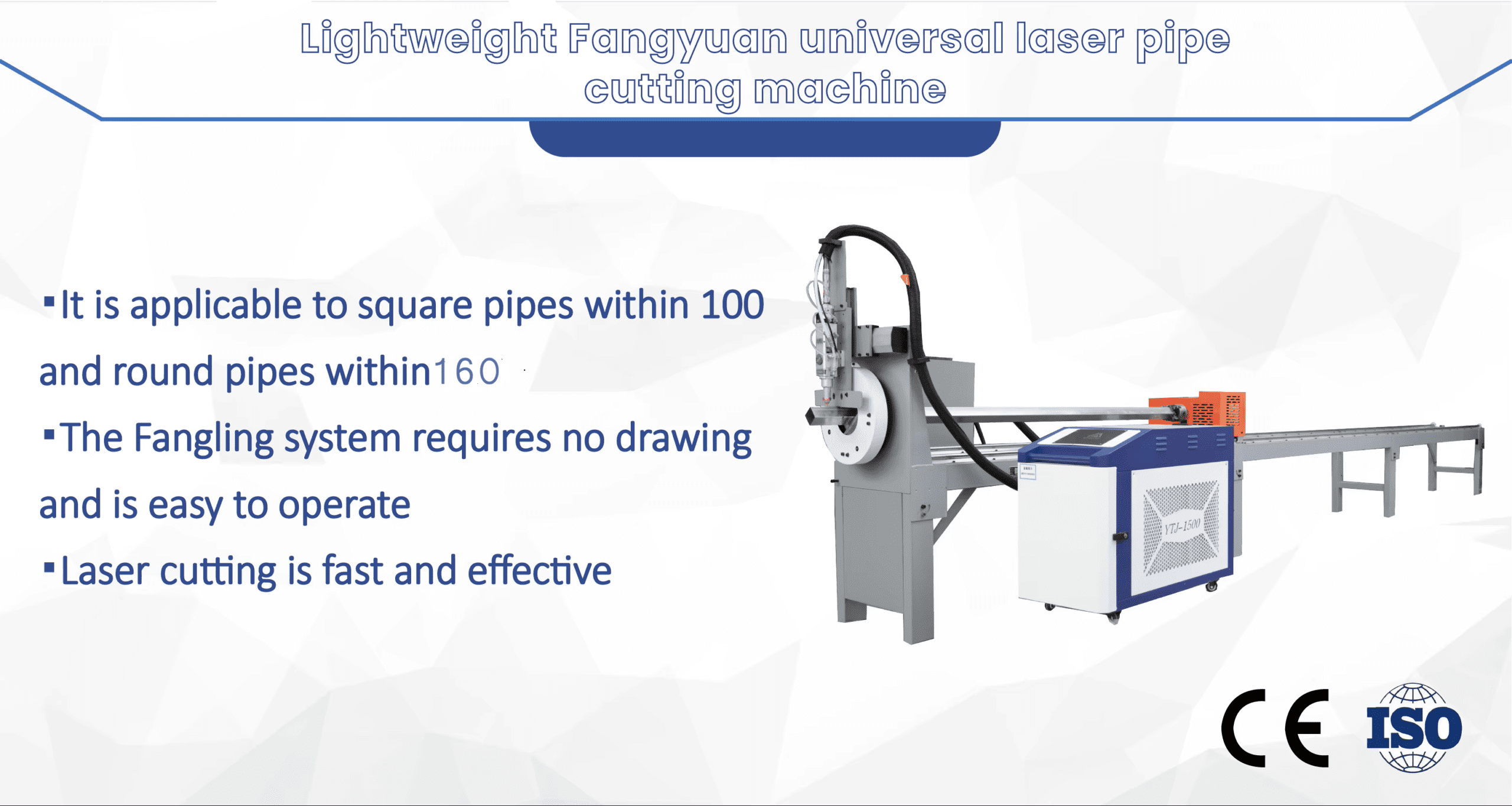 laser cutting machine MAK160″ style=”width: 100%; max-width: 800px; height: auto; margin: 20px 0;”>
Overcoming the Challenges of Reflective Materials
Processing brass in a high-production environment like Tijuana requires a deep understanding of thermal dynamics. Brass (an alloy of copper and zinc) has high thermal conductivity. This means that as the laser applies heat, the material rapidly conducts that heat away from the cut zone. Lower power lasers often struggle because the heat dissipates faster than the laser can melt the path, leading to wide kerfs, dross formation, and potential damage to the machine.
The 20kW system solves this through sheer velocity. By delivering an immense amount of energy in a concentrated spot, the laser cutting process occurs so rapidly that the heat does not have time to migrate into the surrounding material. This results in a narrow Heat Affected Zone (HAZ) and a cleaner edge. Furthermore, modern 20kW machines are equipped with advanced back-reflection protection. These optical isolators detect any laser light reflected from the brass surface and divert it safely, preventing catastrophic damage to the fiber source—a common risk when working with polished brass tubes.
Strategic Advantages for the Tijuana Manufacturing Sector
Tijuana’s proximity to the United States makes it a vital link in the global supply chain, particularly for sectors like aerospace, medical devices, and high-end architectural hardware. Brass is a preferred material in these industries due to its corrosion resistance, electrical conductivity, and aesthetic appeal. The adoption of 20kW tube laser cutting provides local manufacturers with several competitive edges:
Unmatched Throughput and Efficiency
In the high-volume environment of Tijuana’s industrial parks, speed is synonymous with profitability. A 20kW laser can process brass tubes at speeds three to five times faster than a 4kW or 6kW system. This increased feed rate reduces the “cost per part” by maximizing the number of units produced per shift. For complex geometries—such as those found in decorative brass lighting or intricate plumbing manifolds—the 20kW system maintains precision without sacrificing the rapid cycle times required by international clients.
Capability for Heavy-Walled Tubing
While lower power lasers are limited to thin-walled brass, the 20kW source allows for the processing of heavy-duty structural brass tubes. Walls thicknesses exceeding 12mm or 15mm, which previously required mechanical sawing or plasma cutting (both of which require extensive secondary finishing), can now be cut with laser precision. This capability opens new markets for Tijuana shops, including heavy industrial fluid handling and specialized automotive components.

Technical Parameters for Brass Tube Laser Cutting
To achieve optimal results with a 20kW system, engineers in Tijuana must calibrate several critical parameters. The goal is to balance speed, edge quality, and gas consumption.
Assist Gas Selection: Nitrogen vs. Oxygen
For brass, Nitrogen is the standard assist gas. It acts as a mechanical force to blow the molten metal out of the kerf while preventing oxidation. At 20kW, the pressure of the Nitrogen must be precisely regulated. High-pressure Nitrogen (often exceeding 15-20 bar) ensures that the zinc in the brass does not vaporize and create a “cloud” that interferes with the beam. While Oxygen can be used for thicker sections of carbon steel, it is generally avoided for brass as it can cause excessive burning and a poor surface finish.
Nozzle Geometry and Focal Position
The 20kW beam requires specialized nozzles capable of handling high gas volumes and the intense thermal energy of the beam. Double-layer nozzles are frequently used to stabilize the gas flow. The focal position is typically set slightly below the surface of the brass tube to ensure the “keyhole” remains open throughout the thickness of the wall. With the massive power reserve of 20kW, the focal point is less sensitive than in lower power systems, providing a wider “process window” and more consistent results across different batches of brass.
Nesting and Software Integration
Advanced CAD/CAM software is essential for tube laser cutting. In Tijuana’s export-oriented shops, maximizing material utilization is key to offsetting the high cost of brass. Modern software allows for “common line cutting” and sophisticated nesting of parts within the tube length. This reduces scrap and ensures that the 20kW machine spends more time cutting and less time moving between paths.
Operational Excellence in the Tijuana Context
Operating a 20kW tube laser in Tijuana involves more than just the machine itself; it requires a robust infrastructure. The local power grid and industrial facilities must be capable of supporting the high electrical draw and the cooling requirements of a 20kW chiller system. Furthermore, the workforce in Tijuana has become increasingly skilled in CNC programming and laser maintenance, making it one of the few regions in North America where such high-power technology can be effectively deployed and maintained.
Automation and Material Handling
A 20kW laser cuts so fast that manual loading becomes a bottleneck. Most 20kW tube laser cutting installations in Tijuana feature automated bundle loaders. These systems can feed raw brass tubes into the machine continuously, allowing for lights-out manufacturing. Given the weight of brass (which is denser than steel), automated chucks with precise pressure control are necessary to prevent deforming the tubes while ensuring they remain centered during high-speed rotation.
Quality Control and Standards
Because many products manufactured in Tijuana are destined for the US and European markets, adherence to ISO and ASTM standards is mandatory. The precision of the 20kW laser ensures that tolerances within +/- 0.1mm are consistently met. This level of accuracy eliminates the need for manual deburring or secondary machining, allowing parts to move straight from the laser to assembly or plating.
Maintenance and Longevity of High-Power Systems
Investing in a 20kW tube laser is a significant capital expenditure. To ensure a long service life, especially when cutting reflective brass, a rigorous maintenance schedule is required. The protective windows (cover slips) must be inspected daily for any signs of dust or “pitting” caused by back-reflection. Even a tiny speck of debris can absorb enough 20kW energy to shatter the lens, leading to costly downtime.
In the dusty or humid environments sometimes found in coastal industrial zones, clean-room standards for the laser head are vital. Tijuana-based operators must ensure that the internal optics remain pristine and that the chiller fluid is changed regularly to prevent “thermal lensing,” which can distort the beam profile and degrade cut quality over time.
Conclusion: The Future of Fabrication in Tijuana
The integration of 20kW tube laser cutting technology represents a significant leap forward for the Tijuana manufacturing sector. By mastering the challenges of brass—specifically its reflectivity and thermal conductivity—local fabricators are positioning themselves as world-class providers of precision components. The 20kW fiber laser does not just offer more power; it offers a new paradigm of speed, versatility, and economic efficiency.
As the demand for high-quality brass components continues to grow in the aerospace, green energy, and luxury goods sectors, the ability to process these materials with unparalleled precision will define the leaders of the industry. For manufacturers in Tijuana, the 20kW tube laser is more than a tool; it is a strategic asset that bridges the gap between raw material and high-value engineering, ensuring the region remains a dominant force in global manufacturing for decades to come.