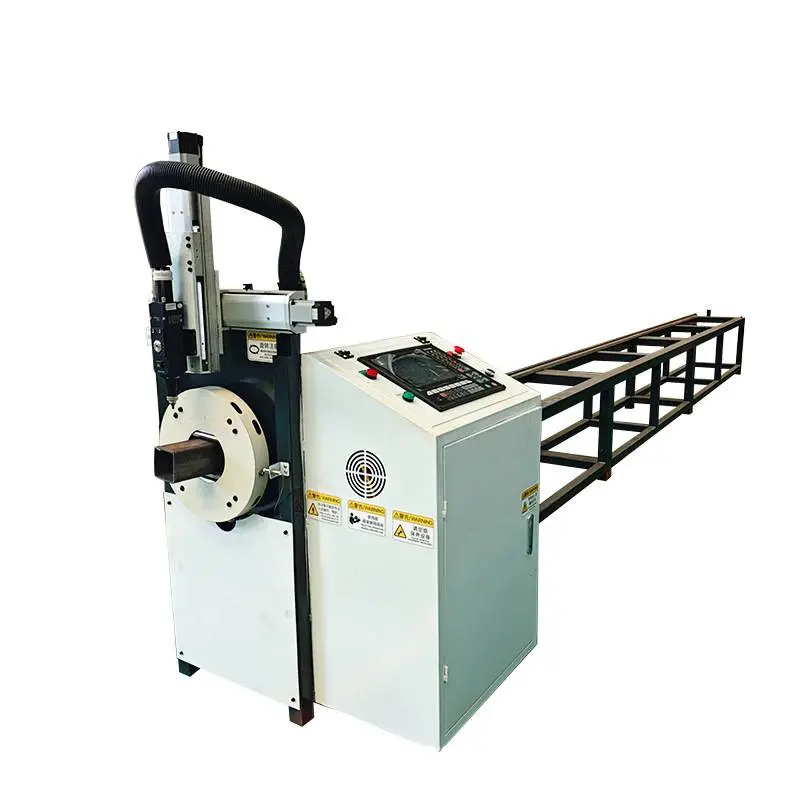
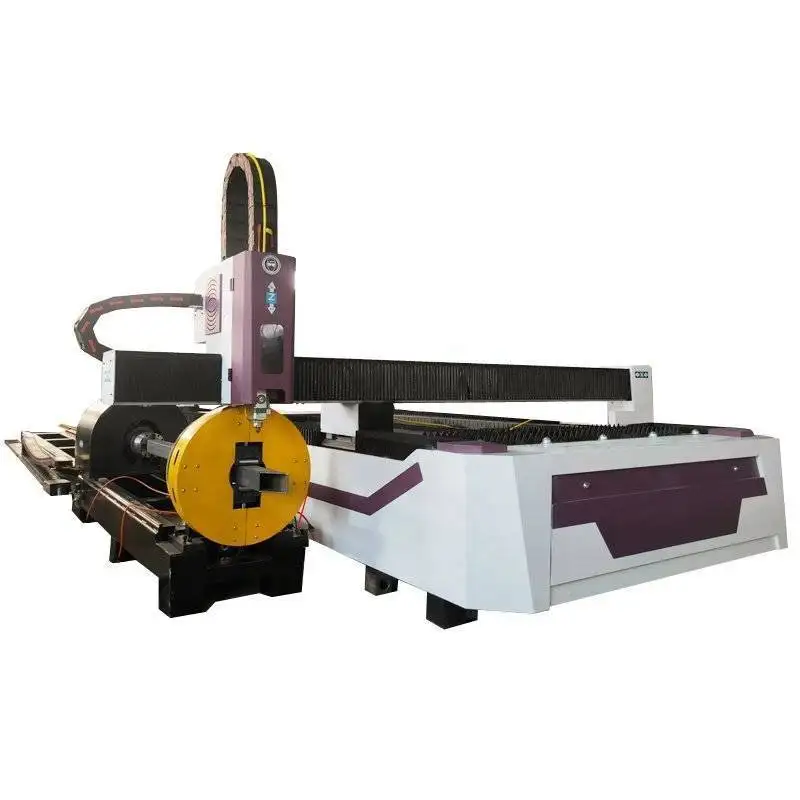
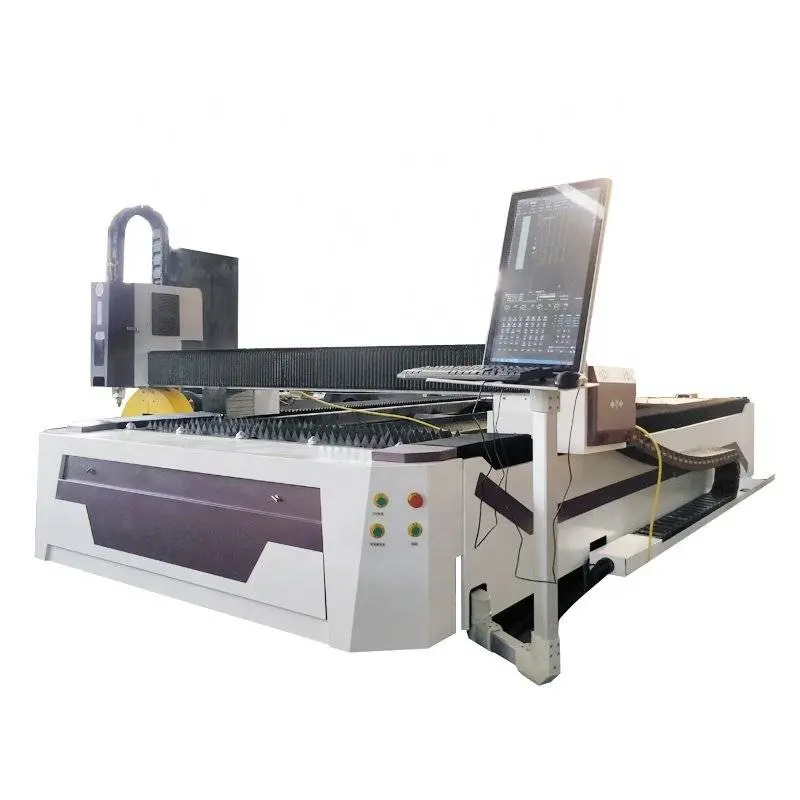
Introduction to 20kW Tube laser cutting Technology
The industrial landscape of Puebla, Mexico, has long been a cornerstone of North American manufacturing. As the region transitions toward Industry 4.0, the adoption of high-power fiber laser systems has become a critical factor for competitive advantage. Among these technologies, the 20kW tube laser cutter stands out as a pinnacle of engineering, specifically designed to handle the rigorous demands of heavy-duty fabrication and the intricate requirements of highly reflective alloys. In the context of Puebla’s diverse industrial base—ranging from automotive giants like Volkswagen and Audi to specialized architectural metalwork—the ability to process brass tubing with precision and speed is transformative.
A 20kW laser source provides an unprecedented power density that redefines the boundaries of laser cutting. While lower-wattage systems often struggle with the thermal conductivity and reflectivity of non-ferrous metals, the 20kW threshold allows for “brute force” penetration combined with sophisticated beam modulation. This guide explores the technical nuances of utilizing such high-power systems for brass tube processing within the specific economic and industrial framework of Puebla.
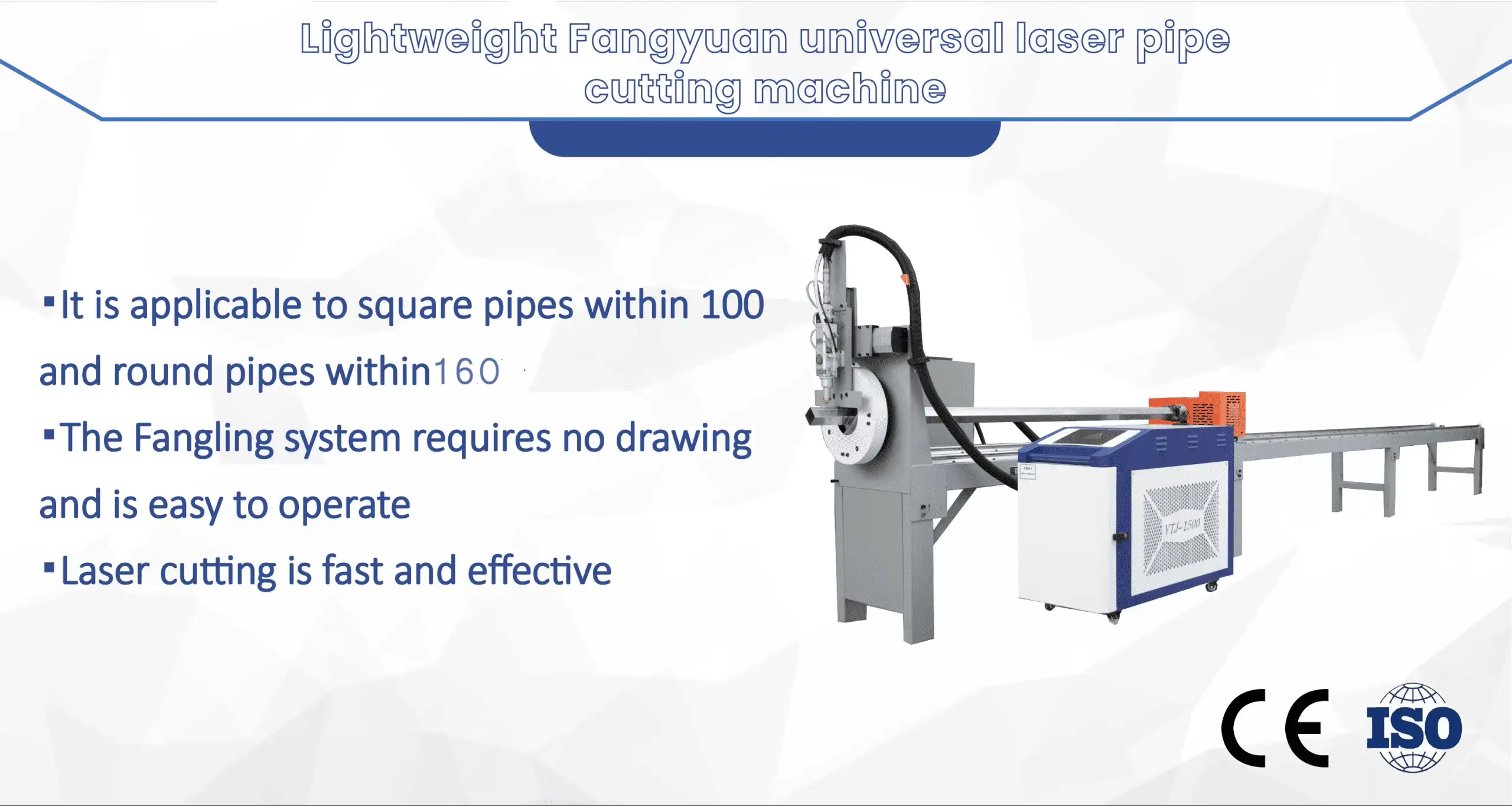
The Physics of 20kW Fiber Lasers on Brass
Overcoming Reflectivity and Thermal Conductivity
Brass, an alloy primarily composed of copper and zinc, presents unique challenges for laser cutting. It is characterized by high optical reflectivity in the infrared spectrum and high thermal conductivity. In traditional CO2 laser systems, the beam is often reflected back into the optics, causing catastrophic damage. However, the 1.06-micron wavelength of a 20kW fiber laser is much more readily absorbed by brass.
The 20kW power level is particularly advantageous because it enables a “keyhole” welding-mode cutting process. At this intensity, the laser instantly vaporizes the material, creating a vapor column that traps the laser energy, significantly reducing the percentage of reflected light. This allows for faster piercing and cleaner edges on thick-walled brass tubes that would be impossible to process with 4kW or 6kW systems.
Beam Quality and Power Density
Engineering a 20kW system requires more than just increasing the power of the diodes. It involves sophisticated beam delivery systems that maintain a high BPP (Beam Parameter Product). For the fabricators in Puebla’s industrial parks, this means that even at maximum power, the kerf width remains narrow, and the Heat Affected Zone (HAZ) is minimized. This is vital for brass components used in precision fluid handling or decorative architectural elements where structural integrity and aesthetic finish are paramount.
Strategic Applications in Puebla’s Industrial Sector
Automotive and Aerospace Integration
Puebla is home to one of the most sophisticated automotive clusters in Latin America. The 20kW tube laser cutter is increasingly utilized for manufacturing specialized bushings, fluid manifolds, and heat exchanger components. Brass, known for its corrosion resistance and spark-resistant properties, is often used in specialized automotive sensors and fuel system components. The speed of a 20kW system allows Puebla-based Tier 1 and Tier 2 suppliers to meet the high-volume demands of Just-In-Time (JIT) manufacturing cycles while maintaining tolerances within microns.
Architectural and Decorative Metalwork
Beyond heavy industry, Puebla has a rich tradition of architectural excellence. The use of brass in modern construction—ranging from handrails to custom lighting fixtures—requires intricate geometry that only a CNC-controlled tube laser can provide. The 20kW capacity allows for the laser cutting of thick-walled aesthetic tubes, enabling designers to create structural brass elements that were previously limited to casting or manual machining.
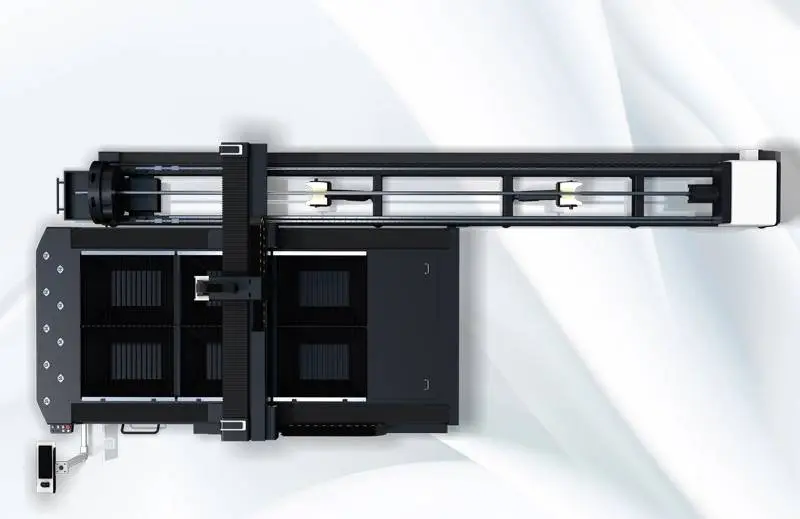
Technical Specifications and Machine Configuration
Advanced Chucking Systems
For a 20kW system, the mechanical stability of the machine is as important as the laser source. High-speed laser cutting generates significant centrifugal forces, especially when processing asymmetrical or heavy brass tubes. Modern machines feature pneumatic or hydraulic four-chuck systems that provide synchronized rotation and support. This prevents tube vibration and ensures that the focal point remains consistent throughout the rotation, which is essential for maintaining a clean cut on the underside of the tube.
Gas Dynamics and Nozzle Selection
When processing brass with a 20kW laser, the choice of assist gas is a critical engineering decision. Nitrogen is typically the gas of choice for brass to prevent oxidation of the cut edge, ensuring a bright, weld-ready finish. However, at 20kW, the gas pressure and nozzle design must be optimized to clear the high-velocity molten metal produced. High-pressure “flow-optimized” nozzles are used to create a laminar gas flow that shields the optics from spatter while efficiently ejecting the dross from the kerf.
Focal Length and Auto-Focus Heads
The 20kW beam requires specialized optics capable of handling extreme thermal loads without thermal shifting. Intelligent cutting heads equipped with real-time sensors monitor the temperature of the protective windows and automatically adjust the focal position. For brass, which can vary slightly in alloy composition, the ability to fine-tune the focus during the cut is essential for achieving a burr-free finish.
Operational Best Practices for Brass in Puebla
Material Sourcing and Surface Preparation
In the Puebla region, brass tubing is sourced from both domestic and international suppliers. Consistency in material grade (e.g., C260 or C360) is vital. Operators must ensure that the tubes are free of heavy oxidation or oil coatings, as these can affect the initial absorption of the laser beam. High-power laser cutting is sensitive to surface contaminants which can cause “micro-reflections” during the piercing phase.
Optimizing Cutting Parameters
Engineering a successful cut on a 20kW machine involves balancing three variables: power, speed, and gas pressure. For thick-walled brass (e.g., 10mm to 15mm), a 20kW system might operate at 60-80% power to maintain a stable plasma cloud while maximizing feed rate. Over-powering can lead to excessive dross, while under-powering increases the risk of back-reflection. Puebla’s high altitude (approximately 2,135 meters) can also affect gas density; therefore, pneumatic systems must be calibrated to compensate for the lower atmospheric pressure to ensure consistent assist gas delivery.
Maintenance and Safety Protocols
Cooling Systems and Thermal Management
A 20kW fiber laser generates significant heat within the resonator and the cutting head. High-capacity industrial chillers are mandatory. In Puebla’s climate, which can experience significant temperature fluctuations, these chillers must be equipped with precise dual-circuit temperature control to prevent condensation on the optics. Regular maintenance of the coolant quality and heat exchangers is the first line of defense against system downtime.
Safety and Protective Housing
The 1.06-micron wavelength of a fiber laser is invisible and extremely hazardous to the human eye. A 20kW system must be fully enclosed in a Class 1 laser-safe housing. In an industrial setting like those found in Puebla’s Finsa or San José Chiapa parks, safety protocols must include interlocked access doors and specialized viewing windows. Furthermore, the laser cutting of brass produces fine metal particulates and zinc oxide fumes, necessitating a high-efficiency dust extraction and filtration system to protect operators and the environment.
Economic Impact and ROI for Puebla Manufacturers
The investment in a 20kW tube laser cutter is significant, but the Return on Investment (ROI) is driven by the dramatic increase in throughput. For a fabrication shop in Puebla, replacing multiple mechanical saws, drills, and lower-power lasers with a single 20kW unit reduces labor costs and floor space requirements. The ability to offer high-speed processing of brass tubing allows local shops to compete for international contracts, particularly in the renewable energy sector where brass components are used in electrical distribution and cooling systems.
Furthermore, the precision of 20kW laser cutting eliminates the need for secondary finishing processes. In traditional manufacturing, brass tubes often require deburring or grinding after being cut. The high-power fiber laser produces an edge quality that is often ready for immediate assembly or welding, further shortening the production cycle and increasing the overall profitability of the manufacturing operation.
Conclusion
The 20kW tube laser cutter represents a paradigm shift for the metalworking industry in Puebla. By mastering the technical requirements of laser cutting brass—a material once considered difficult for lasers—local manufacturers can unlock new levels of productivity and precision. As the region continues to grow as a global manufacturing hub, the integration of high-power fiber laser technology will be the catalyst for innovation, enabling the production of complex, high-quality components that meet the rigorous standards of the modern world. Whether for the automotive lines of San José Chiapa or the architectural projects in Angelópolis, the 20kW tube laser is the tool that defines the future of fabrication in Puebla.