
Introduction to 20kW Tube laser cutting in Toluca’s Industrial Sector
The industrial landscape of Toluca, State of Mexico, has undergone a significant transformation over the last decade. As a primary hub for automotive, aerospace, and heavy machinery manufacturing, the region demands high-precision engineering solutions that can keep pace with global supply chain requirements. Among these technologies, the 20kW tube laser cutter stands out as a pinnacle of modern fabrication. This high-power fiber laser system is specifically engineered to handle the complexities of non-ferrous metals, particularly aluminum alloy, which is increasingly favored for its strength-to-weight ratio.
Implementing a 20kW system is not merely an upgrade in power; it is a fundamental shift in production capability. In the context of Toluca’s manufacturing corridor, where efficiency and throughput are paramount, the ability to perform high-speed laser cutting on thick-walled aluminum tubes provides a competitive edge. This guide explores the technical nuances, operational advantages, and specific applications of 20kW tube laser technology for aluminum alloy processing in the Toluca region.
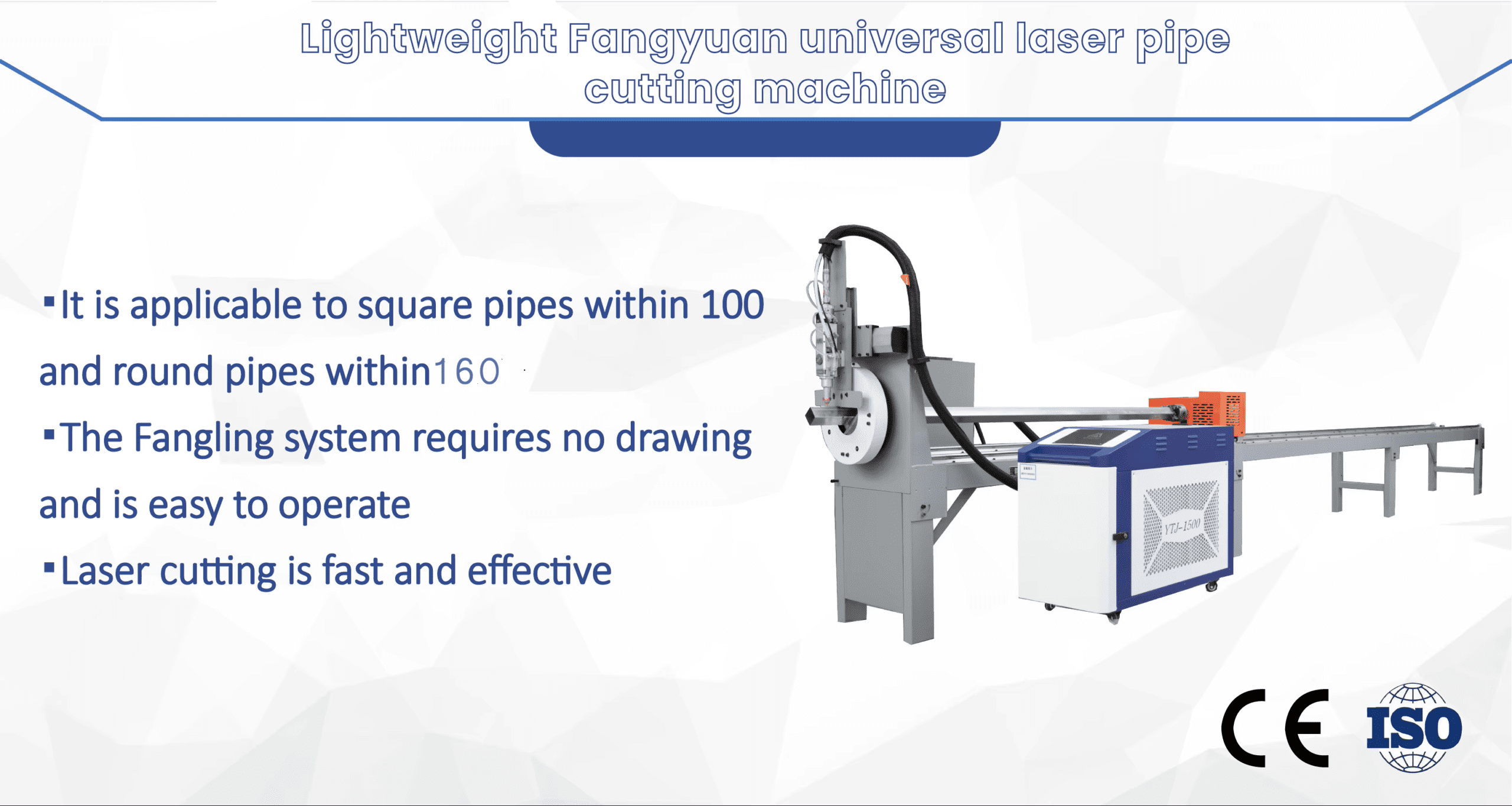 laser cutting machine“>
The Technical Superiority of 20kW Fiber Laser Sources
Understanding Power Density and Beam Quality
The 20kW power rating represents a significant threshold in fiber laser technology. At this level, the laser source generates an immense power density that can instantaneously vaporize aluminum, a metal known for its high thermal conductivity and reflectivity. Traditional lower-power lasers often struggle with aluminum because the material dissipates heat rapidly, leading to inconsistent cuts or “back-reflection” that can damage the laser source.
A 20kW fiber laser overcomes these hurdles by delivering a concentrated beam with an optimized M2 factor (beam quality). This allows for a smaller focal spot, which increases the pressure of the vaporized metal and enables faster cutting speeds. For engineers in Toluca working with 6000-series or 7000-series aluminum alloys, this means cleaner edges and a significantly reduced heat-affected zone (HAZ), preserving the structural integrity of the alloy.
Overcoming Reflectivity in Aluminum Alloy
Aluminum is inherently reflective in its molten state, which historically posed a risk to fiber laser components. Modern 20kW systems are equipped with advanced back-reflection protection and optical isolation. These systems detect any light bouncing back from the aluminum surface and divert it safely, allowing the laser cutting process to continue without interruption. This is critical for the continuous production environments found in Toluca’s industrial parks, such as Parque Industrial Lerma or Exportec.
Mechanical Components of the 20kW Tube Laser Cutter
Precision Chuck Systems and Stability
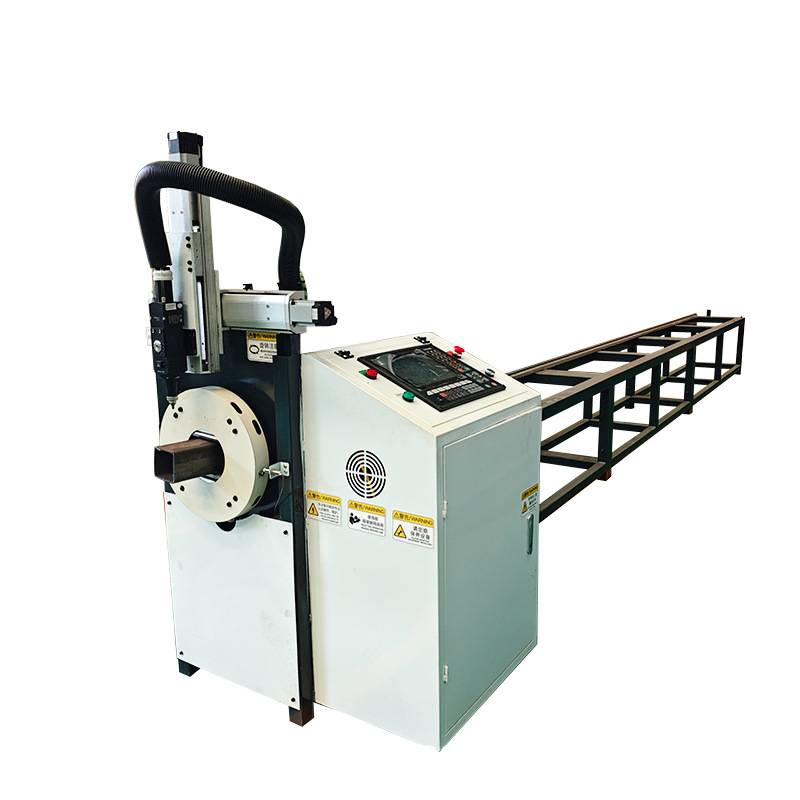
To handle the power of a 20kW source, the mechanical structure of the tube laser must be exceptionally rigid. The machine typically features a heavy-duty bed, often made of high-tensile steel or mineral casting, to dampen vibrations. The chuck system—the component that holds and rotates the tube—must offer high-speed synchronization with the laser head. Pneumatic or hydraulic chucks are utilized to provide a firm grip on various profiles, including round, square, rectangular, and oval aluminum tubes, ensuring that the laser cutting path remains precise even at high acceleration rates.
Advanced CNC Control and Software Integration
The “brain” of the 20kW tube laser is its CNC system, often running specialized software like CypTube or similar high-end platforms. For manufacturers in Toluca, integration with Industry 4.0 standards is essential. These controllers manage real-time adjustments of laser power, frequency, and gas pressure based on the tube’s wall thickness and the specific aluminum alloy grade. The software also allows for complex nesting, which minimizes material waste—a vital factor given the fluctuating costs of aluminum raw materials.
Applications in Toluca’s Core Industries
Automotive Structural Components
Toluca is home to some of the world’s largest automotive OEMs and Tier 1 suppliers. The shift toward Electric Vehicles (EVs) has increased the demand for lightweight aluminum structural frames and battery enclosures. A 20kW tube laser cutter can process thick-walled aluminum extrusions used in chassis components with incredible speed. The precision of the laser cutting process ensures that holes, notches, and complex geometries are cut within tolerances of +/- 0.1mm, facilitating seamless robotic welding in subsequent assembly stages.
Aerospace and Defense Fabrication
The aerospace sector in the State of Mexico requires materials that meet stringent safety and performance standards. Aluminum alloys like 2024 or 7075 are common in this industry. The 20kW laser’s ability to cut through these high-strength alloys without causing micro-cracking or excessive thermal distortion is a major advantage. This technology is used to create lightweight tubing for hydraulic systems, seat frames, and internal fuselage supports.
Construction and Architectural Infrastructure
In Toluca’s growing urban and industrial infrastructure, aluminum is frequently used for curtain walls, specialized scaffolding, and modular building frames. The 20kW tube laser allows for the rapid production of these components, enabling architectural designs that require complex interlocking joints or aesthetic perforations that would be impossible or too costly to achieve with mechanical sawing or milling.
Optimizing the Laser Cutting Process for Aluminum
Assist Gas Selection: Nitrogen vs. Oxygen
The choice of assist gas is critical when laser cutting aluminum with a 20kW source. Nitrogen is the preferred choice for most aluminum applications because it acts as a shielding gas, preventing oxidation of the cut edge. This results in a “bright” finish that requires no post-processing before welding or painting. While oxygen can be used to increase cutting speeds in some thicker materials, it often leaves an oxide layer on aluminum that must be mechanically removed. In the high-efficiency shops of Toluca, nitrogen generators are often paired with 20kW lasers to ensure a constant, cost-effective supply of high-purity gas.
Focus Position and Nozzle Calibration
Given the high power of a 20kW system, focus management is automated. The laser head uses a dynamic focusing system that adjusts the focal point relative to the material surface in microseconds. For aluminum, the focal point is typically set slightly below the surface of the material to ensure that the high-energy density effectively “pushes” the molten aluminum through the kerf. Nozzle selection is equally important; a double-layer nozzle is often used to stabilize the gas flow and protect the protective window from spatter during the initial piercing phase.
Maintenance and Operational Longevity in Toluca
Cooling Systems and Thermal Management
A 20kW fiber laser generates significant heat within the resonator and the cutting head. In Toluca’s climate, which can vary in humidity and temperature, a high-capacity industrial chiller is mandatory. These chillers must maintain a dual-temperature circuit—one for the laser source and one for the optics—to prevent condensation and thermal expansion. Regular maintenance of the chiller’s deionized water and filters is essential to prevent downtime in a 24/7 production environment.
Optical Integrity and Cleanliness
The high power density of 20kW means that even a microscopic particle of dust on the protective window can lead to “thermal lens” effects or catastrophic failure of the optic. Operating a laser cutting facility in an industrial zone like Toluca requires strict adherence to cleanliness. Operators must be trained in clean-room protocols for changing protective windows and ensuring that the beam path remains uncontaminated. This proactive maintenance ensures the machine maintains its precision over years of heavy use.
Conclusion: The Future of Metal Fabrication in Toluca
The integration of 20kW tube laser cutting technology represents a milestone for Toluca’s manufacturing sector. By mastering the processing of aluminum alloy at such high power levels, local fabricators can offer services that meet the highest international standards. The combination of high speed, extreme precision, and the ability to handle complex geometries positions the 20kW tube laser as the cornerstone of modern industrial production.
As industries in the State of Mexico continue to evolve toward more sustainable and lightweight materials, the demand for sophisticated laser cutting solutions will only grow. Investing in 20kW technology is not just about staying current; it is about defining the future of engineering excellence in one of Mexico’s most vital industrial corridors. Whether for automotive innovation, aerospace precision, or structural integrity, the 20kW tube laser cutter is the engine driving Toluca’s next industrial revolution.
















