
Comprehensive Guide to 20kW Sheet Metal laser cutting for Stainless Steel in Guadalajara
The industrial landscape of Guadalajara, often referred to as the “Silicon Valley of Mexico,” is undergoing a significant transformation. As the capital of Jalisco continues to expand its manufacturing footprint in the aerospace, automotive, and food processing sectors, the demand for high-precision fabrication has skyrocketed. Central to this evolution is the implementation of 20kW fiber laser cutting technology. This guide explores the technical intricacies, operational advantages, and economic impact of deploying 20kW systems specifically for stainless steel applications within the Guadalajara industrial corridor.
The Paradigm Shift: Why 20kW Matters
For years, the industry standard for fiber lasers hovered between 4kW and 6kW. While these machines were efficient for thin gauges, they struggled with the heavy-duty requirements of thick stainless steel plate processing. The introduction of 20kW power levels has redefined the boundaries of what is possible. In a 20kW system, the energy density is sufficient to not only cut faster but to maintain a much smaller heat-affected zone (HAZ), which is critical for the structural integrity of stainless steel components used in high-pressure environments.
In Guadalajara’s competitive market, throughput is the primary differentiator. A 20kW laser cutting system can process 10mm to 20mm stainless steel at speeds that were previously unthinkable, often doubling or tripling the output of a 6kW machine. This allows local fabricators to meet the tight just-in-time (JIT) delivery schedules required by international OEMs operating in Jalisco.
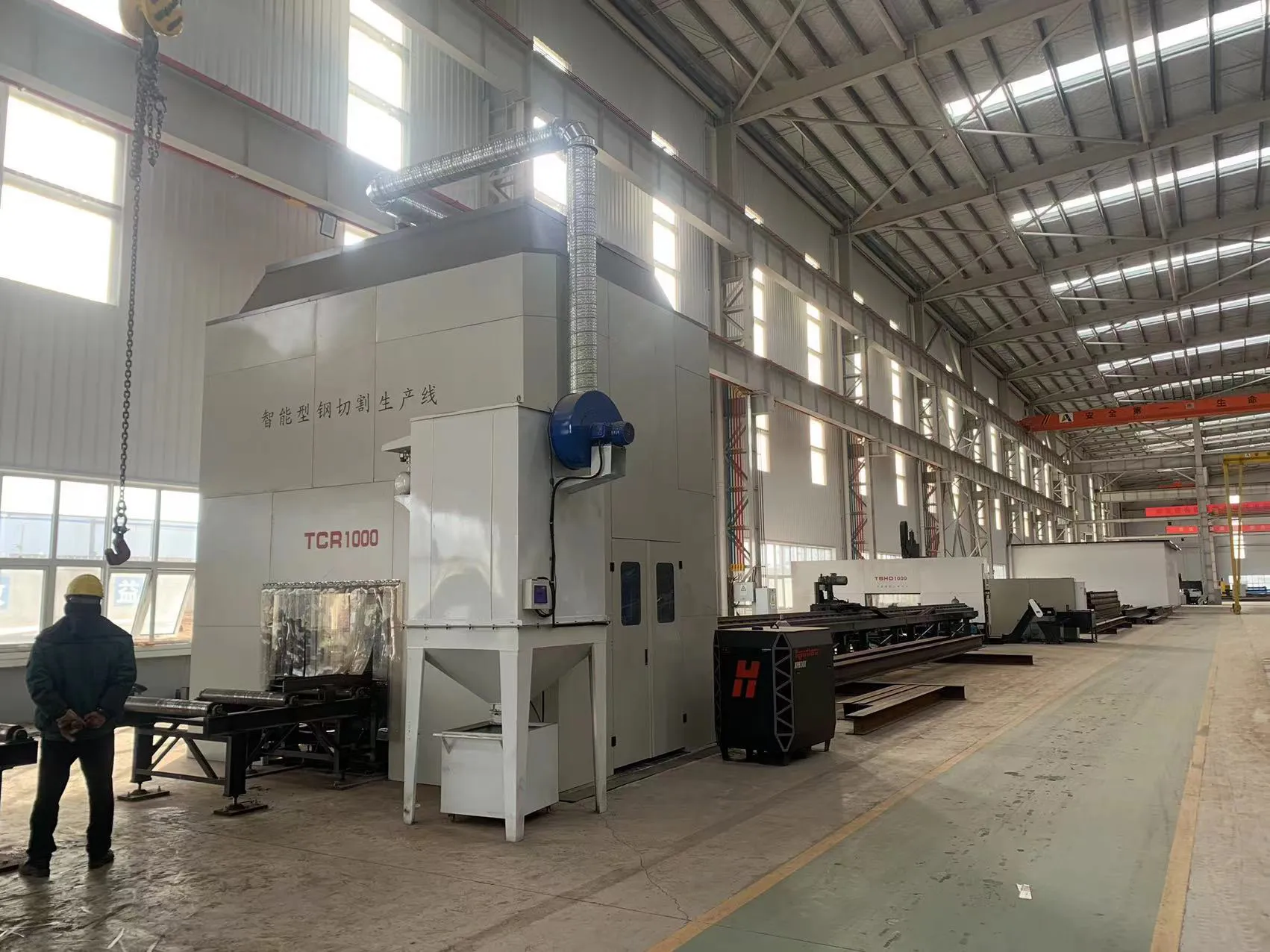 laser cutting machine” style=”max-width: 100%; height: auto; margin: 20px 0;”>
Technical Specifications for Stainless Steel Processing
Stainless steel, particularly grades 304 and 316, presents unique challenges due to its reflectivity and thermal conductivity. A 20kW fiber laser operates at a wavelength (typically around 1.06 microns) that is highly absorbed by stainless steel, making it far more efficient than traditional CO2 lasers. When configured for 20kW, the machine can comfortably handle stainless steel thicknesses up to 50mm or even 70mm, depending on the beam quality and gas pressure.
Optimizing Gas Selection: Nitrogen vs. Oxygen
The choice of assist gas is paramount when laser cutting stainless steel. For 20kW applications, Nitrogen is the gold standard. Since Nitrogen is an inert gas, it prevents oxidation during the melting process, resulting in a clean, silver-bright edge that requires no post-processing. This is especially vital for Guadalajara’s food and beverage industry, where stainless steel tanks and conveyors must meet strict sanitary standards that forbid oxidized or carbonized edges.
However, the consumption of Nitrogen at 20kW is substantial. To remain competitive, many shops in Guadalajara are investing in high-pressure Nitrogen generators or liquid Nitrogen bulk tanks. This infrastructure investment is offset by the massive increase in linear cutting meters per hour. For ultra-thick plates where edge color is less critical, Oxygen can be used to facilitate an exothermic reaction, but this is rarely the preference for high-grade stainless steel fabrication.
Precision and Edge Quality in Heavy Gauges
One of the most significant engineering hurdles in high-power laser cutting is managing the “taper” or the deviation from a perfectly vertical cut. At 20kW, the beam profile is optimized to ensure that even at thicknesses of 30mm, the kerf remains narrow and the verticality is maintained within microns. This precision is essential for the aerospace components manufactured in the El Salto industrial park, where tolerances are non-negotiable.

The Guadalajara Industrial Ecosystem
Guadalajara serves as a strategic hub for several industries that rely heavily on stainless steel. The pharmaceutical and chemical sectors in the region require high-alloy stainless steel components that are resistant to corrosion. Using a 20kW laser cutting system allows for the intricate geometry required for heat exchangers and reactor internal components without compromising the material’s anti-corrosive properties.
Furthermore, the automotive sector in Jalisco is shifting toward lightweighting and the use of high-strength alloys. The 20kW laser provides the versatility to switch between thick structural plates and thin-gauge decorative trim with minimal setup time. This flexibility is a cornerstone of “Industry 4.0” initiatives currently being adopted by leading manufacturers in the region.
Infrastructure Requirements for 20kW Systems
Operating a 20kW laser cutting machine is not simply a matter of plugging it in. The engineering requirements for the facility are significant:
- Power Stability: A 20kW laser source, combined with the chiller and motion system, can draw upwards of 80-100kVA. Guadalajara’s industrial zones generally provide stable power, but high-quality voltage regulators and transformers are mandatory to protect the sensitive fiber optics.
- Cooling Systems: The thermal load generated by a 20kW source is immense. Advanced dual-circuit chillers are required to maintain the laser source and the cutting head at precise temperatures. Any fluctuation can lead to beam drift or premature component failure.
- Dust Extraction: Cutting thick stainless steel produces significant particulate matter. High-volume, self-cleaning dust collectors are necessary to maintain a safe working environment and to prevent the contamination of the laser optics.
Advanced Cutting Techniques: Piercing and Pulsing
With 20kW of power, the “piercing” stage—the initial hole the laser makes before starting the cut—is nearly instantaneous. Traditional lasers might take several seconds to pierce a 20mm plate, leading to heat buildup and potential “blowouts.” A 20kW system utilizes multi-stage, high-pressure piercing cycles that penetrate the material in milliseconds. This speed not only saves time but also allows for tighter nesting of parts, as the entry point is much smaller and cleaner.
Furthermore, frequency-modulated pulsing allows the operator to control the heat input during intricate corners or small features. In Guadalajara’s precision workshops, this allows for the fabrication of complex stainless steel gears and brackets that previously required waterjet cutting or CNC milling.
Economic Impact and Return on Investment (ROI)
While the initial capital expenditure (CAPEX) for a 20kW laser cutting machine is higher than lower-power alternatives, the ROI is often realized faster through reduced cost-per-part. In the context of Guadalajara’s labor market and utility costs, the high speed of 20kW systems reduces the overhead allocated to each component.
By eliminating the need for secondary grinding or edge cleaning (thanks to Nitrogen-assisted cutting), the labor cost is further reduced. For a job shop in Jalisco, this means the ability to bid more competitively on large-scale international contracts, positioning the region as a global leader in high-tech metal fabrication.
Maintenance and Longevity
To ensure the longevity of a 20kW system, a rigorous preventative maintenance schedule is essential. In the dusty or humid environments sometimes found in Central Mexico, the integrity of the cutting head’s protective windows is the first line of defense. Even a microscopic speck of dust on the lens can be vaporized by the 20kW beam, causing a catastrophic failure of the optical chain. Regular calibration of the autofocus system and inspection of the fiber delivery cable are critical engineering tasks that should be performed by certified technicians.
Conclusion: The Future of Fabrication in Jalisco
The adoption of 20kW laser cutting technology is more than just a hardware upgrade; it is a strategic move for Guadalajara’s manufacturing sector. As the demand for high-quality stainless steel products grows in both domestic and export markets, the speed, precision, and versatility of high-power fiber lasers will be the primary drivers of growth. By mastering the technical parameters of these machines—from gas dynamics to optical maintenance—fabricators in Guadalajara are setting a new standard for excellence in the global supply chain.
Whether it is for the production of heavy-duty industrial boilers, aerospace components, or architectural stainless steel, the 20kW laser stands as a testament to the engineering prowess now resident in Jalisco. As technology continues to advance, the integration of automation and AI-driven nesting with these high-power systems will further solidify Guadalajara’s reputation as a premier destination for advanced metalwork.
















