
Introduction to 20kW laser cutting Technology in Guadalajara
Guadalajara, often referred to as the “Silicon Valley of Mexico,” has evolved into a powerhouse for advanced manufacturing and industrial engineering. As the capital of Jalisco, the city hosts a dense concentration of automotive, aerospace, and electronics firms that demand high-precision metal components. To meet these rigorous standards, the adoption of 20kW fiber laser technology has become a cornerstone for local fabrication shops. The 20kW power tier represents a significant leap in laser cutting capabilities, offering a unique blend of extreme speed for thin materials and unprecedented piercing efficiency for thick plates.
For operations focusing on galvanized steel—a material ubiquitous in the construction and HVAC sectors of Western Mexico—the 20kW fiber laser provides a competitive edge. Galvanized steel, known for its protective zinc coating, presents specific metallurgical challenges during thermal processing. High-power fiber lasers mitigate these issues through sheer energy density and advanced beam modulation, ensuring that the integrity of the corrosion-resistant layer is maintained while achieving high-throughput production.
The Engineering Behind 20kW Fiber Lasers
A 20kW fiber laser operates by generating a high-intensity beam within an ytterbium-doped optical fiber. This beam is then delivered via a flexible transport fiber to the cutting head. At 20,000 watts, the power density at the focal point is immense, allowing the material to reach its vaporization point almost instantaneously. This rapid phase transition is critical for maintaining a narrow kerf and reducing the heat-affected zone (HAZ).
Wavelength and Material Absorption
Fiber lasers operate at a wavelength of approximately 1.06 microns. This wavelength is highly absorbed by metallic surfaces, including reflective materials like galvanized steel. Unlike older CO2 technology, which struggled with the reflectivity of the zinc coating, the fiber laser’s energy is efficiently coupled into the workpiece. This efficiency is amplified at the 20kW level, where the energy surplus allows for stable laser cutting even when surface irregularities or variations in the galvanization thickness occur.
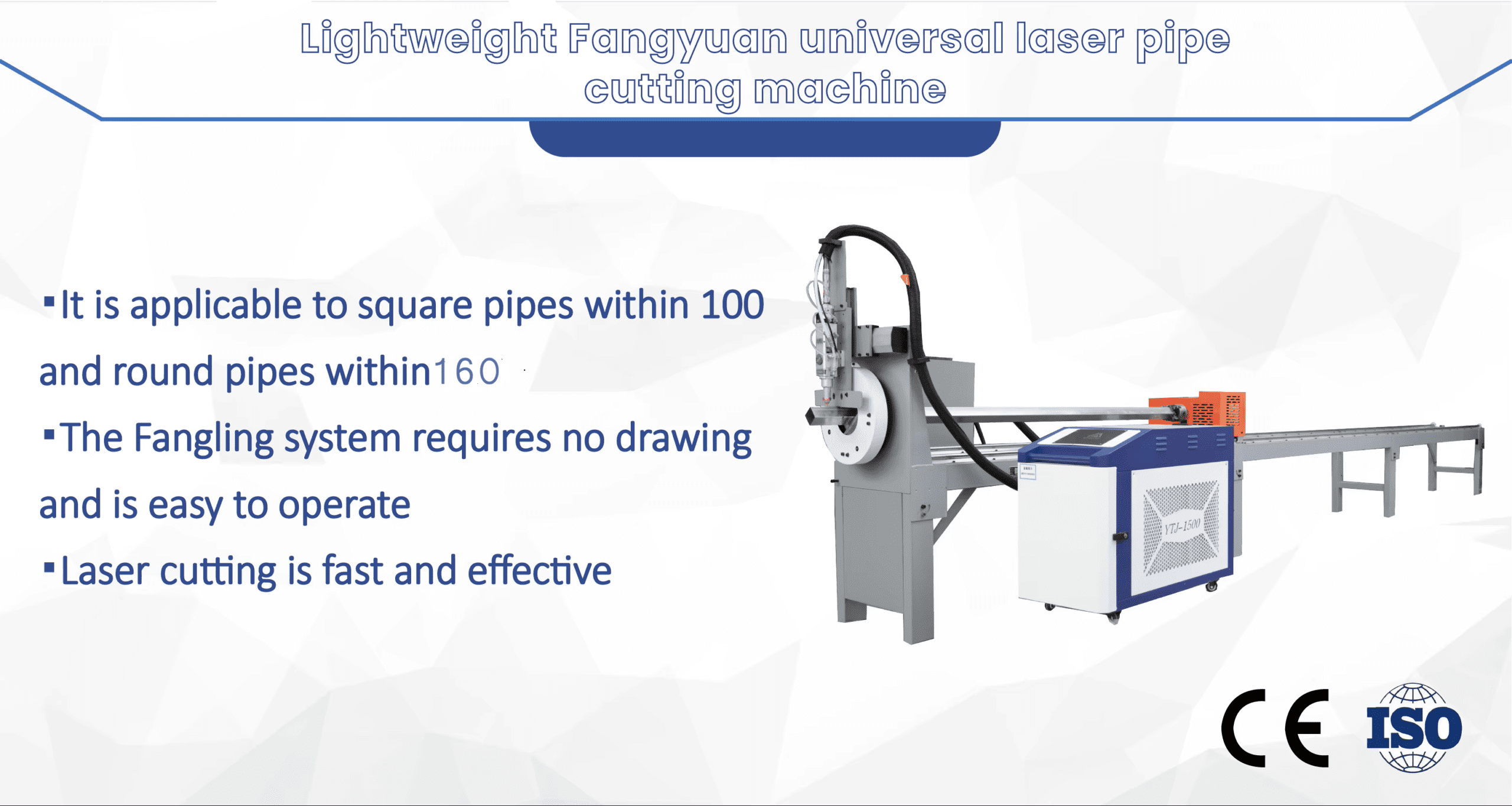
 laser cutting machine” style=”max-width: 100%; height: auto; margin: 20px 0;”>
Processing Galvanized Steel: Technical Challenges
Galvanized steel is essentially carbon steel coated with a layer of zinc. The primary challenge in laser cutting this material lies in the difference between the melting and boiling points of the two metals. Zinc vaporizes at a much lower temperature (907°C) than steel melts (approx. 1500°C). During the cutting process, the zinc layer can vaporize violently, potentially interfering with the stability of the laser plasma or the assist gas flow.
Managing the Zinc Vapor
At 20kW, the speed of the cut is so high that the zinc layer has less time to conduct heat into the surrounding material. This results in a cleaner edge with minimal “popping” or dross. However, the high power also necessitates a robust fume extraction system. In Guadalajara’s industrial parks, environmental regulations require sophisticated filtration to handle the zinc oxide particulates generated during the process. High-power systems are typically equipped with multi-stage dust collectors to ensure a safe working environment and compliance with local SEMADET (Secretaría de Medio Ambiente y Desarrollo Territorial) standards.
Assist Gas Selection: Nitrogen vs. Oxygen
For galvanized steel, the choice of assist gas is paramount. While oxygen can be used for thicker plates to speed up the reaction through exothermic heating, it often leads to oxidation of the cut edge, which can compromise subsequent welding or painting. Nitrogen is the preferred choice for 20kW laser cutting of galvanized sheets. It acts as a shielding gas, blowing away the molten metal and zinc vapor without allowing oxygen to react with the steel. This results in a bright, clean edge that retains the corrosion resistance of the material.
Optimizing Parameters for the Guadalajara Market
Guadalajara’s manufacturing sector often deals with varying grades of galvanized material, from Z275 structural steel to thinner gauges used in electronic enclosures. Tuning a 20kW machine requires a deep understanding of focal position, gas pressure, and nozzle geometry.
Focal Point Dynamics
With 20kW of power, the focal point is typically set slightly below the surface of the material for thicker sections to ensure the energy is distributed through the kerf. For thin galvanized sheets, a “zero” or slightly positive focus is used to maximize speed. The ability to electronically shift the focus in real-time allows operators in Guadalajara to switch between different gauges of steel without manual intervention, significantly reducing setup times.
Nozzle Selection and Standoff Distance
High-power laser cutting requires specialized nozzles that can handle the high volume of assist gas. Double-nozzles or “cool-touch” nozzles are often employed to prevent the buildup of zinc slag on the nozzle tip. Maintaining a consistent standoff distance (the gap between the nozzle and the workpiece) is vital. Advanced capacitive height sensing systems are integrated into 20kW heads to maintain this distance within microns, even if the galvanized sheet has slight warping from the coating process.
Economic Impact and ROI in Jalisco
Investing in a 20kW laser in Guadalajara is a strategic decision based on throughput. While the initial capital expenditure is higher than lower-wattage machines, the cost-per-part decreases dramatically as volume increases. For a fabrication shop in the El Salto industrial corridor, a 20kW machine can often replace two or three 6kW machines, reducing the required floor space and labor costs.
Speed as a Competitive Advantage
On 3mm galvanized steel, a 20kW laser can achieve cutting speeds exceeding 50 meters per minute. This speed is not just about quantity; it is about agility. Local manufacturers can offer shorter lead times for “just-in-time” (JIT) delivery to the automotive assembly plants located nearby. The ability to process thick galvanized plates (up to 20mm or more) with nitrogen also opens up new markets in heavy infrastructure and bridge components, which are currently seeing significant investment in Mexico.
Maintenance and Longevity in Industrial Environments
The climate in Guadalajara is generally mild, but the dust and humidity of the rainy season can affect sensitive optical components. A 20kW laser cutting system requires a climate-controlled enclosure for the laser source and the electrical cabinets. Furthermore, the chiller system must be sized correctly to dissipate the heat generated by the 20kW resonator and the cutting head.
Optical Health Monitoring
Modern 20kW heads are equipped with sensors that monitor the health of the protective windows and internal lenses. Given the volatile nature of zinc during the laser cutting of galvanized steel, protective windows must be inspected daily. Any contamination can lead to thermal shift or, in extreme cases, “burn-back” which can damage the expensive internal optics. Implementing a rigorous maintenance schedule is the difference between a machine that lasts 10 years and one that suffers frequent downtime.
Future Trends: Automation and Industry 4.0
As Guadalajara continues its trajectory as a high-tech hub, the integration of 20kW lasers with automation is the next logical step. Automated loading and unloading systems, coupled with AI-driven nesting software, allow these machines to run “lights-out” shifts. For galvanized steel production, this means consistent quality across thousands of parts.
Software Integration
Advanced CAD/CAM software now includes specific libraries for galvanized materials, accounting for the slight variations in density and thermal conductivity. By utilizing IoT (Internet of Things) connectivity, shop managers in Jalisco can monitor the performance of their 20kW laser cutting assets from their smartphones, receiving alerts for gas levels, power consumption, and job completion.
Conclusion
The 20kW sheet metal laser is more than just a tool; it is a catalyst for industrial growth in Guadalajara. By mastering the nuances of laser cutting galvanized steel—managing zinc vapors, optimizing nitrogen flow, and leveraging extreme power—local manufacturers can achieve world-class precision and efficiency. As the region’s industrial landscape continues to mature, the 20kW fiber laser will remain at the forefront of the transition toward more complex, high-volume, and high-quality metal fabrication. For companies looking to dominate the Mexican market, the combination of high-power technology and localized engineering expertise is the ultimate formula for success.
















