
Mastering 20kW Sheet Metal laser cutting for Carbon Steel in Guadalajara
The industrial landscape of Guadalajara, often referred to as the “Silicon Valley of Mexico,” is undergoing a significant transformation in its manufacturing capabilities. As the region expands its footprint in the automotive, aerospace, and heavy machinery sectors, the demand for high-precision, high-volume metal fabrication has reached an all-time high. At the center of this revolution is the 20kW fiber laser cutting system. This guide explores the technical intricacies, operational advantages, and localized considerations for deploying 20kW laser cutting technology specifically for carbon steel applications in the Guadalajara metropolitan area.
The jump from 6kW or 12kW to 20kW is not merely an incremental upgrade; it represents a fundamental shift in production physics. For carbon steel, which remains the backbone of industrial construction and mechanical engineering, the 20kW threshold allows for unprecedented thickness capacities and processing speeds that redefine the “cost-per-part” equation for local fabricators.
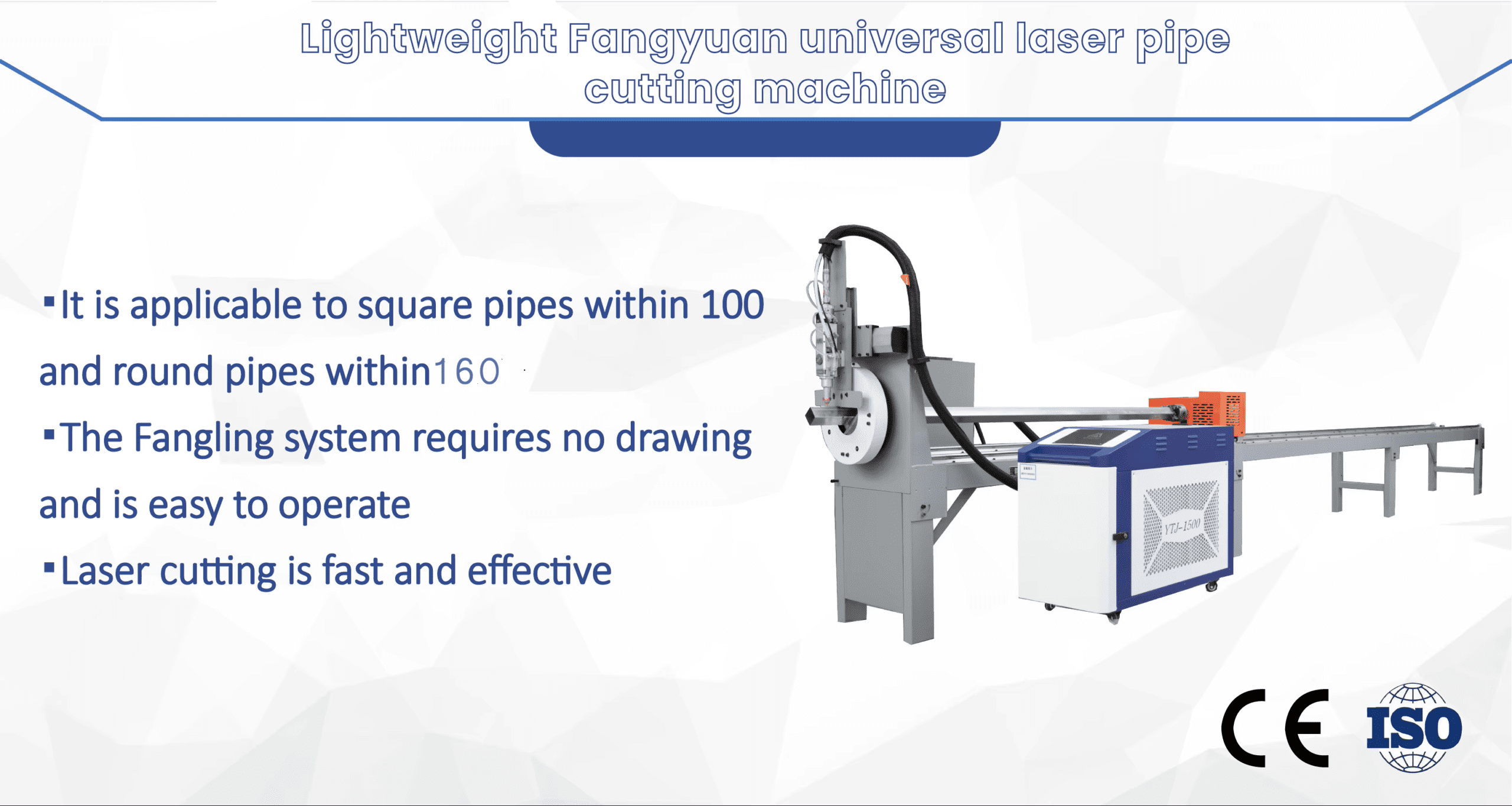 laser cutting machine” style=”width: 100%; max-width: 800px; height: auto; margin: 20px 0;”>
Technical Dynamics of 20kW Power on Carbon Steel
Carbon steel, characterized by its iron-carbon composition, reacts uniquely to high-density fiber laser beams. At 20kW, the energy density at the focal point is sufficient to vaporize thick sections of material almost instantaneously. In the context of laser cutting, this power level enables the processing of carbon steel plates up to 50mm or even 70mm in thickness, depending on the beam quality and gas assistance strategy.
One of the primary advantages of a 20kW system is the ability to utilize “Air Cutting” or high-pressure Nitrogen cutting on thicker gauges of carbon steel where Oxygen was previously the only option. While Oxygen cutting relies on an exothermic reaction (where the gas actually helps burn the metal), Nitrogen or Air cutting at 20kW relies on pure kinetic and thermal energy to eject molten material. This results in a much faster cut and a cleaner, oxide-free edge, which is critical for downstream processes like welding or painting—steps that are standard in Guadalajara’s automotive supply chains.
Optimizing the Guadalajara Manufacturing Environment
Operating high-power machinery in Guadalajara requires specific environmental and infrastructural considerations. The city’s altitude (approximately 1,566 meters above sea level) and its subtropical climate can influence the performance of cooling systems and gas delivery.
1. Power Stability and Infrastructure: A 20kW fiber laser requires a robust electrical infrastructure. Fabricators in industrial zones like El Salto or Zapopan must ensure that their facility can handle the significant KVA requirements of the resonator, the chiller, and the dust collector. Voltage stabilizers are highly recommended to protect sensitive fiber optics from the fluctuations sometimes present in the regional power grid.
2. Thermal Management: Guadalajara’s warm afternoons necessitate a high-efficiency industrial chiller. Fiber lasers are sensitive to temperature variances; the 20kW source generates substantial heat that must be dissipated to maintain beam stability. A dual-circuit cooling system—one for the laser source and one for the cutting head—is mandatory to prevent thermal lensing, which can distort the beam profile and degrade cut quality on thick carbon steel plates.
Advanced Cutting Strategies for Thick Carbon Steel
When dealing with carbon steel, the 20kW laser cutting process must be finely tuned to balance speed with edge quality. The following parameters are critical:
Piercing Protocols
For plates exceeding 20mm, the piercing stage is often the bottleneck. A 20kW system allows for “Flash Piercing” or multi-stage frequency-modulated piercing. By gradually increasing power and adjusting the focal position during the pierce, the machine can penetrate thick carbon steel in a fraction of the time required by lower-wattage systems, while minimizing “slag” or “dross” blowout that can damage the nozzle.
Nozzle Selection and Gas Dynamics
The choice of nozzle is paramount. For high-power carbon steel cutting, double-layer chrome-plated nozzles are typically used to facilitate high-volume Oxygen flow. However, with 20kW, the use of “Cooling Nozzles” that spray a fine mist of water around the cutting zone can prevent the material from overheating during intricate cuts, ensuring that the “Heat Affected Zone” (HAZ) remains minimal.

The Economic Impact for Guadalajara Fabricators
In a competitive market like Jalisco, the throughput of a 20kW laser cutting machine provides a massive strategic advantage. For a standard 12mm carbon steel plate, a 20kW laser can cut up to 3 to 4 times faster than a 6kW unit. This increase in linear cutting speed translates directly to a lower overhead cost per part.
Furthermore, the ability to cut thick plates with a laser often eliminates the need for secondary operations like plasma cutting or mechanical milling. Laser-cut edges on 25mm carbon steel are significantly smoother and more dimensionally accurate than those produced by plasma, allowing Guadalajara shops to bid on high-specification aerospace or medical infrastructure projects that require tight tolerances.
Maintenance and Longevity in Industrial Settings
To maintain the precision of a 20kW system, a rigorous maintenance schedule is required. Guadalajara’s industrial dust can be abrasive; therefore, the machine’s bellows and linear guides must be cleaned and lubricated regularly. The optical path—specifically the protective windows—must be inspected daily. At 20kW, even a microscopic speck of dust on the lens can absorb enough energy to shatter the glass, leading to costly downtime.
Gas Purity: When cutting carbon steel with Oxygen, the purity of the gas should be at least 99.95%. In Guadalajara, sourcing high-purity gases from reputable local suppliers is essential. Impurities in the gas line can cause “black spots” or inconsistent burning on the cut surface, particularly in the A36 or 1018 grades of carbon steel commonly used in Mexico.
Material Grade Considerations
Not all carbon steel is created equal. In the Mexican market, fabricators often encounter various grades:
- A36: The most common structural steel. It cuts well but can have inconsistent impurities that require the 20kW laser’s “Power Reserve” to blast through without stalling.
- 1018/1020: Often used for precision parts; these grades respond excellently to 20kW fiber lasers, resulting in a mirror-like finish on the edge.
- High-Strength Low-Alloy (HSLA): Frequently used in the automotive sector. The high power of a 20kW system ensures that the structural integrity of the alloy is maintained by minimizing the time the heat is applied to the edge.
Conclusion: The Future of Fabrication in Jalisco
The integration of 20kW laser cutting technology is more than a trend; it is a necessity for Guadalajara-based companies aiming to compete on a global scale. By mastering the nuances of carbon steel processing—from gas dynamics to thermal management—local manufacturers can achieve levels of productivity that were previously impossible. As the “Nearshoring” trend continues to bring more manufacturing from Asia to North America, having the high-power capacity of a 20kW system positions Mexican fabricators at the forefront of the international supply chain.
Investing in such technology requires a commitment to operator training and environmental control, but the ROI is found in the speed, the precision, and the ability to tackle the heaviest jobs with the finesse of a surgeon’s scalpel. For the industrial heart of Jalisco, the 20kW laser is the tool that will carve out a new era of manufacturing excellence.
















