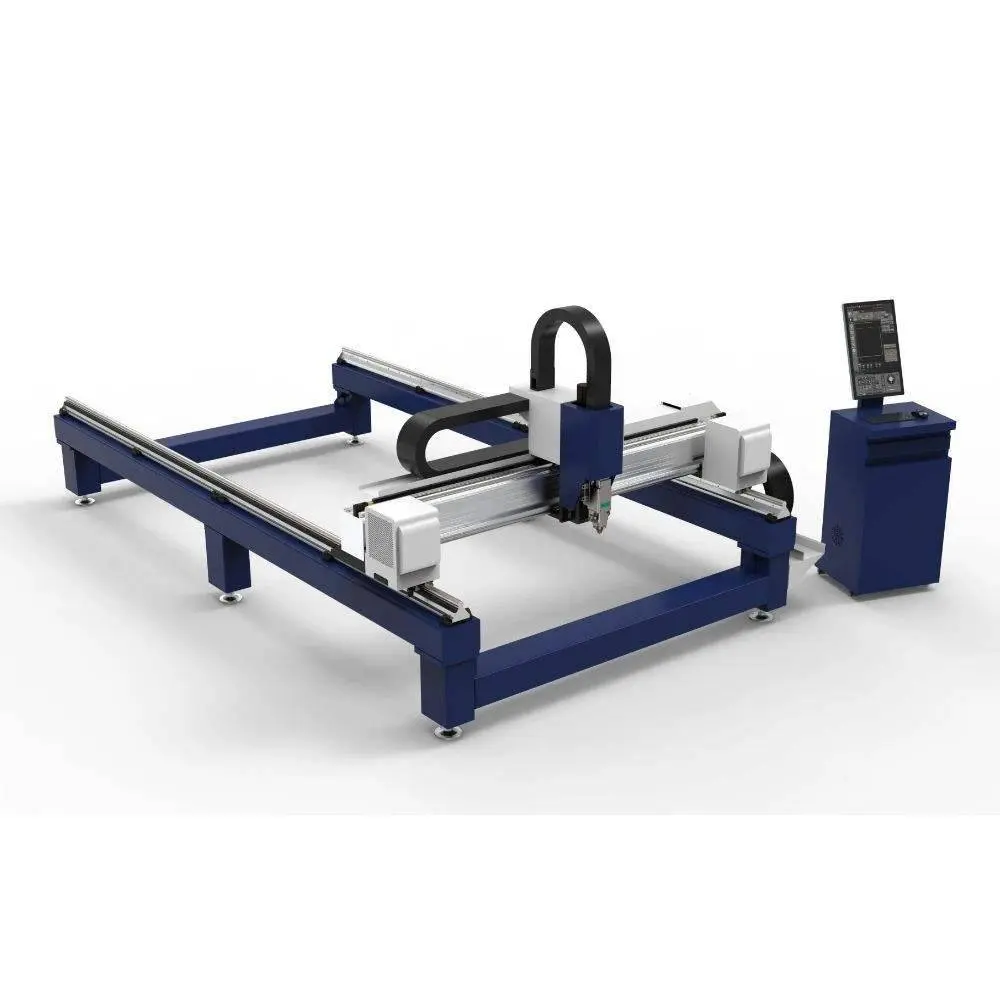
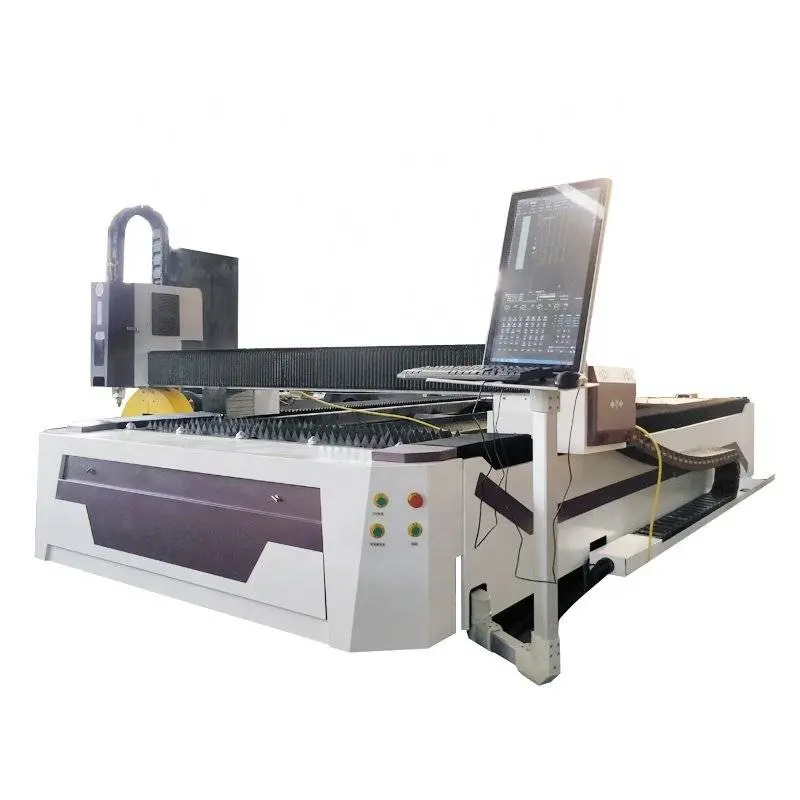
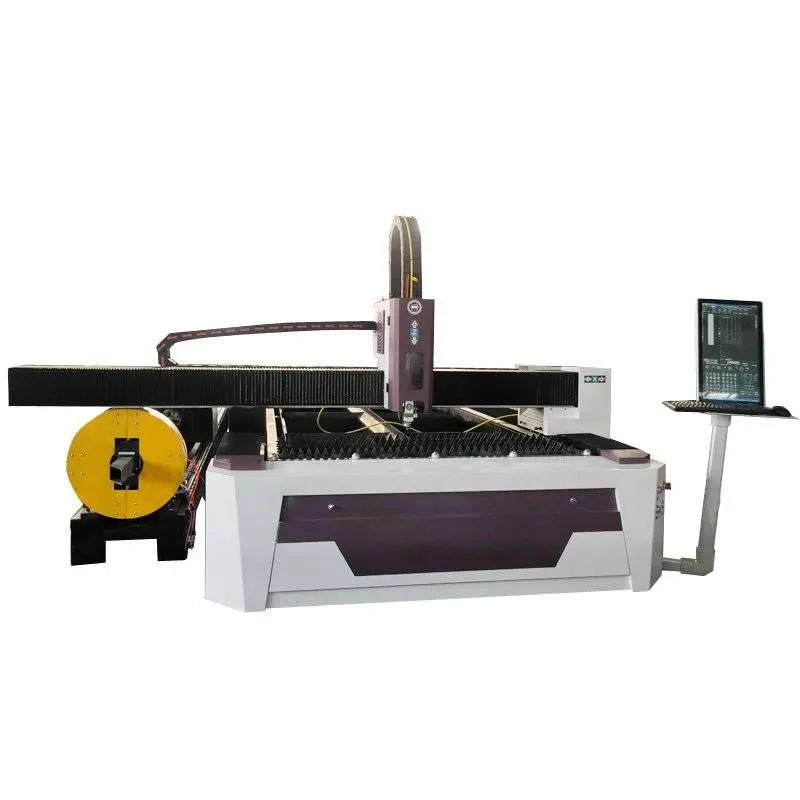
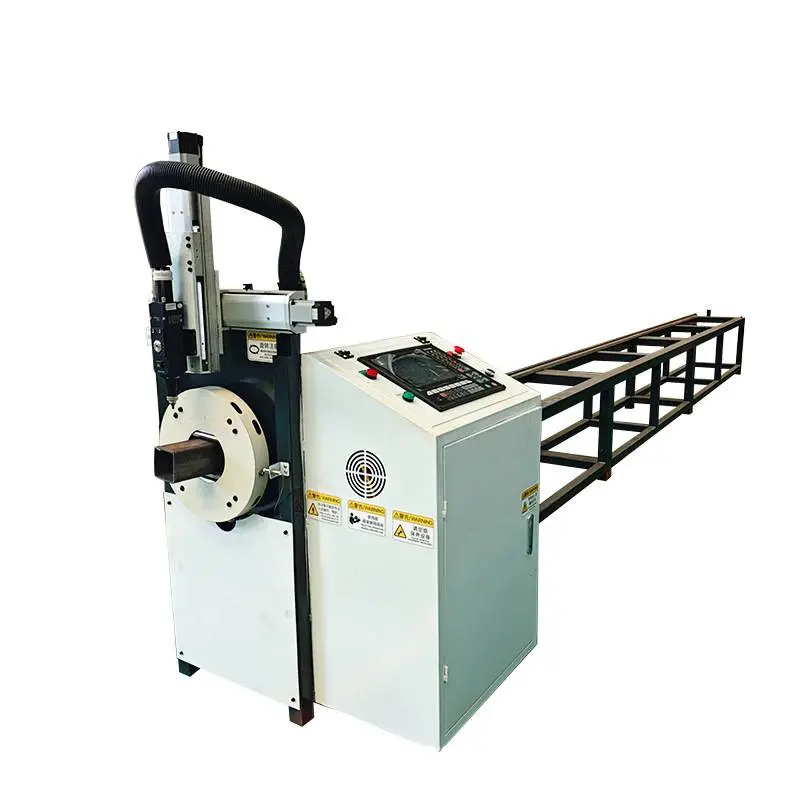
The Evolution of 20kW Sheet Metal laser cutting in Guadalajara’s Industrial Sector
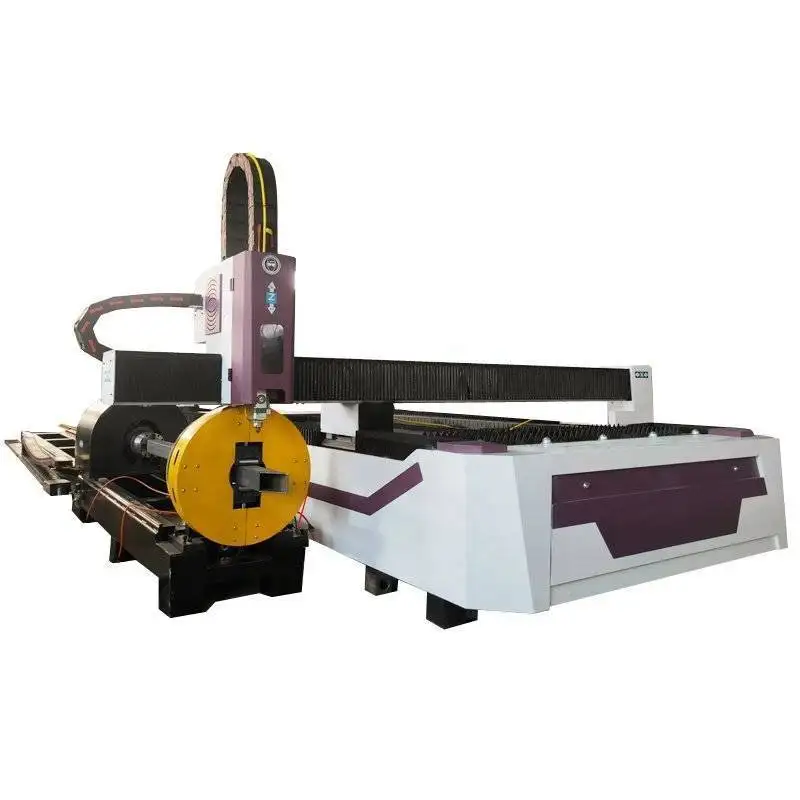
The industrial landscape of Guadalajara, often referred to as the “Silicon Valley of Mexico,” is undergoing a significant technological transformation. As the region solidifies its position as a hub for automotive, aerospace, and electronics manufacturing, the demand for high-precision, high-speed fabrication has skyrocketed. At the forefront of this revolution is the 20kW fiber laser cutting system. This high-power threshold represents a paradigm shift in how aluminum alloys are processed, offering unprecedented efficiency and edge quality that was previously unattainable with lower-wattage systems.
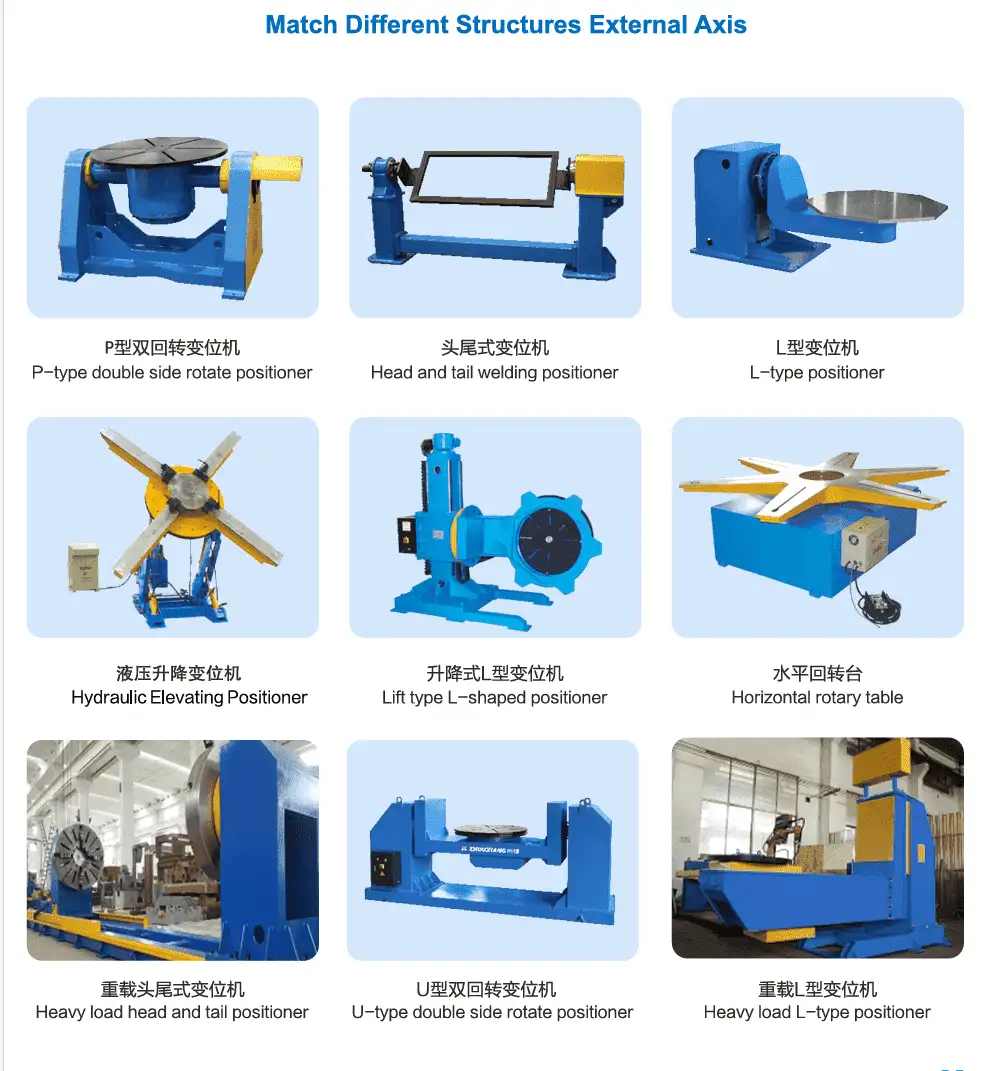
For engineers and plant managers in Jalisco, the transition to 20kW laser cutting is not merely about speed; it is about expanding the envelope of what is possible with non-ferrous metals. Aluminum, known for its high reflectivity and thermal conductivity, has historically posed challenges for laser systems. However, the 20kW fiber laser utilizes advanced beam delivery and high power density to overcome these physical barriers, making it the gold standard for Guadalajara’s sophisticated manufacturing base.
Understanding the 20kW Advantage for Aluminum Alloys
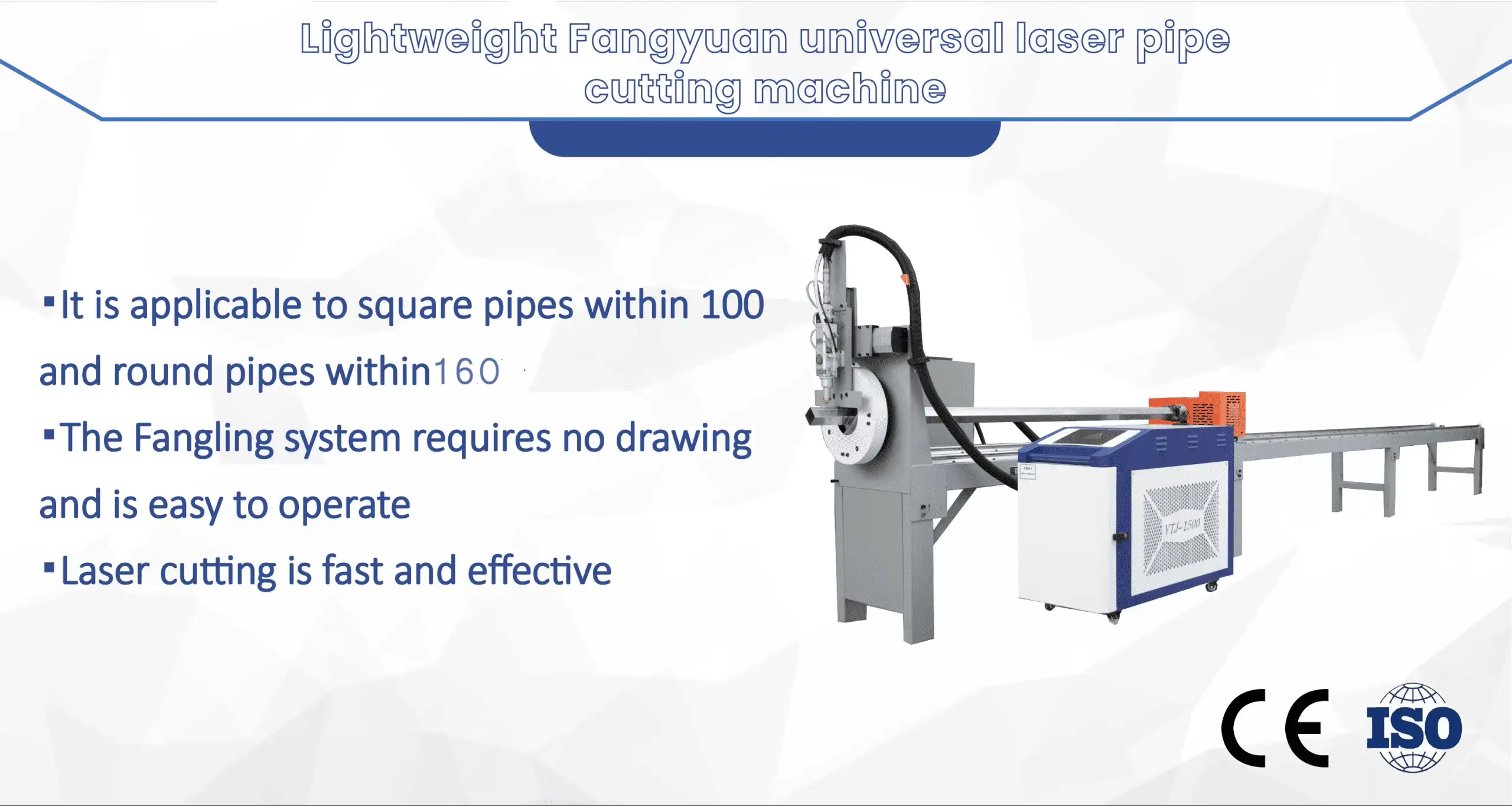
Aluminum alloys, particularly the 5000 and 6000 series used extensively in the automotive and structural sectors of Guadalajara, require specific energy profiles for clean separation. A 20kW laser cutting system provides a power density that allows for “high-speed vaporization cutting.” In this process, the material is melted and vaporized so quickly that the heat-affected zone (HAZ) is minimized, preserving the structural integrity of the alloy.
When processing 10mm to 30mm aluminum plate, a 20kW source maintains a feed rate that is three to four times faster than a 6kW or 8kW system. This throughput is critical for local Tier 1 and Tier 2 suppliers who must meet the rigorous “just-in-time” delivery schedules of the Bajío region’s automotive assembly plants. Furthermore, the increased power allows for the use of compressed air or nitrogen as an assist gas at thicknesses where oxygen was previously required, resulting in a weld-ready, oxide-free edge.
Technical Challenges and Solutions in Laser Cutting Aluminum
Aluminum is a “tricky” material for laser cutting due to its reflective nature. In the early days of CO2 lasers, back-reflection could damage the resonator. Modern fiber lasers, especially high-capacity 20kW units, are designed with back-reflection isolation systems. In Guadalajara’s high-humidity months, the stability of the beam path and the quality of the cooling system become paramount.
Managing Thermal Conductivity
Because aluminum dissipates heat rapidly, lower-power lasers often struggle to maintain a consistent melt pool, leading to dross (slag) formation on the bottom edge of the cut. The 20kW laser cutting process overcomes this by delivering energy faster than the material can conduct it away. This results in a narrow kerf and a smooth surface finish. For Guadalajara-based manufacturers producing heat sinks or structural components for electronics, this precision reduces the need for secondary grinding or finishing operations, significantly lowering the total cost per part.
Nozzle Selection and Beam Shaping
To fully leverage 20kW of power, the optical head must be equipped with advanced beam-shaping technology. By adjusting the energy distribution (the “mode”) of the laser beam, operators can optimize the system for either thin-gauge high-speed cutting or thick-plate penetration. In Guadalajara’s diverse industrial parks, a single machine might cut 2mm aluminum brackets in the morning and 25mm structural plates in the afternoon. Modern 20kW systems allow for automated nozzle changing and focal point adjustment, ensuring the laser cutting process remains optimized across varying material thicknesses without manual intervention.
The Economic Impact on Guadalajara’s Manufacturing Hub
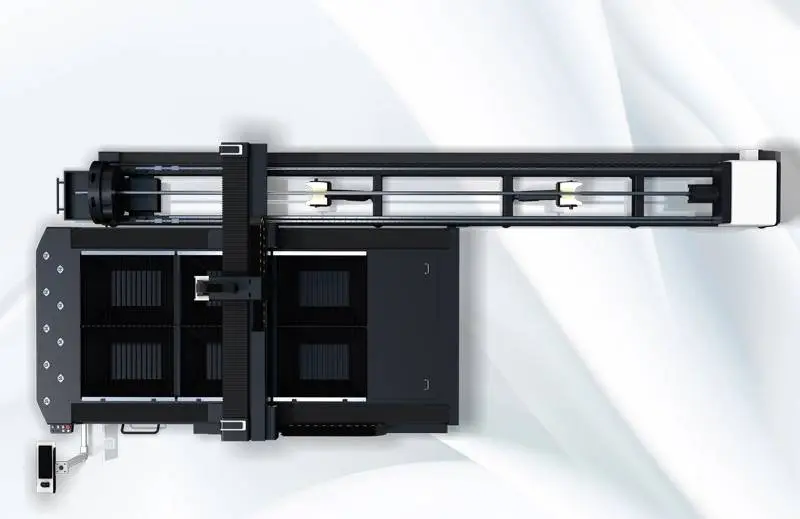
The investment in a 20kW laser cutting machine is a strategic move for Mexican fabrication shops looking to compete on a global scale. Guadalajara’s proximity to the United States and its robust logistics infrastructure make it an ideal location for “nearshoring.” However, to capture this market, local shops must provide quality and pricing that match or beat international standards.
Reducing Gas Consumption and Operating Costs
One of the most significant operational costs in laser cutting is assist gas. High-power 20kW lasers allow for “Air Cutting” on aluminum alloys up to significant thicknesses. By using high-pressure compressed air instead of expensive nitrogen or liquid oxygen, shops in Guadalajara can reduce their hourly operating costs by up to 40%. The 20kW power source provides enough energy to ensure the air blast effectively clears the molten aluminum, leaving a clean edge that is suitable for most industrial applications.
Increasing Throughput and Capacity
In a competitive market like Zapopan or El Salto, capacity is king. A 20kW laser cutting system can often replace two or three older 4kW machines. This consolidation saves valuable floor space, reduces the labor requirement, and simplifies the workflow. For a Guadalajara-based fabricator, this means the ability to take on larger contracts with tighter deadlines, knowing that the 20kW system can handle high-volume production of aluminum components with minimal downtime.
Optimizing Parameters for Aluminum Alloy Grades
Not all aluminum is created equal. The 20kW laser cutting parameters must be fine-tuned based on the specific alloy being processed. Guadalajara’s aerospace suppliers often work with 7075 aluminum, which is prized for its strength-to-weight ratio but can be prone to micro-cracking if the thermal input is not controlled. Conversely, the 3003 or 5052 alloys common in general fabrication are more forgiving but require high speeds to prevent edge melting.
Piercing Strategies for Thick Aluminum
Piercing is often the bottleneck in the laser cutting cycle. For thick aluminum plate, the 20kW laser utilizes “frequency piercing” or “blast piercing” techniques. By modulating the laser’s pulse and power, the system can create a clean entry hole in a fraction of a second, preventing the “volcano effect” of molten material splashing back onto the laser nozzle. This is particularly important for maintaining the longevity of the expensive copper nozzles and protective windows used in high-power heads.
The Importance of Local Technical Support
For companies in Jalisco, the technical complexity of a 20kW system necessitates robust local support. Laser cutting at these power levels requires precise calibration of the chiller units, gas regulators, and dust collection systems. Given Guadalajara’s climate, ensuring that the laser source remains at a constant temperature is vital for beam stability. Working with providers who offer localized service and spare parts ensures that the high-productivity potential of the 20kW laser is not sidelined by extended maintenance windows.
Future Trends: Automation and Industry 4.0 in Jalisco
As Guadalajara continues to embrace Industry 4.0, the 20kW laser cutting machine is becoming part of a larger, connected ecosystem. Integration with CAD/CAM software allows for optimized nesting, which is crucial when working with expensive aluminum alloys to minimize scrap. Furthermore, many 20kW systems are now being paired with automated loading and unloading towers.
In the context of Guadalajara’s labor market, automation allows skilled technicians to focus on programming and quality control rather than manual material handling. The data generated by the 20kW laser—tracking power usage, cutting hours, and consumable life—provides management with the insights needed to refine their bidding processes and improve overall factory efficiency.
Conclusion: Leading the Market with 20kW Technology
The adoption of 20kW sheet metal laser cutting technology is a defining moment for the manufacturing sector in Guadalajara. By mastering the nuances of laser cutting aluminum alloys at high power, local fabricators are positioning themselves as leaders in the North American supply chain. The combination of high speed, reduced operational costs, and superior edge quality makes the 20kW fiber laser an indispensable tool for any facility aiming to push the boundaries of modern metal fabrication.
As the demand for lightweight, high-strength aluminum components continues to grow in the electric vehicle (EV) and aerospace markets, the 20kW laser will remain the engine of growth for Jalisco’s industrial future. Investing in this technology today ensures that Guadalajara remains a competitive, innovative, and world-class manufacturing powerhouse for decades to come.