
Optimizing Aluminum Alloy Fabrication: The 20kW Precision Laser System in Tijuana’s Industrial Sector
In the rapidly evolving landscape of advanced manufacturing, the deployment of 20kW fiber laser systems represents a significant technological leap for the industrial corridors of Tijuana, Baja California. As a primary hub for aerospace, automotive, and medical device manufacturing, Tijuana requires precision, speed, and reliability. The integration of ultra-high-power laser cutting technology specifically tailored for aluminum alloy processing is no longer a luxury but a strategic necessity for facilities aiming to maintain a competitive edge in the North American “nearshoring” market.
Aluminum alloys, known for their high strength-to-weight ratio and excellent corrosion resistance, are notoriously difficult to process using traditional thermal methods due to their high thermal conductivity and reflectivity. However, the advent of 20kW precision laser systems has revolutionized how these materials are handled, allowing for cleaner edges, faster throughput, and the ability to cut through thicknesses that were previously the sole domain of waterjet or plasma cutting.
The Technical Superiority of 20kW Fiber Laser Technology
The core advantage of a 20kW system lies in its power density. In the context of laser cutting, power density determines the speed at which the material reaches its melting point and the efficiency with which the molten metal is expelled from the kerf. For aluminum, which reflects a significant portion of laser energy at lower wavelengths, the 20kW output provides enough “brute force” to overcome the initial reflectance barrier instantly, establishing a stable keyhole for deep penetration.
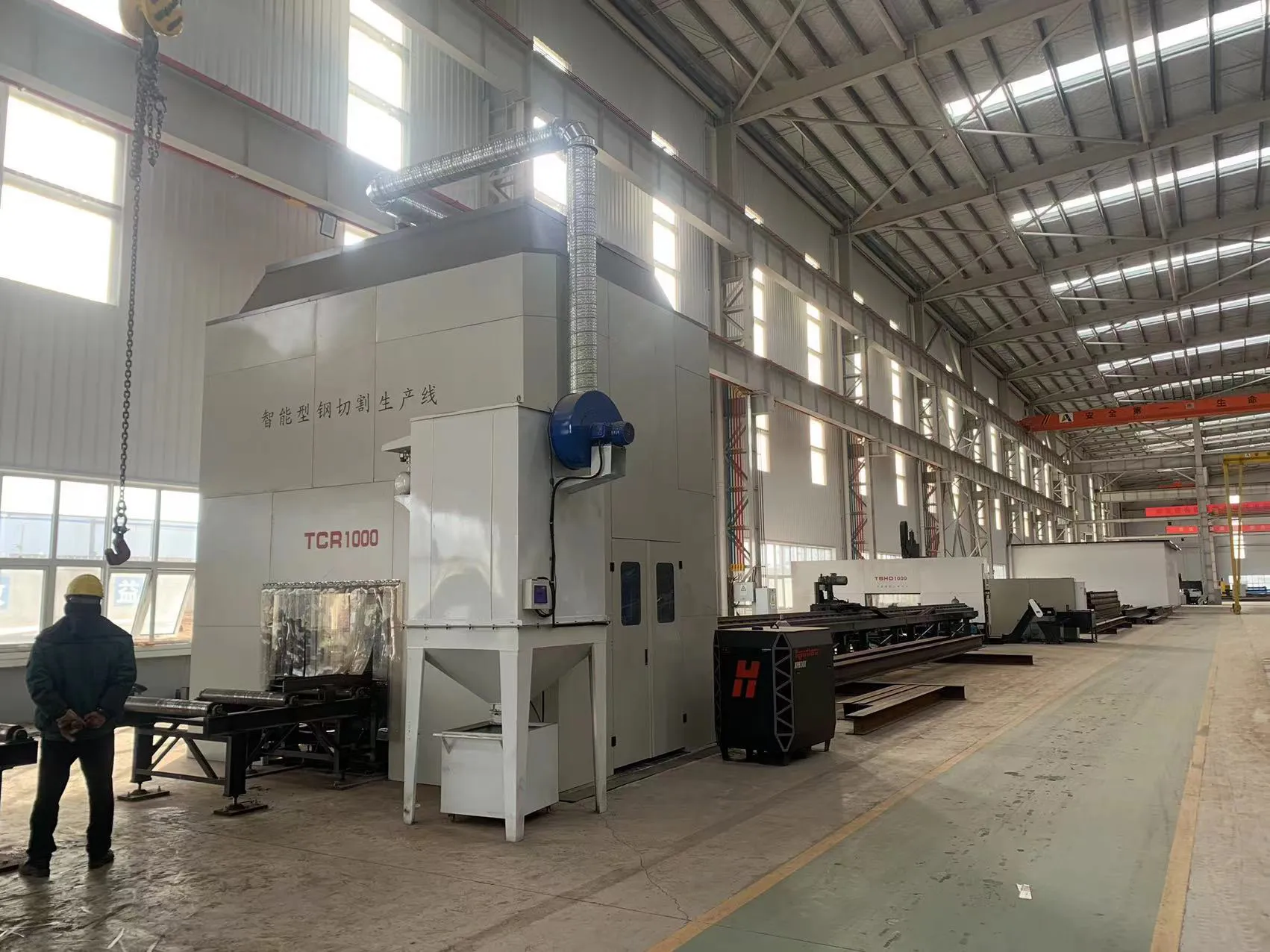
When compared to 6kW or 12kW systems, the 20kW variant offers a non-linear increase in performance. For instance, while a 12kW machine might struggle with 30mm aluminum plate, a 20kW system processes it with relative ease, maintaining a narrow heat-affected zone (HAZ) and reducing the risk of structural deformation. This precision is critical for Tijuana-based aerospace suppliers who must adhere to stringent AS9100 standards, where material integrity is paramount.
Processing Aluminum Alloys: Overcoming Reflectivity and Thermal Conductivity
Aluminum’s high thermal conductivity means that heat dissipates quickly away from the cut zone. In lower-power laser cutting, this often results in a wide kerf and dross (slag) accumulation on the underside of the part. The 20kW system counters this by delivering energy so rapidly that the material is vaporized or melted before the heat can conduct into the surrounding area. This results in a “cold” cut, preserving the mechanical properties of the alloy.
Furthermore, the 1.07-micron wavelength of fiber lasers is better absorbed by aluminum than the 10.6-micron wavelength of traditional CO2 lasers. When coupled with 20,000 watts of power, the system effectively ignores the reflective nature of polished aluminum alloys like 6061 or 5052, ensuring consistent beam coupling from the start of the pierce to the end of the contour.
Strategic Importance in the Tijuana Manufacturing Hub
Tijuana’s proximity to the United States border makes it a critical node in the global supply chain. Local “Maquiladoras” are increasingly transitioning from simple assembly to complex fabrication. The adoption of 20kW laser cutting technology allows these shops to handle heavy-duty structural aluminum components used in semi-truck frames, EV battery enclosures, and marine hardware.
The regional demand for high-speed production is met by the 20kW system’s ability to maintain high feed rates even on complex geometries. In an environment where labor costs are rising and the demand for “Just-In-Time” (JIT) delivery is standard, the efficiency of a high-power fiber laser significantly reduces the cost per part, enabling Tijuana manufacturers to compete directly with overseas suppliers.
Assist Gas Dynamics and Edge Quality
For precision aluminum cutting, the choice of assist gas is vital. At 20kW, Nitrogen is the preferred medium. High-pressure Nitrogen (often exceeding 15-20 bar) acts as a cooling agent and a mechanical force to eject molten aluminum from the cut. Because Nitrogen is inert, it prevents oxidation on the cut edge, leaving a bright, weld-ready surface. This eliminates the need for secondary grinding or chemical cleaning, a major bottleneck in traditional aluminum fabrication.
In some heavy-plate applications in Tijuana’s ship-building or heavy-transport sectors, compressed air is used as a cost-effective alternative. The 20kW power allows for “Air Cutting” at thicknesses that would be impossible for lower-power machines, offering a balance between speed and operational cost.
 laser cutting machine” style=”width: 100%; max-width: 800px; height: auto; margin: 20px 0;”>
Integration of Precision Motion Control
A 20kW laser source is only as good as the machine tool carrying it. Precision laser cutting requires a gantry system capable of high acceleration (often 2G or higher) to keep up with the laser’s cutting speed on thin materials. If the motion system lags, the laser will dwell too long at corners, leading to “burn-through.”
Modern systems deployed in Tijuana feature linear motors and high-resolution encoders that ensure the beam follows the programmed path with micron-level accuracy. For aluminum alloys, which are often used in decorative architectural panels or precision electronics housings, this level of fidelity ensures that every part is identical, reducing scrap rates and maximizing material utilization from expensive aluminum sheets.
Thermal Management and System Longevity
Operating a 20kW laser generates significant heat within the resonator and the cutting head. In the semi-arid climate of Tijuana, robust chilling systems are mandatory. High-capacity, dual-circuit water chillers are used to maintain the laser source and the optical components at a constant temperature. Advanced cutting heads also feature internal sensors to monitor the temperature of the protective windows and lenses, automatically pausing the laser cutting process if dust contamination or thermal shift is detected. This proactive maintenance approach is essential for high-volume 24/7 operations common in the region.
Economic Impact and Return on Investment (ROI)
While the initial capital expenditure for a 20kW precision laser system is higher than that of lower-power models, the ROI is realized through throughput. In the aluminum sector, a 20kW laser can cut 10mm plate up to 3-4 times faster than a 6kW machine. This allows a single machine to do the work of multiple older units, saving floor space and reducing the headcount required for operation. For Tijuana business owners, this translates to a lower total cost of ownership (TCO) and the ability to take on larger, more lucrative contracts that require heavy-gauge aluminum processing.
Conclusion: The Future of Fabrication in Baja California
The 20kW precision laser system is more than just a tool; it is a catalyst for industrial growth in Tijuana. By mastering the nuances of aluminum alloy laser cutting, local manufacturers are moving up the value chain, providing high-precision components to the world’s most demanding industries. As fiber laser technology continues to advance, the synergy between high-power output and intelligent software control will ensure that Tijuana remains at the forefront of the global manufacturing stage, turning raw aluminum into the infrastructure of tomorrow with unprecedented speed and accuracy.
Key Maintenance Protocols for High-Power Systems
To ensure the longevity of a 20kW system in an industrial environment like Tijuana, several engineering protocols must be followed:
- Optical Path Integrity: Regular inspection of the cutting head’s protective windows to prevent “thermal lensing,” which can occur if aluminum dust settles on the optics.
- Gas Purity: Ensuring that Nitrogen or Oxygen assist gases are of high purity (99.99%) to prevent contamination of the cut edge and the internal gas lines.
- Electrical Stabilization: Given the power draw of a 20kW resonator, voltage stabilizers are recommended to protect sensitive electronics from fluctuations in the local power grid.
- Chiller Maintenance: Monthly checks of the coolant levels and conductivity to ensure optimal heat exchange for the fiber laser source.
By adhering to these standards and leveraging the raw power of the 20kW laser, Tijuana’s fabrication shops are well-positioned to lead the next generation of aluminum manufacturing.
















