
The Evolution of Industrial laser cutting in Puebla’s Manufacturing Corridor
The industrial landscape of Puebla, Mexico, has undergone a radical transformation over the last decade. As a primary hub for the automotive and aerospace sectors, the demand for high-precision components has necessitated a shift from traditional mechanical fabrication to advanced thermal processing. Central to this evolution is the implementation of the 20kW precision laser system, a powerhouse of technology designed to meet the rigorous demands of aluminum alloy fabrication. In a region where Tier 1 and Tier 2 suppliers must adhere to stringent international standards, the adoption of high-wattage fiber lasers is no longer a luxury but a strategic necessity.
The 20kW laser cutting system represents the pinnacle of modern photonics. Unlike lower-power alternatives, the 20kW threshold allows for a dramatic increase in processing speed and the ability to penetrate thicker materials with unparalleled accuracy. For the manufacturing clusters in Puebla, ranging from the FINSA industrial park to the developments surrounding the Audi and Volkswagen plants, this technology provides the throughput required to maintain just-in-time production cycles while minimizing material waste.
Technical Advantages of 20kW Power Density
The primary advantage of a 20kW system lies in its power density. When processing aluminum alloys, which are notorious for their high thermal conductivity and reflectivity, the concentrated energy of a 20kW beam overcomes the material’s natural resistance to melting. In the context of laser cutting, power density is the amount of energy delivered per unit area. By concentrating 20,000 watts into a focal spot measured in microns, the system achieves an instantaneous vaporization of the alloy, leading to a narrower kerf and a significantly reduced heat-affected zone (HAZ).
For engineers in Puebla, this means that complex geometries in 6061 or 7075 aluminum can be cut without the warping or structural degradation often associated with slower, lower-power processes. The high-speed capability of the 20kW source ensures that the heat is dissipated through the removed melt rather than soaking into the surrounding substrate. This preserves the mechanical properties of the alloy, which is critical for structural components in automotive chassis and aerospace frames.
Overcoming the Challenges of Aluminum Alloy Processing
Aluminum presents unique challenges for laser cutting. Its high reflectivity can cause back-reflections that potentially damage the fiber optic delivery system. Modern 20kW precision systems are equipped with advanced back-reflection isolation technologies. These optical “one-way valves” allow the beam to exit the cutting head while absorbing or diverting any reflected light that returns from the surface of the aluminum. This allows for the continuous processing of highly polished aluminum sheets without the risk of hardware failure.
Furthermore, aluminum’s tendency to form dross—the solidified melt that clings to the bottom of the cut—is mitigated by the sheer force of the 20kW beam combined with high-pressure assist gases. The high power allows for faster travel speeds, which, when synchronized with precision CNC controls, results in a “clean-cut” finish. This reduces or eliminates the need for secondary deburring or grinding operations, directly lowering the cost per part in the competitive Puebla manufacturing market.

Strategic Implementation for the Automotive Sector in Puebla
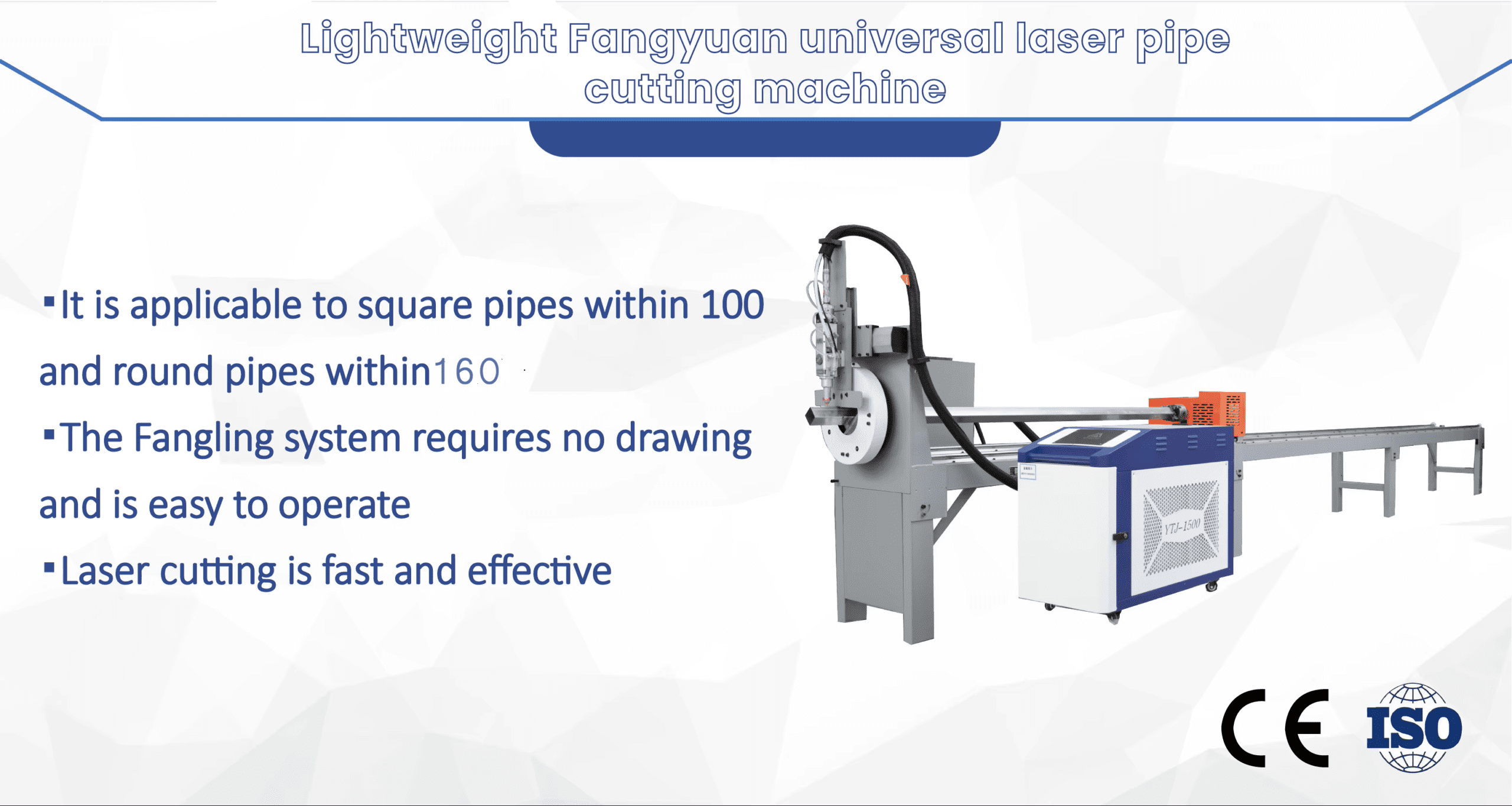
Puebla’s identity as an automotive powerhouse requires machinery that can handle diverse production runs. The 20kW laser cutting system is often integrated into machines capable of handling both flat plates and structural tubes. This versatility is essential for producing everything from battery enclosures for electric vehicles to intricate suspension components. The integration of high-wattage lasers into automated production lines allows Puebla-based manufacturers to compete on a global scale, offering precision that matches or exceeds European and Asian counterparts.
The precision of a 20kW system is managed through sophisticated software and sensor feedback loops. Capacitive height sensing ensures that the nozzle maintains a constant distance from the material surface, even if the aluminum sheet has slight undulations. In the high-altitude environment of Puebla, where atmospheric pressure can affect gas dynamics, the ability of the system to self-calibrate and adjust its parameters is a significant engineering advantage.
Optimizing Assist Gases for Precision and Speed
The choice of assist gas is a critical variable in the laser cutting process. For aluminum alloys, nitrogen is typically the gas of choice. When used with a 20kW source, high-pressure nitrogen acts as a mechanical force to expel the molten aluminum from the kerf while simultaneously cooling the edges. Because nitrogen is inert, it prevents oxidation of the cut edge, leaving a bright, weld-ready surface. This is particularly important for Puebla’s aerospace suppliers who must ensure that there is no brittle oxide layer that could lead to crack propagation under stress.
In some high-speed applications, compressed air can be used as a cost-effective alternative to nitrogen. With 20kW of power, the system can maintain sufficient speed to minimize oxidation even when using air. However, the engineering trade-off involves a slightly rougher edge finish. For structural components where aesthetics are secondary to strength and speed, air-assist laser cutting on a 20kW platform offers a significant reduction in operational overhead.
Mechanical Stability and Gantry Dynamics
A 20kW laser is only as good as the machine carrying it. To handle the rapid acceleration and deceleration required for precision cutting at high speeds, the machine frame must be exceptionally rigid. High-quality systems utilize a heavy-duty, heat-treated steel gantry and a reinforced bed. In the industrial zones of Puebla, where floor vibrations from nearby heavy stamping presses can occur, the vibration-damping characteristics of the laser’s base are vital for maintaining micron-level tolerances.
The motion system typically employs high-torque AC servo motors and precision rack-and-pinion drives. When the laser cutting head moves at speeds exceeding 100 meters per minute, the CNC controller must process thousands of data points per second to ensure the beam path remains accurate. This synergy between high-power photonics and high-speed mechanics defines the modern 20kW system, allowing it to produce parts with a level of repeatability that was previously unattainable.
Economic Viability and Competitive Edge in Mexico
Investing in a 20kW precision laser system is a significant capital expenditure, but the Return on Investment (ROI) for Puebla-based enterprises is driven by throughput and versatility. A 20kW system can cut 12mm aluminum up to five times faster than a 6kW system. This exponential increase in productivity means that a single machine can replace multiple lower-power units, saving valuable floor space and reducing the labor costs associated with operating multiple workstations.
Furthermore, the ability to cut thicker aluminum alloys—up to 50mm or more—opens new market opportunities in heavy machinery and structural engineering. As Mexico continues to attract foreign direct investment, particularly in the green energy and electric vehicle sectors, the capacity to process thick aluminum with precision becomes a major competitive differentiator. Local manufacturers can transition from being simple assembly points to becoming high-value engineering partners.
Maintenance and Long-term Reliability
Maintenance of a 20kW fiber laser is considerably simpler than that of older CO2 technology. Fiber lasers have no moving parts or mirrors in the light-generating source, which drastically reduces the need for alignment and gas refills. However, the high power levels place significant stress on the cutting head optics. Precision cooling systems are integrated to manage the thermal load on the protective windows and lenses.
For operations in Puebla, establishing a rigorous preventative maintenance schedule is key. This includes monitoring the water chiller performance, ensuring the purity of the assist gases, and regularly inspecting the optical path for contaminants. Given the dust and particulate matter common in industrial environments, high-performance dust extraction and filtration systems are essential components of the 20kW installation, protecting both the machine and the health of the operators.
Conclusion: Future-Proofing Puebla’s Industrial Base
The 20kW precision laser system is more than just a cutting tool; it is a catalyst for industrial sophistication. For the aluminum alloy fabricators of Puebla, it provides the means to meet the exacting standards of the 21st-century global supply chain. By combining extreme power with delicate precision, these systems allow for the creation of components that are lighter, stronger, and more complex than ever before. As the automotive and aerospace industries continue to evolve toward sustainable materials and efficient designs, the 20kW laser cutting platform will remain at the heart of Puebla’s manufacturing excellence, ensuring the region’s continued status as a leader in international industrial production.
















