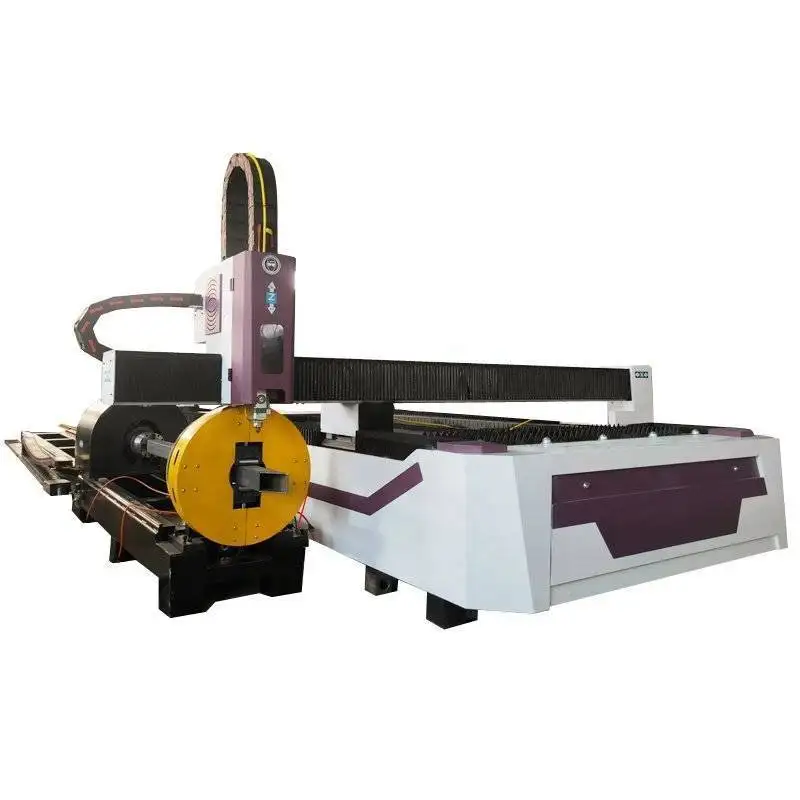
The Dawn of High-Power Laser Profiling in Riyadh’s Industrial Landscape
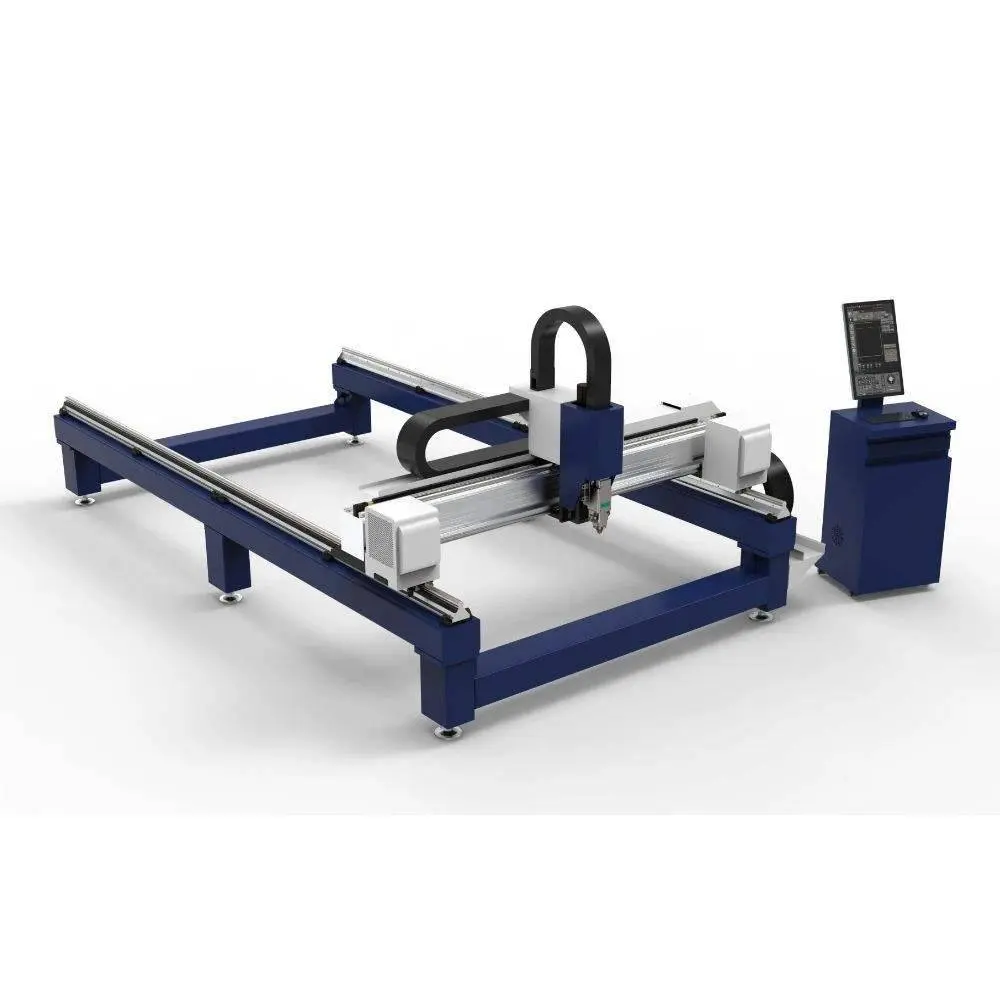
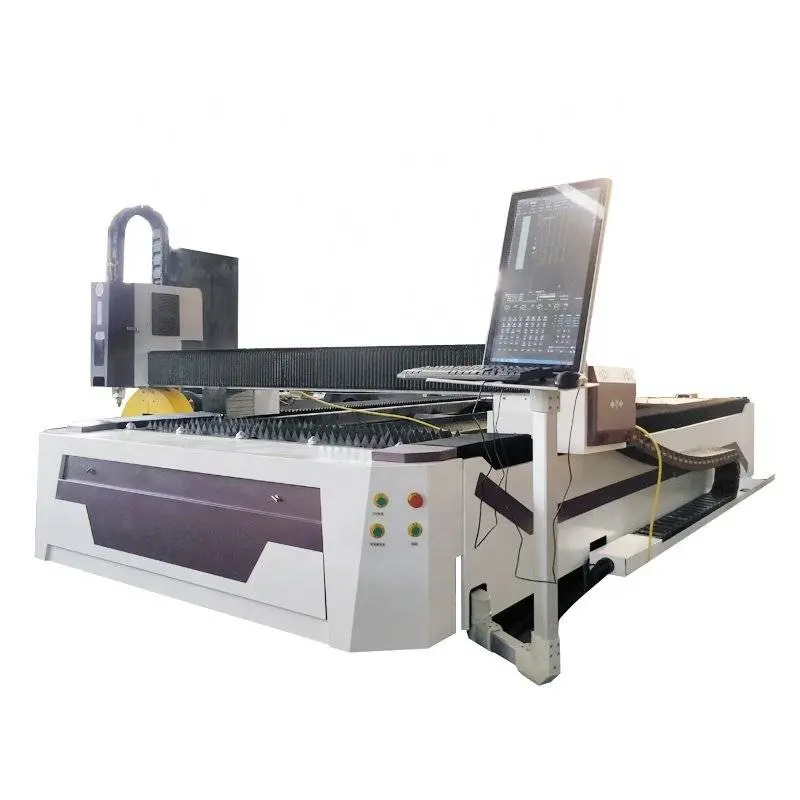
Riyadh, traditionally the administrative and financial heart of Saudi Arabia, is rapidly transforming into a sophisticated manufacturing powerhouse. At the center of this transformation is the adoption of high-power fiber laser technology. The introduction of the 20kW Heavy-Duty I-Beam Laser Profiler is not merely an incremental upgrade; it is a fundamental change in how heavy structural steel is handled. For a shipbuilding yard, where the scale of components is measured in meters and the weight in tons, the ability to process I-beams, H-beams, and channels with a 20,000-watt laser source provides the necessary “muscle” to penetrate thick-walled sections that were previously the sole domain of plasma or mechanical cutting.
The choice of Riyadh as a base for such machinery is strategic. As the Kingdom expands its maritime fleet and offshore capabilities in the Gulf and the Red Sea, the logistical and fabrication support provided by Riyadh-based facilities becomes a critical link in the supply chain. The 20kW laser offers the thermal density required to maintain clean cuts even on the thickest flanges of heavy-duty I-beams, ensuring that the structural backbone of any vessel meets international maritime safety standards.
The 20kW Advantage: Physics Meets Productivity
In the realm of fiber lasers, power equates to more than just speed; it equates to capability. A 20kW fiber laser source produces a high-energy density beam that can easily vaporize carbon steel and stainless steel alloys common in shipbuilding. When dealing with heavy-duty I-beams, the laser must often traverse varying thicknesses—from the thinner web of the beam to the significantly thicker flanges.
The 20kW threshold is particularly significant because it allows for “high-speed nitrogen cutting” or “oxygen-boosted cutting” on materials where 6kW or 10kW lasers would struggle or require a much slower feed rate. In a shipbuilding context, this means the Heat Affected Zone (HAZ) is drastically minimized. A smaller HAZ ensures that the metallurgical properties of the I-beam remain intact, preventing brittleness in the structural joints of the ship’s hull or internal framework. For Riyadh’s fabricators, this translates to less rework and a higher quality end product that can withstand the corrosive and high-pressure environments of the open sea.
Precision ±45° Bevel Cutting: Revolutionizing Weld Preparation
Perhaps the most critical feature for shipbuilding is the ±45° bevel cutting capability. In maritime construction, beams are rarely joined at simple 90-degree angles with square edges. To ensure deep weld penetration and structural soundness, the edges of the steel must be beveled into V, Y, X, or K shapes.
Traditionally, this was a multi-stage process: the beam was cut to length with a saw, and then a technician would use a manual torch or a specialized milling machine to create the bevel. The 20kW I-Beam Profiler eliminates these steps. The 5-axis laser head can tilt up to 45 degrees in any direction, allowing it to cut complex geometries and bevels simultaneously. This precision ensures that when two beams meet at the shipyard, the fit-up is perfect. A perfect fit-up means less filler wire is used during welding, the welding process is faster, and the resulting joint is significantly stronger. In the high-stakes world of shipbuilding, where a single weld failure can be catastrophic, the accuracy of laser beveling is a non-negotiable asset.
Heavy-Duty Engineering for Structural Integrity
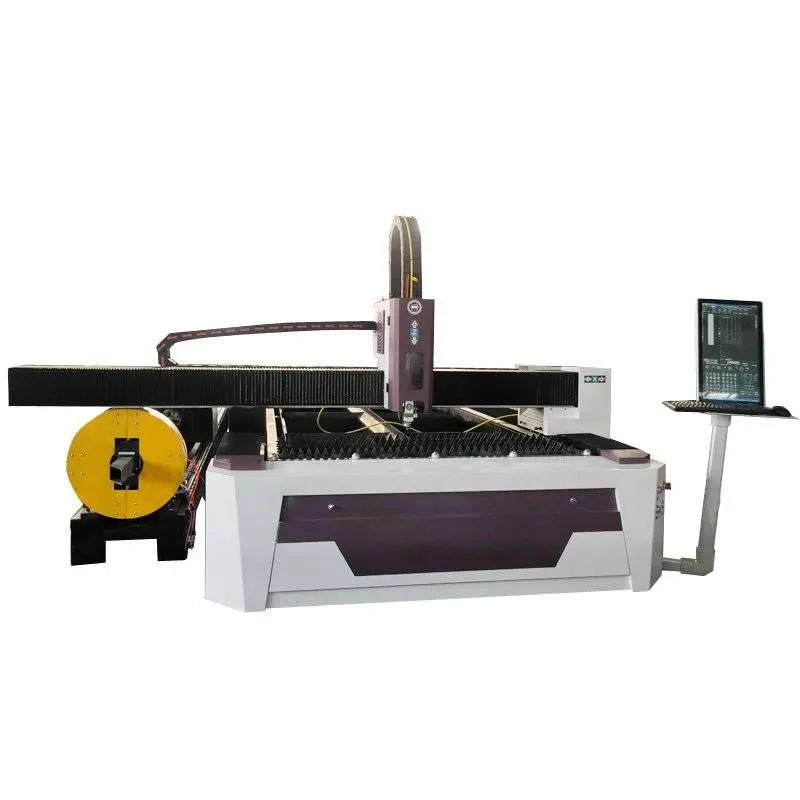
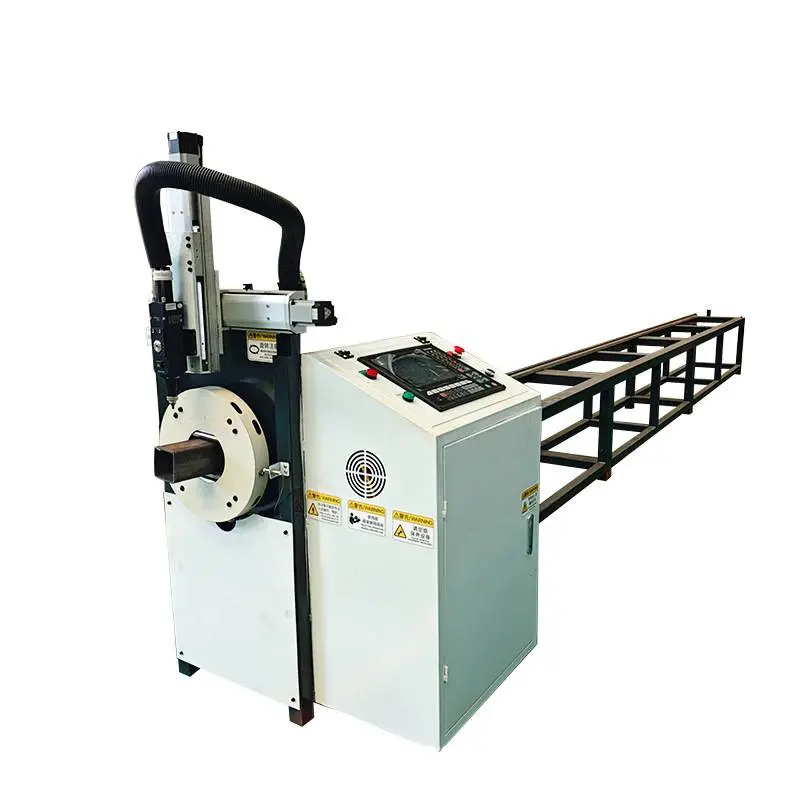
An I-beam profiler is distinct from a standard flat-bed laser. It requires a massive, reinforced chassis capable of supporting beams that can weigh several hundred kilograms per meter. The “Heavy-Duty” designation of this 20kW machine refers to its reinforced bed and specialized chuck systems.
In Riyadh’s fabrication centers, these machines are equipped with large-diameter pneumatic or hydraulic chucks that securely grip the beam, rotating it with sub-millimeter precision. Because I-beams are often not perfectly straight (due to manufacturing tolerances at the mill), the profiler utilizes advanced sensing technology. Laser sensors map the actual profile of the beam in real-time, allowing the software to compensate for any slight twists or bows. This ensures that the holes, slots, and bevels are always placed exactly where they are needed according to the 3D CAD model, regardless of the beam’s imperfections.
Environmental Adaptation: Operating in the Riyadh Climate
Operating a 20kW laser in Riyadh presents unique environmental challenges, primarily related to heat and airborne dust. Fiber lasers are sensitive to temperature fluctuations; therefore, the integration of a heavy-duty industrial chilling system is paramount. These chillers must be capable of maintaining the laser source and the cutting head at a constant temperature, even when the ambient temperature in the workshop exceeds 45°C.
Furthermore, the “Heavy-Duty” aspect extends to the filtration and dust extraction systems. Cutting thick steel at 20kW generates a significant amount of particulate matter and fumes. In a Riyadh-based shipbuilding yard, advanced multi-stage filtration is used to protect the optical components of the laser and ensure a safe working environment for operators. The machine’s housing is often pressurized or sealed to prevent the fine desert sand from infiltrating the precision racks, pinions, and linear guides that drive the laser’s motion.
Streamlining the Shipbuilding Workflow
The impact of a 20kW laser profiler on the shipbuilding workflow is transformative. In traditional yards, the “marking” of steel for secondary processes took hours. The laser profiler can etch part numbers, fold lines, and welding instructions directly onto the steel during the cutting process.
For ship components such as engine mounts, bulkheads, and deck supports, the ability to cut complex openings for piping and electrical conduits directly into the I-beams—with beveled edges for easy installation—saves thousands of man-hours. The software integration allows designers to move directly from a 3D naval architecture model to the cutting floor. This “Digital Twin” approach ensures that every beam processed in Riyadh is a perfect replica of the design, facilitating modular construction where large sections of the ship are built independently and then bolted or welded together.
Economic ROI and the Future of Saudi Manufacturing
While the initial investment in a 20kW heavy-duty laser is substantial, the Return on Investment (ROI) for a Saudi shipyard is compelling. The reduction in labor costs is the first immediate benefit. A single laser operator can replace a team of three to five workers who would otherwise be engaged in sawing, drilling, and grinding.
Secondly, the material utilization is optimized. Advanced nesting software for 3D profiles allows the shipyard to minimize scrap by intelligently arranging parts along the length of the I-beam. Given the fluctuating price of high-grade steel, even a 5% saving in material can amount to millions of Riyals over the course of a major shipbuilding contract.
Finally, the speed of the 20kW source allows for a higher throughput. Projects that previously took months can be completed in weeks, allowing Riyadh’s fabricators to take on more contracts and compete on a global scale. This efficiency is a cornerstone of the Kingdom’s goal to localize manufacturing and reduce reliance on imported structural components.
Conclusion: Setting a New Standard
The 20kW Heavy-Duty I-Beam Laser Profiler with ±45° bevel cutting is more than just a tool; it is a statement of industrial intent. For the shipbuilding industry in Riyadh and beyond, it represents the pinnacle of current fabrication technology. By combining extreme power with intricate precision, it allows Saudi engineers to push the boundaries of what is possible in maritime design. As the Kingdom continues to build its future on the seas, the silent, high-energy beam of the fiber laser will be the force that shapes the steel of tomorrow’s fleet, ensuring strength, safety, and efficiency in every cut.