
The Industrial Evolution of Queretaro: The Role of 20kW Fiber laser cutting
Queretaro has established itself as the epicenter of Mexico’s industrial growth, particularly within the aerospace, automotive, and appliance manufacturing sectors. As the Bajío region continues to attract global Tier 1 and Tier 2 suppliers, the demand for high-precision, high-volume metal fabrication has reached unprecedented levels. At the forefront of this manufacturing revolution is the 20kW fiber laser cutting machine. This ultra-high-power technology represents a significant leap from the standard 6kW or 10kW systems, offering the power density required to process thick stainless steel with the speed and edge quality demanded by international engineering standards.
For manufacturers in Queretaro, the transition to 20kW laser cutting is not merely an upgrade in power; it is a strategic move to reduce lead times and eliminate secondary finishing processes. In an environment where “Just-In-Time” delivery is the norm for aerospace components and automotive assemblies, the ability to cut through 30mm to 50mm stainless steel with surgical precision is a competitive necessity. This guide explores the technical nuances, operational benefits, and economic impact of implementing 20kW fiber laser technology in the heart of Mexico’s manufacturing corridor.
Understanding the 20kW Fiber Laser Advantage
Fiber laser technology utilizes an active optical fiber to generate a laser beam, which is then transmitted through a flexible cable to the cutting head. When scaled to 20,000 watts (20kW), the energy density is sufficient to vaporize metal almost instantaneously. For stainless steel, which is prized for its corrosion resistance and structural integrity, the 20kW source provides a unique advantage in managing the material’s thermal conductivity and viscosity when molten.
The primary advantage of a 20kW system lies in its “power reserve.” While a 10kW machine may struggle or require extremely slow feed rates for 25mm stainless steel, a 20kW system handles these thicknesses with ease, maintaining a stable arc and a narrow kerf. This results in a significantly smaller heat-affected zone (HAZ), ensuring that the metallurgical properties of the stainless steel—such as its chromium content and resistance to intergranular corrosion—remain intact near the cut edge.
Precision and Speed in Stainless Steel Processing
Stainless steel grades such as 304 and 316 are notoriously difficult to cut as they thicken. They require high gas pressure to clear the molten pool. The 20kW laser cutting machine excels here by providing enough energy to maintain a high-speed melt-pool, allowing the assist gas (typically Nitrogen) to work more efficiently. This results in a “bright finish” on the edge, which is critical for the food processing and pharmaceutical industries prevalent in Queretaro, where bacterial growth in rough edges must be avoided.
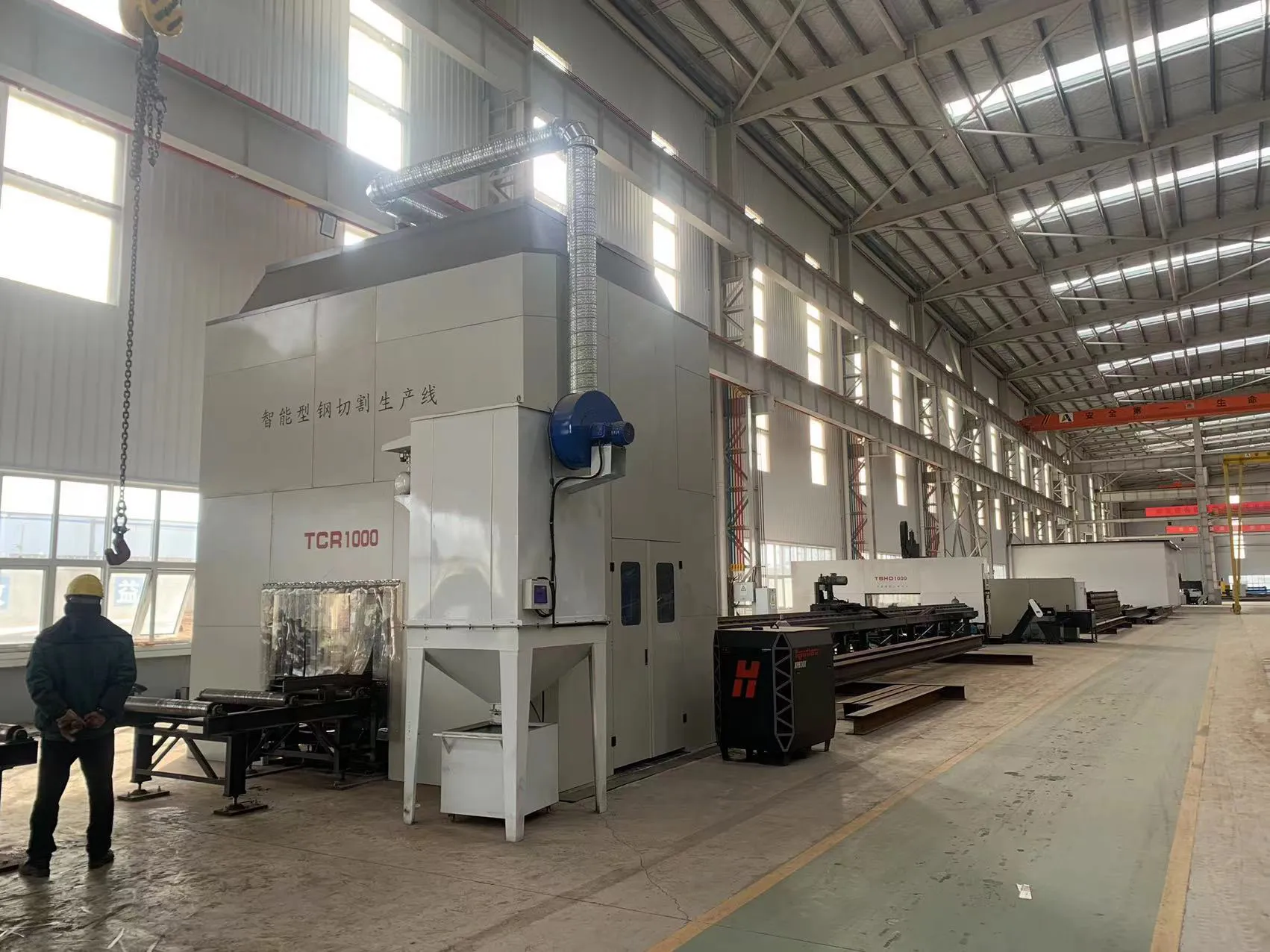
Technical Specifications and Performance Metrics
A 20kW fiber laser cutting system is engineered with heavy-duty gantries and high-torque servo motors to handle the dynamic forces generated during high-speed cutting. The acceleration rates often exceed 2.0G, allowing the machine to navigate complex geometries without decelerating excessively. In terms of thickness capacity, a 20kW machine can typically process:
- Stainless Steel (Nitrogen): Up to 50mm with high-quality edge.
- Stainless Steel (Oxygen): Up to 70mm for structural applications.
- Carbon Steel: Up to 50mm with superior perpendicularity.
- Aluminum: Up to 50mm, overcoming the material’s high reflectivity.
Nitrogen vs. Oxygen: Optimizing for Stainless Steel
In the Queretaro industrial market, the choice of assist gas is as vital as the laser power itself. For stainless steel, Nitrogen is the gold standard. Because Nitrogen is an inert gas, it prevents oxidation during the laser cutting process. This leaves a clean, silver edge that is ready for immediate welding or painting. With 20kW of power, the machine can utilize high-pressure Nitrogen to cut through 20mm stainless steel at speeds that were previously only possible with 10mm plates on lower-powered machines.
Oxygen cutting, while sometimes used for thicker carbon steel to take advantage of the exothermic reaction, is generally avoided for high-end stainless steel work in Queretaro’s aerospace sector. The oxidation layer left by Oxygen requires mechanical removal (grinding), which increases labor costs and introduces variability. The 20kW fiber laser minimizes the need for Oxygen by providing enough raw photonic energy to melt the material through sheer power, allowing Nitrogen to remain the primary assist gas even for heavy-gauge plates.
Advanced Beam Shaping and Collimation
Modern 20kW systems feature advanced beam shaping technology. This allows the operator to adjust the beam’s diameter and energy distribution (mode) based on the material thickness. For thin stainless steel, a concentrated, small-diameter beam provides maximum speed. For thicker plates, a wider beam with a “donut” or “flat-top” energy profile helps create a wider kerf, facilitating the removal of molten metal and ensuring a smoother surface finish. This versatility is essential for Queretaro job shops that handle a diverse range of projects daily.

Integration into Queretaro’s Aerospace and Automotive Sectors
Queretaro’s aerospace cluster, including companies located near the Queretaro Intercontinental Airport (AIQ), demands components with zero defects. The 20kW fiber laser cutting process provides the repeatability required for AS9100 certification. Whether it is cutting stainless steel baffles, brackets, or structural shims, the laser’s CNC integration allows for perfect synchronization with CAD/CAM software, ensuring that every part is identical to the digital twin.
In the automotive sector, particularly for heavy vehicle manufacturing and specialized trailers, the 20kW laser is used to cut high-strength stainless steel components that must withstand significant mechanical stress. The ability to cut complex patterns and bolt holes in a single pass—without the need for drilling—saves hours of production time. Furthermore, the integration of automated loading and unloading systems allows Queretaro factories to operate “lights-out,” maximizing the ROI of the initial capital investment.
Economic Viability and ROI for Local Manufacturers
While the initial investment in a 20kW fiber laser cutting machine is higher than that of lower-power alternatives, the cost-per-part is significantly lower in high-volume environments. The increased cutting speed means more parts produced per hour, effectively diluting the fixed costs of labor and overhead. In Queretaro’s competitive landscape, the ability to quote lower lead times while maintaining premium quality allows local shops to win contracts that would otherwise be outsourced to international competitors.
Additionally, fiber lasers are remarkably energy-efficient. Compared to older CO2 laser technology, fiber lasers consume about 70% less electricity. In Mexico, where industrial electricity rates can be a significant operational expense, the energy efficiency of the 20kW fiber source contributes directly to the bottom line. The lack of mirrors, turbines, and expensive laser gases (as used in CO2) also reduces maintenance costs and downtime.
Maintenance and Longevity in Industrial Environments
Operating a 20kW laser in an industrial hub like Queretaro requires a disciplined maintenance schedule. The high power levels put significant stress on the cutting head optics and the protective windows. Using high-quality consumables is non-negotiable; inferior lenses can fail under 20kW of thermal load, leading to costly repairs. Local service support in Queretaro is a critical factor for manufacturers, ensuring that technicians can provide rapid assistance and spare parts to keep production lines moving.
The Importance of Dust Extraction and Cooling
Cutting stainless steel at high power generates significant amounts of fine metallic dust and fumes. A robust filtration and dust extraction system is mandatory to protect the machine’s precision components and the health of the operators. Furthermore, the chiller unit for a 20kW system is a massive industrial component in its own right, requiring consistent water quality and temperature control to stabilize the laser source and the cutting head. Manufacturers in Queretaro must ensure their facility infrastructure can support the electrical and cooling requirements of such a high-performance machine.
Conclusion: The Future of Metal Fabrication in Central Mexico
The 20kW fiber laser cutting machine is more than just a tool; it is a catalyst for industrial maturity in Queretaro. By enabling the precision processing of thick stainless steel at speeds that were unthinkable a decade ago, this technology empowers local manufacturers to move up the value chain. As Queretaro continues to evolve into a global hub for high-tech manufacturing, the adoption of ultra-high-power laser cutting will be the defining factor for companies striving for excellence in the aerospace, automotive, and energy sectors.
Investing in 20kW technology ensures that Queretaro remains at the cutting edge of the global supply chain, providing the capacity, precision, and efficiency required to meet the challenges of tomorrow’s engineering demands. For those focusing on stainless steel, the 20kW fiber laser is the ultimate solution for achieving a perfect balance between raw power and refined accuracy.
















