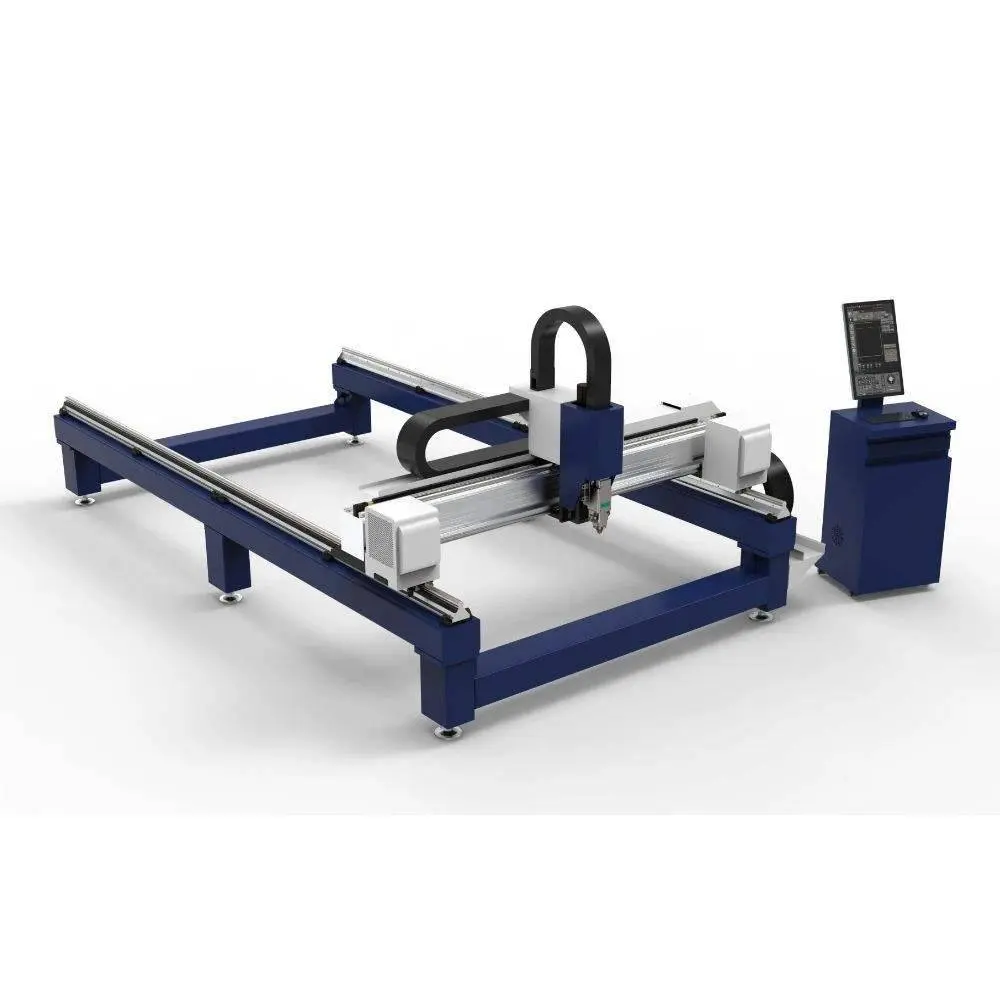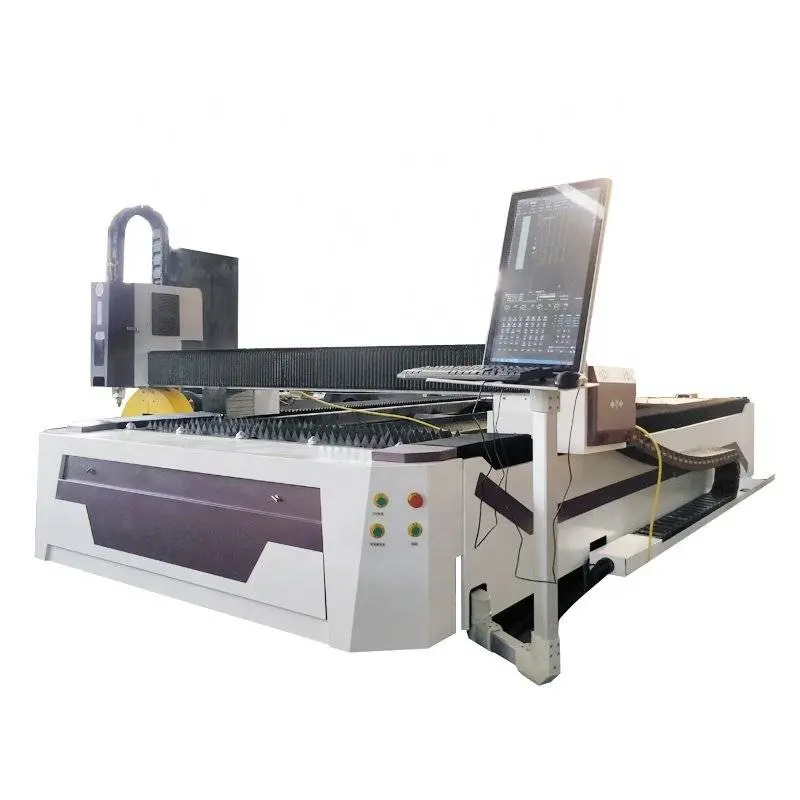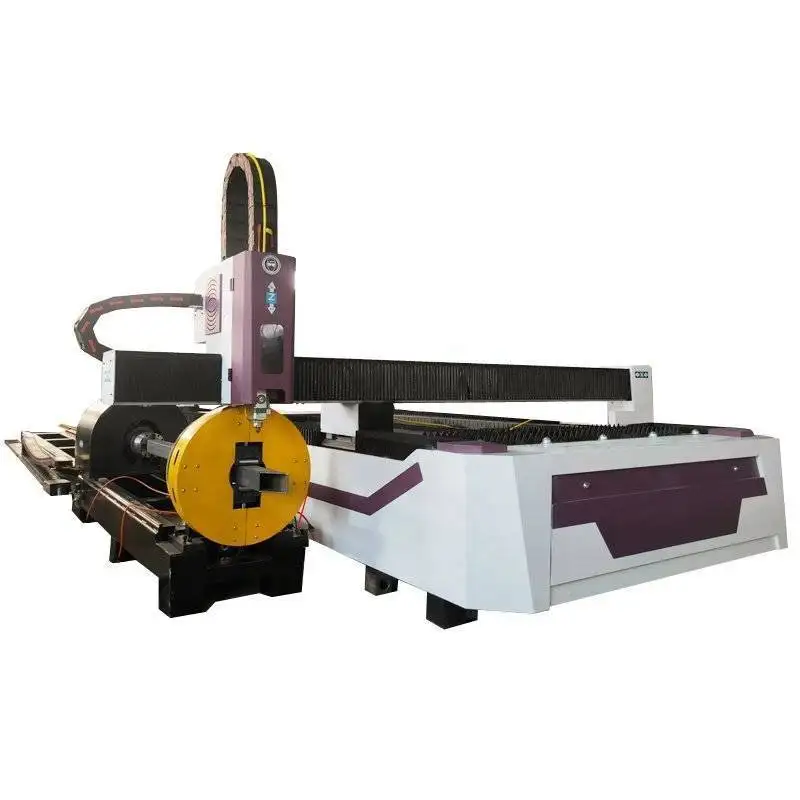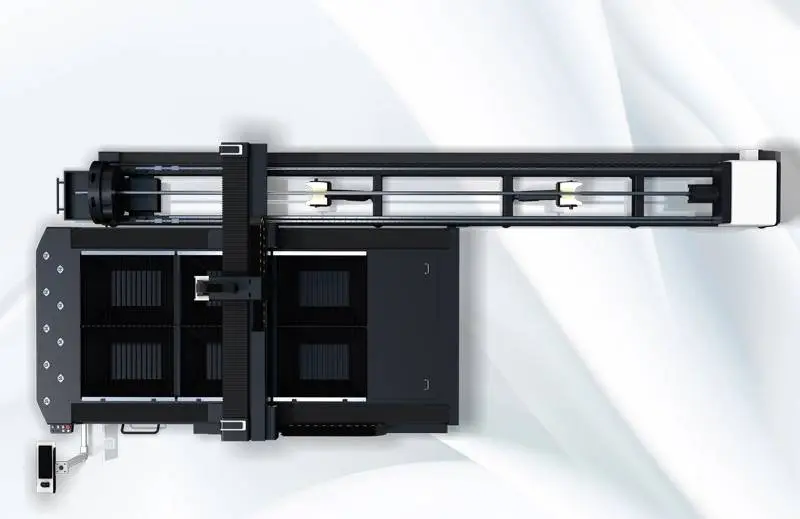
1. Field Report: 12kW Universal Profile Laser Deployment in Queretaro Wind Energy Sector
This technical report evaluates the operational integration and performance metrics of the 12kW Universal Profile Steel Laser System, specifically deployed for the fabrication of wind turbine tower internals and structural reinforcements in the Queretaro industrial corridor. The transition from legacy plasma and oxy-fuel systems to high-kilowatt fiber laser technology represents a critical shift in the structural steel industry, particularly where high-tensile alloys and thick-section profiles (S355JR, S355NL) are the baseline requirements.
The Queretaro region, a primary hub for renewable energy infrastructure manufacturing, demands rigorous adherence to international standards (ISO 9001, AWS D1.1). The deployment of a 12kW source provides the necessary power density to maintain high feed rates across varying material thicknesses, ensuring that the Heat Affected Zone (HAZ) remains within acceptable metallurgical limits to prevent embrittlement in structural welds.
2. 12kW Fiber Laser Source: Synergy with Heavy Structural Steel
The 12kW fiber laser source is not merely a speed enhancement; it is a fundamental shift in the physics of the cut. In wind tower fabrication, we are typically dealing with plate thicknesses ranging from 15mm to 40mm for internal platforms, flanges, and door frame reinforcements.
2.1. Power Density and Kerf Control
At 12kW, the energy density at the focal point allows for a “keyhole” welding-style cutting effect, even in thick sections. This results in a significantly narrower kerf compared to 4kW or 6kW systems. By narrowing the kerf, we reduce the volume of molten material that must be evacuated by the assist gas (Oxygen or Nitrogen), which directly correlates to a reduction in dross and burr formation. For wind turbine components, where fatigue life is paramount, the elimination of micro-fissures on the cut edge is a critical safety requirement.
2.2. Assist Gas Dynamics
In the Queretaro facility, we have optimized the use of high-pressure Nitrogen for stainless components and Oxygen-assisted cutting for thick carbon steels. The 12kW system utilizes a sophisticated nozzle sensing technology that maintains a constant standoff distance even when processing profiles with slight geometric deviations or internal stresses. This is crucial for “Universal” systems that must transition from flat plate cutting to H-beam or L-profile processing without manual recalibration.
3. Universal Profile Steel Processing: Geometric Versatility
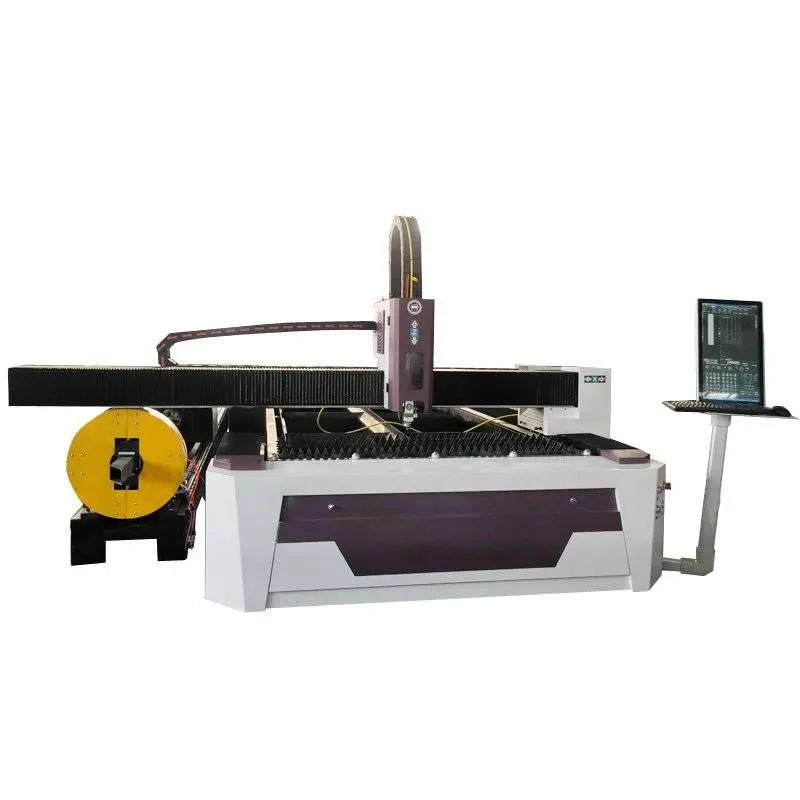
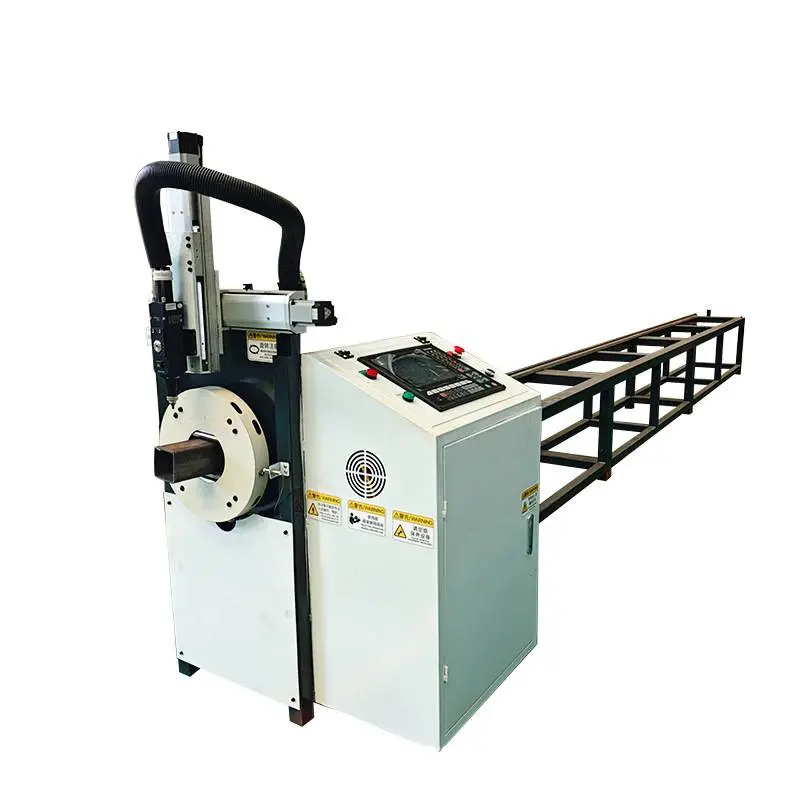
The “Universal” designation of this system refers to its ability to handle multi-axis processing of varied structural shapes—L-beams, C-channels, and rectangular hollow sections (RHS)—required for the internal ladders and service platforms of wind towers.
3.1. 3D Head Dynamics
The system is equipped with a five-axis tilt-head that allows for bevel cutting up to 45 degrees. In wind tower construction, beveling is essential for pre-weld preparation. Traditional methods required a secondary machining or grinding process to create the V-groove or J-groove necessary for deep penetration welds. The 12kW system integrates this into the primary cutting cycle, ensuring that the bevel angle is consistent across the entire profile, regardless of the beam’s structural irregularities.
3.2. Automatic Profile Detection
Using integrated laser scanning, the system maps the actual dimensions of the loaded profile. Steel profiles often exhibit “camber” or “sweep” from the rolling mill. The Universal system’s software compensates for these deviations in real-time, ensuring that bolt holes for tower segments are positioned with sub-millimeter precision relative to the actual center line of the profile, rather than the theoretical CAD model.
4. Zero-Waste Nesting Technology: Engineering Yield Optimization
Perhaps the most significant advancement in this deployment is the “Zero-Waste Nesting” algorithm. In heavy structural steel processing, material costs can account for up to 70% of the total project expenditure. Traditional nesting often leaves significant “skeleton” waste, which is costly to recycle and represents a loss in primary material value.
4.1. Common-Line Cutting (CLC) in Thick Sections
Zero-Waste Nesting utilizes advanced Common-Line Cutting. While CLC is standard in thin sheet metal, applying it to 20mm+ structural steel requires extreme thermal management. The 12kW system manages the “heat soak” by intelligently sequencing the cuts across the nest to prevent localized expansion, which would otherwise cause the parts to shift and ruin the precision of the shared edge.
4.2. Scrap Reduction and Remnant Management
The nesting engine calculates the optimal orientation for irregularly shaped internal tower components, such as flange gussets and cable tray supports. By utilizing “Bridge Cutting” and “Chain Cutting,” the system minimizes the number of pierces required. Every pierce in 25mm steel consumes significant time and gas, and subjects the nozzle to potential back-scatter. Reducing pierces through Zero-Waste logic increases the lifespan of consumables by approximately 30%.
5. Precision and Structural Integrity in Wind Tower Internals
Wind turbine towers are subjected to cyclical loading and extreme environmental stress. The components produced in the Queretaro facility must meet stringent “Execution Classes” (EXC3 or EXC4 under EN 1090).
5.1. Hole Quality and Taper Correction
One of the primary challenges in thick laser cutting is “taper”—where the bottom of the hole is narrower than the top. The 12kW system utilizes a dynamic pulse modulation technique to ensure that bolt holes are perfectly cylindrical. This is vital for the friction-grip bolts used in tower segment assembly, where any deviation in hole geometry could lead to bolt loosening or stress concentrations.
5.2. Metallurgical Impact (HAZ)
By maintaining a high cutting speed (enabled by the 12kW source), the duration of heat exposure to the base metal is minimized. Hardness testing on the cut edges of S355 steel samples in Queretaro shows a negligible increase in Vickers hardness (HV10), ensuring that the edges remain ductile enough for subsequent forming or welding without the risk of hydrogen-induced cracking.
6. Integration of Automatic Structural Processing
The synergy between the laser source and the automated handling system reduces the “floor-to-floor” time significantly. In the Queretaro setup, the system is integrated with an automated loading/unloading rack that handles profiles up to 12 meters in length.
6.1. Sensor Fusion and Feedback Loops
The “Automatic” aspect of the system relies on a suite of sensors:
– **Optical Sensors:** Monitor the cover glass health and beam alignment.
– **Acoustic Sensors:** Detect “plasma clouds” during oxygen cutting, automatically adjusting feed rates to prevent a lost cut.
– **Capacitive Sensors:** Maintain nozzle height during high-speed traverses over pre-cut parts.
6.2. Software-Driven Workflow
The transition from a raw .STEP or .IFC file to a completed cut list is managed through a centralized PLM (Product Lifecycle Management) interface. This allows engineers in the Queretaro office to push nesting updates directly to the machine floor, ensuring that the latest revisions for wind turbine internals are implemented without manual G-code editing.
7. Conclusion
The deployment of the 12kW Universal Profile Steel Laser System in Queretaro represents the current pinnacle of structural steel fabrication. By combining high-output fiber laser technology with Zero-Waste Nesting, the facility has achieved a 25% increase in material utilization and a 40% reduction in secondary processing time (grinding/beveling). For the wind energy sector, where precision and structural reliability are non-negotiable, this system provides a robust solution that addresses both the economic and engineering challenges of modern energy infrastructure.
**Field Observations Recorded By:**
*Senior Engineering Consultant, Laser Systems & Structural Steel*
*Location: Queretaro, Mexico*
*Reporting Period: Q3 2024*