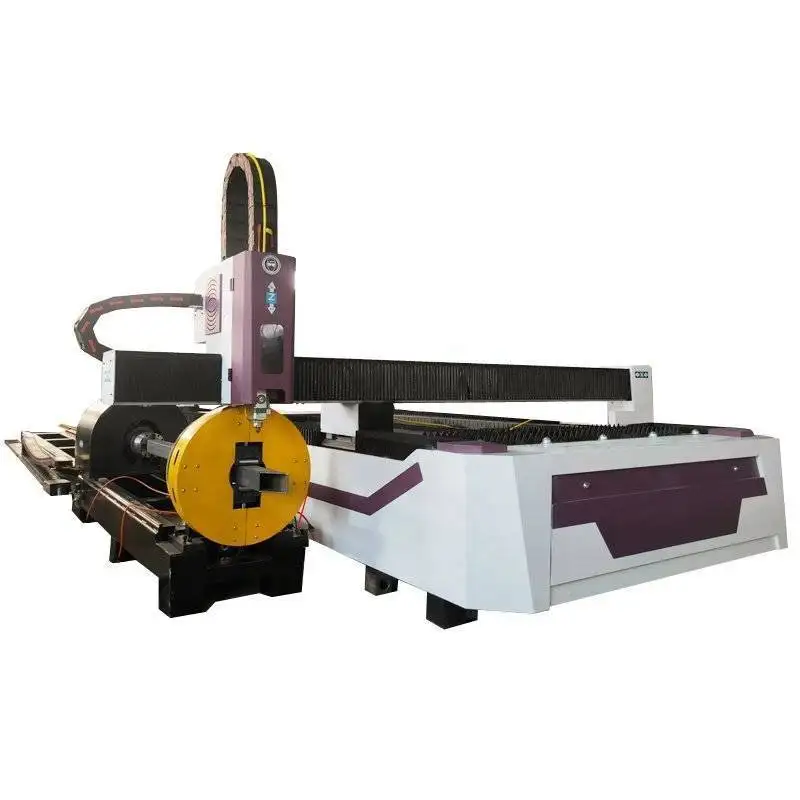
The Dawn of High-Power Fiber Lasers in Heavy Fabrication
For decades, the heavy manufacturing sector in Charlotte has relied on plasma and oxy-fuel cutting for the thick-section carbon steels used in crane booms, gantries, and chassis components. However, the emergence of the 12kW fiber laser has fundamentally altered the cost-benefit analysis of thermal cutting. At 12,000 watts, the energy density of the laser beam is sufficient to vaporize steel with surgical precision, offering a Heat Affected Zone (HAZ) that is significantly smaller than that produced by traditional methods.
In the context of crane manufacturing, the HAZ is a critical factor. High-tensile structural steels, such as Strenx® or other high-yield alloys frequently used in mobile and tower cranes, can be sensitive to prolonged heat exposure. A 12kW fiber laser moves with such velocity that the thermal input is minimized, preserving the metallurgical properties of the base metal. For Charlotte-based manufacturers, this translates to safer, more reliable cranes that meet stringent ISO and AWS standards with less post-process grinding.
Universal Profile Processing: Beyond Flat Plate
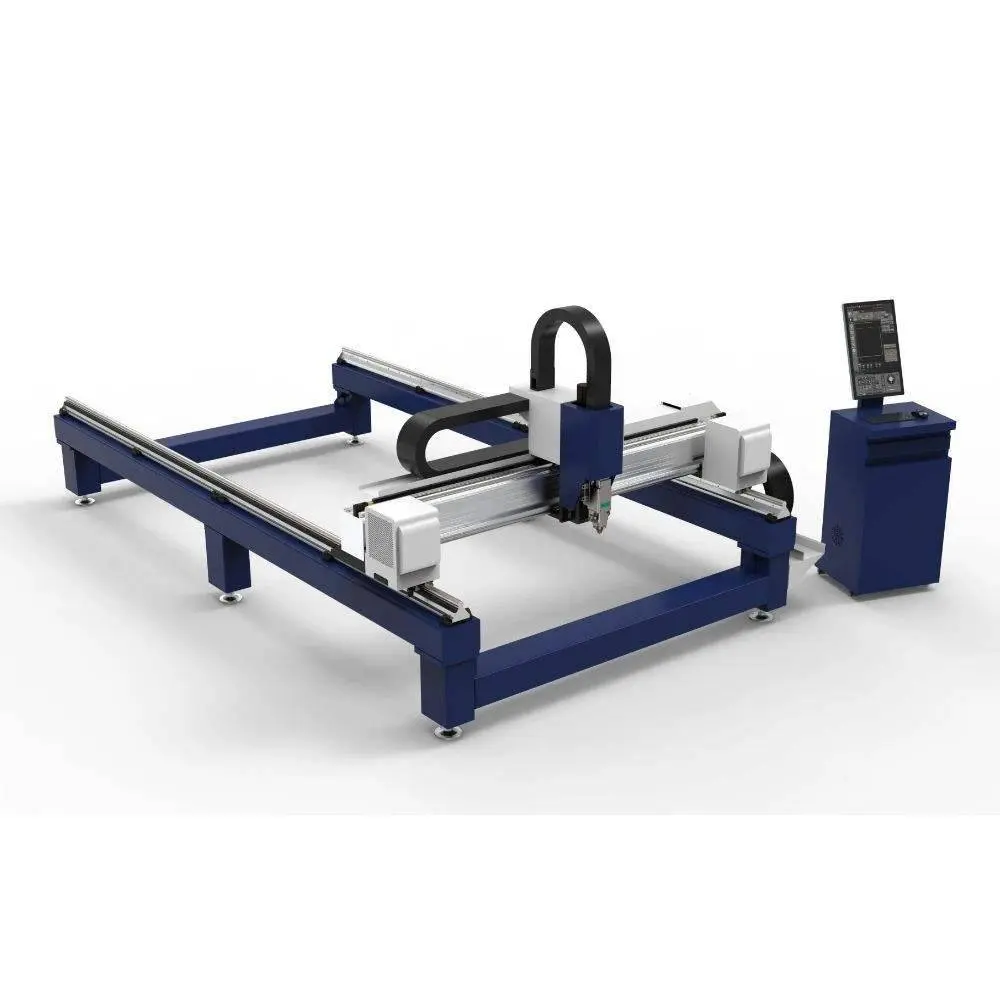
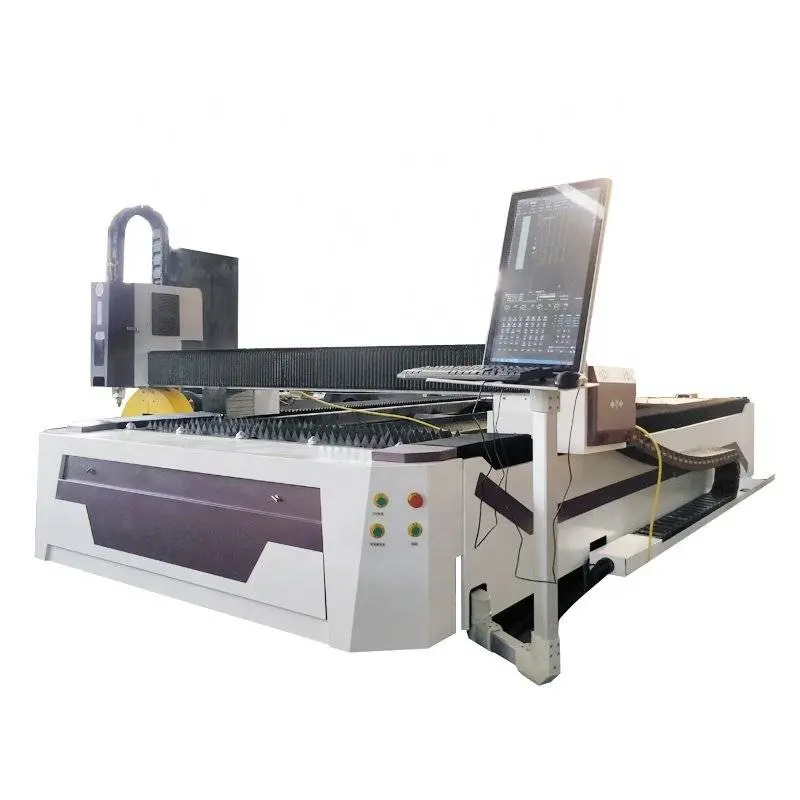
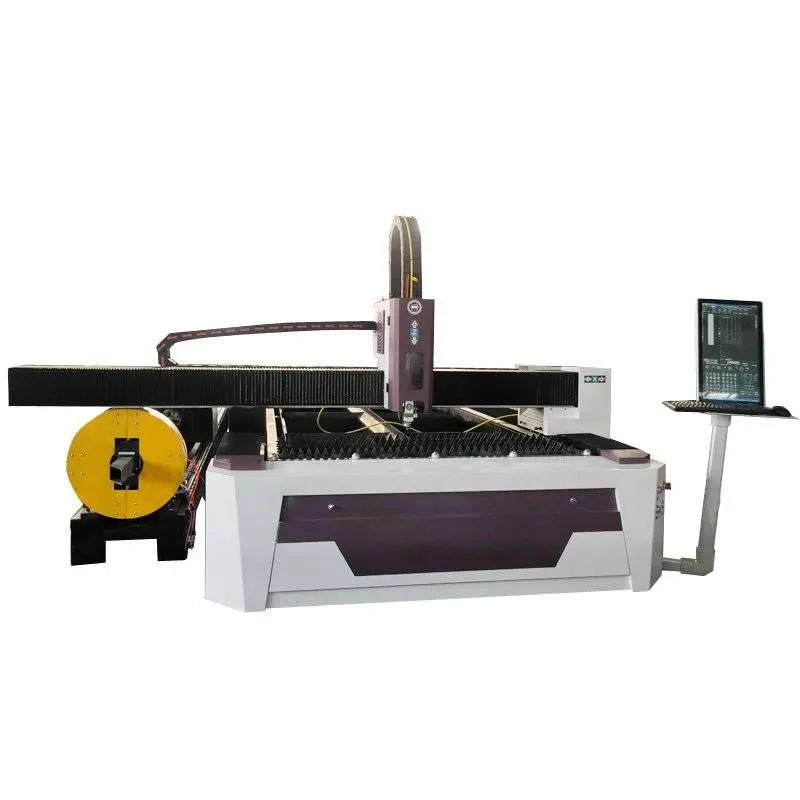
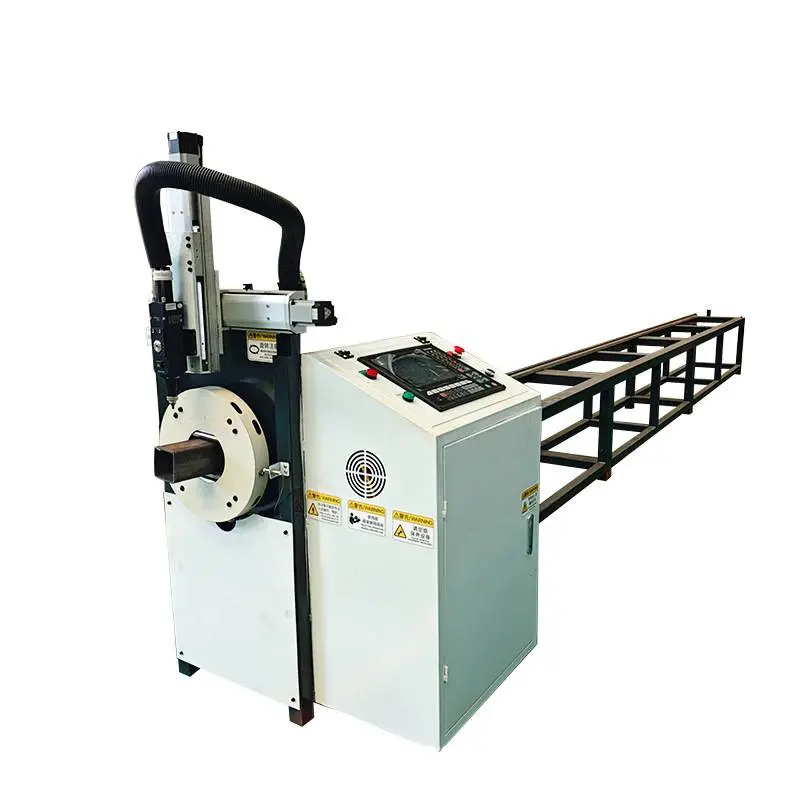
While many laser systems are limited to flat sheets, a “Universal Profile” system is designed to handle the diverse architectural shapes of crane components. This includes I-beams, H-beams, square tubing, and C-channels. The ability to load a 40-foot structural beam and perform complex cut-outs, bolt holes, and end-preps in a single cycle is a game-changer for Charlotte’s industrial corridor.
The 12kW system utilizes advanced sensing technology to map the deviations in structural profiles. Because no beam is perfectly straight, the laser’s NC (Numerical Control) unit compensates in real-time for twists or bows in the steel. For crane manufacturers, this ensures that every mounting point for hydraulic cylinders or pivot pins is perfectly aligned across the entire length of a boom section, reducing the “stack-up” of tolerances that often plagues manual fabrication.
The Geometry of Strength: The ±45° Bevel Head
The most significant technological leap in this system is the 5-axis cutting head capable of ±45° beveling. In crane manufacturing, nearly every structural joint requires a weld prep—typically a V, Y, or K-cut—to ensure full penetration welds. Traditionally, these bevels were ground manually or cut on a secondary machine, adding days to the production timeline.
The 12kW bevel head executes these complex angles during the primary cutting phase. By tilting the head up to 45 degrees, the system can create a knife-edge or a land-and-groove profile that is ready for the welding robot immediately upon exiting the laser. This precision fit-up is vital for the heavy-duty cycles cranes undergo. When parts fit together with sub-millimeter accuracy, the volume of weld wire required is reduced, and the resulting joint is significantly stronger and more resistant to fatigue.
Optimizing the 12kW Power Density
Operating a 12kW laser requires a sophisticated understanding of gas dynamics and beam delivery. At this power level, the choice of assist gas—typically Oxygen or Nitrogen—dictates the quality of the edge. For the thick plates used in crane outriggers (often 1 inch or thicker), Oxygen is frequently used to facilitate an exothermic reaction, increasing cutting speed. However, 12kW systems are increasingly utilizing Nitrogen or High-Pressure Air to produce “clean” cuts that are free of oxide layers.
In Charlotte’s competitive manufacturing environment, eliminating the need to descale an edge before painting or welding provides a significant overhead advantage. The 12kW power source provides enough “grunt” to maintain high feed rates even through thick materials, ensuring that the kerf remains narrow and the dross (slag) is nonexistent.
Strategic Advantages for the Charlotte Industrial Hub
Charlotte has established itself as a logistics and manufacturing powerhouse in the Southeast. With proximity to major steel distributors and a skilled labor force, the city is an ideal location for high-tech crane fabrication. Implementing a 12kW universal laser system allows Charlotte firms to compete with international manufacturers by drastically reducing labor hours per ton of steel.
Furthermore, the “Smart Factory” integration inherent in these systems aligns with the region’s push toward Industry 4.0. These lasers are often equipped with IoT sensors that monitor nozzle condition, lens temperature, and gas consumption. For a crane manufacturer, this means predictable maintenance schedules and the ability to track the exact production cost of every component, from a small bracket to a 60-foot telescopic boom section.
Enhancing Structural Integrity Through Precision Bolt Holes
A recurring challenge in crane assembly is the alignment of bolt holes across multi-layered plates. Traditional plasma cutting often produces “tapered” holes, where the bottom of the hole is smaller than the top. This requires secondary reaming or drilling to ensure a bolt can pass through.
The 12kW fiber laser, with its high beam quality (M2 factor), produces holes with near-zero taper. Whether cutting through 20mm or 30mm steel, the laser maintains a cylindrical profile. For Charlotte crane builders, this means that during field assembly, components can be bolted together without the need for “drifting” or forcing parts into place. This precision not only speeds up assembly but also ensures that the load-bearing characteristics of the bolted joint are exactly as the engineers intended.
The Economic Impact of Reducing Secondary Operations
In heavy fabrication, the hidden “profit killer” is material handling. Every time a crane component is moved from a cutting station to a grinding station, then to a drilling station, and finally to a beveling station, the risk of injury increases and the profit margin decreases.
The 12kW Universal Profile system embodies the “All-in-One” philosophy. By performing all these tasks on a single machine bed, a Charlotte manufacturer can reduce material handling by up to 70%. The throughput of a 12kW laser is roughly 3 to 4 times that of a 4kW or 6kW system when cutting thick plate, meaning one machine can often replace multiple older units. This frees up valuable floor space in Charlotte’s industrial parks for more assembly and testing lines.
Safety and Environmental Considerations
Modern 12kW systems are designed with the highest safety standards, featuring fully enclosed cabins that protect operators from Class 4 laser radiation. Furthermore, the high efficiency of fiber laser resonators—which convert more electricity into light compared to older CO2 lasers—reduces the carbon footprint of the manufacturing facility.
For the crane industry, where safety is the paramount concern, the consistency of laser cutting is its greatest asset. Human error in grinding a bevel or marking a hole location is eliminated. The laser follows the CAD/CAM file with absolute fidelity, ensuring that the “as-built” crane matches the “as-designed” engineering model perfectly. This level of traceability and repeatability is essential for liability management and long-term structural certification.
Conclusion: Lifting the Future of Charlotte’s Manufacturing
The 12kW Universal Profile Steel Laser System with ±45° Bevel Cutting is more than just a tool; it is a strategic investment in the future of heavy infrastructure. For crane manufacturers in Charlotte, this technology provides the means to build stronger, lighter, and more complex lifting solutions while simultaneously driving down costs.
As the demand for larger and more sophisticated cranes grows—driven by global trends in high-rise construction and renewable energy projects like wind farm assembly—the precision of the fiber laser will be the cornerstone of the industry. In the heart of the Carolinas, the marriage of high-power photons and structural steel is ensuring that the cranes of tomorrow are built with an accuracy that was once thought impossible in heavy fabrication.