Introduction to 12kW Tube laser cutting in the Mexican Industrial Landscape
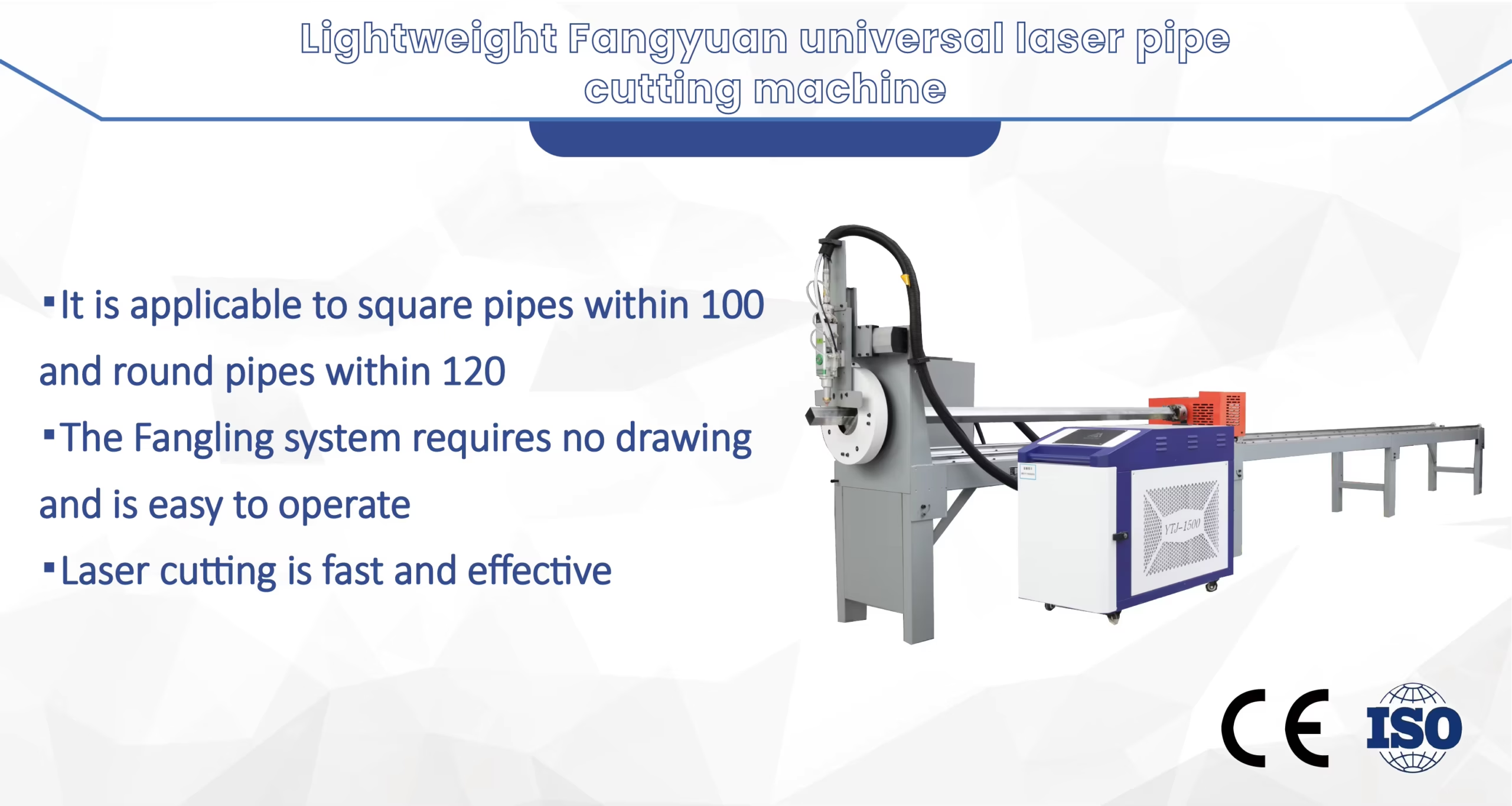
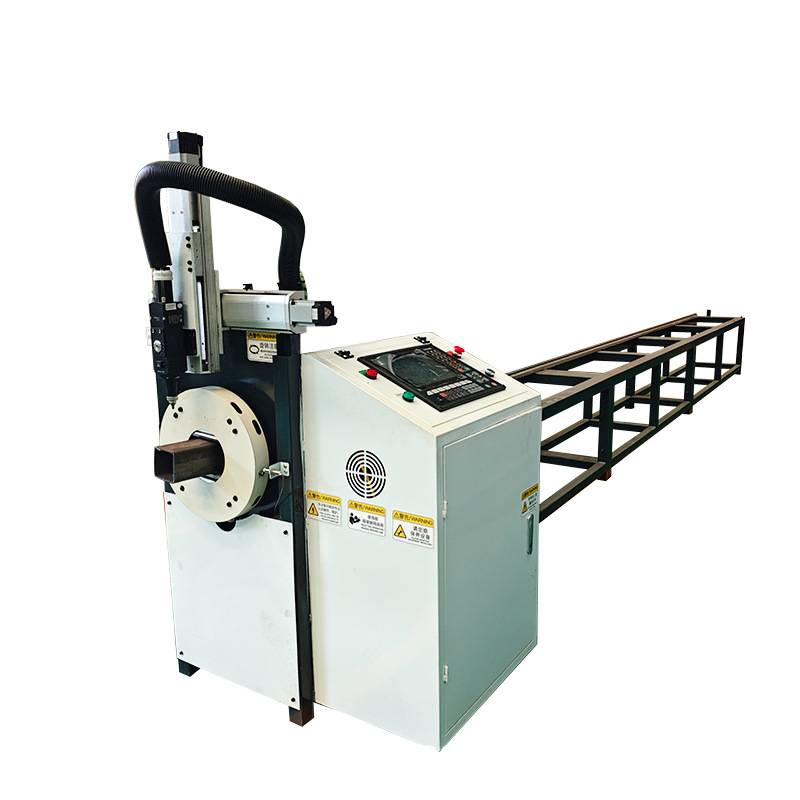
The manufacturing sector in Mexico City and the surrounding metropolitan area has undergone a significant technological transformation over the last decade. As one of the largest industrial hubs in Latin America, the region demands high-precision solutions for complex materials. The introduction of the 12kW tube laser cutter has revolutionized how local fabricators approach non-ferrous metals, particularly brass. With 12,000 watts of fiber laser power, engineers can now achieve cutting speeds and edge qualities that were previously impossible with lower-wattage systems or traditional mechanical sawing methods.
Brass, an alloy of copper and zinc, is prized in Mexico City’s architectural, automotive, and electrical industries for its conductivity and aesthetic appeal. However, from an engineering perspective, brass presents unique challenges due to its high reflectivity and thermal conductivity. A 12kW system provides the necessary energy density to overcome the material’s reflective index, ensuring a stable and continuous laser cutting process that minimizes the risk of back-reflection damage to the resonator.
 laser cutting machine” style=”width: 100%; max-width: 800px; height: auto; margin: 20px 0;”>
Technical Advantages of 12kW Power for Brass Processing
Overcoming High Reflectivity
Brass is classified as a “highly reflective” material. In the early days of CO2 lasers, cutting brass was notoriously difficult and dangerous for the equipment, as the beam could reflect back into the optics. Modern 12kW fiber lasers utilize a shorter wavelength (approximately 1.06 microns) which is absorbed much more efficiently by yellow metals. The 12kW power threshold is a “sweet spot” for tube fabrication; it allows for high-speed piercing and cutting, which reduces the time the beam spends in a static position, further mitigating the risk of reflection.
Enhanced Piercing Speed and Quality
In tube laser cutting, the piercing phase is critical. Because tubes are hollow, any excess heat or molten material from a slow pierce can damage the interior wall of the profile. A 12kW source enables “flash piercing,” where the beam penetrates the brass wall almost instantaneously. This precision is vital for Mexico City’s high-end furniture and lighting manufacturers, where the internal and external finish of the brass tube must remain pristine.
The Impact of Mexico City’s Altitude on Laser Cutting
Operating a 12kW tube laser cutter in Mexico City requires specific engineering considerations due to the city’s elevation of approximately 2,240 meters above sea level. The atmospheric pressure is significantly lower than at sea level, which affects the behavior of assist gases and the cooling efficiency of the system.
Assist Gas Dynamics at High Altitude
When laser cutting brass, Nitrogen (N2) is typically used as the assist gas to produce a clean, oxide-free edge. In the thinner air of Mexico City, gas dynamics change. Engineers must often recalibrate nozzle pressures and flow rates to compensate for the lower ambient density. A 12kW system requires high-pressure gas delivery to effectively blow out the molten brass from the kerf. At high altitudes, maintaining a laminar flow becomes more complex, requiring high-precision regulators and specialized nozzle geometries to ensure the cut remains dross-free.
Cooling and Thermal Management
The 12kW resonator and the cutting head generate substantial heat. In the thinner atmosphere of the Valley of Mexico, air-cooled components are less efficient. Consequently, the industrial chillers used for 12kW systems in Mexico City must be robust and often oversized compared to those used in coastal regions. Maintaining a consistent temperature for the optical path is essential to prevent focal shift, which can lead to inconsistencies when cutting long brass profiles.
Optimizing Parameters for Brass Tube Fabrication
Frequency and Pulse Width Modulation
For high-precision brass components, simply applying maximum power is not always the best strategy. Professional operators in Mexico City’s industrial parks, such as Vallejo or Naucalpan, utilize frequency modulation to control the heat input. By pulsing the 12kW beam at high frequencies, the machine can achieve a smoother surface finish on the cut edge, which is particularly important for brass tubes intended for decorative architectural installations or high-pressure fluid connectors.
Focal Position and Nozzle Selection
The focal position for brass is typically deeper into the material compared to carbon steel. With a 12kW power source, the “processing window” is wider, allowing for greater flexibility. However, the choice of nozzle is paramount. Double-layer nozzles are often preferred for brass laser cutting to stabilize the gas flow. In the context of Mexico City’s diverse manufacturing base, having a variety of nozzle diameters (from 1.5mm to 3.0mm) allows the 12kW machine to transition seamlessly between thin-walled decorative brass and heavy-duty industrial brass piping.
Applications in Mexico City’s Key Industries
Architectural and Interior Design
Mexico City is a global hub for architecture. Brass tubes are frequently used in custom railings, lighting fixtures, and structural accents for luxury developments in Santa Fe and Polanco. The 12kW tube laser allows for intricate “jigsaw” joints and complex nesting patterns that allow these components to be assembled with minimal welding, preserving the natural beauty of the brass.
Automotive and Aerospace Supply Chains
As Mexico continues to strengthen its position in the global automotive supply chain, the demand for high-precision brass bushings, sensors, and fluid manifolds has increased. The 12kW tube laser cutter provides the throughput necessary to meet “Just-in-Time” (JIT) delivery requirements. The ability to cut, hole-punch, and notch brass tubes in a single operation reduces handling costs and improves the geometric tolerance of the final parts, meeting strict international engineering standards.
Maintenance and Longevity of 12kW Systems
Optical Integrity in Industrial Environments
Mexico City’s industrial zones can have high levels of particulate matter. For a 12kW fiber laser, maintaining the cleanliness of the protective windows and the internal optics is the most critical maintenance task. Even a microscopic speck of dust can absorb enough energy from a 12kW beam to shatter a lens. Implementing a positive-pressure filtration system within the laser room is a standard recommendation for facilities operating in CDMX to ensure the longevity of the laser cutting equipment.
Preventative Maintenance for the Chuck and Loading System
Tube laser cutting involves significant mechanical movement. The chucks that hold and rotate the brass tubes must be regularly calibrated. Brass is a relatively soft metal compared to steel; therefore, the clamping pressure must be precisely adjusted to prevent deforming the tube while still providing enough grip for high-speed rotations. Engineers must also ensure that the loading racks are aligned to prevent scratching the brass surface, which is often a requirement for aesthetic applications.
Economic Viability and ROI for Mexican Fabricators
Investing in a 12kW tube laser cutter is a significant capital expenditure. However, for shops in Mexico City, the Return on Investment (ROI) is driven by two factors: speed and versatility. A 12kW machine can cut brass up to 3-4 times faster than a 4kW machine, drastically reducing the cost-per-part. Furthermore, the ability to handle a wide range of wall thicknesses (from 1mm to over 10mm) allows a single machine to serve multiple industries.
In the competitive Mexican market, the reduction in secondary operations—such as deburring and manual drilling—provides a significant edge. The precision of 12kW laser cutting means that parts are ready for assembly or plating immediately after they leave the machine, streamlining the entire production workflow.
Conclusion: The Future of Metal Fabrication in CDMX
The 12kW tube laser cutter represents the pinnacle of current fabrication technology for brass and other non-ferrous metals. For engineers and business owners in Mexico City, adopting this technology is not just about increasing power; it is about achieving a level of precision and efficiency that aligns with global manufacturing trends. As the city continues to grow as a center for industrial excellence, the 12kW fiber laser will remain a cornerstone of high-quality brass tube processing, overcoming the challenges of material reflectivity and high-altitude atmospheric conditions to deliver world-class results.