Advanced 12kW Fiber laser cutting: A Strategic Engineering Guide for Stainless Steel Fabrication in Puebla
The industrial landscape of Puebla, Mexico, has undergone a significant transformation over the last decade. As a primary hub for automotive manufacturing, aerospace components, and food processing equipment, the demand for high-precision metal fabrication has never been higher. At the center of this technological evolution is the 12kW fiber laser cutting system. This power level represents a critical “sweet spot” for modern engineering, offering a perfect balance between high-speed throughput and the ability to process thick-section stainless steel with surgical precision.
For manufacturers in Puebla’s industrial corridors—ranging from the Volkswagen and Audi supply chains to the specialized textile machinery sectors—transitioning to a 12kW platform is no longer just an upgrade; it is a competitive necessity. This guide explores the technical nuances of utilizing 12kW fiber lasers specifically for stainless steel, focusing on the metallurgical, operational, and economic factors relevant to the region.
The Technical Superiority of 12kW Fiber Technology
In the realm of laser cutting, power density is the defining factor for quality and speed. A 12kW fiber laser utilizes a bank of diode modules to create a high-intensity beam that is delivered via a flexible fiber optic cable. Unlike traditional CO2 lasers, the fiber laser operates at a wavelength of approximately 1.06 microns. This shorter wavelength is more readily absorbed by metals, particularly stainless steel, leading to faster piercing times and significantly higher feed rates.
Enhanced Piercing and Cutting Speeds
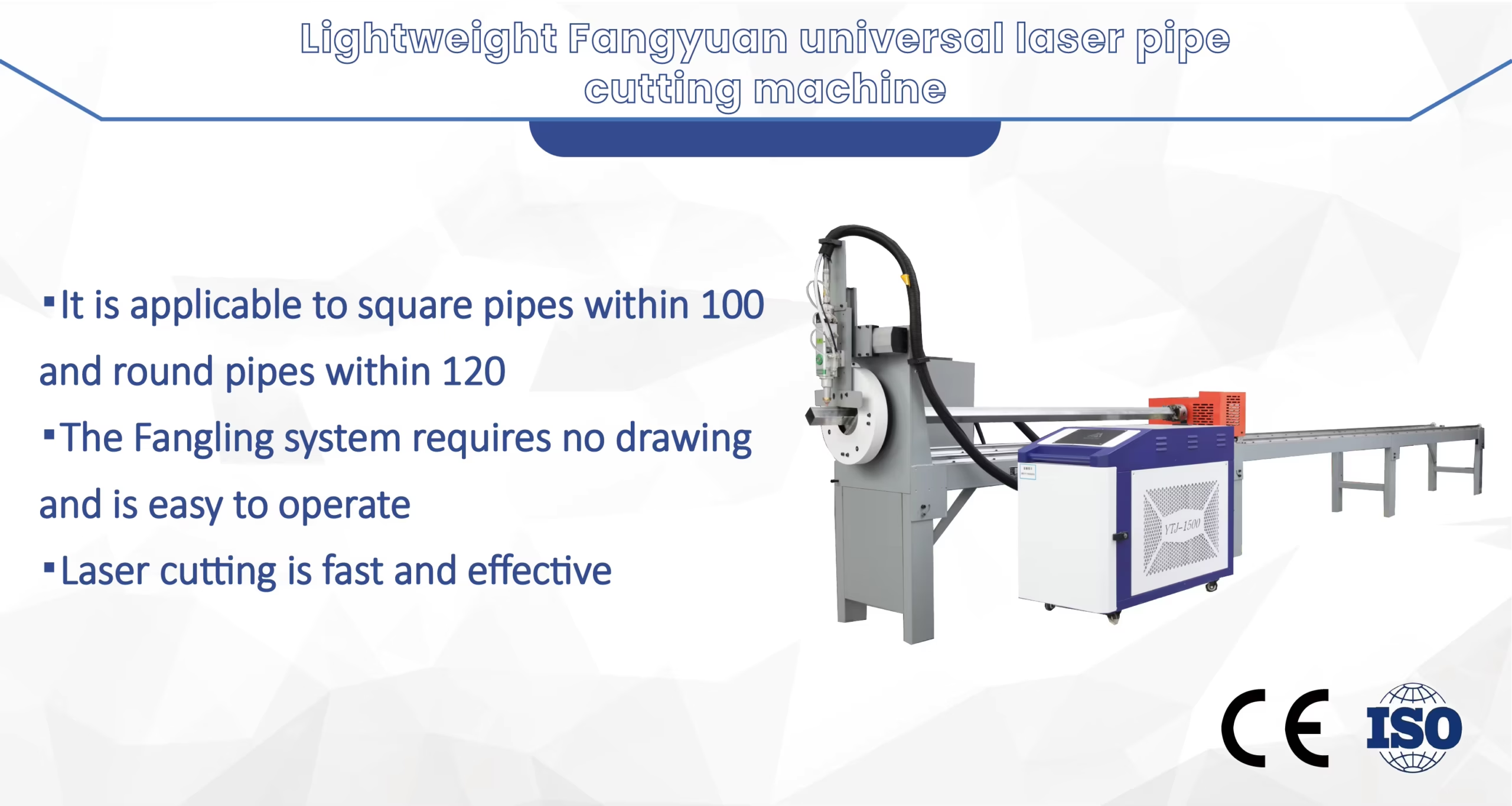
One of the most immediate advantages of the 12kW system is the reduction in piercing time. When processing 15mm to 25mm stainless steel, a 12kW source can execute “fly-piercing” or multi-stage ultra-fast piercing that prevents heat accumulation. This is critical for maintaining the structural integrity of the stainless steel’s crystalline lattice. In terms of linear cutting speed, a 12kW laser can process 6mm stainless steel at speeds exceeding 15 meters per minute, a rate that was unthinkable with lower-wattage systems just a few years ago.
 laser cutting machine MAK120″ style=”max-width: 100%; height: auto; margin: 20px 0;”>
Beam Shaping and Edge Quality
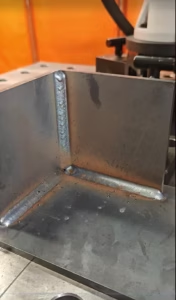
Modern 12kW heads are equipped with dynamic beam shaping technology. This allows the operator to adjust the beam profile (the “spot size”) based on the thickness of the material. For thin stainless steel sheets, a concentrated, high-intensity beam is used to vaporize the metal instantly. For thicker plates, the beam is widened to create a larger kerf, which facilitates the efficient expulsion of molten metal by the assist gas. This results in a dross-free finish that often eliminates the need for secondary grinding or deburring—a major cost saver for Puebla’s high-volume exporters.
Optimizing Stainless Steel Processing for Puebla’s Industries
Stainless steel is prized for its corrosion resistance and aesthetic appeal, but it presents unique challenges during laser cutting. The material’s high chromium and nickel content makes it sensitive to heat-affected zones (HAZ). In Puebla’s food-grade equipment industry, maintaining the metallurgical properties of Grade 304 and 316 stainless steel is paramount to ensure the final product meets international hygiene standards.
The Role of Assist Gases: Nitrogen vs. Oxygen
To achieve a “bright” or “clean” edge on stainless steel, Nitrogen is the mandatory assist gas. At 12kW, the high pressure of Nitrogen (often exceeding 20 bar) acts as a mechanical force to blow the molten metal out of the cut before it can react with atmospheric oxygen. This prevents oxidation and ensures the edge remains silver and weld-ready. Given Puebla’s altitude, which can affect atmospheric pressure and gas density, high-capacity nitrogen generation systems or liquid nitrogen tanks are essential components of a 12kW setup to ensure consistent beam path stability.
Managing Thermal Distortion
While 12kW lasers cut faster, they also introduce significant energy into the workpiece. For complex geometries required in automotive brackets or aerospace manifolds, thermal management is vital. Advanced CNC controllers on 12kW machines utilize sophisticated nesting algorithms and “cooling point” logic, where the laser path is optimized to distribute heat evenly across the sheet, preventing the warping that often plagues thinner stainless steel gauges.
Economic Impact and ROI in the Puebla Region
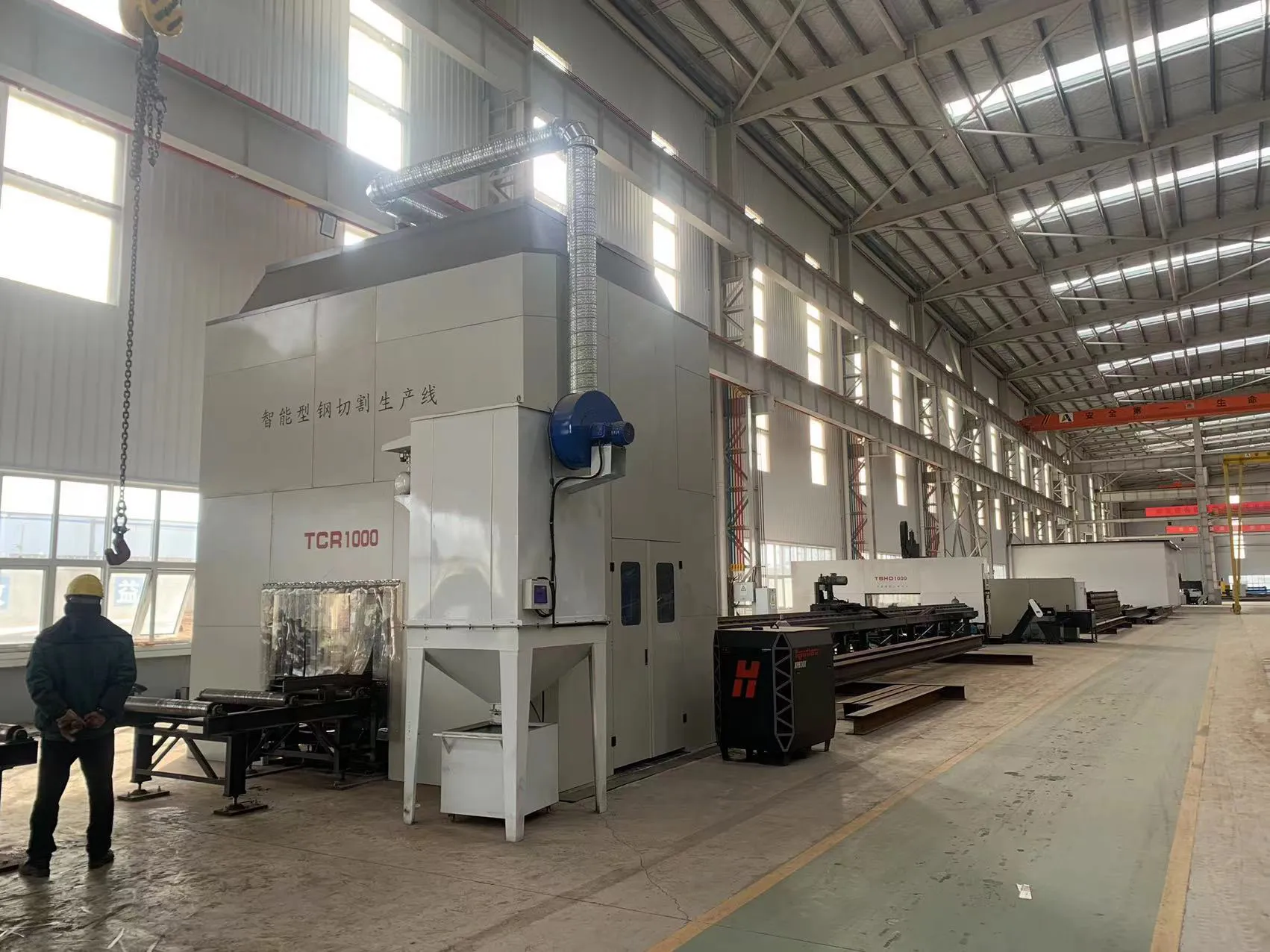
Investing in a 12kW laser cutting system in a competitive industrial zone like Puebla requires a clear understanding of Return on Investment (ROI). The initial capital expenditure is higher than that of a 6kW or 8kW machine, but the cost-per-part metrics tell a different story. In high-production environments, the 12kW system can often replace two lower-power machines, reducing the footprint required in the factory and halving the labor cost associated with machine operation.
Throughput and Market Competitiveness
For job shops in the Cuautlancingo or Huejotzingo areas, the ability to offer rapid turnaround times is a significant differentiator. A 12kW laser allows a shop to take on projects involving 20mm or 30mm stainless steel plate—thicknesses that previously required plasma cutting or waterjet. Because the laser provides a much higher quality edge than plasma, the customer receives a superior part at a lower total cost of production.
Energy Efficiency and Sustainability
Modern fiber lasers are remarkably efficient, with wall-plug efficiencies of over 35-40% compared to the 10% of older CO2 technology. In Mexico, where industrial electricity rates can fluctuate, the lower power consumption per cut—due to the much higher speeds—results in a smaller carbon footprint and lower overhead. This aligns with the “Green Manufacturing” initiatives being adopted by major Tier 1 automotive suppliers throughout the state of Puebla.
Maintenance and Operational Best Practices
To maintain the precision of laser cutting at 12,000 watts, a rigorous maintenance schedule is non-negotiable. The high power levels place extreme stress on the optical components, specifically the protective windows and the focal lens.
Optical Cleanliness
The smallest speck of dust on a protective window can absorb enough 12kW energy to shatter the glass or damage the cutting head. Facilities in Puebla must ensure that their laser cutting environment is climate-controlled and pressurized to keep industrial dust away from the machine’s sensitive optics. Daily inspections of the “cover glass” are mandatory.
Chiller Calibration
A 12kW laser generates substantial heat within the resonator and the cutting head. The cooling system (chiller) must be perfectly calibrated to maintain a constant temperature, typically within ±0.5°C. In the temperate but variable climate of Puebla, ensuring the chiller is rated for the local ambient temperature peaks is critical to prevent “thermal drift,” which can cause the laser’s focal point to shift during long production runs.
Conclusion: The Future of Fabrication in Puebla
The integration of 12kW laser cutting technology is a defining moment for the manufacturing sector in Puebla. By mastering the nuances of high-power fiber lasers, local fabricators can meet the exacting standards of global industries while maximizing their operational efficiency. Whether it is processing Grade 304 stainless steel for the food industry or Grade 430 for automotive exhaust systems, the 12kW laser provides the speed, precision, and versatility required to thrive in the modern global market.
As the region continues to attract international investment, the workshops and factories that embrace these high-power solutions will be the ones that lead the way in quality and innovation. The 12kW fiber laser is not just a tool; it is the engine of growth for Puebla’s industrial future.