
12kW Fiber laser cutting: Optimizing Galvanized Steel Production in Queretaro
The industrial landscape of Queretaro has undergone a radical transformation over the last decade, evolving into one of Mexico’s primary hubs for aerospace, automotive, and high-tech manufacturing. As the Bajío region continues to attract global Tier 1 and Tier 2 suppliers, the demand for high-precision metal fabrication has skyrocketed. At the center of this technological surge is the 12kW fiber laser cutting system, a powerhouse of efficiency designed to handle the rigorous demands of modern production lines, particularly when processing challenging materials like galvanized steel.
Operating a 12kW laser requires more than just raw power; it necessitates a deep understanding of material science, thermodynamics, and fluid dynamics. In Queretaro’s competitive market, where lead times and edge quality are non-negotiable, mastering the nuances of 12kW laser cutting for galvanized substrates provides a significant competitive advantage. This guide explores the technical parameters, operational strategies, and regional considerations for maximizing the potential of high-power fiber lasers.
The 12kW Advantage in Modern Fabrication
A 12kW fiber laser represents a significant leap from the previous industry standards of 4kW or 6kW. The primary benefit is not just the ability to cut thicker materials, but the exponential increase in cutting speed on thin to medium-gauge sheets. For a 12kW system, galvanized steel—widely used in Queretaro for HVAC ducts, automotive structural components, and electrical enclosures—can be processed at speeds that were previously unattainable.
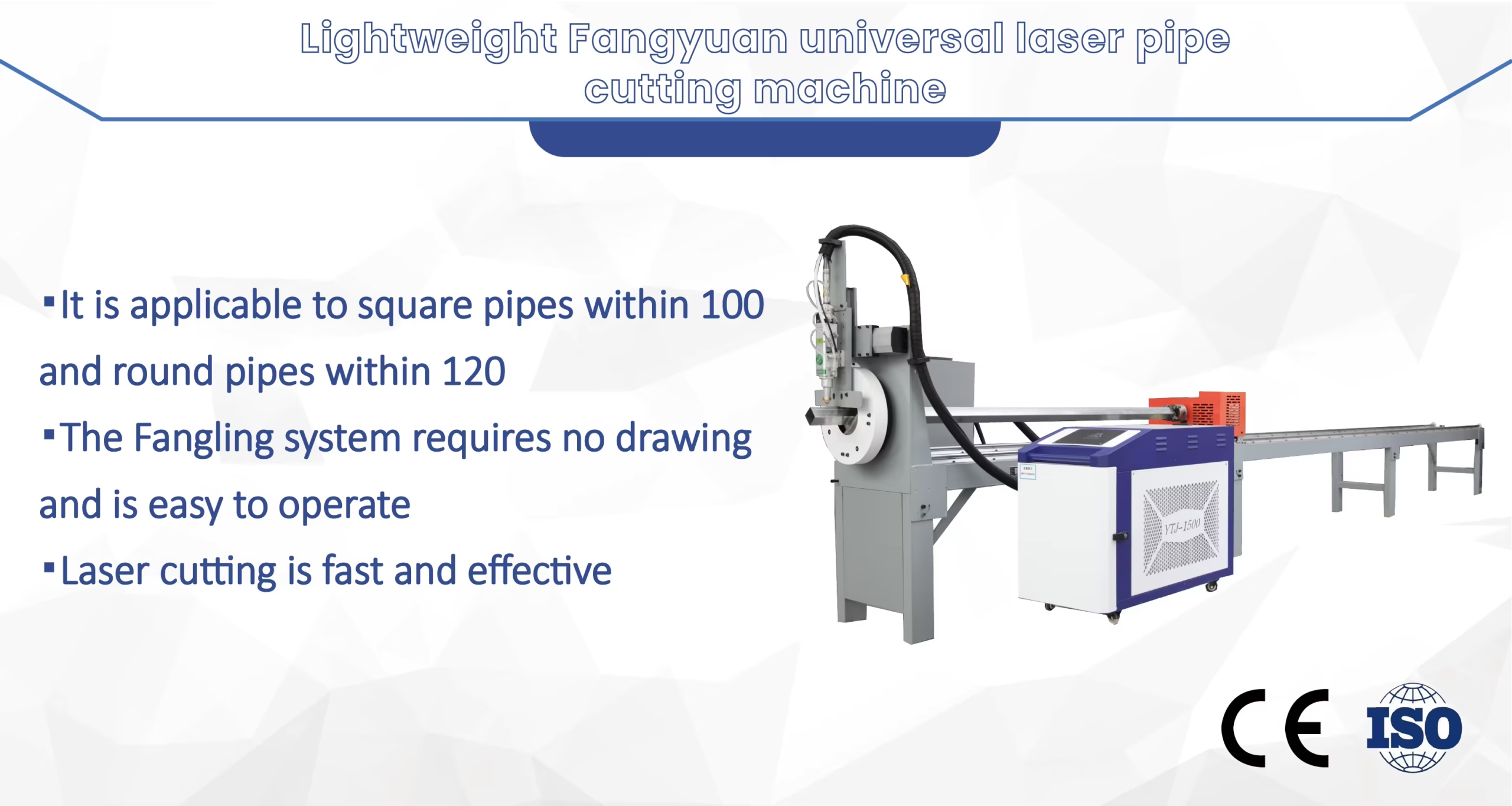 laser cutting machine” style=”width: 100%; max-width: 800px; height: auto; margin: 20px 0;”>
The high power density of a 12kW beam allows for a smaller heat-affected zone (HAZ). When laser cutting, the goal is to vaporize the metal so quickly that heat does not have time to conduct into the surrounding material. This results in minimal distortion, which is critical for precision components that must undergo subsequent bending or assembly processes. In Queretaro’s aerospace sector, where tolerances are measured in microns, the stability and precision of a 12kW source are indispensable.
Material Specifics: The Challenges of Galvanized Steel
Galvanized steel presents a unique set of challenges for laser cutting due to its zinc coating. Zinc has a significantly lower melting point (approximately 419°C) and boiling point (907°C) compared to the underlying steel (which melts around 1,500°C). During the laser cutting process, the zinc coating vaporizes before the steel melts, creating high-pressure gas that can interfere with the stability of the laser beam and the assist gas flow.
This discrepancy in thermal properties often leads to “spitting” or “dross” formation on the underside of the cut. Furthermore, the vaporized zinc can accumulate on the laser’s protective window or the nozzle, leading to premature component wear or beam misalignment. To counter this, 12kW systems utilize advanced nozzle designs and high-pressure assist gas configurations to ensure the vaporized zinc is effectively evacuated from the kerf.
Optimizing Laser Cutting Parameters for Zinc-Coated Substrates
To achieve a clean, burr-free edge on galvanized steel, operators in Queretaro must fine-tune several critical parameters. The 12kW power level allows for “High-Speed Nitrogen Cutting,” which is the preferred method for galvanized materials. By using Nitrogen as an assist gas at high pressures (typically 14-18 bar), the process relies on mechanical kinetic energy to blow away the molten metal, preventing oxidation and preserving the integrity of the zinc coating near the cut edge.
Focal position is another vital factor. For galvanized steel, a slightly negative focus—where the beam’s narrowest point is positioned inside or at the bottom of the material—is often used to widen the kerf slightly, allowing for better gas flow and debris removal. With 12kW of power, the “sweet spot” for focal position is more forgiving than lower-power lasers, but it still requires precise calibration to avoid the accumulation of dross.
Assist Gas Strategies: Nitrogen vs. Oxygen
While Oxygen can be used for laser cutting thicker carbon steels, it is generally avoided for galvanized steel because it triggers an exothermic reaction that can cause the zinc to flare up, resulting in a poor surface finish. Nitrogen is the industry standard in Queretaro’s high-end fabrication shops. It acts as a shielding gas, preventing the edge from discoloring and ensuring that the part is ready for welding or painting without secondary cleaning operations.
However, the high consumption rate of Nitrogen at 12kW power levels can be a significant operational cost. Many facilities in the El Marqués and Balvanera industrial parks are now investing in Nitrogen generation systems. These systems allow shops to produce their own high-purity Nitrogen, reducing reliance on external suppliers and stabilizing overhead costs in a fluctuating economy.
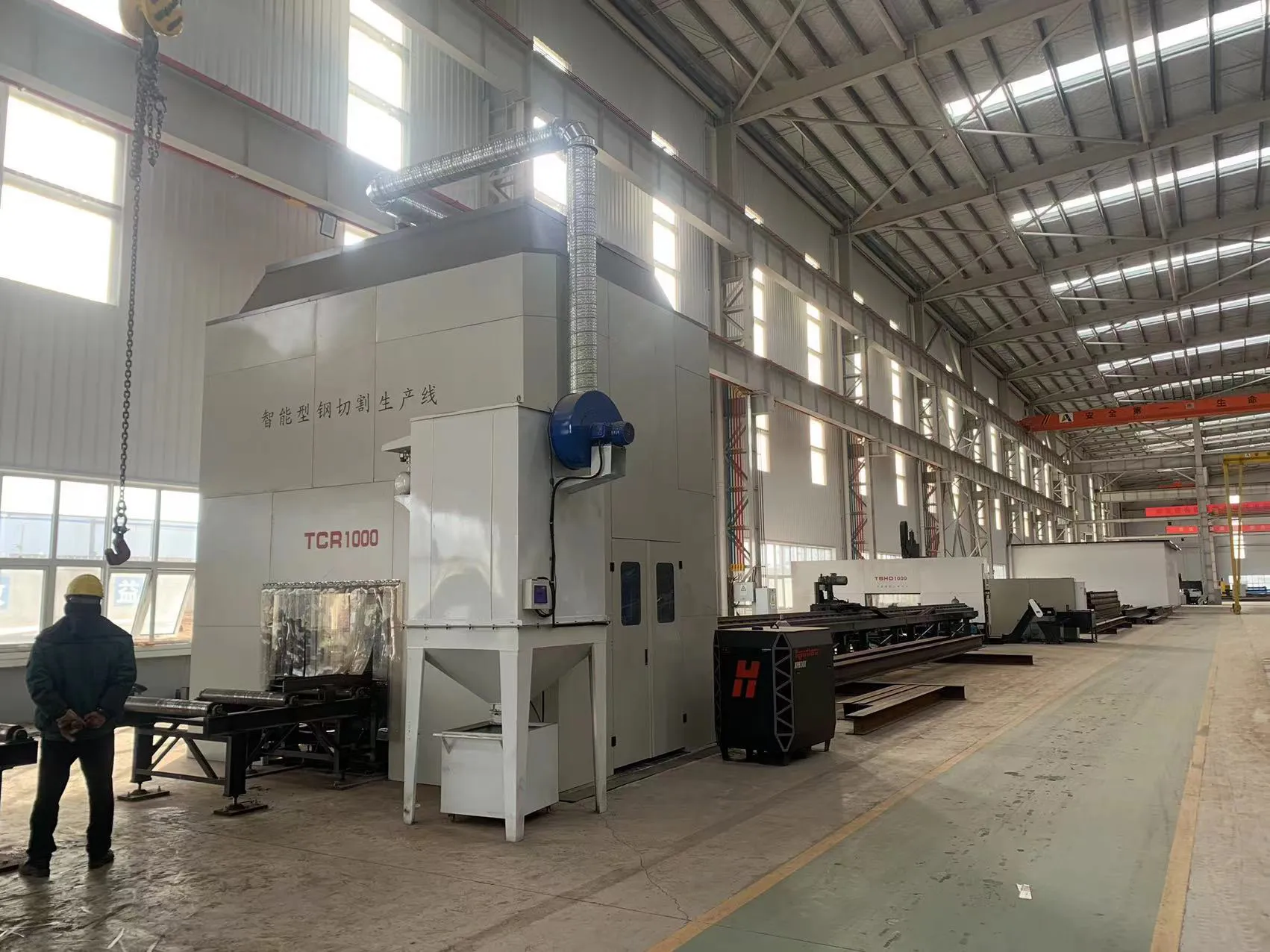
Equipment Maintenance for High-Output Environments
A 12kW laser is a precision instrument that requires a rigorous maintenance schedule, especially when operating in the dusty or variable-temperature environments often found in industrial zones. The cooling system (chiller) is the heart of the machine; at 12kW, the amount of waste heat generated is substantial. In Queretaro, where ambient temperatures can rise significantly during the summer months, ensuring the chiller is descaled and the coolant is at the correct conductivity level is paramount.
The optical path must also be kept pristine. Even a microscopic particle of dust on the protective window can absorb enough energy from a 12kW beam to shatter the glass or damage the cutting head. Regular inspections of the nozzle, the ceramic ring, and the protective lens should be performed every shift. For galvanized steel, specifically, the nozzle should be cleaned frequently to remove zinc oxide buildup which can deflect the assist gas and ruin the cut quality.
The Importance of Software and Nesting
Hardware power must be matched by software intelligence. Modern 12kW systems utilize sophisticated nesting software that optimizes the cutting path to manage heat distribution. When laser cutting complex geometries in galvanized sheets, “common line cutting” can be used to reduce the number of pierces and the total distance traveled, significantly increasing throughput. In a high-volume production environment like Queretaro, a 5% increase in nesting efficiency can translate to thousands of dollars in annual material savings.
Furthermore, “Fly-Cutting” or “Leapfrog” movements are essential at 12kW. These techniques allow the laser head to move between cuts without fully stopping, maintaining momentum and taking full advantage of the high-speed capabilities of the fiber source. This is particularly effective for perforated sheets or HVAC grilles where hundreds of small holes are required.
Safety and Environmental Considerations
Laser cutting galvanized steel releases zinc oxide fumes, which can be hazardous if inhaled, leading to a condition known as “metal fume fever.” It is mandatory for shops in Mexico to comply with STPS (Secretaría del Trabajo y Previsión Social) regulations regarding air quality. A high-capacity dust extraction and filtration system is non-negotiable for a 12kW installation. These systems must be capable of handling the high volume of particulates generated by high-speed cutting.
Additionally, the 12kW fiber laser is a Class 4 laser product. The high power means that back-reflections—though less common with fiber than with CO2—can still pose a risk to the machine’s internal optics if not managed by the system’s back-reflection protection software. Operators must be trained in the use of appropriate PPE and the importance of maintaining the machine’s light-tight enclosure.
Economic Impact on the Queretaro Industrial Sector
The adoption of 12kW laser technology is a clear indicator of Queretaro’s maturation as a manufacturing powerhouse. By reducing the cost per part and increasing the range of processable thicknesses, local fabricators can compete on a global scale. The ability to process galvanized steel with high precision allows the local supply chain to support the automotive industry’s shift toward lighter, more corrosion-resistant materials.
As we look toward the future, the integration of Industry 4.0 features—such as real-time monitoring of gas consumption, power usage, and cutting speeds—will further refine the efficiency of 12kW systems. For companies in the Bajío region, investing in high-power fiber laser technology is not just about keeping up with the competition; it is about setting the standard for excellence in metal fabrication.
Conclusion: Mastering the 12kW Frontier
The transition to 12kW laser cutting represents a pivotal moment for metal fabricators in Queretaro. While the technical demands of processing galvanized steel are higher than those of standard carbon steel, the rewards in terms of speed, quality, and versatility are immense. By focusing on precise parameter optimization, robust maintenance protocols, and advanced assist gas strategies, manufacturers can fully harness the power of the fiber laser to deliver world-class components to the global market.
Success in this field requires a blend of engineering expertise and operational discipline. As Queretaro continues to grow as an industrial leader, the 12kW fiber laser will remain a cornerstone of the region’s manufacturing capabilities, driving innovation and efficiency in the processing of galvanized steel and beyond.
















