Optimizing 12kW Sheet Metal laser cutting for Aluminum Alloys in the Tijuana Manufacturing Sector
The manufacturing landscape in Tijuana, Baja California, has undergone a radical transformation over the last decade. As a primary hub for the aerospace, medical device, and automotive industries, the region demands high-precision fabrication capabilities. Among the most significant technological advancements driving this sector is the implementation of high-power fiber laser systems. Specifically, the 12kW sheet metal laser has emerged as the industry standard for processing non-ferrous metals. For engineers and facility managers in Tijuana’s “maquiladoras,” mastering the nuances of 12kW laser cutting on aluminum alloys is no longer optional—it is a competitive necessity.
Aluminum alloys, known for their high strength-to-weight ratio and corrosion resistance, present unique challenges during thermal processing. The high reflectivity and thermal conductivity of aluminum require immense energy density to maintain a stable melt pool. A 12kW power source provides the necessary photon flux to overcome these physical barriers, allowing for high-speed processing of thicknesses that were previously difficult to manage with lower-wattage systems. This guide explores the technical parameters, environmental considerations, and regional advantages of deploying 12kW laser technology in the Tijuana industrial corridor.
The Physics of 12kW Fiber Laser Interaction with Aluminum
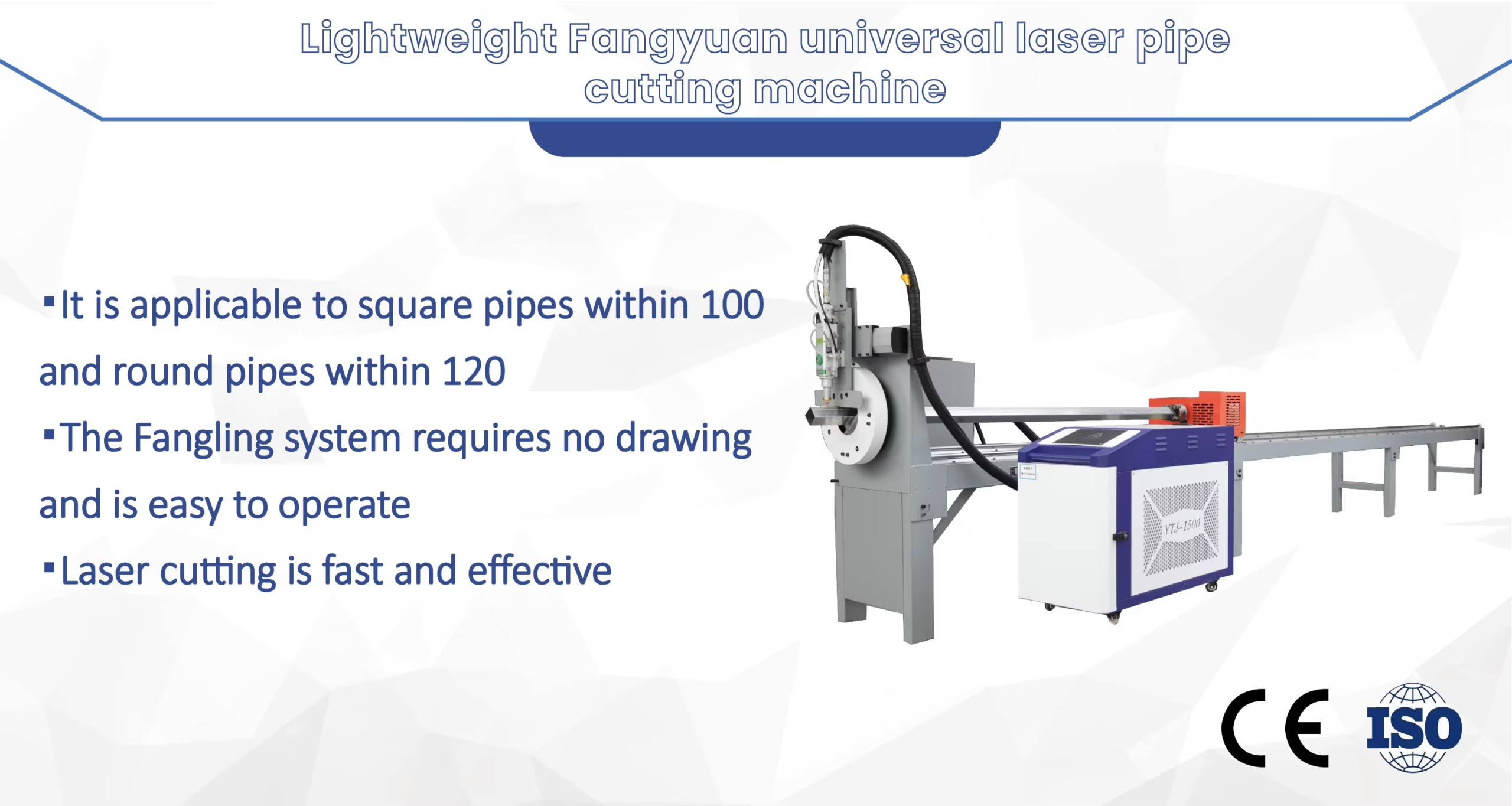
At the heart of 12kW laser cutting is the fiber laser source, which generates a beam with a wavelength of approximately 1.06 microns. This wavelength is significantly better absorbed by aluminum than the 10.6-micron wavelength of legacy CO2 lasers. However, even with fiber technology, aluminum reflects a substantial portion of laser energy in its solid state. The 12kW threshold is critical because it allows the beam to “pierce” the reflectivity barrier almost instantaneously, establishing a keyhole that traps the beam’s energy within the material.
 laser cutting machine for Sheet Metal” style=”width: 100%; max-width: 800px; height: auto; margin: 20px 0;”>
When processing 6061-T6 or 5052 aluminum alloys, the 12kW power allows for a significant increase in feed rates. For instance, while a 6kW laser might struggle with 20mm aluminum, a 12kW system can process it with a clean, dross-free edge at speeds that make large-scale production economically viable. The high power density minimizes the Heat Affected Zone (HAZ), which is vital for maintaining the structural integrity and temper of the alloy. In the aerospace-heavy environment of Tijuana, where material certifications are stringent, minimizing HAZ is a primary engineering requirement.
Strategic Advantages for the Tijuana Industrial Hub
Tijuana’s proximity to the United States, specifically the San Diego tech corridor, creates a high-pressure environment for “Just-In-Time” (JIT) manufacturing. The 12kW sheet metal laser provides the throughput necessary to meet these tight lead times. Furthermore, the regional supply chain in Baja California is well-equipped with aluminum service centers that provide various grades of sheet stock, from marine-grade 5083 to aerospace-grade 7075.
Implementing a 12kW system in Tijuana also addresses the rising cost of labor and the need for automation. These machines often come equipped with automated nozzle changers and pallet exchange systems, allowing for 24/7 operation. Given the competitive nature of the local manufacturing market, the ability to produce more parts per hour with a 12kW laser cutting system directly correlates to a lower cost-per-part, enabling local firms to win contracts against international competitors.
Technical Parameter Optimization: Gas Dynamics and Nozzle Selection
For aluminum, the choice of assist gas is the most influential factor in edge quality. While oxygen is used for carbon steel, 12kW aluminum cutting almost exclusively utilizes high-pressure nitrogen or compressed air. Nitrogen acts as a shielding gas, preventing the oxidation of the cut edge and resulting in a “shiny” finish that requires no post-processing before welding or painting.
With 12kW of power, the gas pressure must be meticulously calibrated. If the pressure is too low, the molten aluminum will not be ejected properly, leading to “dross” or burrs on the bottom of the sheet. Conversely, excessive pressure can cause turbulence in the melt pool, resulting in a rougher surface finish. Engineers should utilize “double-layer” nozzles, which help stabilize the gas flow around the high-intensity beam. In the Mediterranean climate of Tijuana, maintaining a consistent supply of high-purity nitrogen is essential, often necessitating on-site nitrogen generation systems to ensure the 12kW laser cutting process remains uninterrupted.
Overcoming the Challenges of High Reflectivity
One of the primary risks when laser cutting aluminum is back-reflection. If the laser beam is reflected back into the delivery fiber, it can cause catastrophic damage to the laser source. Modern 12kW systems are equipped with “back-reflection isolators” and advanced optical sensors that can shut the system down in milliseconds if a reflection is detected. However, the best defense is proper parameter setting. By using a “lead-in” strategy that tilts the head slightly during the initial pierce, or by using high-frequency pulsing, the risk of back-reflection is significantly mitigated.
Furthermore, the 12kW power level allows for “fly-cutting” on thinner aluminum sheets. This technique involves the laser head moving at high speeds while the beam toggles on and off without stopping at each individual geometry. This reduces the time the beam spends in a stationary position, further reducing the opportunity for reflective energy to bounce back into the optics.
Infrastructure and Maintenance in the Baja Region
Operating a 12kW laser in Tijuana requires specific infrastructure considerations. The power draw of a 12kW fiber laser, including the chiller and dust collector, is substantial. Facilities must ensure they have stable voltage and adequate amperage. Voltage stabilizers are highly recommended in certain industrial zones of Tijuana to protect the sensitive electronics of the laser source from power surges or brownouts.
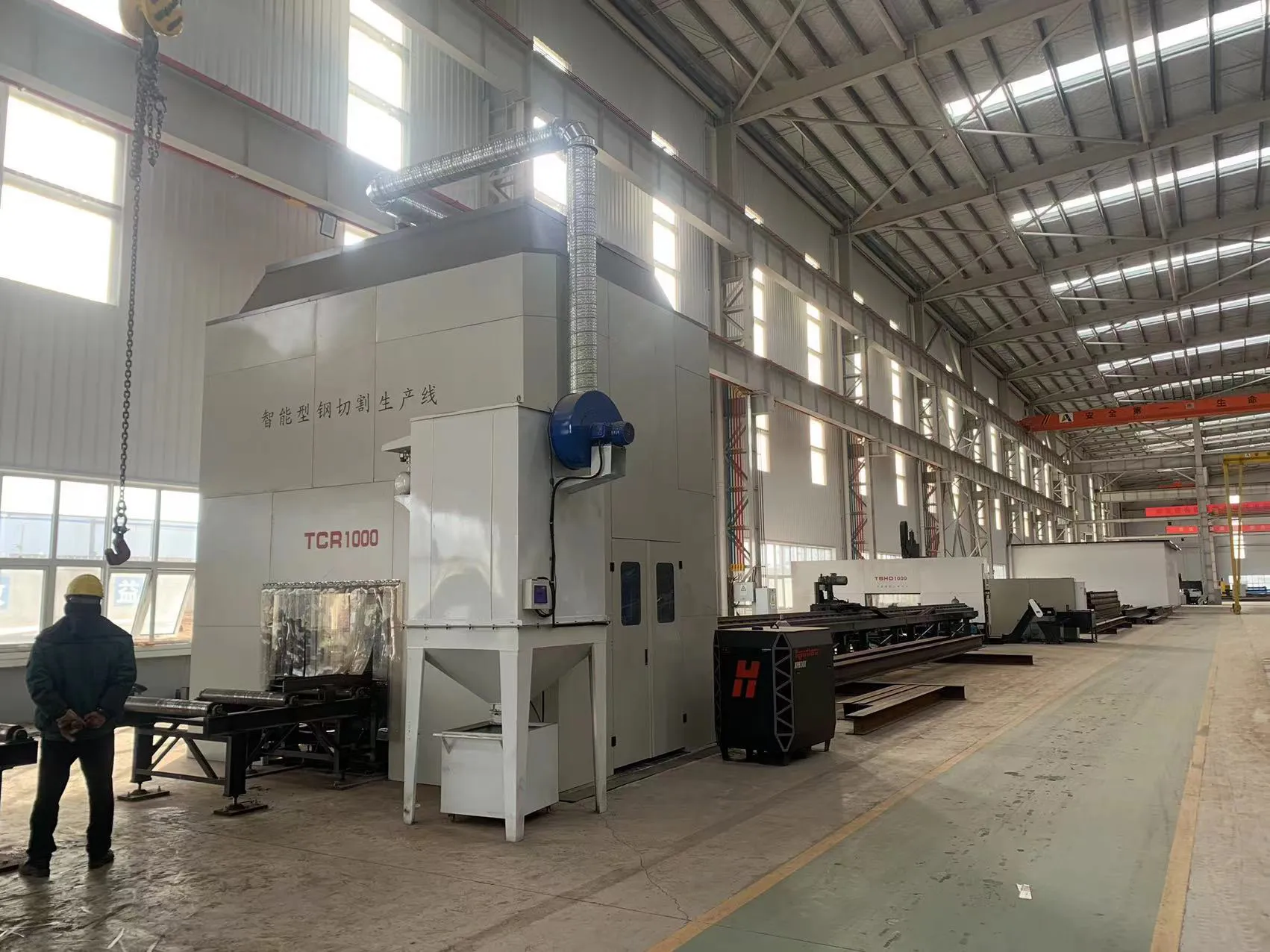
Maintenance is another critical pillar. Aluminum dust is not only abrasive but also explosive in high concentrations. A 12kW system generates a significant volume of particulate matter due to its high cutting speeds. Therefore, a high-capacity dust extraction system with explosion-proof venting is mandatory. Regular cleaning of the slats and the internal cabinet of the machine ensures that the aluminum dust does not accumulate, maintaining both safety and cut quality. For shops located near the coast in Tijuana, additional filtration may be needed to prevent salty air from corroding internal optical components or electrical cabinets.
Economic Impact and ROI Analysis
The capital expenditure for a 12kW sheet metal laser is significant, but the Return on Investment (ROI) in a high-volume market like Tijuana is often realized within 18 to 24 months. The primary driver of this ROI is “throughput density.” A 12kW machine can often replace two or three 4kW machines, reducing the footprint required in the factory and halving the labor cost associated with machine operation.
In the context of aluminum, the 12kW system allows for the nesting of parts more tightly due to the smaller kerf width and more controlled heat input. This leads to better material utilization—a crucial factor when dealing with the fluctuating prices of aluminum alloys in the global market. When a Tijuana-based manufacturer can demonstrate the ability to cut 25mm aluminum with the same precision as 3mm aluminum, they move up the value chain, transitioning from simple component suppliers to high-tier engineering partners.
Conclusion: The Future of Fabrication in Tijuana
The integration of 12kW laser cutting technology represents a coming-of-age for the Tijuana manufacturing sector. By moving beyond traditional mechanical shearing and low-power laser methods, local shops are positioning themselves at the forefront of the global supply chain. Aluminum processing, with all its complexities, is perfected through the combination of high-wattage power, precise gas dynamics, and a deep understanding of material science.
As we look toward the future, the trend toward even higher power levels—20kW and 30kW—is already on the horizon. However, for the current requirements of the aerospace and automotive industries in Baja California, the 12kW sheet metal laser remains the “sweet spot” for efficiency, precision, and reliability. For engineers in Tijuana, the focus must remain on continuous optimization of these systems to ensure that the region remains a powerhouse of North American manufacturing.