Mastering 12kW Sheet Metal laser cutting for Aluminum Alloys in Queretaro’s Industrial Hub
The manufacturing landscape in Queretaro, Mexico, has undergone a radical transformation over the last decade. As a central pillar of the Bajío region’s “Aerospace Valley” and a critical hub for automotive Tier 1 and Tier 2 suppliers, the demand for precision, speed, and material versatility has never been higher. At the forefront of this industrial evolution is the 12kW fiber laser cutting system. Specifically, when dealing with aluminum alloys—materials known for their high reflectivity and thermal conductivity—the jump to 12kW power levels represents a significant leap in production capability.
For engineers and plant managers in Queretaro’s industrial parks, such as El Marqués, Balvanera, or Aerotech, understanding the technical nuances of 12kW laser cutting is essential. This guide explores the synergy between high-power fiber lasers and aluminum alloys, focusing on technical optimization, gas dynamics, and the regional advantages of deploying such technology in the heart of Mexico’s manufacturing corridor.
The Power Advantage: Why 12kW for Aluminum?
In the realm of laser cutting, power is not merely about the ability to cut thicker materials; it is about the “power density” and the speed at which the material reaches its melting point. Aluminum alloys, particularly the 5000 and 6000 series commonly used in automotive and aerospace structures, present a unique challenge due to their high reflectivity. In lower-power systems (under 4kW), the initial “pierce” and the sustained cut can be unstable because the material reflects a significant portion of the laser energy back toward the cutting head.
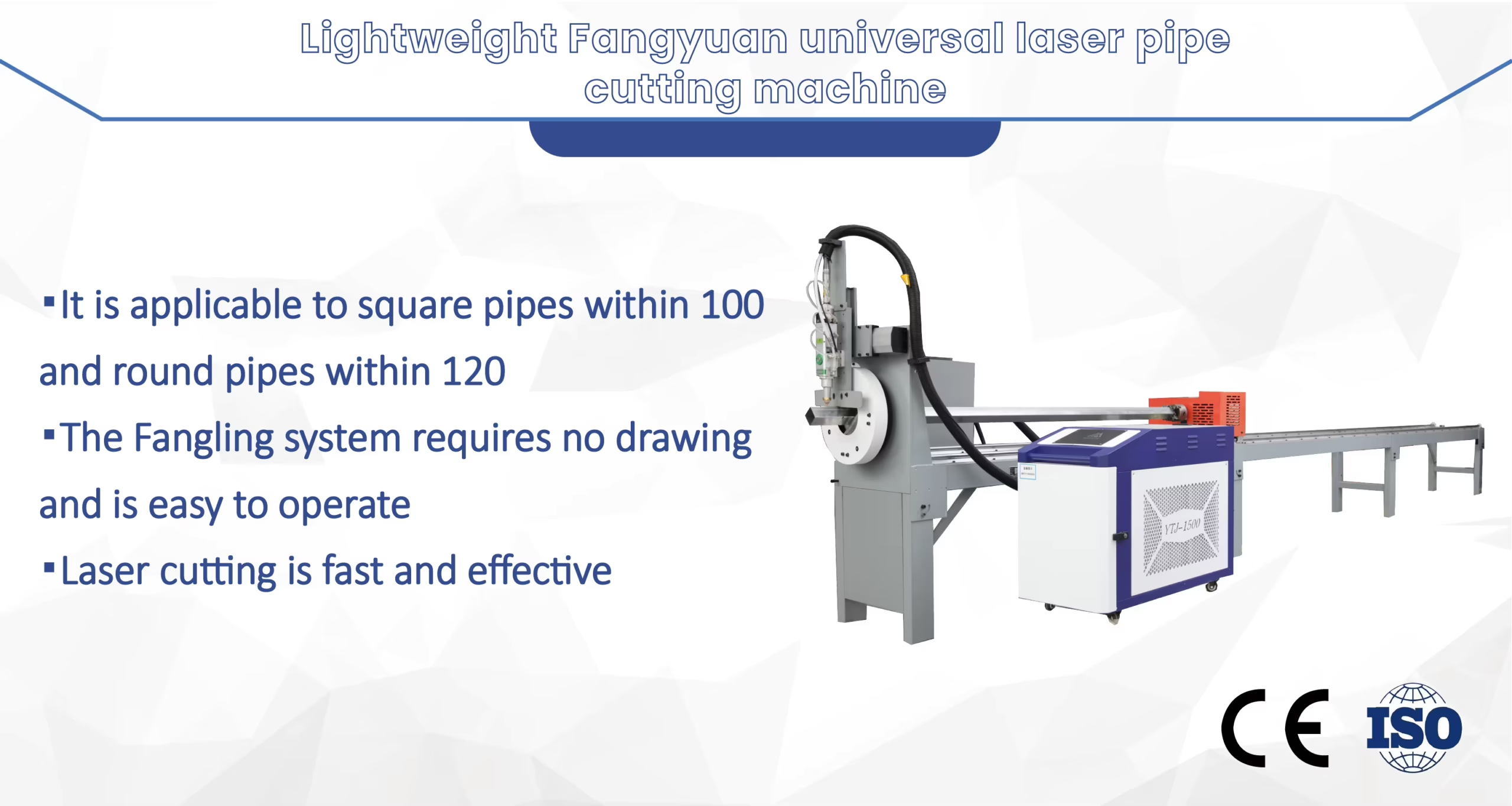
A 12kW fiber laser overcomes this through sheer intensity. The high energy density allows the beam to couple with the aluminum surface almost instantaneously, transitioning from solid to liquid phase before the material’s reflective properties can interfere with the process. This results in a much wider “process window,” allowing for stable cutting across a broader range of thicknesses—from thin 1mm sheets to heavy 40mm plates.
 laser cutting machine MAK120″ style=”width: 100%; max-width: 800px; height: auto; margin: 20px 0;”>
Technical Parameters for Aluminum Alloy Processing
To achieve a burr-free, high-quality edge on aluminum, several technical parameters must be meticulously calibrated. Unlike carbon steel, where oxygen is often used as an exothermic fuel, aluminum laser cutting typically relies on high-pressure nitrogen or compressed air to “flush” the molten material out of the kerf.
Gas Selection and Pressure Dynamics
Nitrogen is the preferred assist gas for high-end aluminum applications in Queretaro’s aerospace sector. Because nitrogen is an inert gas, it prevents oxidation on the cut edge. This is critical for parts that require subsequent welding or painting, as an oxidized layer can lead to weld porosity or poor paint adhesion. With a 12kW system, nitrogen pressures typically range between 12 and 18 bar, depending on the thickness. The high power of the 12kW source allows for faster feed rates, which in turn requires higher gas flow to ensure the melt is cleared efficiently before it can re-solidify as “dross” on the bottom of the plate.
Nozzle Geometry and Focal Position
For aluminum alloys, nozzle selection is paramount. Double-layer nozzles are frequently used to stabilize the gas flow. In a 12kW setup, the focal position is usually set “negative”—meaning the focus point of the laser beam is located inside or even at the bottom of the material. This creates a wider kerf at the bottom, which facilitates the evacuation of the viscous molten aluminum. For a 10mm aluminum plate, a focal position of -5mm to -7mm is common, ensuring the energy is distributed to maintain a clean, vertical cut face.
Addressing Reflectivity and Machine Safety
Reflectivity remains a concern even at high power. Modern 12kW fiber lasers are equipped with back-reflection isolators and advanced optical coatings to protect the laser source. However, the software integration in these machines also plays a role. Modern CNC controllers used in Queretaro’s manufacturing plants utilize “piercing sensors” that detect if the beam has successfully penetrated the material before moving the gantry. This prevents damage to the cutting head and ensures that the laser cutting process remains consistent throughout long production shifts.
The Queretaro Context: Efficiency in the Bajío
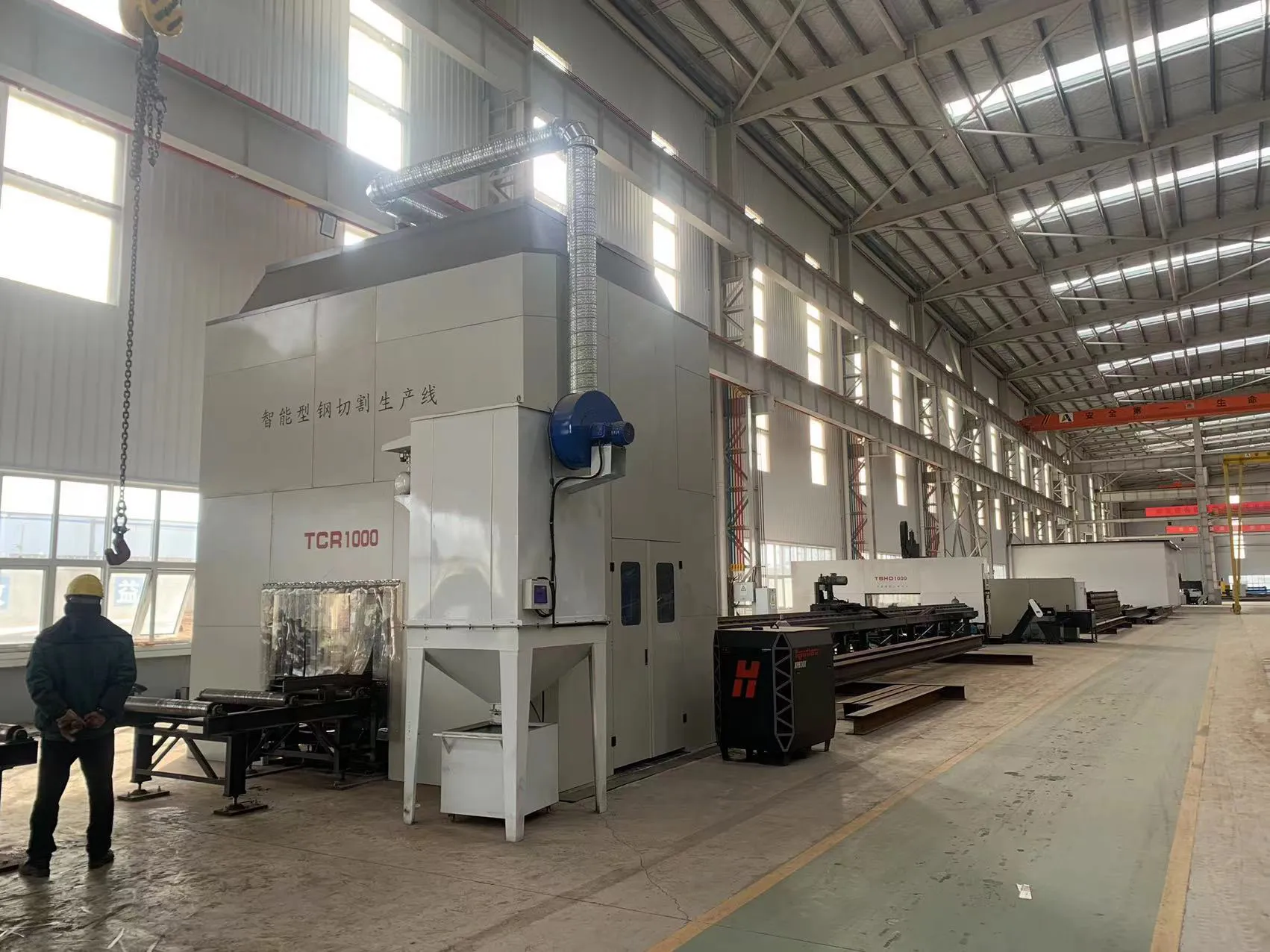
Queretaro has become a “Smart Manufacturing” lighthouse in North America. The integration of 12kW laser cutting systems into the local supply chain offers several strategic advantages:
- Reduced Lead Times: A 12kW laser can cut 6mm aluminum up to 3-4 times faster than a 4kW system. For high-volume automotive stamping plants, this means faster prototyping and shorter production cycles.
- Material Savings: The precision of fiber laser cutting allows for tighter nesting of parts. With the rising cost of aluminum alloys like 6061-T6, reducing scrap by even 5% can result in thousands of dollars in monthly savings.
- Labor Optimization: High-power machines often come with automated loading and unloading systems. In an environment like Queretaro, where skilled technical labor is in high demand, automation allows a single operator to manage multiple machines.
Maintenance Protocols for High-Power Lasers
Operating a 12kW system in a semi-arid environment like Queretaro requires specific attention to maintenance. Dust and temperature fluctuations can impact the sensitive optics of the laser cutting head.
Chiller Performance
A 12kW laser generates significant heat. The cooling system (chiller) must be rated for the high thermal load and must use deionized water to prevent mineral buildup in the laser source’s cooling channels. In Queretaro’s warmer months, ensuring the chiller is located in a well-ventilated area or integrated into a climate-controlled room is vital for maintaining power stability.
Optical Cleanliness
The protective window (cover glass) of the cutting head is the most frequent point of failure. At 12kW, even a microscopic speck of dust on the lens can absorb enough energy to shatter the glass, potentially damaging the expensive internal optics. Operators must be trained in “clean room” protocols when changing consumables, ensuring that the environment is free of metallic dust common in sheet metal shops.
Applications in Queretaro’s Key Industries
The versatility of 12kW laser cutting makes it indispensable across several sectors in the region:
Aerospace Components
Aluminum 2024 and 7075 are staples in aerospace. These alloys are particularly sensitive to heat-affected zones (HAZ). The high speed of 12kW cutting minimizes the time the heat is in contact with the material, resulting in a smaller HAZ and preserving the mechanical properties of the alloy.
Electric Vehicles (EV) and Automotive
As the automotive industry shifts toward electrification, aluminum is being used more extensively for battery enclosures and chassis components to reduce weight. 12kW lasers provide the speed necessary to meet the high-volume demands of the automotive supply chain while maintaining the tight tolerances required for EV assembly.
Heavy Machinery and Logistics
Queretaro is a hub for the production of trailers and logistics equipment. Cutting thick aluminum tread plates (up to 12mm or 15mm) for transport flooring is a task where the 12kW laser excels, providing a clean edge that requires no secondary grinding before installation.
Conclusion: The Future of Fabrication in Queretaro
Adopting 12kW laser cutting technology is no longer just an option for ambitious shops in Queretaro; it is becoming a requirement to remain competitive in a global market. The ability to process aluminum alloys with unprecedented speed and precision allows local manufacturers to move up the value chain, taking on complex projects that were previously outsourced.
By focusing on the technical synergy of high-power density, optimized gas delivery, and rigorous maintenance, Queretaro’s fabrication industry can continue to lead the way in North American manufacturing. As fiber laser technology continues to advance, the 12kW threshold stands as the current “sweet spot” for balancing capital investment with transformative production output in the world of aluminum alloy fabrication.