The 12kW Revolution in Rayong’s Offshore Fabrication
Rayong has long been the industrial heartbeat of Thailand, serving as the primary hub for the oil, gas, and renewable energy sectors. As offshore platforms—ranging from traditional jack-up rigs to modern offshore wind turbine foundations—become more complex, the demand for high-strength structural steel components has surged. The introduction of the 12kW CNC Beam and Channel Laser Cutter represents a quantum leap over traditional plasma cutting and mechanical sawing.
A 12kW fiber laser source provides a power density that allows for clean, high-speed vaporization of thick-walled structural steel. In the context of offshore engineering, where beams can exceed 20mm in thickness, the 12kW threshold is the “sweet spot.” It offers the necessary photon pressure to maintain a stable kerf while navigating the complex geometries of structural profiles. For Rayong’s fabrication yards, this means moving away from the “measure-cut-grind” workflow toward a “digital-to-finished-part” philosophy.
The Mechanics of 3D Profile Processing: Beams and Channels
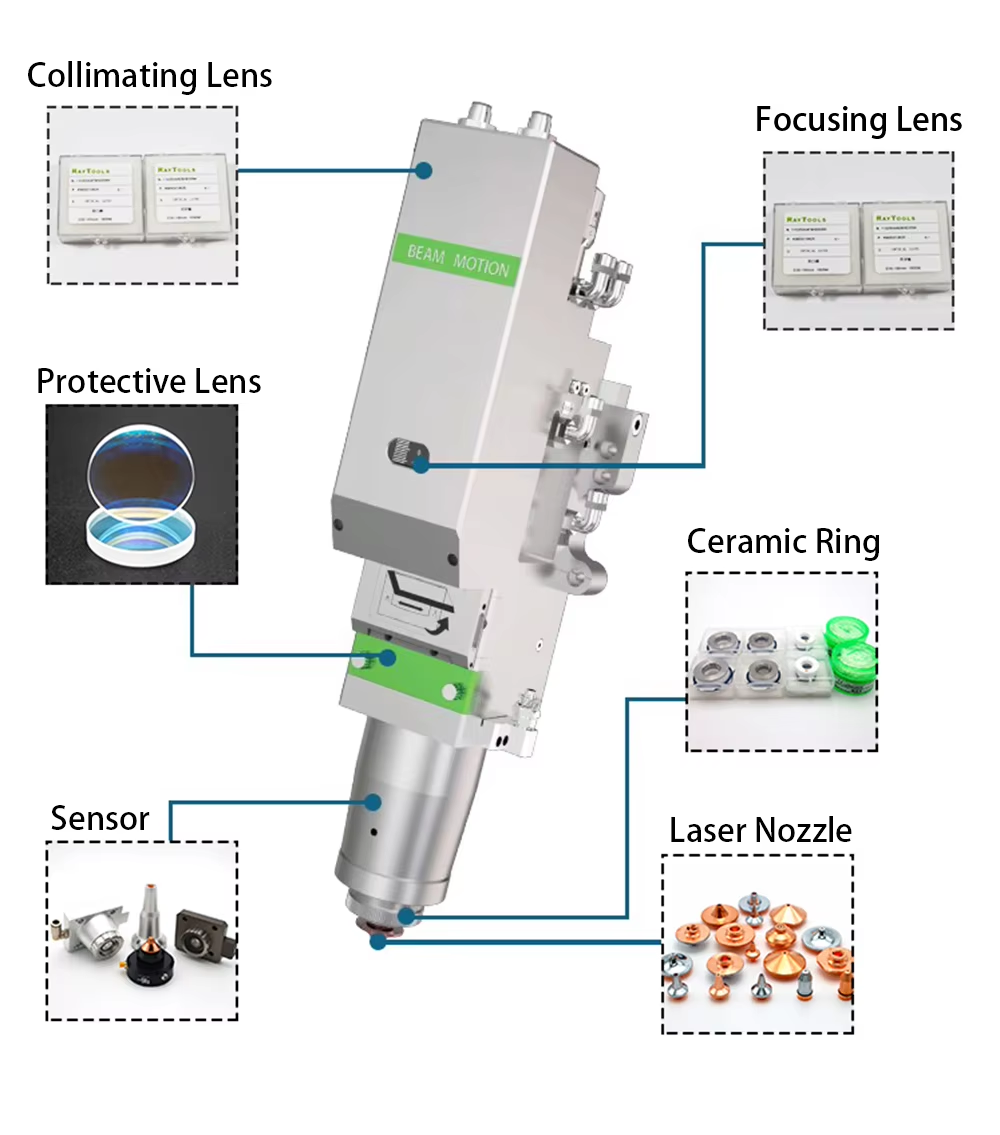
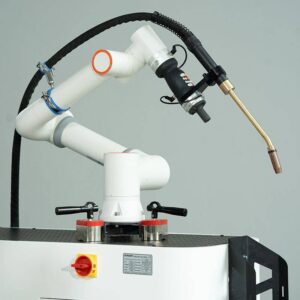
Cutting flat sheets is one thing; cutting three-dimensional structural profiles like H-beams, I-beams, and U-channels is an entirely different engineering challenge. These components are the skeleton of any offshore platform. The 12kW CNC system utilizes a sophisticated multi-axis gantry or a robotic arm configuration combined with high-precision chucks that rotate the workpiece.
The primary difficulty in beam processing is the variation in material thickness across the profile—for instance, the transition from the web to the flange of an H-beam. A 12kW laser, managed by advanced CNC algorithms, can dynamically adjust its focal position and gas pressure in real-time. This ensures that the cut quality remains consistent even as the laser moves through different sections of the beam. In Rayong’s high-humidity environment, the stability of fiber optics ensures that the beam quality remains undegraded over long distances, a common issue with older CO2 laser technology.
±45° Bevel Cutting: Redefining Weld Preparation
In offshore construction, a square edge is rarely sufficient. Because these structures must withstand the relentless cyclic loading of ocean waves and the corrosive environment of the Gulf of Thailand, every weld must be of the highest quality. This requires precise beveling for weld grooves.
The ability of the 12kW laser head to tilt ±45° is the defining feature of this machinery. Traditionally, fabricators would cut a beam to length and then send it to a secondary station where workers would use hand-held torches or milling machines to create a bevel. This manual process is prone to human error and inconsistency.
With a 5-axis CNC laser head, the ±45° bevel is cut simultaneously with the profile geometry. Whether it is a V-groove for a butt weld or a complex K-bevel for a T-joint, the laser produces a surface finish that is often weld-ready without further grinding. This precision ensures a perfect fit-up during assembly on the shop floor, which significantly reduces the amount of filler metal required and minimizes internal stresses in the welded joint—a critical factor for offshore safety certifications.
Optimizing the Heat Affected Zone (HAZ) for Maritime Integrity
One of the greatest enemies of offshore structural integrity is the Heat Affected Zone (HAZ). When steel is heated during cutting, its metallurgical properties change; it can become brittle or more susceptible to stress corrosion cracking. Compared to oxy-fuel or plasma cutting, a 12kW fiber laser delivers energy in a much more concentrated beam.
The high cutting speed afforded by the 12kW power source means the heat is applied to any single point for a fraction of the time required by other methods. This results in an incredibly narrow HAZ. For the high-tensile steels commonly used in Rayong’s offshore projects (such as S355 or API 5L grades), preserving the base metal’s properties near the cut edge is vital. A smaller HAZ leads to more predictable fatigue life for the platform, which is a major selling point for Tier 1 energy contractors operating in Thai waters.
Integration with Rayong’s Digital Infrastructure
The deployment of these machines aligns perfectly with Thailand’s “Industry 4.0” initiatives within the Eastern Economic Corridor. These CNC cutters are not standalone tools; they are integrated into a digital ecosystem. Using TEKLA or AutoCAD structural data, engineers can feed 3D models directly into the laser’s nesting software.
In Rayong’s busy fabrication yards, material waste is a significant cost factor. The software optimizes the nesting of parts on a single beam or channel, reducing “drops” or scrap. Furthermore, the laser can etch part numbers, layout lines, and welding instructions directly onto the steel. This “marking” capability ensures that when the cut components arrive at the assembly area, the welders know exactly where each piece fits, virtually eliminating assembly errors that can cost thousands of dollars in rework.
Economic Impact on the Local Offshore Supply Chain
The move to 12kW laser cutting is as much an economic decision as it is a technical one. Rayong faces stiff competition from regional fabrication hubs in Singapore, Vietnam, and China. By adopting ±45° beveling laser technology, Thai fabricators can significantly lower their “cost per part.”
The reduction in secondary processes (grinding, cleaning, manual marking) allows a single machine to do the work of four or five traditional workstations. This throughput is essential when meeting the tight windows of offshore installation seasons, where a delay of a few days can mean missing a “weather window” for offshore lifting. Furthermore, the energy efficiency of fiber lasers—using significantly less electricity than CO2 lasers of comparable power—lowers the overhead for local manufacturers, making them more competitive on the global stage.
Safety and Environmental Standards in Offshore Construction
Offshore platforms are subject to some of the most stringent safety regulations in the world (e.g., AWS D1.1, ISO 19900). The precision of 12kW laser cutting assists in meeting these standards by providing superior edge quality that facilitates better non-destructive testing (NDT) results. When an ultrasound or X-ray technician inspects a weld on a laser-cut bevel, the incidence of inclusions or lack of fusion is drastically lower because the base geometry was perfect.
Environmentally, the fiber laser is a “cleaner” technology. It produces fewer fumes than plasma cutting and eliminates the need for the chemical cleaning agents often used to remove dross or slag from inferior cuts. For companies operating in Rayong, staying compliant with the Department of Industrial Works (DIW) regulations regarding factory emissions is made easier by the enclosed nature of modern CNC laser systems.
Conclusion: The Future of Thai Offshore Engineering
The 12kW CNC Beam and Channel Laser Cutter with ±45° beveling is more than just a tool; it is a catalyst for industrial evolution in Rayong. As the offshore industry moves toward deeper waters and harsher environments, the requirements for structural precision will only increase.
By investing in high-power fiber laser technology, Rayong’s fabrication sector is ensuring its place as a leader in the ASEAN maritime economy. The ability to transform raw steel into complex, bevelled, and ready-to-weld components with the touch of a button is no longer a futuristic concept—it is the current standard for excellence. For the engineers and developers building the next generation of offshore platforms, this technology provides the reliability, speed, and precision necessary to conquer the challenges of the sea.