
Introduction to 1.5kW Tube laser cutting in Mexico City
The manufacturing landscape in Mexico City (CDMX) and its surrounding industrial hubs, such as Naucalpan, Tlalnepantla, and Vallejo, has undergone a significant transformation. As the demand for precision components in the automotive, construction, and furniture sectors grows, the adoption of fiber laser technology has become a necessity rather than a luxury. The 1.5kW tube laser cutter represents the “sweet spot” for many small-to-medium enterprises (SMEs) in Mexico, offering a balance between capital investment and high-performance output, particularly when processing carbon steel.
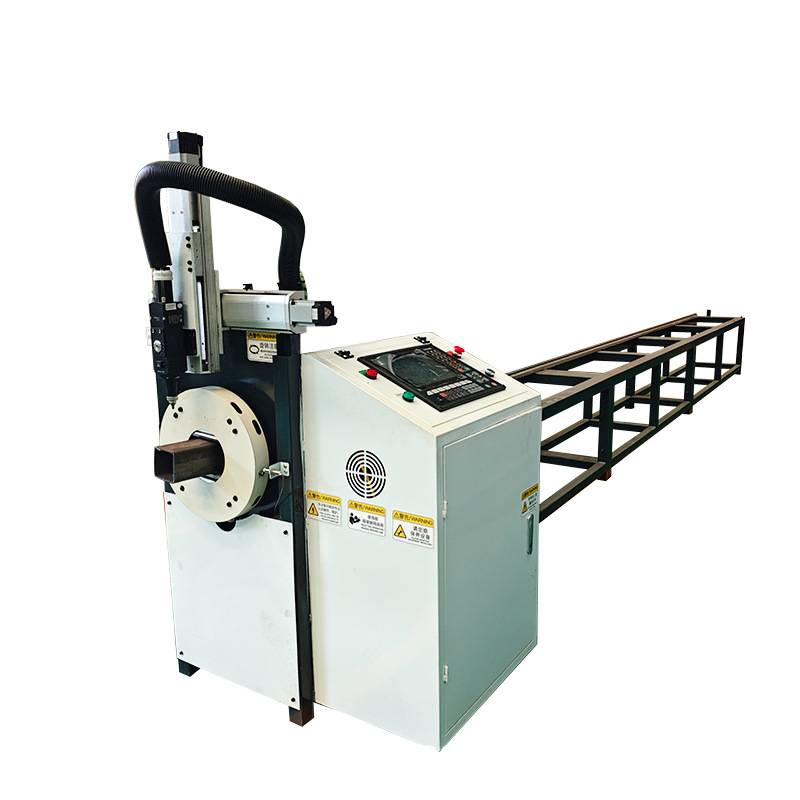
Laser cutting technology has revolutionized how hollow sections—including round, square, and rectangular tubes—are processed. Unlike traditional sawing, drilling, or milling, a fiber laser provides a non-contact, high-speed solution that eliminates the need for secondary finishing. In the context of Mexico City’s competitive industrial market, the ability to deliver clean, burr-free cuts on carbon steel at high volumes is a critical competitive advantage.
Technical Specifications and Carbon Steel Performance
A 1.5kW fiber laser source is specifically engineered to handle the thermal properties of ferrous metals. When working with carbon steel (frequently referred to in the Mexican market as acero al carbón or acero negro), the 1.5kW power rating is optimized for wall thicknesses ranging from 0.5mm to 6.0mm for high-speed production, with the capability to sever up to 8mm or 10mm at slower feed rates.
Material Compatibility: A36 and Beyond
In Mexico, A36 is the most common grade of carbon steel utilized in structural and general manufacturing. The 1.5kW tube laser handles A36 with exceptional efficiency. Because carbon steel has a high absorption rate for the 1.06-micron wavelength produced by fiber lasers, the energy transfer is nearly instantaneous. This results in a narrow heat-affected zone (HAZ), which is vital for maintaining the structural integrity of the tube, especially when the parts are intended for subsequent welding processes.

Cutting Capacities by Profile
The versatility of a 1.5kW tube laser cutter allows for the processing of various geometries. Standard machines in this class typically support diameters from 20mm up to 160mm or 220mm. For carbon steel square tubing, which is ubiquitous in the Mexican “herreria” and furniture industries, the laser can execute complex miter cuts, bird-mouth joints, and intricate perforations that would be impossible with mechanical tools. The CNC controller compensates for the radius of the corners in square tubes, ensuring consistent kerf width and gas pressure throughout the rotation.
The Impact of Mexico City’s Altitude on Laser Cutting
Engineering a laser cutting setup in Mexico City requires consideration of the city’s unique geography. Situated at approximately 2,240 meters above sea level, the atmospheric pressure is significantly lower than at sea level. This environmental factor influences two key aspects of the laser cutting process: cooling efficiency and assist gas dynamics.
Cooling and Chiller Performance
Fiber lasers are highly efficient, but they still generate heat that must be dissipated via a water chiller. At higher altitudes, the air is thinner, which reduces the heat exchange efficiency of the chiller’s condenser. Engineers in CDMX must ensure that the chiller unit is slightly oversized or equipped with high-performance fans to maintain the laser source and cutting head at a stable 20-25°C. Failure to manage this can lead to wavelength instability or premature degradation of the laser diodes.
Assist Gas Management
For carbon steel, Oxygen (O2) is the primary assist gas. The lower atmospheric pressure in Mexico City can affect the flow dynamics at the nozzle. It is often necessary to calibrate the gas pressure settings slightly higher than those recommended in European or Asian manuals to achieve the same exothermic reaction required to clear the molten steel from the kerf. Precision regulators and high-quality nozzles are essential to maintain a stable “supersonic” gas flow that prevents dross buildup on the interior of the tube.
Operational Parameters for Carbon Steel
Achieving the perfect cut on carbon steel requires a synergy between power, speed, and gas pressure. For a 1.5kW system, the following engineering guidelines apply:
Oxygen Cutting (The Exothermic Process)
When laser cutting carbon steel, oxygen acts as a chemical catalyst. The laser heats the material to its ignition temperature, and the oxygen stream causes it to burn, adding thermal energy to the process. This allows a 1.5kW machine to cut thicker materials than it could with an inert gas.
- 3mm Carbon Steel: Typical cutting speeds range from 2.5 to 3.5 meters per minute.
- 6mm Carbon Steel: Speeds average 1.2 to 1.8 meters per minute.
- Gas Pressure: Usually maintained between 0.5 and 1.2 Bar, depending on the nozzle diameter.
Nitrogen Cutting (The High-Speed Alternative)
While oxygen is standard, some high-end furniture manufacturers in Mexico City utilize Nitrogen (N2) for very thin-walled carbon steel (under 1.5mm). Nitrogen cutting is a purely mechanical process where the laser melts the metal and the high-pressure gas blows it away. This results in a “bright cut” that is free of oxides, meaning the part can be powder-coated immediately without the need for acid pickling or heavy sanding.
Maintenance Protocols for the Mexican Industrial Environment
Mexico City is known for its high particulate matter and dust levels, which can be detrimental to optical components. A rigorous maintenance schedule is the only way to ensure the longevity of a 1.5kW laser cutting investment.
Optical Path Protection
The cutting head contains sensitive protective windows (cover slips) that shield the focusing lens from backspatter. In the dusty environments of many Mexican workshops, the air filtration system for the electrical cabinet and the laser source must be checked weekly. Any contamination on the lens will absorb laser energy, leading to thermal shift and eventually “burning” the lens, which is a costly replacement.
Chuck and Transmission Calibration
The rotary axis (chuck) is the heart of tube laser cutting. Carbon steel tubes are often not perfectly straight or may have slight surface rust (mill scale). This scale can accumulate in the chuck jaws, leading to misalignment. Daily cleaning of the pneumatic or electric chucks and monthly lubrication of the helical racks and pinions are mandatory to maintain the ±0.03mm positioning accuracy expected of these machines.
Integration into the Mexican Supply Chain
The adoption of 1.5kW tube laser cutting technology has streamlined the supply chain for many Mexican industries. For instance, in the “Tier 2” automotive supply chain in the Bajío region and the outskirts of CDMX, tube lasers allow for “Just-In-Time” (JIT) production. Instead of holding large inventories of pre-cut parts, manufacturers can cut profiles on demand with zero tooling costs.
Software and Nesting
Modern tube lasers utilize advanced nesting software like TubesT or CypTube. For a shop in Mexico City, this software is vital for maximizing material yield. Given that the price of carbon steel can fluctuate due to international trade dynamics, reducing scrap by even 5% through efficient nesting can result in thousands of dollars in annual savings. The software allows for “common line cutting,” where two parts share a single cut path, further reducing processing time and gas consumption.
Electrical Requirements and Stability
One challenge in certain industrial zones of Mexico City is the stability of the electrical grid. A fiber laser is sensitive to voltage spikes and drops. It is highly recommended to install a high-precision industrial voltage stabilizer (Regulador de Voltaje) alongside the 1.5kW machine. Most of these machines operate on 220V or 380V three-phase power, and maintaining a steady voltage ensures the longevity of the IPG or Raycus laser source.
Economic Viability and Return on Investment (ROI)
For a workshop in Mexico City, the ROI for a 1.5kW tube laser cutter is typically achieved within 12 to 18 months, depending on shift patterns. The primary drivers of this ROI are:
- Labor Reduction: One laser cutting machine can often replace the output of three or four manual bandsaws and drilling stations, requiring only one operator.
- Accuracy: Eliminating human error in measuring and cutting reduces the “rework” rate to nearly zero.
- New Market Entry: The ability to perform complex decorative cuts in carbon steel allows shops to enter the architectural and high-end interior design markets, which offer higher margins than basic structural work.
Conclusion
The 1.5kW tube laser cutter is a transformative tool for the carbon steel industry in Mexico City. By understanding the technical nuances of the material, the environmental challenges of high-altitude operation, and the necessity of rigorous maintenance, Mexican manufacturers can significantly elevate their production capabilities. As laser cutting becomes the standard for tube processing, those who invest in this technology today will lead the industrial landscape of tomorrow, providing the precision and efficiency that the modern global market demands.
















