
Introduction to 1.5kW Tube laser cutting in Guadalajara
The industrial landscape of Guadalajara, often referred to as the “Silicon Valley of Mexico,” has seen a rapid transformation in its metal-mechanic sector. Among the various technologies driving this evolution, the 1.5kW tube laser cutting machine stands out as a pivotal tool for precision engineering. This guide explores the technical intricacies of utilizing a 1.5kW fiber laser specifically for processing brass tubes, a material highly sought after in Guadalajara’s thriving jewelry, furniture, and lighting industries.
Laser cutting technology has transitioned from a high-cost luxury to a fundamental necessity for local manufacturers seeking to compete on a global scale. The 1.5kW power rating represents a strategic “sweet spot” for many workshops in Jalisco, offering enough energy to penetrate non-ferrous metals while maintaining the precision required for intricate decorative and functional components. In the context of tube processing, this technology allows for the seamless execution of complex geometries, holes, and notches that were previously impossible or prohibitively expensive with manual machining.
The Technical Advantage of 1.5kW Fiber Power
The 1.5kW fiber laser source operates at a wavelength of approximately 1.06 microns. This is significantly more efficient than traditional CO2 lasers when dealing with reflective metals like brass. Because the beam can be focused into a much smaller spot size, the power density—the amount of energy delivered per unit area—is exceptionally high. This allows the laser to quickly melt the brass surface before the material’s natural reflectivity can bounce the energy back into the optics.
For engineers in Guadalajara, the 1.5kW threshold provides a balance between capital investment and operational capability. While higher wattage machines exist, a 1.5kW system is optimized for thin-to-medium walled tubing (typically up to 3mm or 4mm in brass), which covers the vast majority of architectural and decorative applications in the region. The efficiency of the fiber delivery system also ensures lower electricity consumption, a critical factor for maintaining lean operations in Mexico’s competitive industrial parks.
Processing Brass: Overcoming Reflectivity Challenges
Brass is an alloy primarily composed of copper and zinc. Its high thermal conductivity and high reflectivity make it one of the most challenging materials for laser cutting. When a laser beam hits a polished brass surface, a significant portion of the energy is reflected. If the machine is not properly equipped, this reflected light can travel back through the delivery fiber and damage the laser source.
Modern 1.5kW tube laser cutting systems used in Guadalajara are equipped with “back-reflection” protection. These optical isolators ensure that any bounced light is diverted and absorbed safely. When cutting brass, the engineering team must prioritize high-pressure nitrogen as an assist gas. Nitrogen acts as a mechanical force to blow the molten brass out of the kerf (the cut width) while preventing oxidation. This results in a clean, bright edge that often requires no secondary finishing—a major advantage for Guadalajara’s high-end furniture manufacturers who rely on the aesthetic appeal of brass.
Machine Configuration and Tube Handling
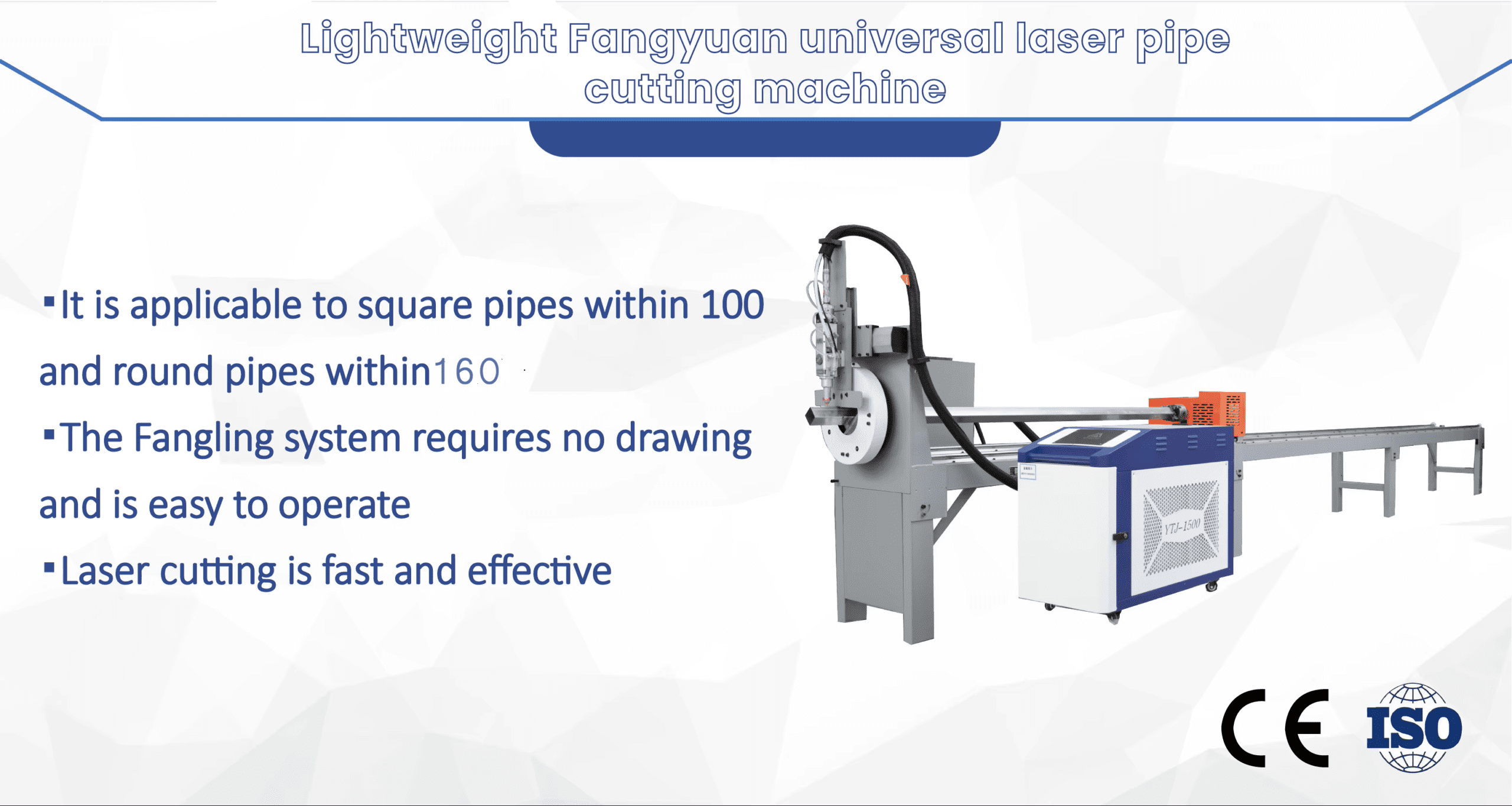
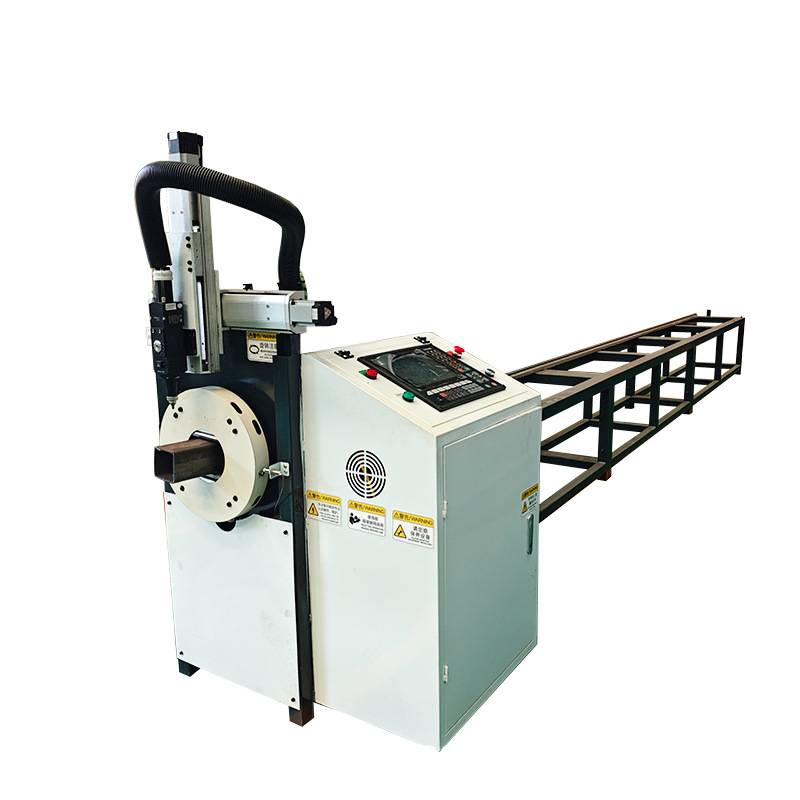
A dedicated tube laser differs from a flatbed laser in its motion control system. The machine must synchronize the rotation of the tube (the A-axis) with the longitudinal movement of the cutting head (the X-axis) and the vertical positioning (the Z-axis). For 1.5kW systems, the chuck design is vital. Pneumatic chucks are preferred for their ability to maintain a consistent grip on brass tubes, which can be softer and more prone to deformation than steel.
In Guadalajara’s industrial zones, such as El Salto or Zapopan, workshops often deal with various tube profiles: round, square, rectangular, and even custom oval extrusions. The software controlling the 1.5kW laser must feature advanced nesting capabilities to minimize material waste. Given the high cost of brass per kilogram, reducing scrap through efficient laser cutting paths is essential for maintaining profitability.
Strategic Implementation in Guadalajara’s Industrial Hub
Guadalajara serves as a central hub for the “Bajío” region’s supply chain. The adoption of 1.5kW tube laser cutting technology here is driven by several key sectors. The lighting industry, for instance, requires precise holes for electrical wiring and decorative patterns in brass tubes. Traditional drilling and milling often leave burrs or deform the tube; however, the laser provides a non-contact solution that preserves the structural integrity of the workpiece.
Furthermore, the automotive and aerospace tiers located near Guadalajara are increasingly looking for specialized brass components for sensors and fluid handling systems. The 1.5kW laser’s ability to hold tolerances within +/- 0.1mm makes it a viable tool for these high-precision contracts. Local engineers must also consider the environmental factors of the region. Guadalajara’s altitude and climate can affect gas cooling systems; therefore, choosing a machine with a robust industrial chiller is paramount for consistent 24/7 operation.
Optimizing Cutting Parameters for Brass Tubes
To achieve the best results with a 1.5kW laser cutting brass, several parameters must be finely tuned. The focal point is usually set slightly below the surface of the material to ensure the energy is concentrated where the melt needs to be ejected. The cutting speed is a delicate balance: too fast, and the laser won’t penetrate; too slow, and the heat-affected zone (HAZ) will become too wide, leading to dross (slag) accumulation on the bottom of the cut.
For a typical 2mm wall thickness brass tube, a 1.5kW laser might operate at a speed of 2.5 to 4 meters per minute, depending on the specific alloy composition (e.g., C260 vs. C360). The use of oxygen as an assist gas can increase cutting speed due to the exothermic reaction, but it will leave a darkened, oxidized edge on the brass. For the premium finishes required by Guadalajara’s design houses, high-purity nitrogen remains the industry standard, despite the higher gas cost.
Software Integration and “Industry 4.0” in Jalisco
The modern 1.5kW tube laser is not a standalone island of automation; it is part of a digital ecosystem. Most machines in Guadalajara now utilize CAD/CAM software like CypTube or Lantek, which allows designers to import 3D models directly from SolidWorks or AutoCAD. This digital workflow eliminates manual measurement errors and allows for rapid prototyping.
As Jalisco pushes toward Industry 4.0, these laser systems are being integrated into factory management systems (MES). This allows shop owners to monitor gas consumption, cutting time, and energy usage in real-time. For a business in Guadalajara, this data is crucial for accurate quoting and for identifying bottlenecks in the production of brass components. The ability to switch from cutting a round brass tube to a square one in a matter of minutes—thanks to automated chucks and software presets—provides the flexibility needed in today’s “just-in-time” manufacturing environment.
Maintenance and Longevity in High-Humidity Environments
Maintenance is the cornerstone of laser cutting longevity. In Guadalajara, while the climate is generally temperate, the rainy season can bring higher humidity levels which may affect sensitive electronics and optical components. A 1.5kW fiber laser requires a clean, temperature-controlled environment for its power source. The cutting head’s protective windows must be inspected daily; even a microscopic speck of brass dust on the lens can absorb laser energy, heat up, and shatter the optic.
Regular calibration of the capacitive height sensor is also necessary. This sensor maintains a constant distance between the nozzle and the rotating tube. If the sensor fails to account for the slight wobbles inherent in long brass tubes, the cutting quality will suffer, or worse, the head could collide with the material. Local support and spare parts availability in Guadalajara have improved significantly, with many manufacturers now offering technical service centers within the city limits to minimize downtime.
Economic Impact and Future Outlook
The investment in a 1.5kW tube laser cutting system represents a significant step forward for any Guadalajara-based fabrication shop. By bringing this capability in-house, companies reduce their reliance on third-party vendors, shorten lead times from weeks to days, and open up new design possibilities. The ability to process brass—a material that commands a high market value—allows these shops to move into premium market segments, such as custom architectural hardware and high-end automotive trim.
Looking ahead, the integration of artificial intelligence in laser cutting heads will likely further simplify the processing of reflective materials. Sensors that can detect a “lost cut” and automatically adjust parameters will make 1.5kW machines even more user-friendly. For the engineers and business owners of Guadalajara, mastering the nuances of laser cutting brass tubes is not just about adopting a new machine; it is about embracing a future of precision, efficiency, and industrial excellence in the heart of Mexico.
Conclusion
The 1.5kW tube laser cutting machine is a transformative technology for Guadalajara’s manufacturing sector. By understanding the specific requirements of brass—from its reflective properties to its thermal characteristics—local industries can leverage this power level to produce world-class products. As the region continues to grow as a global manufacturing powerhouse, the precision and versatility of the fiber laser will remain a cornerstone of its industrial success. Whether for decorative art or critical industrial components, the laser cutting of brass tubes represents the perfect marriage of traditional craftsmanship and cutting-edge engineering.
















