Introduction to 1.5kW Fiber Laser Technology in Monterrey’s Industrial Sector
Monterrey, Nuevo León, stands as the industrial heart of Mexico, serving as a critical hub for automotive, aerospace, and home appliance manufacturing. Within this high-stakes environment, the demand for precision, speed, and cost-efficiency in metal fabrication has led to the widespread adoption of fiber laser technology. Specifically, the 1.5kW fiber laser cutting system has emerged as the “sweet spot” for many fabrication shops focusing on stainless steel components. This power level offers a perfect balance between capital investment and operational capability, particularly for shops handling light to medium gauge materials.
The transition from traditional CO2 lasers or plasma cutting to fiber laser cutting has redefined throughput expectations. A 1.5kW source utilizes a solid-state laser medium, which results in a significantly smaller spot size and higher energy density compared to older technologies. For the Monterrey-based engineer or shop manager, this translates to faster processing speeds on stainless steel, reduced heat-affected zones (HAZ), and the ability to produce intricate geometries that were previously impossible or required extensive secondary finishing.
Technical Specifications and Performance Metrics
Understanding the technical nuances of a 1.5kW fiber laser is essential for optimizing production. At this power level, the machine is optimized for stainless steel thicknesses ranging from 0.5mm to 6mm. While it can pierce thicker materials, the efficiency and edge quality are most competitive within the 1mm to 4mm range. The wavelength of a fiber laser (typically around 1.064 micrometers) is absorbed more efficiently by metals like stainless steel than the 10.6 micrometers of a CO2 laser. This absorption efficiency is the primary driver behind the high laser cutting speeds observed in modern fabrication facilities.
In Monterrey’s competitive landscape, cycle time is everything. A 1.5kW system can achieve cutting speeds exceeding 20 meters per minute on 1mm stainless steel. Furthermore, the beam quality, often measured by the M2 factor, is superior in fiber systems, ensuring that the kerf width remains narrow and consistent across the entire worktable. This precision is vital for the assembly of complex enclosures and medical-grade equipment where tolerances are measured in microns.
Optimizing Stainless Steel Fabrication
Stainless steel, particularly grades 304 and 316, is a staple in the Monterrey manufacturing sector due to its corrosion resistance and aesthetic appeal. However, laser cutting stainless steel presents unique challenges compared to carbon steel. The material’s high chromium and nickel content affects its thermal conductivity and reflectivity. A 1.5kW fiber laser is specifically engineered to overcome these hurdles through high-frequency pulsing and precise power modulation.
The Role of Assist Gases: Nitrogen vs. Oxygen
The choice of assist gas is perhaps the most critical factor when processing stainless steel with a 1.5kW laser. For most high-end applications in Monterrey, Nitrogen is the preferred choice. Nitrogen acts as a shielding gas, blowing away the molten metal without allowing it to react with oxygen in the air. This results in an “oxide-free” edge that retains the original color of the stainless steel and is ready for immediate welding or painting without secondary grinding.
While Oxygen can be used to cut thicker sections by utilizing an exothermic reaction to add heat, it leaves a dark oxide layer on the cut edge. In industries such as food processing equipment or architectural accents—common in the San Pedro and Santa Catarina industrial corridors—this oxide layer is unacceptable. Therefore, a 1.5kW system paired with a high-pressure Nitrogen delivery system is the standard configuration for achieving a “mirror-like” finish on the cut surface.
Managing Heat-Affected Zones (HAZ)
One of the primary advantages of the 1.5kW fiber laser cutting process is the minimization of the heat-affected zone. Because the energy is concentrated into such a small diameter, the surrounding material is subjected to very little thermal stress. This is crucial for stainless steel, which is prone to warping and heat tinting. By maintaining high feed rates and utilizing optimized piercing cycles, operators can ensure that the structural integrity and the aesthetic properties of the alloy remain uncompromised.
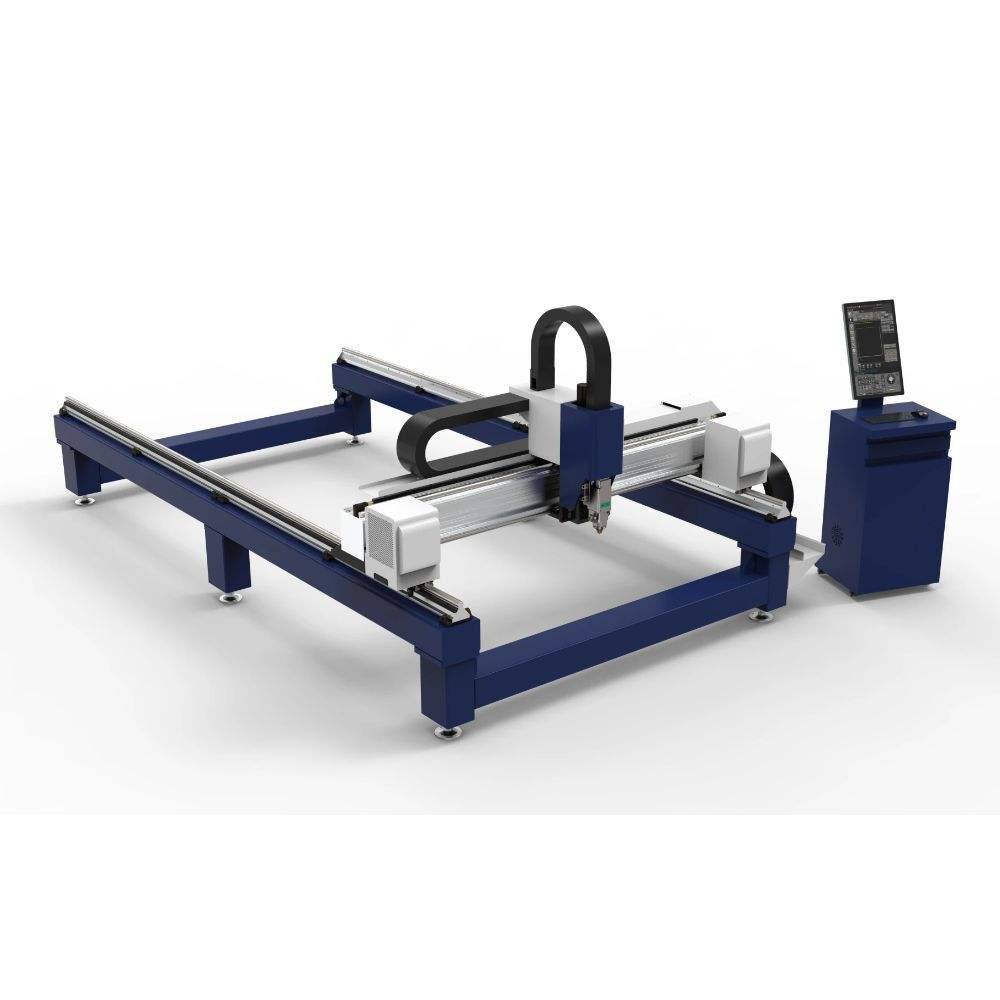 laser cutting machine Structure” style=”max-width: 100%; height: auto; margin: 20px 0;”>
Operational Excellence in the Monterrey Environment
Monterrey’s climate and industrial infrastructure present specific variables that must be managed to maintain the longevity of a 1.5kW laser system. The region is known for high ambient temperatures and occasional dust from heavy industrial activity. For a fiber laser, which relies on sensitive optical components and high-voltage power supplies, environmental control is not an option—it is a requirement.
Cooling Systems and Thermal Stability
A 1.5kW laser source generates heat that must be dissipated to maintain beam stability. High-quality chillers are essential. In Monterrey, where summer temperatures frequently exceed 40°C, a dual-circuit cooling system is recommended. These systems independently cool the laser source and the cutting head optics. If the temperature fluctuates, the beam can “drift,” leading to inconsistent laser cutting quality or, in worst-case scenarios, permanent damage to the fiber delivery cable.
Electrical Infrastructure and Stability
The industrial zones of Apodaca and Guadalupe often experience power fluctuations due to the heavy load on the electrical grid. For a precision 1.5kW laser cutting machine, voltage stabilization is mandatory. Fiber lasers are sensitive to “dirty” power; spikes or brownouts can interrupt the CNC controller or damage the laser diodes. Investing in a dedicated transformer and a high-capacity voltage regulator ensures that the machine operates at peak efficiency 24/7, maximizing the Return on Investment (ROI).
Software Integration and Industry 4.0
The hardware of a 1.5kW laser is only as capable as the software driving it. Modern systems in Monterrey are increasingly integrated into broader ERP (Enterprise Resource Planning) systems. This allows for real-time tracking of material usage, gas consumption, and machine uptime. Nesting software plays a pivotal role here, particularly when dealing with expensive stainless steel sheets. By optimizing the layout of parts, a 1.5kW system can reduce scrap rates by up to 15%, directly impacting the bottom line of the fabrication shop.
Customization and Prototyping
The flexibility of laser cutting makes it ideal for Monterrey’s growing startup and prototyping scene. Unlike stamping or die-cutting, which require expensive tooling, a laser can switch from one design to another in seconds. For a 1.5kW machine, this means a shop can handle a production run of 5,000 automotive brackets in the morning and a single custom architectural panel in the afternoon with zero downtime for retooling. This agility is a significant competitive advantage in a market that is increasingly moving toward “just-in-time” manufacturing.
Maintenance Protocols for High-Volume Production
To maintain the precision required for stainless steel, a rigorous maintenance schedule is non-negotiable. The 1.5kW fiber laser is known for its low maintenance compared to CO2 lasers (which require gas refills and mirror alignments), but it is not “maintenance-free.”
Daily and Weekly Inspections
Operators must check the protective windows (cover slides) daily. Even a tiny speck of dust on the lens can absorb the 1.5kW of energy, causing the lens to crack and potentially damaging the cutting head. Similarly, the nozzle must be inspected for slag buildup. In Monterrey’s high-production environments, clean air filters and properly lubricated guide rails are the difference between a machine that lasts five years and one that lasts fifteen.
The Importance of Local Technical Support
For businesses in Monterrey, proximity to technical support is a major factor in machine selection. Downtime in a Tier 1 automotive supply chain can cost thousands of dollars per hour. Choosing a 1.5kW laser cutting system with local parts availability and Spanish-speaking technicians ensures that any issues are resolved quickly. This local ecosystem—comprising gas suppliers, material distributors, and service engineers—is what makes Monterrey one of the most efficient places in the world for metal fabrication.
Conclusion: The Future of 1.5kW Lasers in Nuevo León
The 1.5kW fiber laser has proven itself to be a workhorse for the Monterrey stainless steel industry. Its ability to deliver high-precision laser cutting at a fraction of the operating cost of older technologies makes it an essential tool for any modern fabrication facility. As the region continues to attract international investment, particularly in the electric vehicle (EV) sector, the demand for thin-gauge, high-precision stainless steel components will only grow.
By focusing on proper gas selection, environmental control, and proactive maintenance, Monterrey-based manufacturers can leverage 1.5kW laser technology to achieve world-class production standards. Whether you are producing kitchen equipment, automotive sensors, or aerospace components, the precision of the fiber laser is the key to unlocking new levels of industrial productivity in Mexico’s premier manufacturing hub.