
Optimizing 1.5kW Sheet Metal Laser Operations for Stainless Steel in Leon
The industrial landscape of Leon, Guanajuato, has undergone a significant transformation over the last decade. Historically known for its leather and footwear industries, the region has pivoted toward high-precision metal fabrication, automotive component manufacturing, and food processing equipment. At the heart of this shift is the adoption of fiber laser technology. Specifically, the 1.5kW sheet metal laser has emerged as the “workhorse” for small to medium-sized enterprises (SMEs) in Leon, offering a perfect balance between capital investment and high-performance output, particularly when processing stainless steel.
Stainless steel remains one of the most demanding yet rewarding materials in the laser cutting industry. Its physical properties—high tensile strength, corrosion resistance, and aesthetic appeal—make it indispensable for Leon’s growing medical device and food-grade machinery sectors. However, achieving a burr-free, oxide-free edge with a 1.5kW power source requires a deep understanding of beam dynamics, gas assistance, and material behavior.
The Technical Profile of a 1.5kW Fiber Laser
A 1.5kW fiber laser operates at a wavelength of approximately 1.06 microns. This short wavelength allows for high absorption rates in metals, especially compared to older CO2 technology. For a fabricator in Leon, this means that even with a relatively modest power output of 1500 watts, the machine can achieve incredible energy density at the focal point. This energy density is what allows the laser cutting process to vaporize stainless steel almost instantaneously, creating a narrow kerf and a minimal heat-affected zone (HAZ).
In terms of capacity, a 1.5kW system is optimized for stainless steel thicknesses ranging from 0.5mm to 5mm. While it can push toward 6mm or even 8mm under specific conditions, its “sweet spot” for high-speed, high-quality production is in the 1mm to 4mm range. In the context of Leon’s automotive supply chain, where many brackets, shims, and interior components are manufactured, this power range provides the necessary precision without the excessive operating costs of higher-wattage machines.
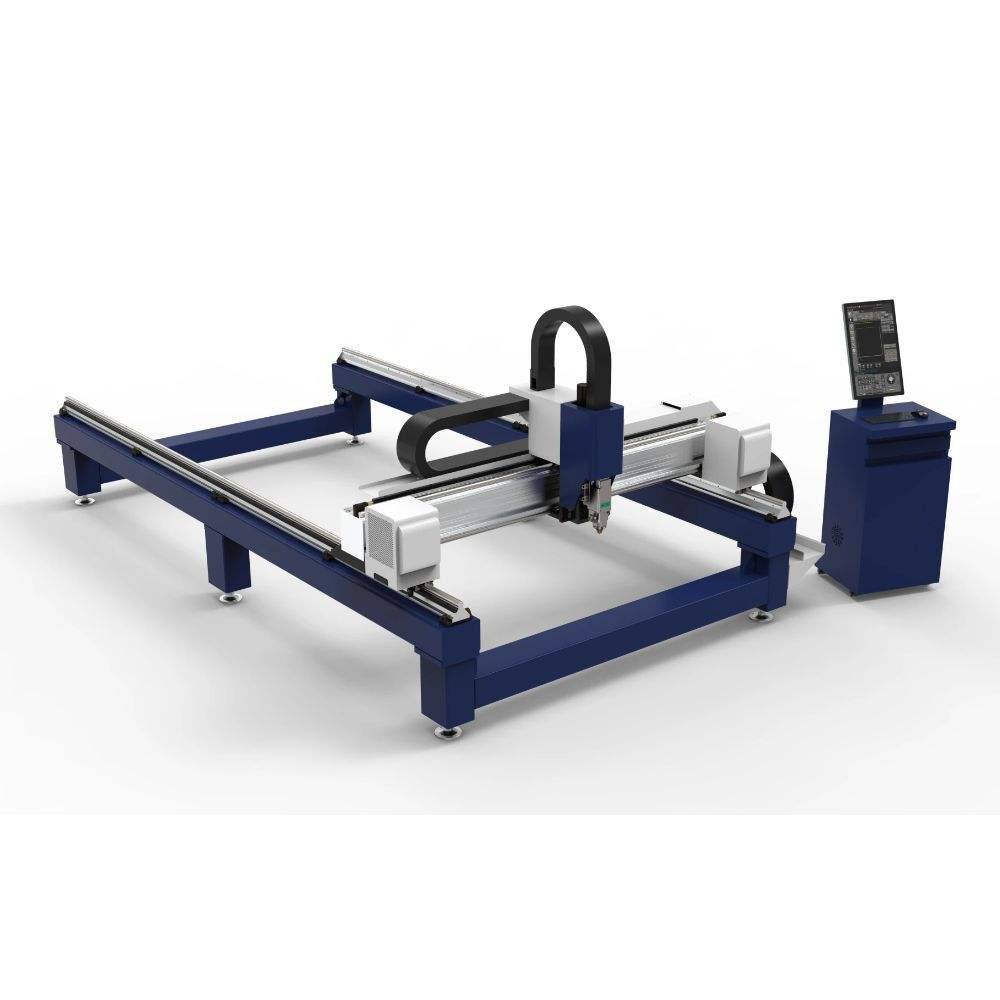 laser cutting machine“>
Stainless Steel Characteristics and Laser Interaction
Stainless steel, particularly the 304 and 316 grades common in Leon’s industrial workshops, presents unique challenges. Unlike carbon steel, which relies on an exothermic reaction with oxygen to assist the cut, stainless steel is typically cut using high-pressure nitrogen. This is an endothermic process where the laser’s energy alone must melt the metal, and the nitrogen acts as a mechanical force to eject the molten material from the kerf.
The high chromium content in stainless steel creates a protective oxide layer. During laser cutting, if oxygen is used as an assist gas, this layer thickens and turns black, requiring secondary cleaning or pickling. For Leon’s food processing equipment manufacturers, this is unacceptable. Therefore, the 1.5kW laser must be calibrated to work with nitrogen at pressures often exceeding 15-20 bar to ensure a “bright cut” edge that requires no post-processing.
Critical Parameters for Precision Cutting in Leon
To maximize the efficiency of a 1.5kW laser in Leon’s specific climate and industrial environment, operators must master several critical parameters:
1. Focal Position Management
For stainless steel, the focal point is usually set below the surface of the material (negative focus). This allows the beam to diverge slightly as it passes through the sheet, creating a wider bottom to the kerf which facilitates the removal of molten metal. A 1.5kW system has a smaller Rayleigh length than a 6kW system, meaning focal precision is even more critical. Even a 0.5mm deviation can result in dross or “slag” at the bottom of the cut.
2. Assist Gas Purity and Pressure
In Leon, sourcing high-purity nitrogen (99.99% or higher) is essential. If the nitrogen contains even trace amounts of oxygen, the stainless steel edge will show yellowing or browning. Because a 1.5kW laser has less “raw power” to overcome inconsistencies, the mechanical action of the gas must be perfect. High-pressure piping and high-flow regulators are mandatory upgrades for any shop in Leon looking to compete at a high level.
3. Nozzle Selection
The choice between single and double nozzles can make or break a 1.5kW operation. For stainless steel, a single nozzle is generally preferred to maintain a laminar flow of nitrogen. The nozzle diameter (typically 1.2mm to 2.0mm for this power level) must be matched to the material thickness to ensure the gas jet is concentrated enough to clear the kerf without causing turbulence.

Applications in Leon’s Industrial Ecosystem
Leon has become a hub for specialized manufacturing, and the 1.5kW laser cutting machine fits perfectly into several local niches. One prominent area is the production of customized leather-working machinery. These machines require intricate stainless steel guards, internal plates, and decorative panels that must be both durable and aesthetically pleasing. The 1.5kW laser allows for the rapid prototyping of these parts without the need for expensive stamping dies.
Furthermore, the automotive Tier 2 and Tier 3 suppliers located in the surrounding industrial parks (such as Puerto Interior) utilize 1.5kW fiber lasers for small-batch production and specialized components. Stainless steel exhaust components, heat shields, and sensor housings are frequently processed using this technology. The ability to switch quickly between different CAD files makes the laser cutting system far more versatile than traditional mechanical presses.
The Importance of Local Maintenance and Environmental Factors
Operating a fiber laser in Leon requires consideration of the local environment. Leon sits at an altitude of approximately 1,800 meters, and the air can be quite dusty during the dry season. For a 1.5kW laser cutting machine, cleanliness is paramount. The optical path, even in a fiber system, must be protected from contamination. Dust particles on a protective window can absorb laser energy, heat up, and shatter the lens, leading to costly downtime.
Moreover, the power grid stability in some industrial zones in Leon can fluctuate. High-precision 1.5kW lasers are sensitive to voltage drops. Investing in a high-quality industrial voltage stabilizer and a dedicated chiller is non-negotiable. The chiller must be capable of maintaining the laser source and the cutting head at a constant temperature (usually around 22-25°C) to prevent thermal drifting of the focal point, which is a common cause of cut quality degradation during long shifts.
Economic Advantages of the 1.5kW Power Class
From a business perspective, the 1.5kW laser is often the most logical entry point for Leon-based fabrication shops. The “Total Cost of Ownership” (TCO) is significantly lower than that of 4kW or 6kW systems. This includes lower electricity consumption, cheaper replacement parts (such as protective windows and nozzles), and a lower initial purchase price. For a shop cutting mostly 16-gauge to 10-gauge stainless steel, a 6kW machine would be overkill, consuming more power and gas without providing a proportional increase in throughput.
In Leon’s competitive market, the ability to offer laser cutting services with low overhead allows shops to bid more aggressively on projects for the local furniture, architectural, and signage industries. Stainless steel signage, in particular, is a high-margin product in Leon’s urban center, where luxury retail and modern office spaces demand high-end finishes.
Optimizing the Cutting Path and Software Integration
Modern laser cutting is as much about software as it is about hardware. For a 1.5kW machine, nesting software plays a vital role in maximizing material yield—crucial given the high cost of stainless steel sheets. In Leon, many shops are now integrating their laser systems with ERP software to track job costs in real-time. Features like “common line cutting” (where two parts share a single cut line) and “bridge cutting” (to prevent small parts from falling through the slats) are essential for maintaining high efficiency.
Additionally, the lead-in and lead-out strategies must be customized for stainless steel. Because a 1.5kW laser takes a fraction of a second longer to pierce the material than a higher-powered unit, the use of “circular lead-ins” can prevent the piercing blow-back from scarring the finished part’s edge. This level of technical finesse is what separates the top-tier fabricators in Leon from the generalists.
Conclusion: The Future of Laser Cutting in Leon
The 1.5kW sheet metal laser represents the democratization of high-precision manufacturing in Leon. It has enabled local artisans and engineers to move beyond traditional methods and embrace the speed and accuracy of fiber technology. As the region continues to attract international investment, the demand for high-quality stainless steel fabrication will only grow.
For any facility in Leon looking to invest in or optimize a 1.5kW laser cutting system, the focus must remain on the trifecta of precision: rigorous maintenance, expert parameter tuning, and high-purity consumables. By mastering these elements, Leon’s manufacturers can ensure that their stainless steel products meet global standards, reinforcing the city’s reputation as a center of industrial excellence. Whether it is a small bracket for an automotive assembly or a complex component for a food-grade conveyor, the 1.5kW fiber laser is the tool that makes it possible, one precise cut at a time.
















