
Comprehensive Engineering Guide: 1.5kW Sheet Metal laser cutting for Galvanized Steel in Toluca
The industrial landscape of Toluca, State of Mexico, stands as one of the most significant manufacturing corridors in North America. As a hub for automotive, HVAC, and structural engineering, the demand for precision metal fabrication is paramount. Among the various technologies driving this sector, the 1.5kW fiber laser has emerged as the “sweet spot” for sheet metal processing. This guide explores the technical intricacies of utilizing a 1.5kW system specifically for galvanized steel, considering the unique environmental and industrial conditions of the Toluca region.
The Strategic Advantage of 1.5kW Fiber Laser Technology
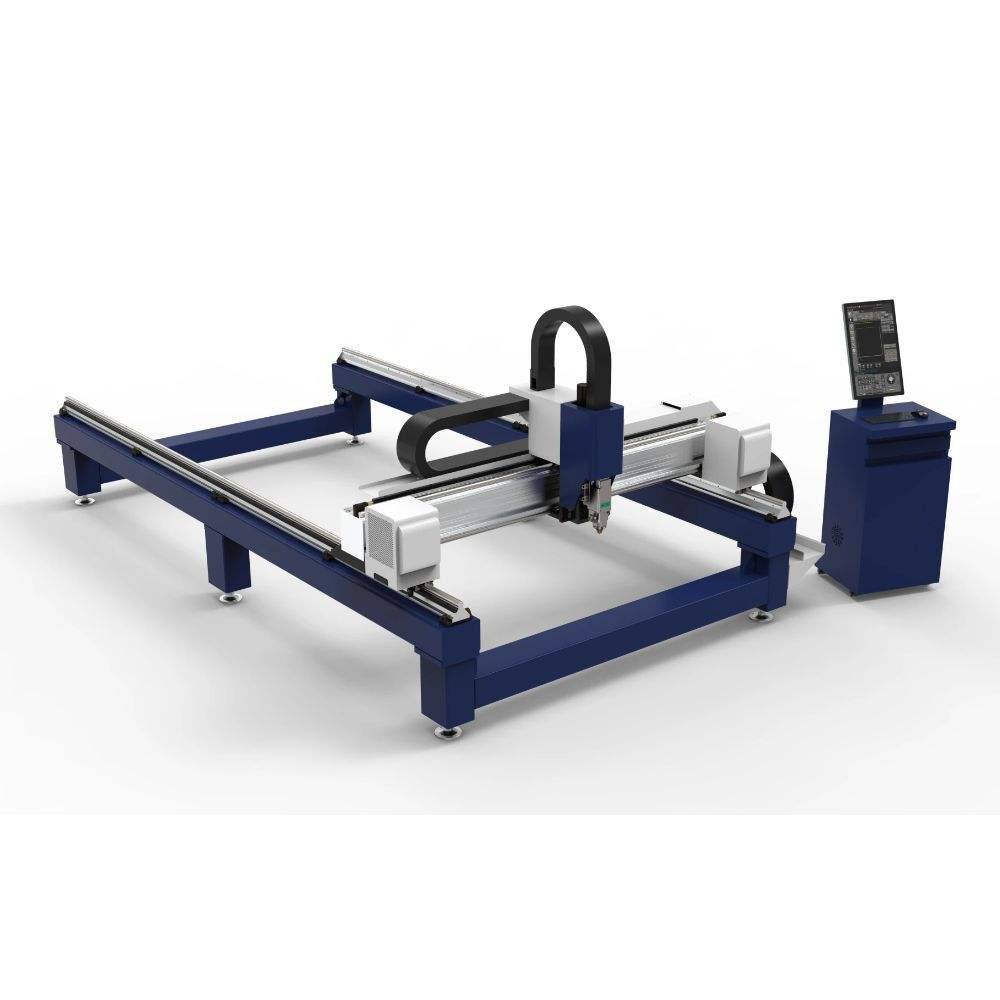
In the realm of laser cutting, power selection is a critical decision that dictates both capital expenditure and operational efficiency. A 1.5kW fiber laser offers a specialized balance for workshops focusing on light to medium gauge materials. Unlike higher-wattage systems that require massive power infrastructure, the 1.5kW unit is highly efficient, offering high beam quality (M2 factor) that allows for extremely small spot sizes. This precision is essential when working with galvanized steel, where heat management is the primary challenge.
For fabricators in Toluca’s industrial parks, such as Exportec or Parque Industrial Lerma, the 1.5kW system provides the agility to handle rapid prototyping and high-volume production of components like electrical enclosures, automotive brackets, and ventilation ducting. The fiber optic delivery system ensures that the machine maintains a stable beam path, which is significantly more reliable than older CO2 technology in the high-altitude environment of the Toluca valley.
Understanding the Challenges of Galvanized Steel
Galvanized steel is essentially carbon steel coated with a layer of zinc to prevent corrosion. While excellent for longevity, it presents specific hurdles for laser cutting. Zinc has a significantly lower melting and vaporization point than the underlying steel. During the process, the zinc coating tends to vaporize before the steel melts, creating a high-pressure gas layer that can interfere with the stability of the laser beam and the assist gas flow.
This phenomenon often leads to “dross” or slag accumulation on the underside of the cut. Furthermore, the reflective nature of the zinc coating can, in some instances, cause back-reflections into the laser source, although modern fiber lasers are equipped with isolators to prevent damage. In Toluca’s specific climate, where air density is lower due to the 2,600-meter altitude, the behavior of the plasma plume during the cut can vary, requiring fine-tuning of the focal position and gas pressure settings compared to sea-level operations.
Optimal Parameters for 1.5kW Systems on Zinc-Coated Sheets
To achieve a clean, burr-free edge on galvanized steel with a 1.5kW laser, operators must synchronize three primary variables: cutting speed, focal length, and assist gas type. For material thicknesses between 1mm and 3mm—the most common range for galvanized sheets in the HVAC and automotive sectors—the 1.5kW laser should typically operate at speeds ranging from 8 to 25 meters per minute, depending on the specific gauge.
The focal point is usually set slightly below the surface of the material to ensure that the energy is concentrated enough to pierce both the zinc layer and the steel core simultaneously. If the focus is too high, the zinc will boil and splatter, fouling the protective window of the laser head. In the Toluca region, where industrial power grids can sometimes experience fluctuations, the use of a high-quality voltage stabilizer is recommended to ensure the 1.5kW source maintains a consistent power density during long production runs.
Assist Gas Strategies: Nitrogen vs. Oxygen vs. Compressed Air
The choice of assist gas is perhaps the most influential factor in the quality of laser cutting for galvanized steel. Each gas interacts differently with the zinc coating:
- Nitrogen: This is the preferred choice for high-quality finishes. Nitrogen acts as a cooling agent and prevents oxidation of the cut edge. Because it doesn’t react with the zinc, it helps “blow away” the molten material, leaving a silver, weld-ready edge. However, it requires higher pressures (often 12-18 bar), which increases operational costs.
- Oxygen: While oxygen speeds up the cutting process in thicker carbon steel by creating an exothermic reaction, it can be problematic for galvanized steel. The oxygen reacts violently with the zinc, often resulting in increased dross and a charred edge that requires post-processing before painting or welding.
- Compressed Air: For many shops in Toluca looking to optimize costs, high-pressure compressed air is a viable middle ground. Modern 1.5kW machines equipped with robust air filtration and desiccant dryers can produce acceptable results on galvanized steel up to 2mm, though the edge will have a slight oxide layer.
Environmental Factors in Toluca: Altitude and Humidity
Operating a 1.5kW laser cutting system in Toluca requires an understanding of the local geography. At an elevation of approximately 2,660 meters, the atmospheric pressure is significantly lower than at sea level. This affects the cooling efficiency of the water chiller units and the dynamics of the assist gas as it exits the nozzle. Engineers must often increase the gas pressure by 5-10% to compensate for the lower air density to ensure the molten metal is effectively evacuated from the kerf.
Furthermore, Toluca experiences distinct wet and dry seasons. During the rainy season, humidity levels can spike, increasing the risk of condensation within the pneumatic lines. For galvanized steel processing, any moisture in the assist gas can lead to “popping” during the cut, which damages the nozzle and degrades cut quality. Implementing a refrigerated air dryer and a multi-stage filtration system is non-negotiable for maintaining the precision of a 1.5kW fiber laser in this region.
Health and Safety: Managing Zinc Fumes
A critical but often overlooked aspect of laser cutting galvanized steel is the production of zinc oxide fumes. When the laser vaporizes the zinc coating, it produces a fine, white smoke that is toxic if inhaled, leading to a condition known as “metal fume fever.” In an industrial setting like Toluca, compliance with STPS (Secretaría del Trabajo y Previsión Social) regulations is mandatory.
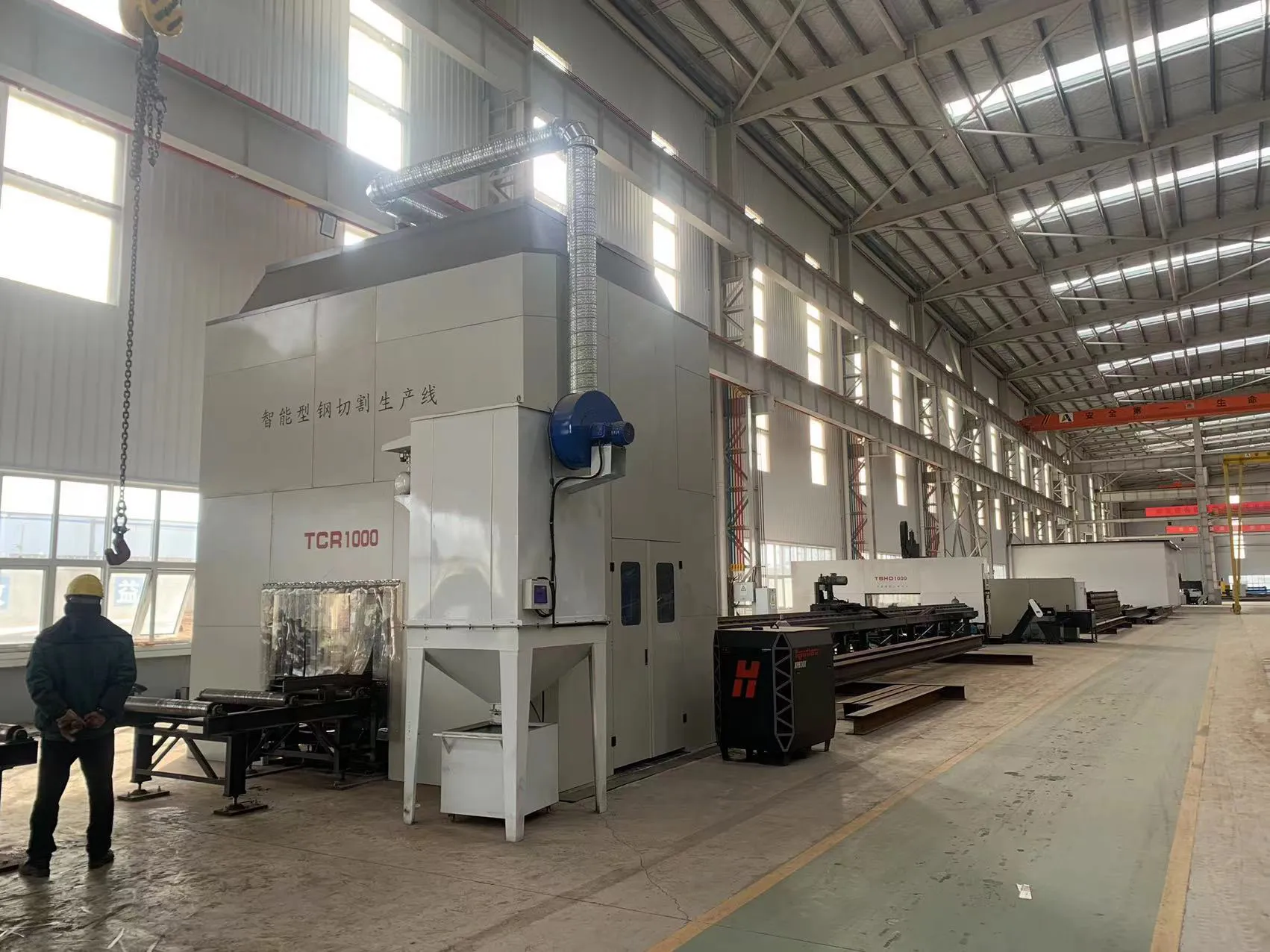
The 1.5kW machine must be paired with a high-capacity dust extraction and filtration system. Because zinc oxide particles are extremely fine, HEPA-grade filters or specialized cartridge collectors are required. Furthermore, the slag generated from galvanized steel is different from standard mild steel; it is more “sticky” and can clog the internal slats of the cutting table more quickly, requiring a more frequent cleaning cycle to prevent “flashback” marks on the underside of the workpieces.
Maintenance Protocols for Peak Performance
To ensure the longevity of a 1.5kW laser in a demanding environment, a rigorous maintenance schedule is essential. The optical path, specifically the protective window (cover glass), is the most vulnerable component when cutting galvanized steel. The “spatter” from the zinc coating can significantly reduce the lifespan of these consumables. Daily inspections and cleaning using optical-grade isopropyl alcohol are required.
Additionally, the chiller system—the heart of the 1.5kW fiber source—must be maintained with deionized water and biocide additives. In Toluca’s variable temperature environment, ensuring the chiller’s heat exchanger is free of dust is vital for preventing the laser source from overheating. Regular calibration of the height sensor is also necessary, as the reflective properties of galvanized steel can occasionally “trick” the capacitive sensors used in many laser cutting heads.
Conclusion: The Future of Fabrication in the State of Mexico
The integration of 1.5kW fiber laser cutting technology represents a significant step forward for the metalworking industry in Toluca. By mastering the specific parameters required for galvanized steel—from gas selection to altitude compensation—local manufacturers can achieve international standards of precision and efficiency. As the automotive and aerospace sectors in the region continue to evolve, the ability to process coated materials with speed and minimal waste will remain a decisive competitive advantage. Investing in the right technology, combined with a deep understanding of the metallurgical challenges of zinc coatings, ensures that Toluca remains at the forefront of Mexican industrial excellence.
















