
Introduction to 1.5kW Fiber Laser Technology in Puebla’s Industrial Sector
The industrial landscape of Puebla, Mexico, has long been a cornerstone of the nation’s manufacturing prowess, particularly within the automotive and construction sectors. As the demand for high-precision components grows, the adoption of 1.5kW fiber laser systems has become a strategic necessity. This power class represents a highly efficient “sweet spot” for small to medium-sized enterprises (SMEs) and specialized workshops that require high-speed processing of thin to medium-gauge sheet metal. Specifically, when dealing with galvanized steel—a material ubiquitous in HVAC, automotive bodywork, and structural cladding—the 1.5kW laser provides the ideal balance of capital investment and operational throughput.
laser cutting technology has transitioned from a high-cost luxury to a standard requirement for competitive fabrication. In Puebla, where the supply chain demands rigorous adherence to international standards (such as ISO and IATF 16949), the ability to produce clean, burr-free edges on galvanized materials is paramount. This guide explores the technical nuances of operating a 1.5kW sheet metal laser, focusing on the specific challenges and solutions associated with galvanized steel within the unique environmental and economic context of the Puebla region.
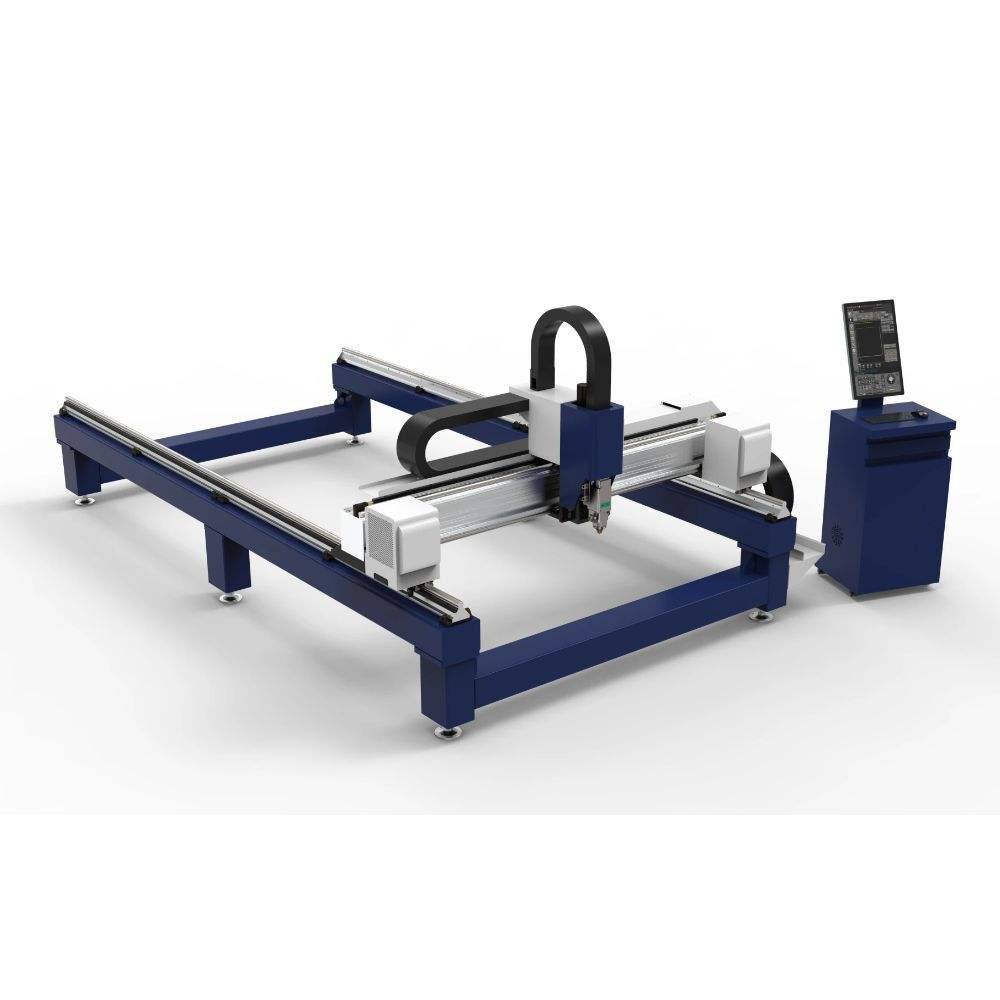
 laser cutting machine” style=”width: 100%; max-width: 800px; height: auto; margin: 20px 0;”>
Technical Specifications and Capabilities of the 1.5kW Laser
A 1.5kW fiber laser source is engineered to deliver a highly concentrated beam of light with a wavelength typically around 1.06 micrometers. This wavelength is exceptionally well-absorbed by metallic surfaces, making it significantly more efficient than older CO2 technology. For sheet metal fabrication, a 1.5kW system is capable of cutting carbon steel up to 12mm or 14mm, stainless steel up to 5mm or 6mm, and galvanized steel—the focus of this guide—up to 4mm or 5mm with high precision.
The Fiber Optic Advantage
The 1.5kW fiber laser utilizes a solid-state gain medium, which eliminates the need for complex internal mirrors and gas mixtures within the resonator. This results in a Beam Parameter Product (BPP) that allows for a much smaller focal spot. In the context of laser cutting, a smaller spot size translates to higher power density. For galvanized steel, this means the laser can vaporize the material and its zinc coating rapidly, minimizing the heat-affected zone (HAZ) and preventing excessive melting of the protective zinc layer beyond the cut line.
Drive Systems and Motion Control
To maximize the 1.5kW output, the machine must be equipped with high-precision motion systems. Most professional-grade machines in this class utilize gantry-style architectures with rack-and-pinion drives or linear motors. In Puebla’s high-output environments, acceleration rates of 1.0G to 1.5G are standard, ensuring that the laser maintains its programmed feed rate even when navigating complex geometries or tight corners in sheet metal parts.
Challenges of Cutting Galvanized Steel
Galvanized steel presents a unique set of challenges for laser cutting due to its chemical composition. The material consists of a steel core coated with a layer of zinc to provide corrosion resistance. Zinc has a significantly lower melting point (approximately 419°C) compared to the steel substrate (approximately 1,500°C). This disparity creates several technical hurdles that operators in Puebla must address to ensure part quality.
Zinc Vaporization and “Pop” Effects
As the laser beam interacts with the surface, the zinc coating vaporizes before the steel begins to melt. This high-pressure vapor can interfere with the stability of the laser beam and the flow of the assist gas. If not managed correctly, the vaporized zinc can create a “popping” effect, where molten metal is ejected back toward the laser nozzle, potentially damaging the protective window or the ceramic nozzle body. This is particularly prevalent in 1.5kW systems where the power density is high enough to cause rapid vaporization but may lack the “brute force” of higher-kilowatt systems to clear the debris instantly.
Dross Formation and Edge Quality
Dross, or the solidified slag that clings to the bottom of the cut, is a common issue with galvanized steel. Because the zinc coating alters the surface tension of the molten pool, the assist gas must be perfectly tuned to evacuate the material cleanly. For manufacturers in Puebla supplying the automotive tier-1 or tier-2 industries, dross is unacceptable as it requires secondary grinding processes, increasing labor costs and reducing the dimensional accuracy of the part.
Optimizing Parameters for 1.5kW Laser Cutting
Achieving a “mirror finish” or a clean edge on galvanized steel requires a meticulous balance of speed, power, gas pressure, and focal position. When using a 1.5kW system, these parameters become even more sensitive.
Assist Gas Selection: Nitrogen vs. Oxygen
For high-quality results on galvanized steel, Nitrogen is the preferred assist gas. Nitrogen acts as a cooling agent and prevents oxidation of the cut edge, which is vital if the part is to be painted or welded later. High-pressure Nitrogen (typically 12-18 bar) effectively “blows away” the vaporized zinc and molten steel, leaving a bright, clean edge. While Oxygen can be used to cut thicker galvanized plates at lower pressures, it results in an oxidized edge that compromises the corrosion resistance of the material and may lead to paint failure in the future.
Focal Position and Nozzle Calibration
The focal point for laser cutting galvanized steel with a 1.5kW source should generally be set slightly below the surface of the material (negative focus). This helps to broaden the kerf slightly at the bottom, allowing the assist gas to eject the molten zinc-steel mixture more efficiently. Furthermore, using a double-layer nozzle is often recommended for galvanized materials to stabilize the gas flow and protect the internal optics from the volatile zinc vapors common in the Puebla manufacturing environment.
The Puebla Industrial Context: Environmental Factors
Operating a 1.5kW laser in Puebla introduces specific environmental variables that differ from coastal or lower-altitude regions. Puebla sits at an average elevation of 2,135 meters above sea level. This altitude affects the density of the air and the performance of cooling systems.
Altitude and Gas Dynamics
At higher altitudes, the atmospheric pressure is lower. This can affect the flow dynamics of the assist gases. Operators may find that they need to slightly increase their gas pressure settings compared to “sea level” factory presets to achieve the same kinetic energy at the nozzle exit. Additionally, the lower air density can impact the efficiency of the laser’s chiller unit. It is critical to ensure that the chiller is rated for high-altitude operation to prevent the 1.5kW fiber source from overheating during long production shifts in the summer months.
Supply Chain and Local Support
Puebla’s robust industrial infrastructure means that high-purity gases (Nitrogen and Oxygen) are readily available. However, for a 1.5kW machine running high-pressure Nitrogen, gas consumption can be a significant operational cost. Many shops in the Cuautlancingo or industrial park areas are moving toward Nitrogen generators to reduce their dependence on liquid nitrogen deliveries, thereby stabilizing their cost-per-part in a competitive market.
Safety and Maintenance Protocols
When laser cutting galvanized steel, safety is not just about the laser beam; it is about the chemistry of the process. The vaporization of zinc produces zinc oxide fumes, which are toxic if inhaled. This can lead to “metal fume fever,” a temporary but debilitating condition for operators.
Fume Extraction and Filtration
A high-performance fume extraction system is mandatory. The 1.5kW laser should be enclosed in a housing that complies with CE or FDA safety standards, and the extraction fan must have sufficient CFM (cubic feet per minute) to pull fumes away from the work area. In Puebla, where environmental regulations are increasingly aligned with international green standards, using a HEPA-filtered dust collector ensures that the air exhausted from the factory does not violate local air quality ordinances.
Lens and Nozzle Maintenance
The volatile nature of zinc means that the protective window of the laser head will require more frequent inspection than when cutting standard cold-rolled steel. A daily cleaning routine using optical-grade isopropyl alcohol and lint-free swabs is essential. Any accumulation of zinc dust on the nozzle can distort the assist gas flow, leading to immediate degradation in cut quality and potential “thermal runaway” where the nozzle itself melts.
Conclusion: Maximizing ROI in the Puebla Market
The 1.5kW sheet metal laser is a formidable tool for the Puebla fabricator. By understanding the metallurgical interaction between the fiber laser and the zinc coating of galvanized steel, businesses can produce high-quality components that meet the stringent demands of the local automotive and construction industries. Success lies in the details: optimizing Nitrogen pressures for the high-altitude environment, maintaining rigorous cleaning schedules for optics, and leveraging the high speed of the 1.5kW source to minimize cycle times.
As laser cutting continues to evolve, the integration of these systems into the Puebla supply chain will drive innovation and economic growth. For the modern engineer or shop owner, mastering the 1.5kW laser on galvanized steel is not just about cutting metal; it is about precision, efficiency, and maintaining a competitive edge in one of Mexico’s most dynamic industrial hubs.
















