
Optimization of 1.5kW Sheet Metal laser cutting for Galvanized Steel in Monterrey’s Industrial Sector
The industrial landscape of Monterrey, Nuevo León, stands as a beacon of manufacturing excellence in Latin America. As the “Sultan of the North,” Monterrey hosts a dense concentration of automotive, HVAC, and household appliance manufacturers. Central to these operations is the requirement for high-precision fabrication of coated materials. The 1.5kW fiber laser cutting system has emerged as the primary workhorse for small-to-medium enterprises (SMEs) and specialized workshops across Apodaca, Santa Catarina, and Guadalupe. This guide explores the technical nuances of utilizing a 1.5kW power source specifically for galvanized steel, ensuring local manufacturers achieve peak efficiency and edge quality.
The Technical Profile of 1.5kW Fiber Laser Systems
A 1.5kW fiber laser source represents a strategic balance between capital investment and operational capability. In the context of laser cutting, fiber technology utilizes a solid-state gain medium, which offers a wavelength of approximately 1.06 microns. This wavelength is highly absorbable by metallic surfaces, particularly carbon steels and their coated variants. For a 1.5kW system, the optimal thickness range for galvanized steel typically falls between 0.5mm and 4.0mm, though it can push to 5.0mm with specialized gas configurations.
The efficiency of a 1.5kW system is rooted in its beam density. While higher wattage machines (6kW+) are designed for heavy plate, the 1.5kW unit excels in high-speed processing of thin-gauge sheets. In Monterrey’s competitive market, where “Just-In-Time” delivery is standard for automotive tiers, the agility of the 1.5kW system allows for rapid prototyping and high-volume production of brackets, enclosures, and ductwork without the massive overhead of ultra-high-power oscillators.
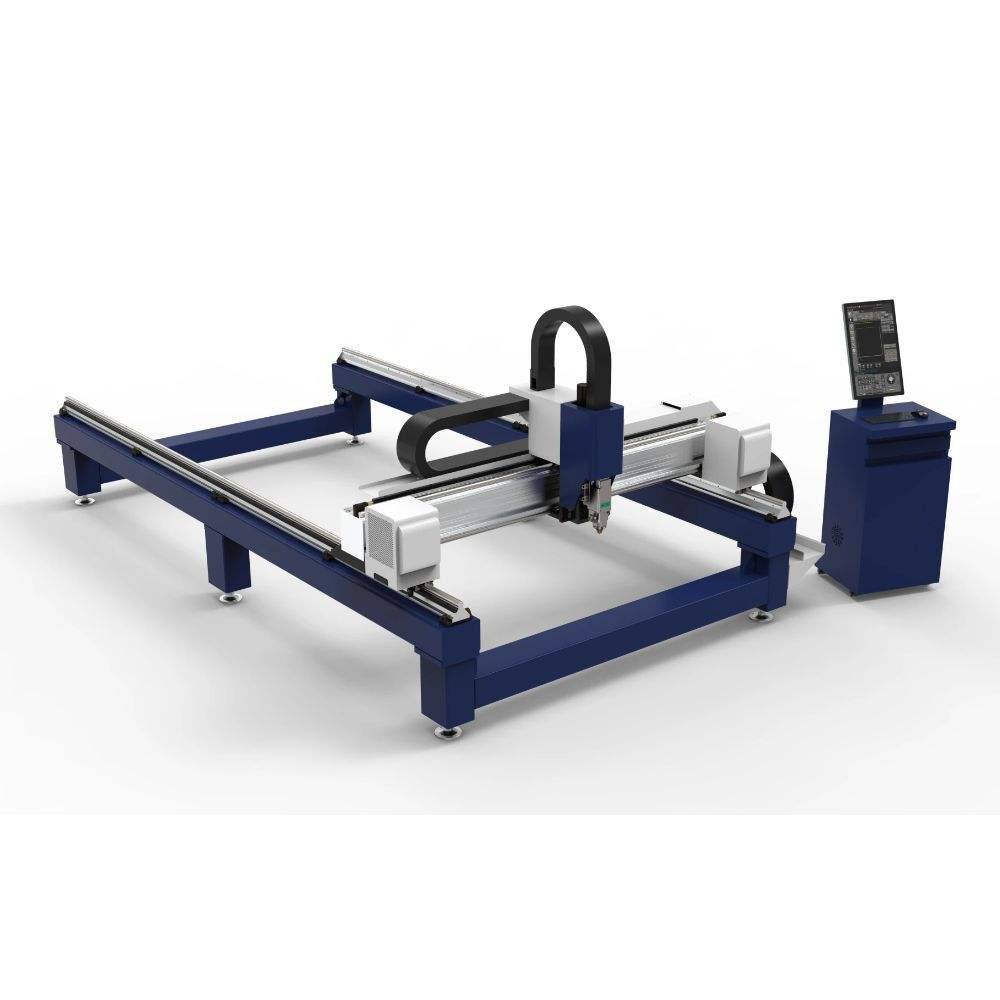
 laser cutting machine” style=”width:100%; max-width:800px; height:auto; margin: 20px 0;”>
Understanding the Metallurgy of Galvanized Steel
Galvanized steel presents a unique challenge for laser cutting due to its protective zinc coating. Zinc has a significantly lower melting point (approximately 419°C) compared to the underlying steel substrate (approximately 1500°C). When the laser beam interacts with the material, the zinc layer vaporizes before the steel melts. This vaporization can create several issues: turbulence in the melt pool, contamination of the nozzle, and potential “blow-back” of molten material.
In Monterrey’s manufacturing sector, both Hot-Dipped Galvanized (HDG) and Electro-galvanized (EG) sheets are common. HDG typically has a thicker, more irregular zinc layer which can cause fluctuations in the laser’s focal stability. Professionals must adjust their approach based on the coating weight (e.g., G60 vs. G90) to maintain a dross-free finish. The 1.5kW power level is particularly sensitive to these variations, requiring precise control over the assist gas and focal position.
Critical Process Parameters for 1.5kW Systems
To achieve a clean cut on galvanized steel in a 1.5kW environment, three primary variables must be synchronized: assist gas selection, cutting speed, and nozzle geometry.
1. Assist Gas Selection: Nitrogen vs. Oxygen
For galvanized steel, Nitrogen is the preferred assist gas for laser cutting when edge quality and weldability are priorities. Nitrogen acts as a shielding agent, blowing away the vaporized zinc and molten steel without allowing oxidation. This results in a “silver” edge that is ready for immediate powder coating or welding—a critical requirement for Monterrey’s appliance manufacturers (like those supplying Mabe or Whirlpool). However, Nitrogen requires higher pressures (often 14-18 bar), which increases operating costs.
Oxygen can be used to increase cutting speeds on thicker galvanized sheets (above 3mm). The oxygen reacts exothermically with the steel, adding thermal energy to the process. The downside is the formation of a dark oxide layer and increased “zinc flare-up” at the entry point. For a 1.5kW machine, Oxygen is often a fallback for when Nitrogen supply is limited or when the edge finish is secondary to throughput.
2. Nozzle Selection and Focal Position
A double-layer nozzle is typically recommended for galvanized laser cutting. The inner nozzle directs the high-pressure gas, while the outer layer helps stabilize the airflow around the beam. For a 1.5kW system, a nozzle diameter between 1.2mm and 2.0mm is standard. The focal position should generally be set slightly negative (below the surface of the material) to ensure the energy is concentrated within the thickness of the sheet, helping to eject the zinc vapor more effectively through the kerf.
Environmental Considerations in Monterrey
Operating a fiber laser in Monterrey requires accounting for the local climate. The region experiences extreme heat during summer months, with temperatures often exceeding 40°C. This places a significant load on the laser’s chiller unit. For a 1.5kW system, the chiller must maintain a stable temperature (usually around 22-25°C) for both the laser source and the cutting head. If the chiller fails to compensate for Monterrey’s ambient heat, the beam quality will degrade, leading to inconsistent cuts on the reflective zinc surface.
Furthermore, humidity levels in Nuevo León can fluctuate. High humidity can lead to condensation within the gas lines. If moisture mixes with the assist gas, it can cause “micro-explosions” in the melt pool during laser cutting, leading to pitting and dross. Implementing a high-quality refrigerated air dryer and multi-stage filtration system is non-negotiable for Monterrey-based shops aiming for aerospace or medical-grade precision.
Maintenance Protocols for Longevity
The longevity of a 1.5kW fiber laser depends on rigorous maintenance, especially when processing galvanized steel. The vaporized zinc is not just a process hurdle; it is a mechanical contaminant. Zinc oxide dust can settle on the protective window (cover glass) of the laser head. If not cleaned, this dust will absorb laser energy, heat up, and eventually crack the lens.
Daily and Weekly Maintenance Tasks:
- Cover Glass Inspection: Check the protective window every 4-8 hours of cutting. Use optical-grade wipes and high-purity isopropyl alcohol.
- Nozzle Centering: Galvanized “spatter” can slightly decenter the nozzle. Perform a “tape test” daily to ensure the beam is perfectly centered within the nozzle orifice.
- Fume Extraction: Zinc fumes are toxic and corrosive. Ensure the dust collector filters are pulsed frequently and the bins are emptied. In Monterrey, where environmental regulations (SEMARNAT) are strictly enforced in industrial zones, maintaining a clean emission profile is essential.
- Slat Cleaning: Zinc dross tends to accumulate on the copper or steel slats of the cutting table. This accumulation can cause “back-reflection” which damages the underside of the sheet. Regular cleaning or replacement of slats is required.
Economic Impact and Throughput for Monterrey Fabricators
For a fabrication shop in Monterrey, the 1.5kW laser cutting machine offers a rapid Return on Investment (ROI). Compared to traditional CO2 lasers, fiber lasers consume roughly 70% less electricity. In a region where industrial electricity rates can be a significant overhead, this efficiency is vital. Furthermore, the 1.5kW system is capable of cutting 1mm galvanized steel at speeds exceeding 20 meters per minute. This high velocity allows local shops to compete with larger distributors by offering “same-day” service for custom HVAC components or construction flashing.
The proximity to US-based supply chains also means that Monterrey shops must adhere to international quality standards (ISO 9001). The precision of the 1.5kW fiber laser ensures that tolerances are kept within +/- 0.05mm, satisfying the rigorous requirements of the “Nearshoring” boom currently driving the local economy.
Safety Standards: Handling Zinc Vapors
Safety is paramount when laser cutting galvanized materials. The inhalation of zinc oxide fumes can lead to “Metal Fume Fever,” characterized by flu-like symptoms. It is imperative that Monterrey workshops install high-volume extraction systems with HEPA filtration. Additionally, operators should be equipped with appropriate PPE and trained on the specific hazards of coated steels. The 1.5kW system’s enclosure should remain sealed during operation to prevent scattered reflections—which are more common with the shiny surface of galvanized steel—from reaching the operator’s eyes.
Conclusion
The 1.5kW sheet metal laser is an indispensable tool for the modern Monterrey workshop. By mastering the interplay between assist gases, focal dynamics, and the unique properties of galvanized steel, fabricators can produce high-quality components that meet the demands of Mexico’s most robust industrial hub. Whether it is for the booming construction sector in San Pedro or the automotive lines in Santa Catarina, the 1.5kW laser cutting system provides the precision, speed, and reliability needed to thrive in a globalized manufacturing economy. Success lies in the details: maintaining the chiller against the northern heat, ensuring gas purity, and never compromising on the maintenance of the optical path.
















