
Technical Guide: 1.5kW Fiber laser cutting of Galvanized Steel in the Guadalajara Industrial Sector
The industrial landscape of Guadalajara, Jalisco, often referred to as the “Silicon Valley of Mexico,” has undergone a significant transformation in its metal-mechanic sector. As manufacturing demands for electronics, HVAC systems, and automotive components rise, the adoption of fiber 1.5kW laser cutting technology has become a cornerstone for local workshops seeking precision and efficiency. Specifically, the processing of galvanized steel presents a unique set of technical challenges and opportunities that require a deep understanding of laser-material interaction.
A 1.5kW fiber laser represents the “sweet spot” for many small to medium-sized enterprises (SMEs) in Guadalajara. It offers a balance between capital investment and operational capability, particularly for sheet metal thicknesses ranging from 0.5mm to 4.0mm. This guide explores the engineering nuances of utilizing a 1.5kW system to process galvanized steel, ensuring high-quality output and equipment longevity.
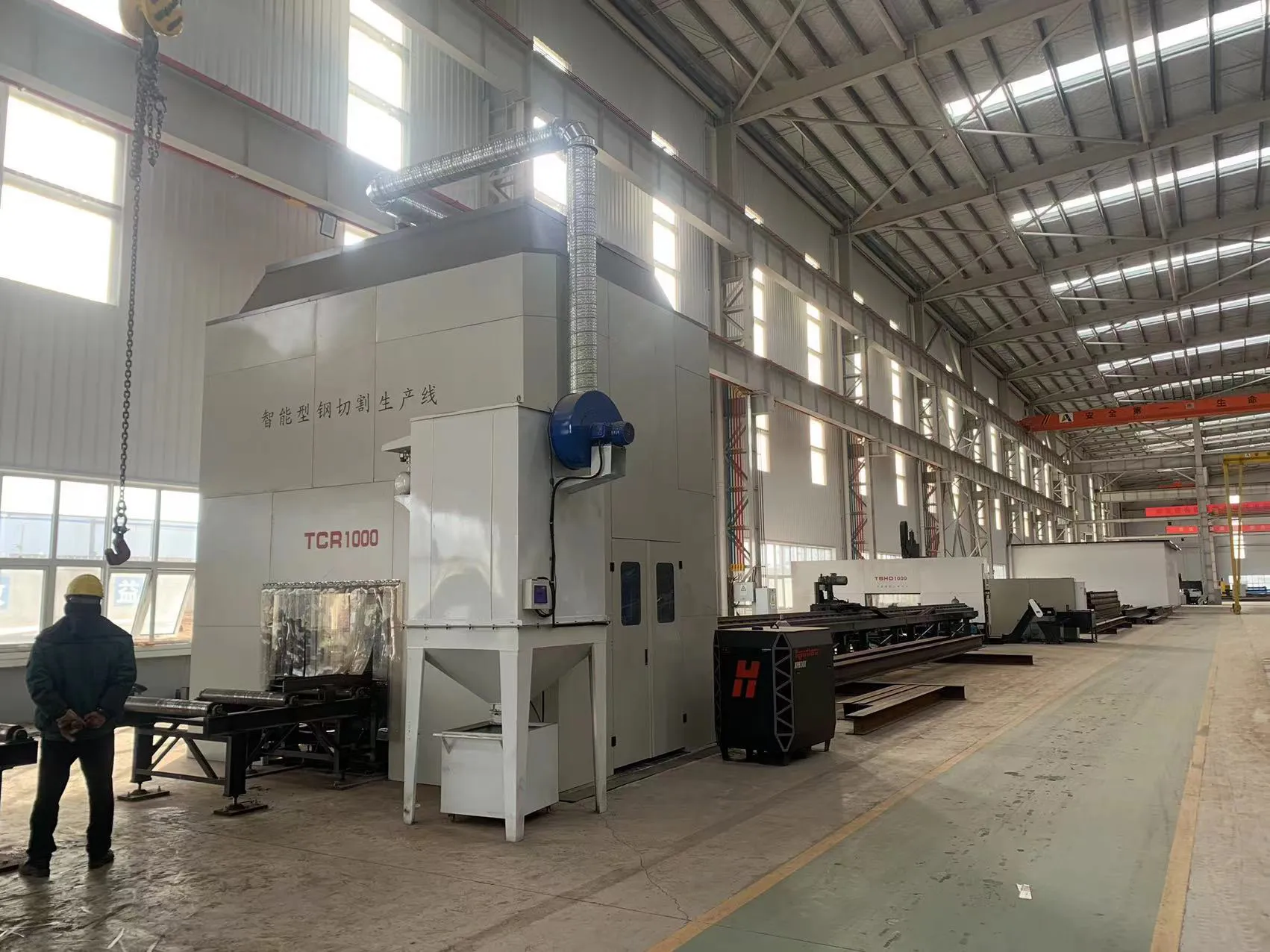
Understanding the 1.5kW Fiber Laser Specification
The 1.5kW power rating in fiber laser technology refers to the continuous wave (CW) output power generated by the ytterbium-doped fiber source. Unlike CO2 lasers, fiber lasers operate at a wavelength of approximately 1.06 microns. This shorter wavelength is more readily absorbed by metals, particularly reflective ones like galvanized steel, allowing for higher cutting speeds at lower power levels.
In the context of laser cutting, 1.5kW provides sufficient energy density to achieve a “melt and blow” process. The high-intensity beam creates a localized melt pool, while a high-pressure assist gas (typically Nitrogen) ejects the molten material from the kerf. For galvanized steel, the power must be carefully modulated to handle the dual-layer nature of the material: the protective zinc coating and the underlying carbon steel core.
The Physics of Cutting Galvanized Steel
Galvanized steel is carbon steel coated with a layer of zinc to prevent corrosion. This coating, while beneficial for the end product’s lifespan, complicates the laser cutting process. Zinc has a significantly lower melting point (approx. 419°C) and boiling point (approx. 907°C) compared to the iron base (approx. 1538°C).
When the laser hits the surface, the zinc layer vaporizes almost instantaneously. This vaporization can create several issues:
- Plasma Cloud Interference: The rapidly expanding zinc vapor can interfere with the laser beam’s focus, leading to an unstable cut.
- Back-Reflections: While fiber lasers are less sensitive to reflections than CO2 lasers, the shiny surface of fresh galvanized sheet can still cause back-reflections that may damage the optical fiber if the protective systems are not robust.
- Dross Formation: The difference in surface tension between molten zinc and molten steel often results in “dross” or slag adhering to the bottom edge of the cut.
Optimal Assist Gas Selection: Nitrogen vs. Oxygen
For a 1.5kW system in Guadalajara’s manufacturing environment, the choice of assist gas is critical for both quality and cost-effectiveness.
Nitrogen (High Pressure): This is the preferred gas for galvanized steel. Nitrogen acts as a cooling agent and a mechanical force to blow away the melt without causing oxidation. This results in a clean, silver-colored edge that is ready for welding or painting without secondary cleaning. For 1.5kW systems, Nitrogen pressures typically range from 12 to 18 bar depending on the thickness.
Oxygen (Low Pressure): While Oxygen can be used to cut thicker carbon steel by initiating an exothermic reaction, it is generally avoided for galvanized steel. The Oxygen reacts with the zinc, creating a violent combustion that results in heavy charring and a poor surface finish. Furthermore, the resulting oxide layer on the edge can lead to paint adhesion failure—a major concern for Guadalajara’s electronics enclosure manufacturers.
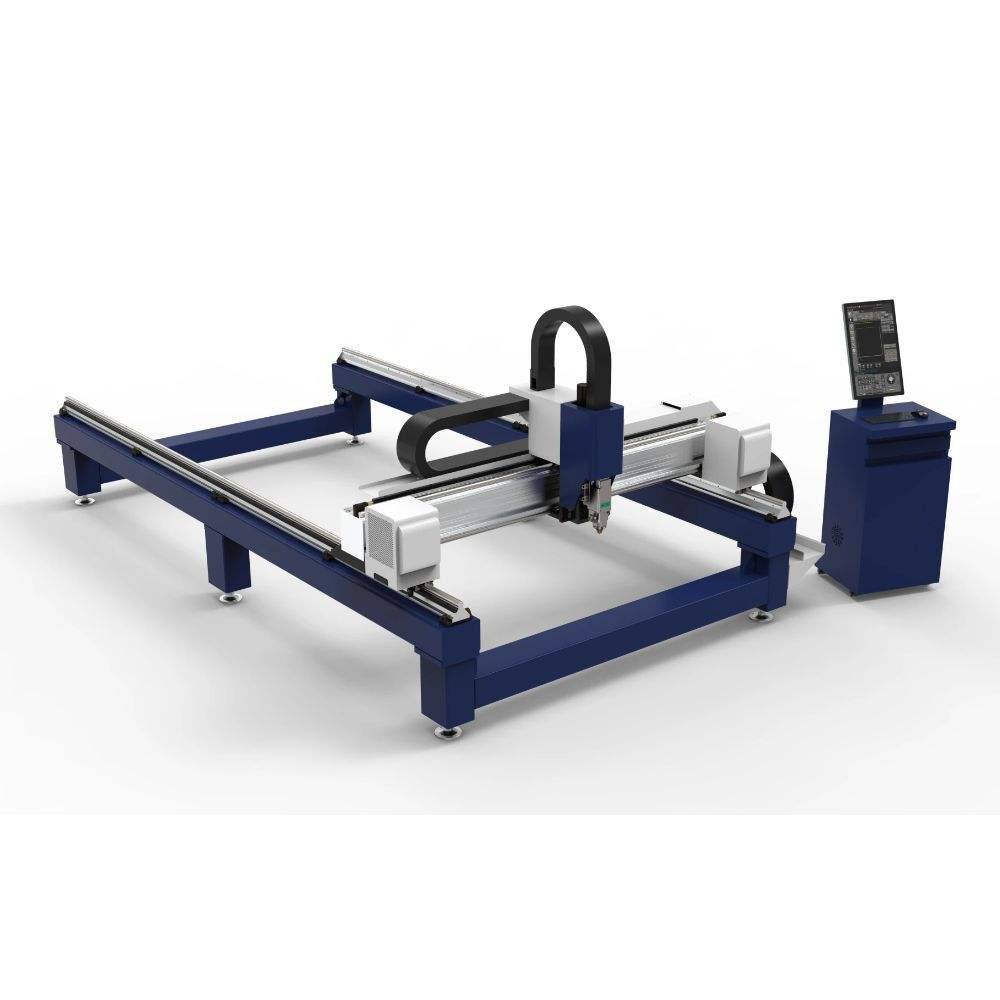
Parameter Optimization for 1.5kW Systems
Achieving a perfect cut on galvanized steel requires a delicate balance of three primary variables: power, speed, and focal position. For a 1.5kW laser cutting machine, the following guidelines are standard for 14-gauge to 20-gauge galvanized sheets:
Focal Position and Nozzle Selection
Because the zinc vapor tends to push back against the nozzle, a slightly negative focus (placing the focal point just below the material surface) is often recommended. This ensures that the widest part of the beam’s energy “envelope” is used to clear the kerf. A double-layer nozzle is typically employed to provide a stable gas shroud, which helps in suppressing the zinc flare-up and protecting the protective window (cover slide) from spatters.
Cutting Speed and Power Modulation
At 1.5kW, a 1.5mm galvanized sheet can typically be cut at speeds ranging from 15 to 25 meters per minute when using Nitrogen. It is essential to maintain a constant speed; decelerating too much at corners will cause the heat to build up, vaporizing excessive amounts of zinc and leaving a “burnt” appearance. Modern CNC controllers used in Guadalajara’s shops often feature power-ramping, which automatically reduces the 1.5kW output as the machine slows down for tight geometries.
Environmental Considerations in Guadalajara
Guadalajara’s altitude (approximately 1,566 meters above sea level) and its seasonal humidity variations can affect laser cutting performance. Lower air density at this altitude can slightly impact the cooling efficiency of the chiller and the dynamics of the assist gas. Operators must ensure that the compressed air (if used for the beam path) is ultra-dry and filtered to prevent “blooming” of the laser beam.
Furthermore, the cutting of galvanized steel produces Zinc Oxide (ZnO) fumes. These are white, powdery particulates that are toxic if inhaled (leading to “metal fume fever”). High-quality dust extraction and filtration systems are non-negotiable for shops in industrial zones like El Salto or Zapopan. A 1.5kW system generates a significant volume of these particulates due to the high cutting speeds achieved on thin gauges.
Maintenance and Protecting the Optical Path
The most common failure point when laser cutting galvanized steel is the contamination of the protective lens. The “popping” of the zinc layer can send micro-spatters of molten metal upward toward the cutting head.
- Daily Inspection: The cover slide must be inspected every shift. Even a microscopic speck of zinc can absorb the 1.5kW energy, heat up, and crack the lens.
- Nozzle Centering: Precise centering of the laser beam through the nozzle is vital. If the beam is off-center, it will hit the nozzle wall, causing turbulence in the assist gas and resulting in a ragged cut on the galvanized sheet.
- Chiller Maintenance: The 1.5kW fiber source and the cutting head require stable temperatures. In the warm Guadalajara climate, ensuring the chiller’s refrigerant levels and filters are maintained is essential to prevent thermal drift in the laser’s wavelength.
Economic Impact and ROI for Local Manufacturers
The transition to a 1.5kW fiber laser cutting system offers a rapid Return on Investment (ROI) for Guadalajara’s metal-mechanic shops. Compared to traditional punching or CO2 cutting, the fiber laser reduces electricity consumption by up to 70% and eliminates the need for expensive tooling. For galvanized steel—a staple in the production of air conditioning ducts, electrical cabinets, and automotive brackets—the ability to produce “burr-free” parts directly from the machine significantly reduces labor costs associated with manual deburring.
Furthermore, the precision of a 1.5kW laser allows for tighter nesting of parts. Given the fluctuating prices of steel in the Mexican market, maximizing material utilization is a key competitive advantage. The narrow kerf width (typically 0.1mm to 0.2mm) ensures that scrap is kept to an absolute minimum.
Conclusion
The 1.5kW sheet metal fiber laser is a formidable tool for the Guadalajara industrial sector, particularly when optimized for galvanized steel. By understanding the thermal properties of the zinc coating, selecting the correct assist gases, and maintaining strict optical hygiene, manufacturers can achieve high-throughput, high-precision results. As the region continues to grow as a global manufacturing hub, the mastery of laser cutting technology remains an essential pillar for local engineering excellence.




























