Optimization of 1.5kW Fiber laser cutting for Carbon Steel in the Puebla Industrial Sector
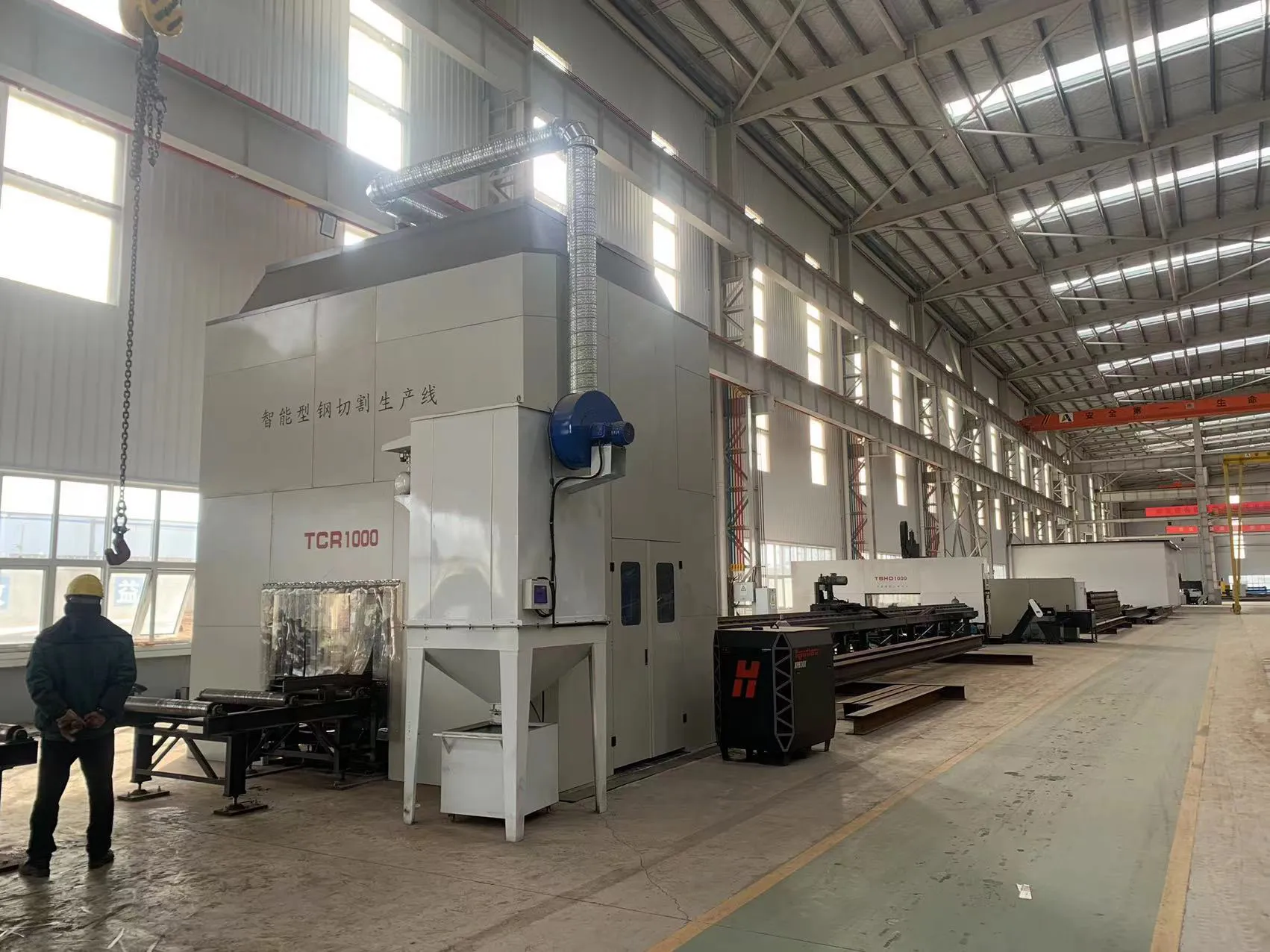
The industrial landscape of Puebla, Mexico, stands as a cornerstone of the nation’s manufacturing prowess. Driven largely by the automotive giants in the region, such as Volkswagen de México and Audi, the demand for high-precision metal fabrication has never been higher. For small to medium-sized enterprises (SMEs) and Tier 2 or Tier 3 suppliers, the 1.5kW fiber laser cutting system represents the ideal balance between capital investment and operational capability. This guide examines the technical nuances of utilizing a 1.5kW laser specifically for carbon steel, tailored to the unique environmental and industrial conditions of the Puebla highlands.
The Technical Advantage of 1.5kW Power in Carbon Steel Applications
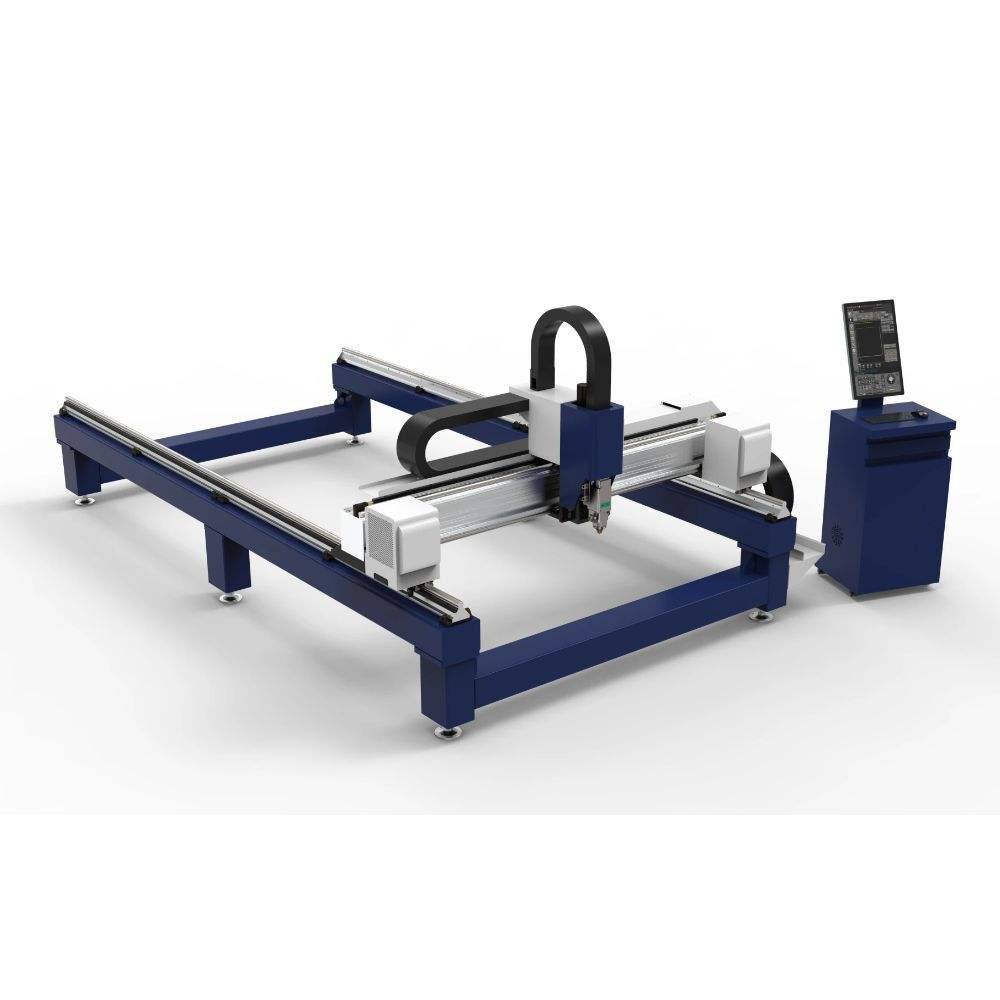
In the realm of fiber laser technology, power density is the primary determinant of throughput and edge quality. A 1.5kW system is specifically engineered to excel in the processing of thin to medium-gauge carbon steel, typically ranging from 0.5mm to 12mm. While higher-wattage machines exist, the 1.5kW variant offers a refined beam profile that minimizes the Heat-Affected Zone (HAZ), a critical factor when producing components for the automotive and heavy machinery sectors in Puebla.
Carbon steel, characterized by its carbon content and iron base, absorbs the 1.06-micron wavelength of fiber lasers with high efficiency. At 1.5kW, the energy is sufficient to achieve “sublimation cutting” in thinner sheets and efficient “melt-and-blow” cutting in thicker plates. This power level ensures that the kerf width remains narrow, allowing for intricate geometries and tight tolerances that meet international ISO standards frequently required by Puebla’s export-oriented manufacturing base.
Environmental Considerations: The “Puebla Factor”
Operating a laser cutting system in Puebla requires an understanding of the local geography. Situated at an average elevation of 2,135 meters (approx. 7,000 feet) above sea level, the atmospheric pressure is significantly lower than at coastal manufacturing hubs. This altitude affects the physics of assist gases and the cooling efficiency of the laser source.
For carbon steel processing, oxygen (O2) is the standard assist gas. At higher altitudes, the density of ambient air is lower, which can impact the performance of air-cooled chillers and the stabilization of gas pressures. Engineering teams must ensure that the chiller units are rated for high-altitude operation to prevent overheating of the 1.5kW resonant cavity. Furthermore, the pressure regulators for the assist gas must be calibrated to compensate for the lower atmospheric backpressure, ensuring a consistent flow rate through the nozzle to maintain dross-free cuts on the underside of the carbon steel plate.
Material Specifics: Processing A36 and SAE 1018 Steel
In the Puebla region, the most common carbon steel grades encountered are A36 (structural) and SAE 1018 (mild steel). Each responds differently to the laser cutting process. A36, often used in construction and heavy brackets, can have varying levels of impurities and surface scale. When using a 1.5kW laser, it is imperative to ensure the material is “laser-grade” or at least pickling-and-oiled (P&O) to prevent surface irregularities from causing beam reflections or inconsistent absorption.
SAE 1018 provides a more uniform crystalline structure, allowing the 1.5kW beam to maintain higher feed rates. For a 3mm carbon steel sheet, a 1.5kW system can typically achieve speeds of 3.5 to 4.5 meters per minute, depending on the purity of the oxygen assist gas. Achieving this balance of speed and quality is essential for maintaining the competitive lead times demanded by the local supply chain.
Optimizing Cutting Parameters for 1.5kW Systems
To maximize the efficiency of laser cutting in carbon steel, several parameters must be synchronized. The focal position is perhaps the most critical. In carbon steel cutting with oxygen, the focus is generally kept on the surface or slightly above the material to facilitate a wider kerf that allows the exothermic reaction to penetrate deeper. This is a departure from stainless steel cutting, where the focus is buried deep within the material.
The nozzle diameter also plays a vital role. For 1.5kW operations on carbon steel, a single-layer nozzle ranging from 1.2mm to 2.5mm is standard. The choice depends on the thickness: thinner sheets require smaller nozzles to concentrate the gas flow, while thicker plates (8mm+) require larger nozzles to provide enough oxygen to sustain the combustion process through the entire thickness of the plate. In Puebla’s high-altitude environment, maintaining a clean, moisture-free gas line is paramount, as any contamination can lead to “striation” marks on the cut edge, necessitating secondary grinding operations.
Gas Dynamics and Cost Efficiency
One of the primary operational costs for laser cutting in Puebla is the consumption of assist gases. When cutting carbon steel, the use of Oxygen (O2) triggers an exothermic reaction, which actually adds thermal energy to the cutting process. This allows a 1.5kW laser to cut much thicker carbon steel than it could if it were cutting stainless steel with Nitrogen.
However, the purity of the Oxygen is non-negotiable. Using 99.5% pure Oxygen is the industry standard; dropping even 1% in purity can result in a 20% reduction in cutting speed and a significant increase in dross (slag) accumulation. For shops in the Valsequillo or Chachapa industrial parks, sourcing reliable gas suppliers who can guarantee high-purity cylinders or liquid dewars is a critical component of the operational strategy. Some advanced facilities in Puebla are now integrating Nitrogen-Oxygen mixing stations to fine-tune the cut quality on thin-gauge carbon steel, providing a “silky” edge finish that reduces the need for post-processing before painting or powder coating.
Maintenance Protocols for the Puebla Climate
Puebla experiences a distinct rainy season and significant temperature fluctuations between day and night. For a 1.5kW fiber laser, these environmental factors can lead to condensation within the cabinet or the cutting head. Precision optics, such as the protective window and the focusing lens, are sensitive to humidity and dust.
A daily maintenance checklist for a 1.5kW laser cutting machine should include:
- Optical Inspection: Checking the protective window for “burn spots” caused by back-splatter during the piercing of carbon steel.
- Chiller Fluid Management: Using deionized water and specialized additives to prevent algae growth and corrosion within the laser source’s cooling channels.
- Rack and Pinion Lubrication: Ensuring that the X and Y axes are free from the fine metallic dust generated during carbon steel processing, which can act as an abrasive and degrade mechanical accuracy.
- Voltage Stabilization: Given the occasional power fluctuations in some of Puebla’s older industrial sectors, a high-capacity voltage stabilizer is mandatory to protect the sensitive CNC electronics and the fiber laser source.
The Economics of 1.5kW Laser Cutting in the Local Market
From a financial perspective, the 1.5kW fiber laser is a “workhorse” for the Puebla metal-mechanic sector. The Return on Investment (ROI) is typically realized faster than with 6kW or 12kW machines, which carry significantly higher purchase prices and maintenance costs. For a shop focusing on automotive brackets, electrical enclosures, or agricultural components, the 1.5kW provides the necessary throughput without the extreme utility requirements of higher-power units.
Furthermore, the labor market in Puebla is increasingly skilled in CNC operations, thanks to local technical universities and specialized training centers. A 1.5kW system is an excellent platform for upskilling operators, as it requires a deep understanding of the relationship between power, speed, and gas pressure, rather than relying on “brute force” wattage to blast through the material.
Conclusion: Future-Proofing Metal Fabrication
The adoption of 1.5kW laser cutting technology for carbon steel is a strategic move for any fabrication business in Puebla looking to modernize. By understanding the specific requirements of carbon steel—from the chemistry of the A36 alloy to the physics of oxygen-assisted combustion at high altitudes—operators can achieve results that rival much more expensive systems. As the “Industria 4.0” movement continues to gain momentum in Mexico, the integration of efficient, precise, and reliable fiber lasers will remain the defining factor for success in the competitive Puebla manufacturing corridor. Precision, efficiency, and local adaptability are the keys to mastering the art of the cut.