
Maximizing Efficiency with 1.5kW Sheet Metal laser cutting in Monterrey’s Industrial Sector
The industrial landscape of Monterrey, Nuevo León, stands as a beacon of manufacturing excellence in North America. As the “Sultan of the North,” Monterrey has transitioned from traditional heavy industry into a high-tech manufacturing hub, driven by the automotive, aerospace, and appliance sectors. Central to this evolution is the adoption of advanced fiber laser technology. Specifically, the 1.5kW sheet metal laser has emerged as the workhorse for small to medium enterprises (SMEs) and specialized fabrication shops focusing on carbon steel components. This guide explores the technical nuances, operational strategies, and regional advantages of utilizing 1.5kW laser cutting systems within the Monterrey industrial corridor.
The Physics of 1.5kW Fiber Laser Cutting
A 1.5kW fiber laser operates by generating a high-intensity beam through an active fiber medium doped with rare-earth elements. Unlike CO2 lasers, which rely on gas mixtures and complex mirror arrays, fiber lasers deliver the beam via a flexible transport fiber directly to the cutting head. For carbon steel, this wavelength (typically around 1.06 microns) is absorbed more efficiently by the metal surface. In a 1.5kW system, the energy density is sufficient to achieve rapid melting and vaporization of carbon steel up to specific thicknesses, balancing speed with electrical efficiency. This power level is particularly effective for sheet metal ranging from 0.5mm to 12mm, providing a versatile solution for the diverse requirements of Monterrey’s supply chain.
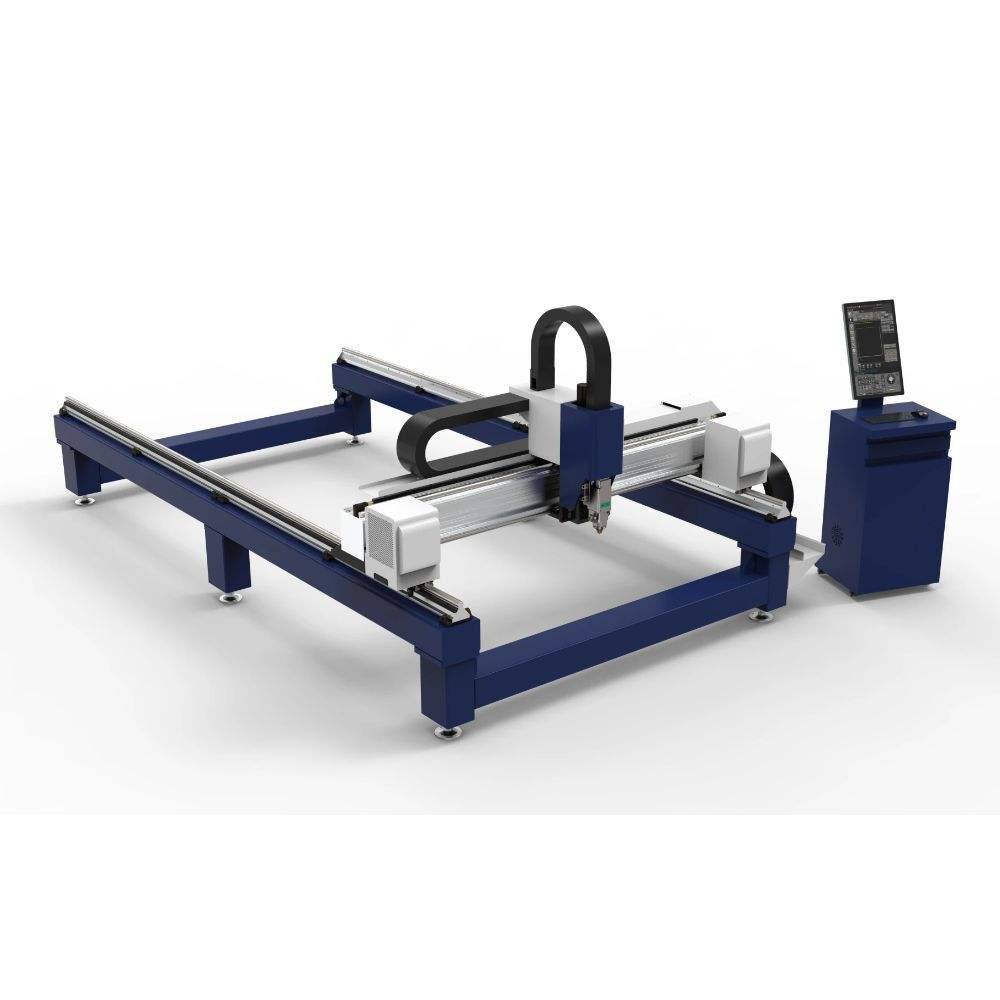 laser cutting machine for Sheet Metal” style=”width: 100%; max-width: 800px; height: auto; margin: 20px 0;”>
Carbon Steel Characteristics and Laser Interaction
Carbon steel, primarily alloys like A36 or 1018, is the most common material processed in Monterrey’s fabrication shops. When subjected to laser cutting, carbon steel undergoes a thermochemical reaction. At the 1.5kW power level, the process typically utilizes oxygen (O2) as an assist gas. The oxygen reacts with the molten iron in an exothermic process, adding significant thermal energy to the cut zone. This allows the laser to penetrate thicker sections than would be possible with inert gases alone. However, this reaction must be carefully controlled to prevent “over-burning” or excessive dross at the bottom of the kerf. The metallurgical composition of the steel—specifically its silicon and phosphorus content—significantly influences the edge quality and the stability of the laser cutting process.
Optimizing Cutting Parameters for 1.5kW Systems
To achieve high-precision results in carbon steel, operators in Monterrey must calibrate several critical parameters. For a 1.5kW system, the following factors are paramount:
- Cutting Speed: For 1mm carbon steel, a 1.5kW laser can reach speeds exceeding 20-25 meters per minute. As thickness increases to 6mm, the speed drops to approximately 1.5-2.0 meters per minute. Finding the “sweet spot” is essential for minimizing the Heat Affected Zone (HAZ).
- Assist Gas Pressure: When cutting carbon steel with oxygen, low pressure (typically 0.5 to 1.5 bar) is used to maintain a stable exothermic reaction. High pressure can lead to turbulent flow and poor edge finish.
- Focal Position: For carbon steel, the focus is generally set at or slightly above the material surface to ensure the oxygen gas can effectively clear the molten slag.
- Nozzle Selection: A double-layer nozzle is standard for oxygen cutting, helping to stabilize the gas flow and protect the internal optics from back-splatter.
The Monterrey Advantage: Material Sourcing and Nearshoring
Monterrey’s strategic location provides a unique advantage for companies utilizing laser cutting technology. Proximity to major steel producers like Ternium and AHMSA ensures a steady supply of high-quality carbon steel coils and plates. Furthermore, the “nearshoring” trend has brought a surge of Tier 1 and Tier 2 automotive suppliers to the region. These companies demand tight tolerances and repeatable quality, which a 1.5kW fiber laser is perfectly equipped to deliver. By integrating laser cutting into local production lines, manufacturers can reduce lead times and logistics costs significantly compared to importing finished components from overseas.
Environmental Considerations in Northern Mexico
The climate in Monterrey presents specific challenges for laser cutting equipment. The region is known for high ambient temperatures and varying humidity levels. For a 1.5kW fiber laser, thermal management is critical. The water chiller system must be robust enough to maintain the laser source and the cutting head at a constant temperature (usually around 22-25°C) even when outside temperatures exceed 40°C. Failure to manage heat can lead to beam instability and shortened component life. Additionally, dust filtration systems are vital in Monterrey’s industrial zones to prevent particulate matter from contaminating the sensitive optical components of the laser cutting machine.
Maintenance Protocols for Peak Performance
To ensure the longevity of a 1.5kW laser cutting investment, a rigorous maintenance schedule is required. Engineering teams should focus on the following:
Daily and Weekly Inspections
The protective window (cover glass) must be inspected daily for dust or burn marks. Even a microscopic speck of debris can absorb laser energy, leading to thermal cracking of the lens. Nozzle centering should be verified at the start of every shift to ensure the assist gas flow is concentric with the laser beam. Weekly cleaning of the machine rails and lubrication of the motion system prevents mechanical backlash, which is essential for maintaining the high-speed accuracy of fiber laser cutting.
Consumable Management
In the context of Monterrey’s competitive market, managing the cost of consumables is vital. Nozzles, ceramic rings, and protective windows are the primary wear items. Using high-quality consumables ensures that the 1.5kW beam remains focused and the gas flow remains laminar. Operators should be trained to recognize the signs of consumable failure, such as increased burr formation or a change in the sound of the cut, to prevent scrap and downtime.
Safety Standards and Operator Training
Fiber lasers operate in the Class 4 category, meaning the beam is invisible and can cause permanent eye damage or fire hazards. In Monterrey, adherence to international safety standards (such as ANSI Z136.1 or ISO 11553) is increasingly required by multinational clients. Laser cutting enclosures must be light-tight, and viewing windows must be made of specific laser-rated acrylic. Beyond physical safety, operator training should focus on software proficiency. Modern CNC controllers allow for nesting optimization, which reduces material waste—a critical factor given the fluctuating prices of carbon steel in the global market.
Economic Viability and ROI
For a fabrication shop in Monterrey, the 1.5kW laser cutting machine offers a rapid Return on Investment (ROI). Compared to a 3kW or 6kW system, the initial capital expenditure is lower, and the power consumption is significantly reduced. For shops that primarily process carbon steel under 8mm, the 1.5kW system provides the best balance of throughput and operating cost. When factoring in the high demand for sheet metal components in Monterrey’s construction and appliance sectors, a well-utilized 1.5kW laser can often pay for itself within 18 to 24 months through labor savings and increased production capacity.
Future Trends: Automation and Industry 4.0
As Monterrey moves toward Industry 4.0, 1.5kW laser cutting systems are becoming increasingly integrated with automated loading and unloading systems. These “lights-out” manufacturing setups allow for continuous operation, further driving down the cost per part. Integration with ERP systems allows for real-time tracking of material usage and machine efficiency. For the local engineering community, staying abreast of these technological shifts is not just an advantage—it is a necessity for remaining competitive in the North American manufacturing landscape.
Conclusion
The 1.5kW sheet metal laser represents a strategic asset for the Monterrey industrial sector. Its ability to process carbon steel with precision, speed, and cost-effectiveness makes it an ideal choice for the region’s diverse manufacturing needs. By understanding the technical requirements of laser cutting, optimizing parameters for local materials, and maintaining rigorous operational standards, Monterrey-based fabricators can continue to lead the way in high-quality metal production. As the industry evolves, the synergy between advanced laser technology and Monterrey’s robust industrial infrastructure will remain a cornerstone of the region’s economic success.
















