Mastering Brass Fabrication with 1.5kW Sheet Metal laser cutting in Monterrey
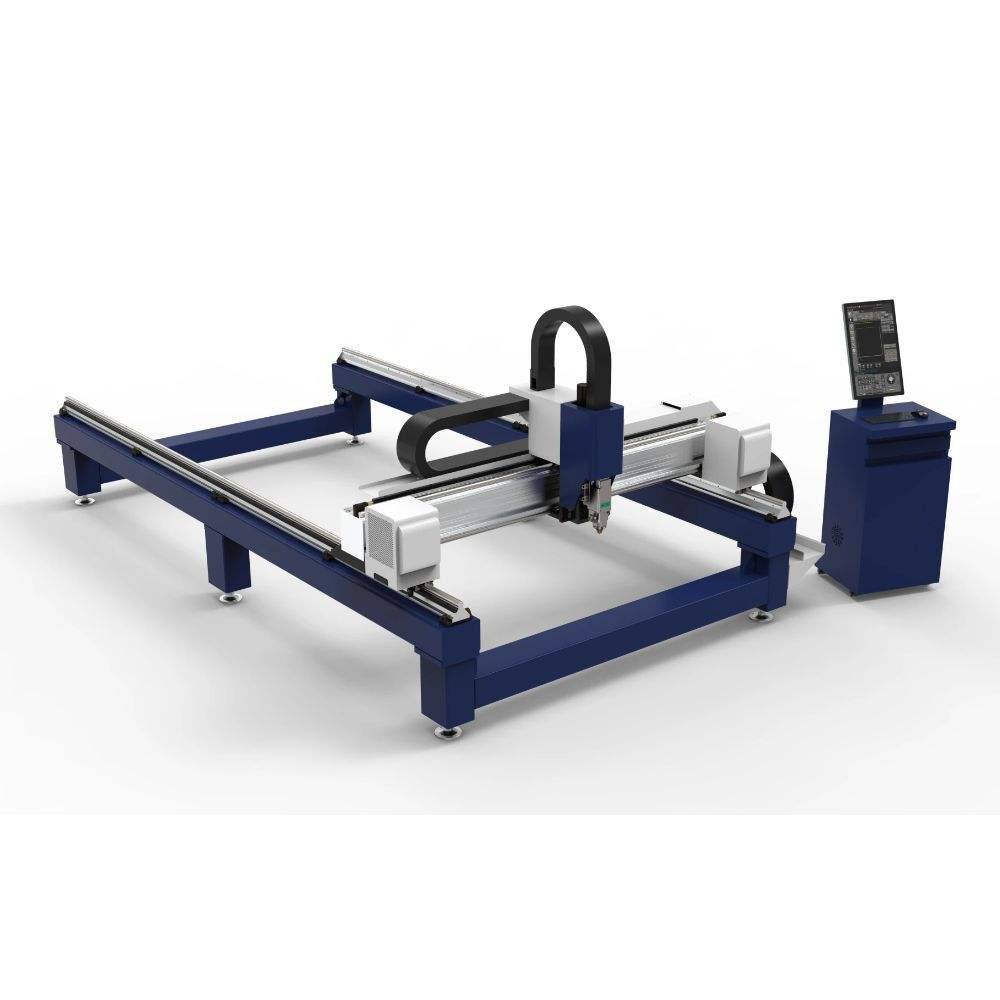
The industrial landscape of Monterrey, Nuevo León, has long been the powerhouse of Mexican manufacturing. As the region transitions toward Industry 4.0, the integration of high-precision fiber technology has become essential for staying competitive. Among the various tools available to the modern machine shop, the 1.5kW sheet metal laser stands out as a versatile and efficient solution, particularly when processing non-ferrous alloys like brass. This guide explores the technical nuances, operational strategies, and regional advantages of utilizing 1.5kW laser cutting systems for brass fabrication in the Monterrey industrial corridor.
Brass, an alloy primarily composed of copper and zinc, presents unique challenges to thermal cutting processes due to its high thermal conductivity and optical reflectivity. However, the 1.5kW fiber laser, operating at a wavelength of approximately 1.06 microns, is perfectly suited to overcome these physical barriers, provided the engineering parameters are meticulously managed. For shops in Santa Catarina, Apodaca, and Guadalupe, mastering this technology means unlocking opportunities in the decorative, electrical, and automotive sectors.
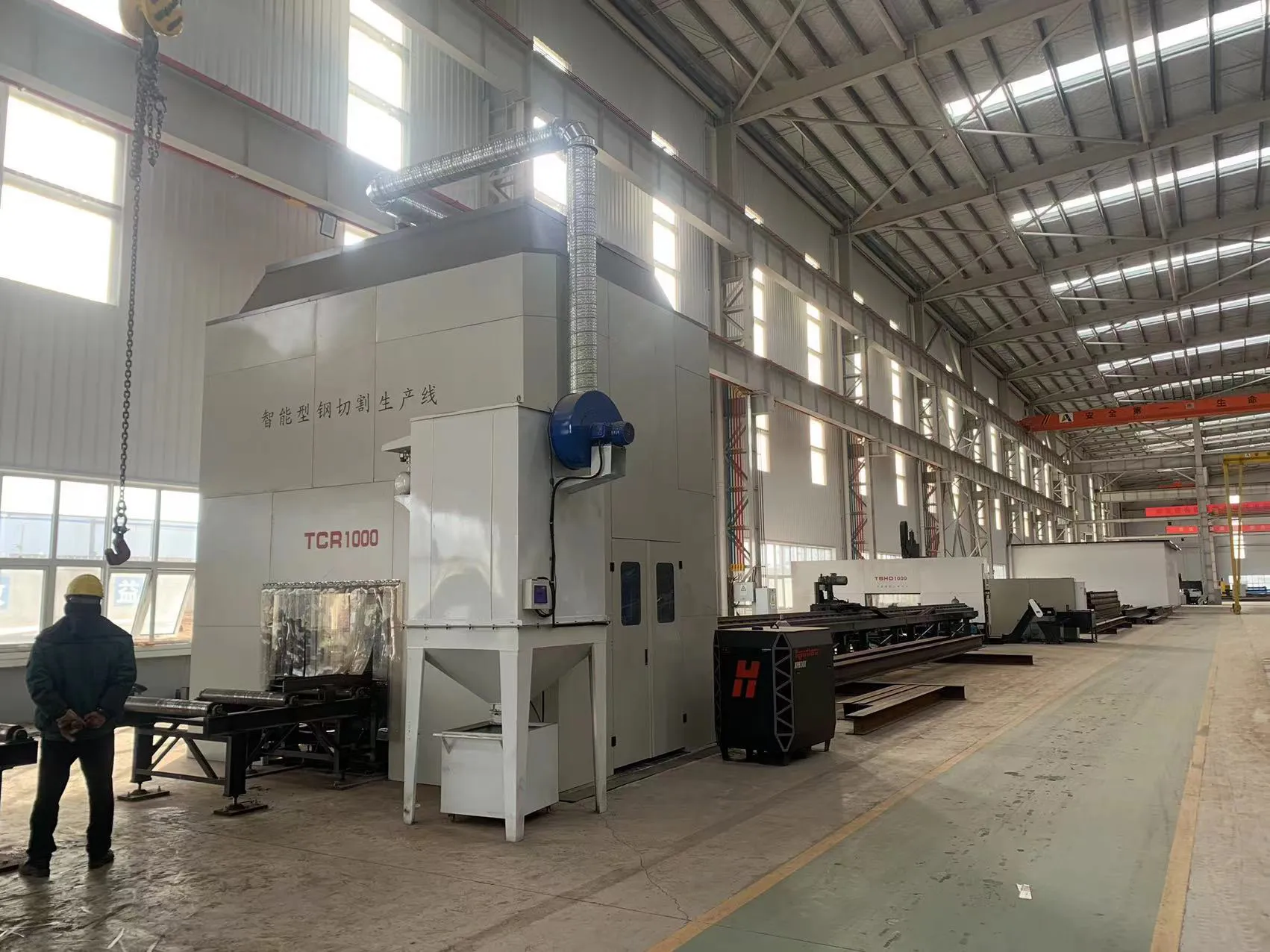 laser cutting machine” style=”width: 100%; max-width: 800px; height: auto; margin: 20px 0;”>
The Physics of 1.5kW Fiber Laser Interaction with Brass
The primary hurdle in brass laser cutting is the material’s reflectivity. In its solid state, brass reflects a significant portion of infrared light. A 1.5kW fiber laser provides sufficient power density to bridge the gap between reflection and absorption. Once the initial “pierce” is achieved, the material’s absorption rate increases significantly as it transitions from a solid to a molten state.
A 1.5kW power rating is often considered the “sweet spot” for small to medium-sized enterprises (SMEs) in Monterrey. It offers enough wattage to cut through brass sheets up to 3mm or 4mm with high precision, while maintaining a lower operational cost compared to high-wattage 6kW or 12kW systems. The beam quality of a 1.5kW source allows for a narrow kerf width, which is vital for the intricate components often required in Monterrey’s burgeoning electronics assembly industry.
Optimizing Cutting Parameters for Monterrey’s Industrial Environment
Operating a 1.5kW laser in Monterrey requires consideration of the local environment. The city’s high ambient temperatures and occasional humidity fluctuations can affect the stability of the laser source and the chiller’s efficiency. Engineers must ensure that the cooling system is rated for the local climate to prevent “thermal drifting” during long production runs of brass components.
To achieve a clean edge on brass, the following parameters are critical:
- Focus Position: Unlike carbon steel, brass often requires a negative focus (below the material surface) to ensure the energy is concentrated within the thickness of the sheet, facilitating a cleaner melt expulsion.
- Cutting Speed: For a 1.5kW system, 1mm brass can typically be processed at speeds of 8-12 meters per minute. As thickness increases to 3mm, the speed must be reduced to approximately 1.5-2 meters per minute to maintain edge quality.
- Nozzle Selection: A double-layer nozzle is generally preferred for brass to stabilize the gas flow and protect the optics from potential back-splatter.
The Role of Assist Gases: Nitrogen vs. Oxygen
In the context of laser cutting brass, the choice of assist gas is a defining factor in the quality of the finished part. For the majority of industrial applications in Monterrey, Nitrogen is the preferred medium. Nitrogen acts as an inert shield, preventing the oxidation of the cut edge. This results in a bright, clean finish that is ready for secondary processes like plating or welding without the need for intensive mechanical cleaning.
Alternatively, some shops utilize high-pressure compressed air as a cost-cutting measure. While viable for thicker brass sheets where edge aesthetics are less critical, it often introduces a slight dross or burr on the bottom of the cut. Given Monterrey’s competitive market, providing a “burr-free” finish using Nitrogen often provides the necessary edge to win contracts from demanding OEMs (Original Equipment Manufacturers).
Protecting the Optical Path from Back-Reflection
One of the most significant risks when laser cutting brass with a 1.5kW fiber laser is back-reflection. Because brass is highly reflective, a portion of the laser energy can be reflected back into the delivery fiber, potentially damaging the laser source. Modern fiber lasers used in Monterrey are typically equipped with “back-reflection isolation” or “optical isolators.”
Engineering teams must ensure that the machine’s software includes “lead-in” strategies that prevent the laser from dwelling too long in one spot during the piercing phase. By utilizing a “flying pierce” or a slanted piercing technique, the risk of vertical reflection is minimized, extending the lifespan of the protective windows and the laser module itself.
Applications in the Monterrey Market
The demand for brass laser cutting in Monterrey is driven by several key sectors:
1. Electrical and Power Distribution
Monterrey is a hub for electrical transformer and switchgear manufacturing. Brass components, known for their excellent conductivity and corrosion resistance, are frequently used in busbars, connectors, and terminals. A 1.5kW laser provides the precision needed for these high-tolerance parts.
2. Architectural and Decorative Hardware
With the rise of luxury residential and commercial developments in San Pedro Garza García, there is a growing market for custom brass inlays, signage, and decorative panels. The fiber laser’s ability to execute complex geometric patterns with minimal heat-affected zones (HAZ) makes it the ideal tool for architectural designers.
3. Automotive Aftermarket
The automotive supply chain in the region utilizes brass for various sensors, fittings, and specialized radiator components. The 1.5kW laser’s versatility allows shops to switch between prototypes and small-batch production runs with minimal setup time.
Maintenance and Operational Best Practices
To maintain peak performance of a 1.5kW sheet metal laser in an industrial setting, a rigorous maintenance schedule is mandatory. In Monterrey’s dusty industrial zones, air filtration is paramount. Dust particles on the cutting head’s protective window can absorb laser energy, leading to thermal cracking and poor cut quality.
Daily inspections should include:
- Checking the cleanliness of the protective lens.
- Verifying the centering of the nozzle to ensure the assist gas and laser beam are perfectly aligned.
- Monitoring the chiller fluid levels and conductivity.
Furthermore, training operators in the specific behavior of brass is essential. Unlike mild steel, which provides clear visual cues during a “bad cut,” brass can be deceptive. An operator must be trained to listen to the “hiss” of the assist gas and monitor the spark stream beneath the sheet to ensure the 1.5kW beam is fully penetrating the material.
Economic Impact and Sustainability
Investing in a 1.5kW fiber laser for brass laser cutting offers a significant ROI (Return on Investment) for Monterrey-based fabricators. Fiber lasers are significantly more energy-efficient than older CO2 technology, consuming up to 70% less electricity. In a region where energy costs are a major operational concern, this efficiency directly translates to lower “cost-per-part” figures.
Moreover, the precision of the 1.5kW beam minimizes material waste. Brass is an expensive alloy; reducing the nesting gap between parts can save thousands of dollars in scrap costs over the course of a fiscal year. Many local shops are now using advanced nesting software to maximize sheet utilization, further enhancing the sustainability of their operations.
Conclusion
The 1.5kW sheet metal laser represents a powerful tool for the Monterrey manufacturing sector, bridging the gap between high-tech capability and operational affordability. While brass presents specific physical challenges, the application of sound engineering principles—proper gas selection, reflection management, and optimized cutting parameters—allows local fabricators to produce world-class components. As Monterrey continues to solidify its position as a global manufacturing leader, the mastery of laser cutting non-ferrous metals like brass will remain a cornerstone of industrial excellence.